
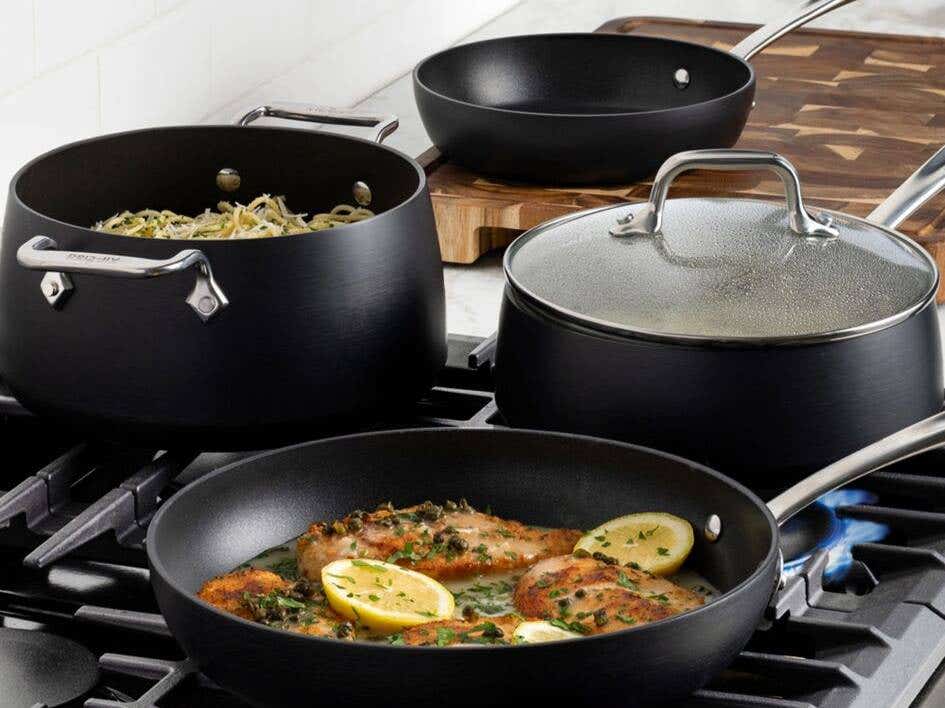
Choosing the right cookware is one of the most important decisions you'll make in your kitchen, affecting everything from cooking results to safety. Whether you're setting up your first kitchen or upgrading your existing collection, understanding what to look for in cookware can save you money, time, and frustration. This comprehensive cookware buying guide will walk you through everything you need to know to make smart, informed choices that match your cooking style, budget, and kitchen needs.
As someone who has tested countless cookware sets over the years, I've learned that there's no one-size-fits-all answer when it comes to selecting the best cookware for your home. What works beautifully for a professional chef might be overkill for a casual cook, and what seems like a bargain initially might cost you far more in replacements down the road. That's why this cookware buying guide dives deep into the factors that actually matter, helping you navigate the overwhelming options available today.

Understanding Different Types of Cookware Materials
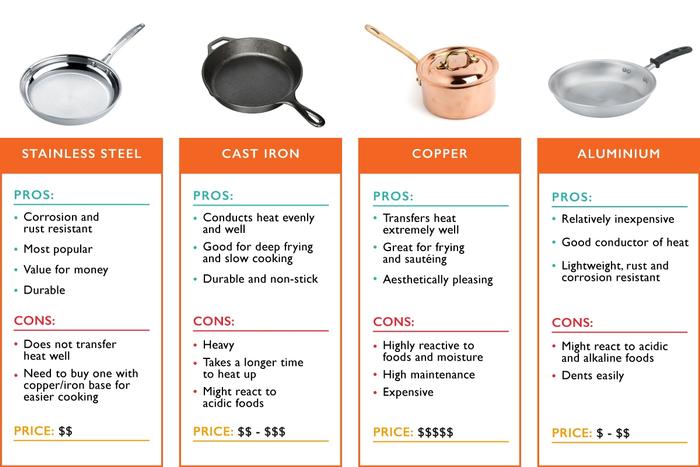
When you start shopping for cookware, the material is the first major decision you'll encounter. Each material has distinct advantages and limitations that directly impact your cooking experience.
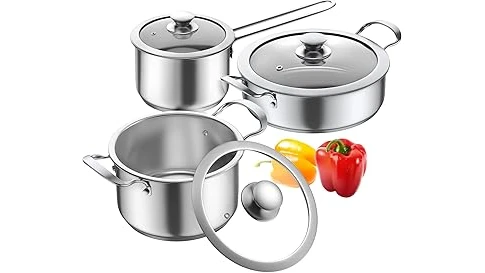
Stainless steel is the most versatile and popular choice for home cooks. It's durable, doesn't react with acidic foods, and works on all stovetop types, including induction. Stainless steel cookware heats evenly when it has an aluminum or copper core, though it can sometimes stick if you're not careful with heat and oil management. I've owned stainless steel pans for over a decade, and they've become more reliable with use as the surface seasons slightly over time.
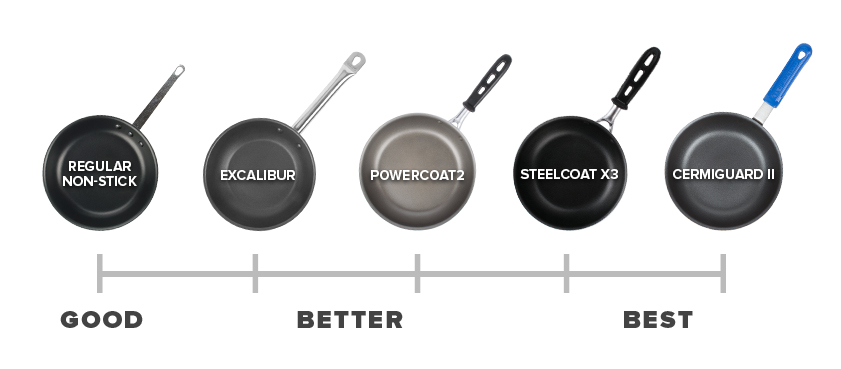
Nonstick cookware has revolutionized everyday cooking by reducing the need for added fats and making cleanup effortless. Modern nonstick coatings are much safer than older versions, and quality nonstick pans can last several years with proper care. However, nonstick surfaces degrade over time, and you can't use high heat or metal utensils without damaging the coating. For this reason, nonstick cookware works best for specific tasks like cooking eggs, pancakes, and delicate fish rather than as your entire cookware collection.
Cast iron offers unmatched heat retention and can last for generations with proper maintenance. It develops a natural nonstick seasoning as you use it, and it can go from stovetop to oven to table without issues. The downside is that cast iron is heavy, requires seasoning and maintenance, reacts with acidic ingredients, and has a longer preheating time. Many home cooks keep one or two cast iron pieces specifically for searing, baking, or stovetop-to-oven cooking.
Carbon steel falls between stainless steel and cast iron in terms of weight and maintenance needs. It heats quickly, can handle high temperatures, and develops seasoning like cast iron but requires less maintenance. Carbon steel is excellent for stir-frying and high-heat cooking, though it's not as nonstick as properly seasoned cast iron initially.
Ceramic cookware is the newest eco-friendly option made from sand and other natural materials rather than petroleum-based chemicals. It's naturally nonstick, free from PTFE and PFOA, and safe for high heat. However, ceramic coatings can chip or crack more easily than traditional nonstick coatings, and they're typically more expensive.

Evaluating Heat Distribution and Conductivity
Heat distribution is arguably the most important factor in cooking quality, and this is where many home cooks make their first mistake by choosing cookware based on price alone.
Cookware with poor heat distribution creates hot spots where food burns in some areas while remaining undercooked in others. This happens most often with thin, single-ply cookware that doesn't conduct heat evenly across the bottom and sides. The best cookware for consistent results uses multi-ply construction, which typically means a layer of aluminum or copper sandwiched between stainless steel layers.
Aluminum is the most common conductor material because it distributes heat quickly and efficiently while remaining affordable. Copper distributes heat even better than aluminum and is often reserved for premium cookware because it's more expensive and requires more maintenance to prevent tarnishing. Some high-end cookware uses both materials, with copper for superior performance and aluminum for cost efficiency in larger pieces.
When evaluating cookware during shopping, check the thickness of the bottom and sides. A heavier pan almost always means better heat distribution, though it also means higher cost and more effort when handling. Clad cookware, where the heating core extends all the way up the sides rather than just the bottom, provides superior heat control for sauces and delicate cooking.
.png?v=1762286799981&options=w_870,h_700)
Considering Cookware Size and Shape
Your cooking habits and kitchen storage space should directly influence the sizes and shapes you choose for your cookware buying guide selections.
Standard cookware sizes range from 1-quart to 8-quart capacities, with 2-quart and 3-quart saucepans and 10-inch and 12-inch skillets being the most versatile everyday sizes. Most home cooks use just a few pieces from their cookware sets regularly, so investing in quality individual pieces rather than large sets often makes more financial sense. I recommend starting with an 8-inch or 10-inch skillet, a 2-quart saucepan, a 3-quart saute pan, and a stockpot, then adding specialty pieces as your cooking needs evolve.
Skillet shapes vary between shallow slope-sided skillets and deeper saute pans, each serving different purposes. Skillets with sloped sides make it easier to flip foods and slide contents onto plates, while straight-sided saute pans with lids are better for braising and cooking larger batches. Dutch ovens and covered casseroles are excellent for stovetop-to-oven cooking and braising.
When selecting cookware, consider your most frequent cooking tasks. If you cook primarily on stovetops, flat-bottomed pans work fine, but if you frequently bake or finish dishes in the oven, look for cookware with oven-safe handles and lids rated for high heat. The shape should match your cooking style rather than following trends or marketing claims about "perfect" cookware collections.
Assessing Handle Design and Safety Features
Handles might seem like a minor detail, but they directly impact safety, comfort, and how long you'll actually enjoy using your cookware.
Heat-resistant handles are essential for safety, and they should stay cool or remain warm but manageable even after cooking with high heat. Stainless steel handles conduct less heat than aluminum but may still get uncomfortably warm, while silicone or rubber grips provide excellent insulation. Handles should be securely riveted or welded to the pan, with no loose connections that could fail during use.
Weight distribution matters tremendously for comfort, especially if you have wrist or shoulder issues. A handle that extends far enough from the pan helps balance the weight, and heavier cookware can cause fatigue during extended cooking sessions. When shopping, actually hold the cookware filled with water if possible to get a realistic sense of how it feels during use.
Lids are equally important and often overlooked in cookware buying decisions. Glass lids with stainless steel rims let you monitor cooking progress without lifting the lid, which helps retain heat and moisture. Make sure lids fit securely without rattling, and check that handles on lids are insulated and sized for easy gripping even with oven mitts.
.png?v=1762288541813&options=w_870,h_700)
Understanding Compatibility with Your Stovetop
Not all cookware works equally well with every stovetop type, and this compatibility question should guide your cookware buying guide priorities.
Gas stovetops work well with most cookware types, though a flat bottom is still important for optimal heat contact. Electric coil stovetops require completely flat bottoms and heavier cookware for consistent heat distribution, as thin cookware wobbles on the coils and heats unevenly. Smooth-top electric ranges need cookware with perfectly flat bottoms to prevent scratching and ensure proper heating, and they're particularly picky about wobbling pans.
Induction cooktops require magnetic cookware, which eliminates most aluminum and copper cookware unless they're part of a magnetic multi-ply construction. Stainless steel, cast iron, and carbon steel work perfectly with induction cookers, which offer fast heating and precise temperature control. If you have or plan to install an induction cooktop, this consideration should be your primary filter when selecting cookware.
Glass and ceramic cooktops demand smooth-bottomed cookware that won't scratch the surface. Cookware with rough or damaged bottoms can scratch these cooktops permanently, so regularly inspecting your pans and wiping the cooktop surface clean prevents damage.

Budget Considerations for Long-Term Value
The cookware buying guide question most people ask is whether to invest in expensive brands or save money with budget options, and the honest answer depends on your specific situation.
Cookware pricing ranges dramatically from budget sets under $100 to premium pieces exceeding $300 per pan. Budget cookware typically has thin, single-ply construction, flimsy handles, and shorter lifespans, but some budget brands have improved significantly and offer reasonable performance for casual home cooks. Mid-range cookware in the $50 to $150 per piece range usually provides the best value, offering quality construction, reliable performance, and longevity without extreme expense.
Premium cookware from established brands justifies its higher price through superior materials, better heat distribution, and excellent warranties. However, expensive cookware doesn't automatically mean better results if you're not using it for advanced cooking techniques. The best cookware for your kitchen is the cookware you'll actually use consistently, not the most expensive option or a complete set you'll only partially use.
Buying individual pieces instead of cookware sets allows you to invest in the pieces you use most while keeping costs manageable. I've found that this approach also prevents you from owning specialty cookware you don't need. Compare the cost per piece and consider how often you'll use specific items before purchasing.

Testing Quality and Durability Indicators
When shopping for cookware, you can assess quality without needing to use it in your kitchen first by examining several key indicators.
Weight is one of the most reliable indicators of quality and performance. Heavier cookware generally means thicker materials and better heat distribution, while lightweight cookware often signifies thin construction and poor heat retention. Pick up the cookware and feel the weight distribution across the bottom and sides.
The construction method matters significantly, with fully clad cookware providing superior performance compared to disk-bottom cookware where the heating core is only on the bottom. Check product descriptions and reviews to confirm whether the cookware is clad or disk-bottom, and ask about multi-ply construction details.
Handle construction shows durability through how the handle is attached and whether it can wobble or move. Riveted handles typically outlast welded handles, and handles should feel secure without any play or movement when you apply gentle pressure. The finish quality on handles and the cookware body indicates overall manufacturing standards.
Warranty information reflects manufacturer confidence in their cookware. Longer warranties and coverage for coating damage suggest the manufacturer stands behind their product, while limited warranties or those excluding normal use may indicate less durable construction. Read warranty details carefully to understand what's actually covered.
.png?v=1762288791208&options=w_870,h_700)
Making Your Final Cookware Buying Decision
After considering all these factors, you're ready to make a cookware buying decision that will serve you well for years.
Create a prioritized list of your specific needs, starting with the most important factors for your cooking style. If you cook on an induction cooktop, that's your primary filter. If you're budget-conscious, focus on the best mid-range options rather than hunting bargains. If you have physical limitations, prioritize lightweight cookware or pieces with excellent ergonomic handles.
Research brands with strong reputations for quality and customer service, reading verified reviews from actual users who've owned the cookware for extended periods. Pay attention to reviews mentioning specific issues like handles loosening, nonstick coating degrading, or heat distribution problems. Visit kitchenware retailers where you can physically inspect cookware and feel the weight and handle comfort.
Start with essential pieces rather than complete cookware sets, investing in quality where you'll see the most return on investment. You can expand your collection gradually as your cooking skills and needs evolve. This approach prevents overspending on pieces you won't use and allows you to learn what actually matters for your cooking style.
Frequently Asked Questions
What's the best cookware for everyday home cooking?
Stainless steel cookware with aluminum or copper core provides the best balance of performance, durability, and versatility for everyday cooking. Pairing quality stainless steel pieces with one or two nonstick pans for specific tasks creates a practical, flexible cookware collection that handles nearly any cooking situation.
How do I know if cookware is oven-safe?
Check the product specifications and packaging for an oven-safe temperature rating, which indicates the maximum heat the cookware can withstand in an oven. Most quality stainless steel cookware is oven-safe to at least 350°F, while some premium pieces tolerate temperatures up to 500°F or higher. Always confirm handles and lids are also rated for oven use, as these components sometimes have lower temperature limits than the pan itself.
Can I use nonstick cookware on induction cooktops?
Only nonstick cookware specifically labeled as induction-compatible will work on induction cooktops, as standard nonstick cookware doesn't have the magnetic properties induction requires. Check the product description or look for an induction symbol on the bottom of the pan to confirm compatibility before purchasing.
How should I care for cookware to extend its lifespan?
Hand washing most cookware is gentler than dishwashers, and allowing pans to cool before washing prevents warping. Avoid using metal utensils on nonstick cookware, never preheat nonstick pans dry on high heat, and store cookware in ways that prevent scratching and denting. Proper storage with felt or cloth separators between pans significantly extends their appearance and functionality.
Should I buy a complete cookware set or individual pieces?
Individual pieces typically offer better value and quality than complete cookware sets, as you only pay for items you'll actually use. Cookware sets often include specialty pieces that don't fit your cooking style, and the quality of every piece in the set is designed around the lowest price point. Buying quality pieces gradually allows you to upgrade strategically based on your actual needs.
What's the difference between stainless steel and nonstick cookware?
Stainless steel is versatile, durable, and works for browning and searing but requires more oil and technique to prevent sticking, while nonstick cookware prevents food from adhering with minimal fat but degrades over time and can't handle high heat. Most complete cookware collections include both types for different cooking tasks, with stainless steel for general cooking and nonstick for eggs, pancakes, and delicate foods.
Conclusion
Choosing the right cookware transforms your cooking experience from frustrating to enjoyable, and the effort you invest in understanding your options pays dividends every time you step into your kitchen. The best cookware for your needs isn't necessarily the most expensive or the most popular brand, but rather the cookware that matches your specific cooking style, kitchen setup, and budget. Take your time evaluating materials, heat distribution, handle comfort, and stovetop compatibility before making your final cookware buying decision.
Start by investing in one or two quality pieces that you know you'll use regularly, and build your collection slowly as your cooking skills develop. Don't feel pressured to buy complete cookware sets or jump on the latest trends. Instead, focus on selecting cookware that genuinely improves your cooking results and brings joy to your kitchen routine. Ready to upgrade your cookware? Share your biggest cookware challenge in the comments below, and let's help you find the perfect solution.

Leave a Reply