
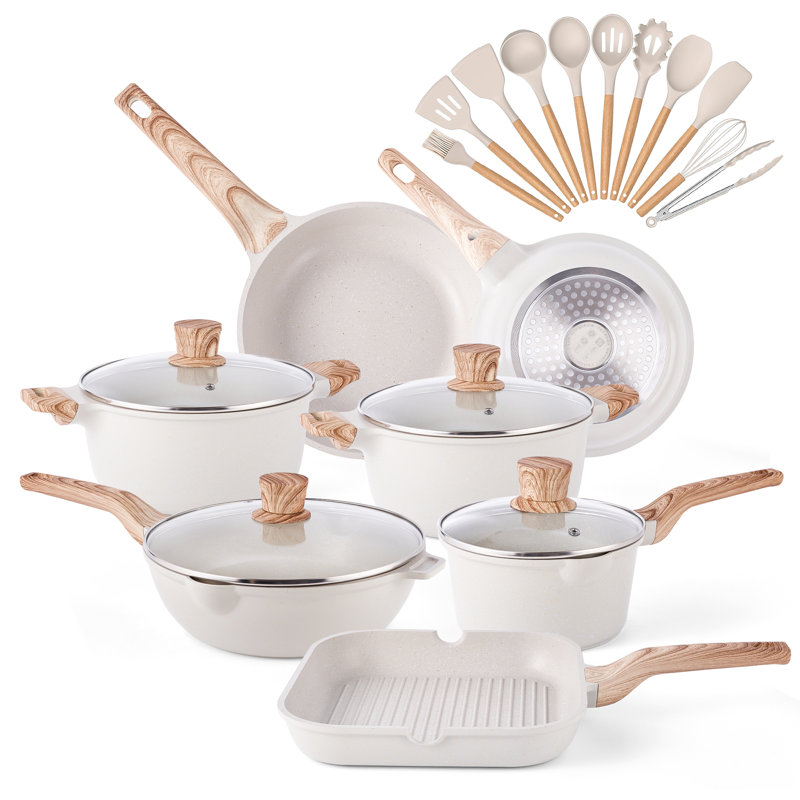
Use wooden, silicone, or plastic utensils for nonstick cookware. Metal utensils can scratch and damage the coating.
Nonstick cookware has revolutionized home cooking, making meal preparation easier and more enjoyable. The right cooking utensils are essential to preserving the integrity of nonstick surfaces. Choosing the right materials can extend the life of your cookware and enhance your culinary experience.
Wooden spoons, silicone spatulas, and plastic tongs are excellent choices that won’t harm the nonstick coating. They allow for easy stirring, flipping, and serving without the risk of scratches. Proper care and the right tools can help you enjoy delicious meals without the hassle of food sticking to the pan. Protect your investment and enjoy cooking with the right utensils tailored for nonstick surfaces.
The Rise Of Nonstick Cookware
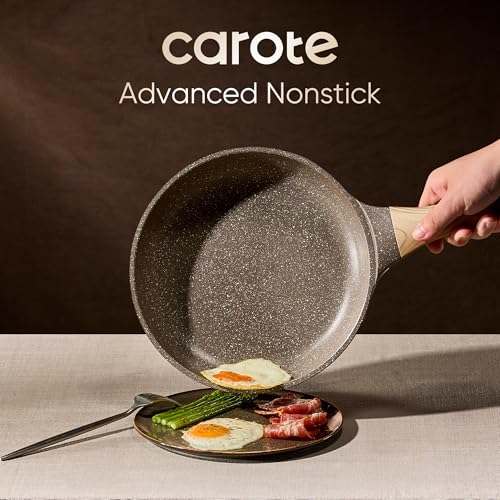
Nonstick cookware has transformed the kitchen experience. It offers easy cooking and cleanup. Home cooks and professional chefs love it. Nonstick surfaces prevent food from sticking. This makes cooking healthier and more enjoyable.
Popularity And Benefits
Nonstick cookware has gained immense popularity for various reasons:
- Ease of Use: Food slides off easily.
- Healthier Cooking: Requires less oil or butter.
- Quick Cleanup: Less scrubbing needed.
- Even Heating: Promotes uniform cooking.
These benefits make nonstick cookware a favorite choice. Many brands now offer eco-friendly options. This trend appeals to health-conscious consumers.
Care And Maintenance
Proper care extends the life of nonstick cookware. Follow these tips for best results:
- Use silicone or wooden utensils.
- Avoid metal utensils that scratch.
- Wash by hand with a soft sponge.
- Never use high heat; low to medium is best.
- Store carefully to prevent scratches.
Following these steps helps maintain the nonstick surface. Enjoy delicious meals without worrying about damaging your cookware.

Credit: www.amazon.com
Materials Matter: Choosing The Right Utensils
Selecting the right utensils for your nonstick cookware is essential. The materials used in utensils can affect the durability of your cookware. Using the wrong materials can lead to scratches and damage. Explore the best options to protect your investment.
Wooden Options
Wooden utensils are a popular choice for nonstick cookware. They are gentle on surfaces, preventing scratches.
- Heat Resistant: Wood handles heat well without melting.
- Durability: They last long with proper care.
- Non-reactive: Wood doesn’t react with acidic foods.
Choose hardwoods like maple or bamboo. Avoid soft woods, as they can splinter.
Silicone Varieties
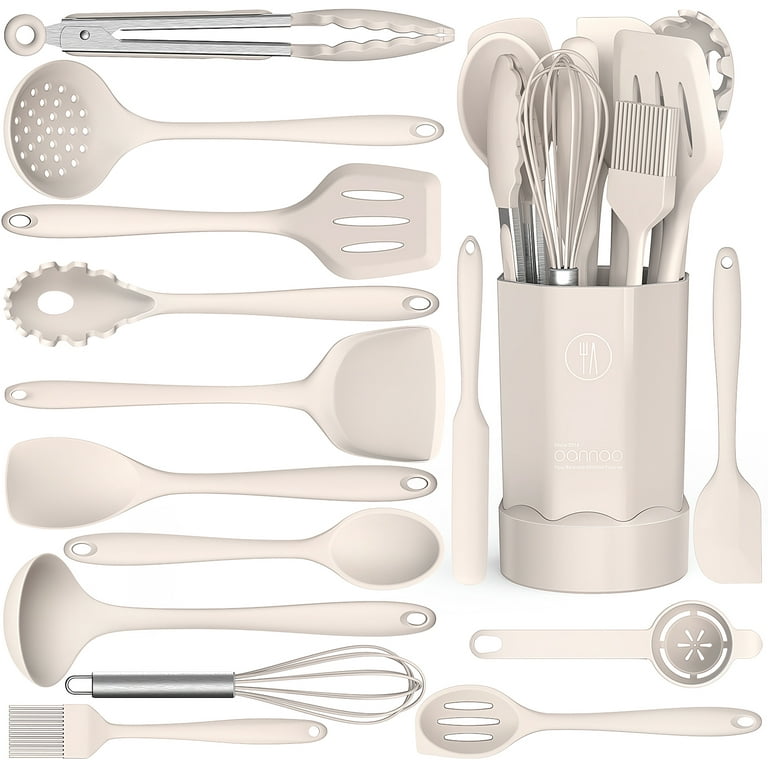
Silicone utensils are another excellent option. They are flexible, heat-resistant, and safe for nonstick surfaces.
- Non-stick: Silicone slides easily in cookware.
- Easy to Clean: Most are dishwasher safe.
- Colorful: Available in many vibrant colors.
Ensure that silicone utensils are BPA-free. This guarantees safety during cooking.
Plastic: Pros And Cons
Plastic utensils can be budget-friendly. They come in various shapes and sizes.
| Pros | Cons |
|---|---|
| Inexpensive | Can melt at high temperatures |
| Lightweight | May scratch nonstick surfaces |
| Variety of colors | Less durable than wood or silicone |
Choose high-quality plastic utensils for better performance. Check for heat resistance to avoid damage.
Top Utensils For Everyday Cooking
Choosing the right utensils can enhance your cooking experience. For nonstick cookware, specific tools work best. These utensils help prevent scratches and ensure even cooking. Here are the top utensils for everyday cooking.
Spatulas: Flipping And Turning
Spatulas are essential for flipping and turning food. They come in various shapes and materials. Silicone spatulas are ideal for nonstick pans. They are gentle and safe for delicate surfaces.
- Silicone Spatulas: Heat-resistant and flexible.
- Wooden Spatulas: Durable and non-scratch.
- Plastic Spatulas: Lightweight and easy to handle.
Choose a spatula that feels comfortable in your hand. Look for a long handle for better control. A good spatula can make cooking easier.
Spoons And Ladles
Spoons and ladles are vital for stirring and serving. Use them to mix ingredients without damaging your cookware. Opt for materials that won’t scratch nonstick surfaces.
| Type | Material | Benefits |
|---|---|---|
| Cooking Spoons | Silicone | Heat-resistant and safe for nonstick pans. |
| Ladles | Wood | Durable and won’t scratch surfaces. |
Look for spoons with a comfortable grip. A well-designed spoon can make serving food easier.
Tongs: The Perfect Grip
Tongs provide a secure grip for flipping and serving. They help you handle hot foods safely. Choose tongs with silicone tips for nonstick cookware.
- Locking Mechanism: Keeps tongs closed for easy storage.
- Ergonomic Design: Comfortable to hold and use.
- Heat Resistance: Ensures safety while cooking.
Good tongs are versatile. Use them for salads, pasta, and more. Invest in a quality pair for daily cooking.
Specialized Tools For The Home Chef
Using the right cooking utensils makes a big difference. Specialized tools enhance your experience with nonstick cookware. They help prevent scratches and preserve the coating. Here are some essential tools every home chef should have.
Whisks: Beating And Blending
Whisks are perfect for mixing ingredients. They come in various shapes and sizes. Here’s why you need a whisk:
- Versatility: Use for eggs, sauces, or batter.
- Efficiency: Mix ingredients quickly and evenly.
- Gentle on Cookware: Silicone or nylon whisks won’t scratch.
Choose a whisk based on your needs:
| Type | Best For |
|---|---|
| Balloon Whisk | Whipping cream or egg whites |
| Flat Whisk | Stirring sauces and gravies |
| Silicone Whisk | Mixing in nonstick pans |
Turners For Fish And Eggs
Turners are crucial for flipping food. They help keep delicate items intact. Here’s what to consider:
- Material: Opt for silicone or nylon for nonstick cookware.
- Size: Choose a turner that fits your pan.
- Flexibility: Look for a flexible edge for easy flipping.
Popular types include:
- Fish Turner: Wide and thin for flipping fish.
- Egg Turner: Smaller for delicate eggs and pancakes.
- Slotted Turner: Drains excess oil or liquid while flipping.
Skimmers And Strainers
Skimmers and strainers are essential for removing food from liquids. They help maintain the texture of your dishes. Here are some key points:
- Skimmers: Great for skimming fat from soups.
- Strainers: Perfect for rinsing vegetables and draining pasta.
- Materials: Choose stainless steel or silicone for durability.
Benefits of using skimmers and strainers:
- Prevent food from breaking apart.
- Easy to clean and maintain.
- Protect nonstick surfaces from scratches.
Sets Vs. Individual Pieces: What To Buy
Choosing between cooking utensil sets and individual pieces can be tricky. Both options have benefits. Understanding your cooking habits helps make the best choice.
Evaluating Your Cooking Needs
Start by assessing your cooking style. Answer these questions:
- How often do you cook?
- What types of meals do you prepare?
- Do you entertain guests frequently?
If you cook daily, a set may suit you. Sets often include multiple utensils. They provide variety for different tasks. If you cook occasionally, individual pieces may work better.
Consider your kitchen space. A set takes up more storage. Individual pieces offer flexibility. Choose what fits your lifestyle.
Cost Comparison
Cost is an important factor. Here’s a simple breakdown:
| Option | Average Cost | Value |
|---|---|---|
| Utensil Set | $30 – $100 | Multiple tools, good for regular cooks |
| Individual Pieces | $5 – $20 each | Great for occasional cooks, buy as needed |
Sets can save money in the long run. Buying individual pieces can be cheaper upfront.
Brands And Quality
Brand reputation matters in utensil quality. Here are a few trusted brands:
- T-fal: Known for durability and heat resistance.
- Cuisinart: Offers stylish and functional designs.
- OXO: Focuses on user-friendly tools.
Quality varies among brands. Investing in high-quality utensils saves money over time. Cheaper options may wear out quickly.
Read reviews before purchasing. Look for materials that suit nonstick cookware, like silicone or wood.
Care Tips For Cooking Utensils
Proper care of your cooking utensils extends their lifespan. Follow these tips for cleaning, storage, and maintenance. Keep your nonstick cookware safe and functional.
Cleaning And Storage
Cleaning your cooking utensils properly is crucial. Here are some effective methods:
- Use warm, soapy water for handwashing.
- Rinse thoroughly to remove soap residue.
- Avoid using abrasive sponges or brushes.
For storage, consider these guidelines:
- Store utensils in a drawer or utensil holder.
- Keep them away from sharp objects.
- Use dividers to prevent scratching.
Avoiding Damage
Prevent damage to your nonstick cookware with these tips:
- Use only silicone, wood, or plastic utensils.
- Never use metal utensils on nonstick surfaces.
- Do not leave utensils in hot cookware.
These practices help maintain the coating and performance.
When To Replace
Check your utensils regularly for signs of wear. Replace them if you notice:
- Scratches or chips on the surface.
- Discoloration or melting.
- Loose or broken handles.
Using damaged utensils can harm your cookware. Always prioritize safety and functionality.
Innovations In Nonstick-compatible Utensils
Recent innovations in nonstick-compatible utensils have transformed cooking. These new tools protect nonstick surfaces while enhancing cooking experiences. Let’s explore some exciting advancements in this area.
Eco-friendly Materials
Environmentally friendly materials are gaining popularity in kitchen utensils. Many brands now use sustainable resources. These materials are safe for nonstick cookware and the planet.
- Bamboo: Strong and lightweight, bamboo utensils resist heat.
- Silicone: Flexible and durable, silicone is non-toxic and easy to clean.
- Recycled Plastics: Some utensils are made from recycled materials, reducing waste.
These eco-friendly options help reduce our carbon footprint while cooking.
Smart Kitchen Tools
Smart kitchen tools make cooking easier and more efficient. Some utensils now feature built-in technology.
- Digital Thermometers: Ensure perfect cooking temperatures without damaging cookware.
- Smart Timers: Automatically alert you when food is ready.
- App-Connected Utensils: Sync with your smartphone for guided recipes.
These innovations enhance convenience and precision in the kitchen.
Design And Ergonomics
Modern utensils focus on design and ergonomics. Comfortable grips and stylish designs improve user experience.
- Soft Grip Handles: Prevent slipping and reduce hand fatigue.
- Unique Shapes: Enhance functionality and aesthetic appeal.
- Lightweight Materials: Make utensils easy to handle during cooking.
Well-designed utensils promote better cooking practices and enjoyment.

Credit: www.amazon.com
Where To Shop: Finding The Best Deals
Shopping for cooking utensils for your nonstick cookware can be exciting. Finding the best deals can save you money. Many options exist, both online and in physical stores. Each option has its benefits. Explore where to get the best prices and quality.
Online Stores Vs. Physical Retailers
Online shopping offers convenience and often better prices. You can compare many products quickly. Here are some pros and cons:
| Online Stores | Physical Retailers |
|---|---|
|
|
Reviews And Recommendations
Check reviews before buying utensils. Customer experiences help you choose wisely. Look for:
- High ratings on trusted sites.
- Detailed reviews on specific utensils.
- Recommendations from cooking blogs or experts.
Popular platforms include Amazon, Target, and Walmart. These stores often have user feedback. Use this information to guide your purchase.
Warranty And Return Policies
Always check warranty and return policies. This ensures peace of mind. Good policies protect your investment. Consider the following:
- Look for a minimum 1-year warranty.
- Read the return policy carefully.
- Some stores offer free returns.
Ensure you understand the terms. This helps avoid future issues.
Credit: www.walmart.com
Frequently Asked Questions
What Utensils Are Safe For Nonstick Cookware?
Silicone, wood, and plastic utensils are safe for nonstick cookware. They prevent scratches and damage to the coating. Metal utensils can lead to wear and tear. Always choose tools specifically designed for nonstick surfaces to prolong the life of your cookware.
Can I Use Metal Utensils On Nonstick Pans?
Using metal utensils on nonstick pans is not recommended. Metal can scratch and damage the nonstick coating. This can lead to food sticking and reduced performance. Opt for silicone, wood, or plastic utensils instead to maintain your cookware’s integrity.
How To Clean Nonstick Cooking Utensils?
To clean nonstick cooking utensils, use warm, soapy water and a soft sponge. Avoid abrasive cleaners or steel wool, as they can scratch surfaces. Rinse thoroughly and dry completely. Regular cleaning ensures your utensils remain in good condition for longer use.
Why Choose Silicone Utensils For Nonstick Cookware?
Silicone utensils are ideal for nonstick cookware because they are heat-resistant and gentle on surfaces. They won’t scratch or damage the coating, preserving the cookware’s performance. Additionally, silicone is easy to clean and often dishwasher-safe, making it a practical choice for any kitchen.
Conclusion
Choosing the right cooking utensils for nonstick cookware enhances your cooking experience. Silicone, wood, and plastic tools are ideal to prevent scratches and maintain your cookware’s longevity. Investing in quality utensils not only protects your pots and pans but also ensures delicious meals.
Embrace these tools for effortless cooking and easy cleanup.

Leave a Reply