
Ceramic cookware and nonstick cookware each have distinct advantages, making the choice depend on your cooking style and priorities. When you're standing in the kitchenware aisle or scrolling through online stores, the choice between ceramic and nonstick cookware can feel overwhelming. Both options promise easier cooking and cleanup, but they work differently and suit different needs. Understanding the key differences will help you make a smart investment that matches how you actually cook. This guide breaks down everything you need to know about ceramic versus nonstick cookware, so you can choose with confidence and cook with better results.
What Is Nonstick Cookware and How Does It Work?
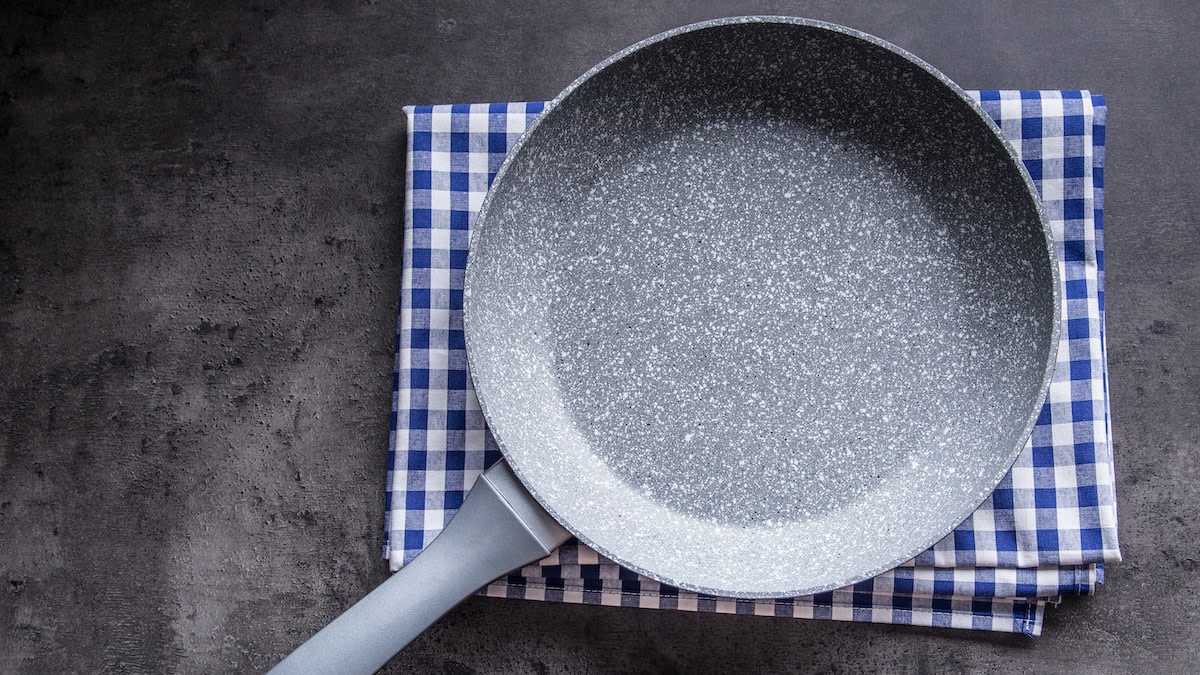
Nonstick cookware has a special coating applied to the surface that prevents food from sticking during cooking. The most common coating material is polytetrafluoroethylene, commonly known as PTFE, though some newer options use different chemical formulas. When you cook with nonstick cookware, food slides around easily, and cleanup becomes as simple as a quick wipe with soap and water.
The magic of nonstick cookware lies in how slippery the coating is at a molecular level. This coating creates a barrier between the food and the metal pan, making oil or butter optional for many dishes. Over time, with regular use and proper care, the coating can wear down, reducing the effectiveness of the nonstick surface.

Understanding Ceramic Cookware
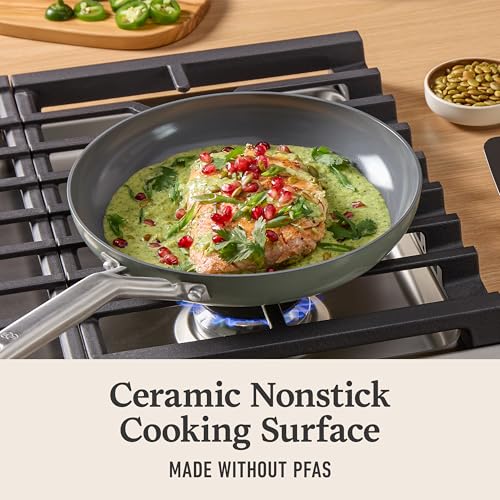
Ceramic cookware features a coating made from inorganic materials, typically derived from sand and minerals. Unlike nonstick cookware with its synthetic chemical coating, ceramic provides a natural alternative that many home cooks prefer. The cooking surface is smooth and naturally resistant to food sticking, though usually not as slippery as traditional nonstick.
Ceramic cookware has become increasingly popular over the last decade as people seek alternatives to conventional nonstick surfaces. The coating is typically applied over an aluminum or stainless steel base, giving you the benefits of both materials. Many manufacturers market ceramic cookware as a healthier option because it contains no PTFE or PFOA chemicals, which appeals to health-conscious cooks.
Key Differences Between Ceramic and Nonstick Cookware
Understanding how ceramic and nonstick cookware differ helps you decide which works better for your kitchen needs.
Coating Material and Composition
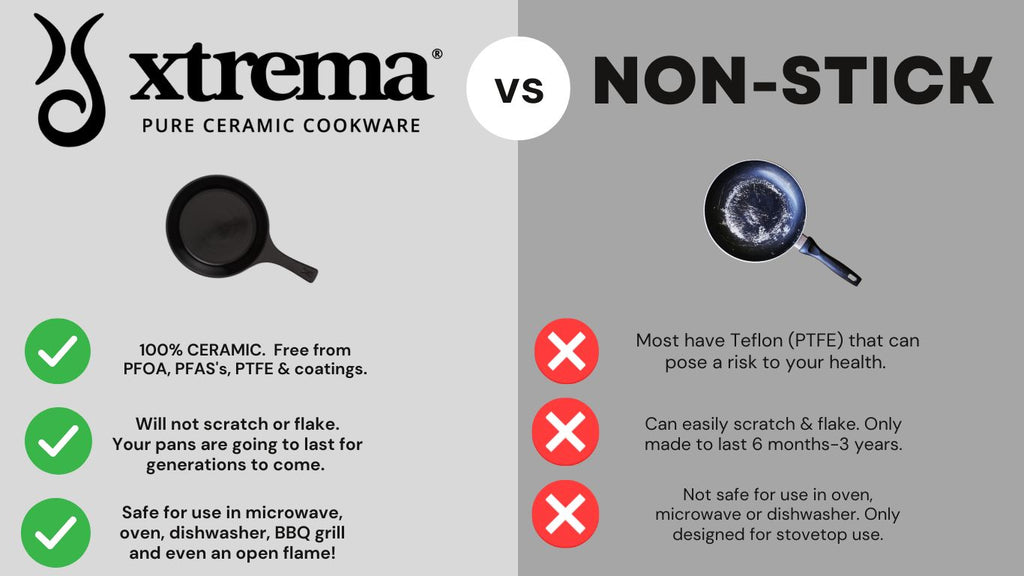
Nonstick cookware uses synthetic chemical coatings, primarily PTFE-based formulas, while ceramic cookware uses mineral-based coatings. This fundamental difference affects everything from how the pans perform to how long they last. Ceramic coatings feel more natural and appeal to people concerned about cooking with synthetic chemicals.
Heat Resistance and Temperature Tolerance
Nonstick cookware typically handles temperatures up to 400 to 500 degrees Fahrenheit, depending on the brand and quality. Ceramic cookware generally tolerates similar temperature ranges, usually between 350 to 500 degrees Fahrenheit. Neither option works well for extremely high-heat cooking like searing steaks at restaurant temperatures, though some premium versions perform better.
Durability and Lifespan
Nonstick cookware can last several years with proper care, though the coating gradually deteriorates with use. Ceramic cookware often outlasts nonstick options because the mineral-based coating tends to be more scratch-resistant. I've found that ceramic pans maintain their performance longer, even with regular cooking and washing.
Ease of Cooking with Oil and Butter
Nonstick cookware requires minimal to no added fat, making it ideal for low-fat cooking. Ceramic cookware benefits from a small amount of oil or butter to enhance performance and flavor. If you prefer cooking with traditional fats, ceramic handles this better and actually improves the cooking experience.
Cleaning and Maintenance
Both ceramic and nonstick cookware clean up quickly without extensive scrubbing. Ceramic can handle more aggressive cleaning without damage, while nonstick surfaces need gentler care to preserve the coating. Dishwasher safety varies by brand, so checking manufacturer recommendations matters for both types.

Health and Safety Considerations
When it comes to what touches your food, safety matters deeply. Many people worry about chemicals leaching into their meals, which drives the ceramic versus nonstick cookware decision. Understanding the actual risks helps you make an informed choice based on facts rather than fear.
PTFE and PFOA Concerns with Nonstick Cookware
PTFE is the chemical compound that makes nonstick cookware work, and it's been used safely in cookware for decades. The FDA has deemed PTFE safe for cooking surfaces when used as intended. PFOA, once used in the manufacturing process, has been phased out by major cookware manufacturers since 2013, addressing health concerns from that era.
Chemical Exposure During Cooking
At normal cooking temperatures, nonstick cookware remains stable and doesn't release harmful chemicals into food. Problems only occur when nonstick cookware is heated to extremely high temperatures above 500 degrees Fahrenheit, which is rare in home cooking. Overheating causes the coating to degrade, potentially releasing fumes, so avoiding excessive heat prevents this issue entirely.
Ceramic Cookware Safety
Ceramic cookware poses no chemical safety concerns since it's made from inorganic minerals rather than synthetic compounds. Some ceramic coatings can contain lead or cadmium if sourced from low-quality manufacturers, though reputable brands test for these contaminants. Purchasing from established brands ensures you're getting safe, tested products.

Performance Comparison in Real Cooking Situations
I've spent years using both ceramic and nonstick cookware in my kitchen, and their real-world performance differs noticeably depending on what you're cooking. Each type excels in different scenarios, and understanding these practical differences helps you choose wisely.
Cooking Eggs and Delicate Foods
Nonstick cookware truly shines when cooking eggs, pancakes, or fish fillets that easily break apart. The superior nonstick properties mean food releases without sticking, even without any added oil. Ceramic works well for these foods too, but typically benefits from a small amount of butter or oil to achieve the same results.
Browning and Creating Fond
Ceramic cookware handles browning vegetables and meats better because the slightly stickier surface helps create flavorful fond at the bottom of the pan. This fond becomes the base for delicious sauces and gravies when you deglaze the pan. Nonstick cookware's slippery surface makes fond development more difficult, limiting your ability to create restaurant-quality sauces.
Sautéing and Stir-Frying
For quick sautéing and stir-frying, ceramic cookware offers better control and performance because food grips the surface slightly. This grip helps you toss and flip ingredients without them sliding away uncontrollably. Nonstick works fine for sautéing but gives you less control over ingredient movement.
Slow Cooking and Simmering
Both ceramic and nonstick cookware handle slow cooking and simmering well, as these techniques don't require high heat. Long-cooking dishes benefit from ceramic's ability to distribute heat evenly across the bottom and sides. Nonstick cookware performs equally well for simmering, though the coating doesn't add any particular advantage in these situations.
Cost Comparison and Value for Money
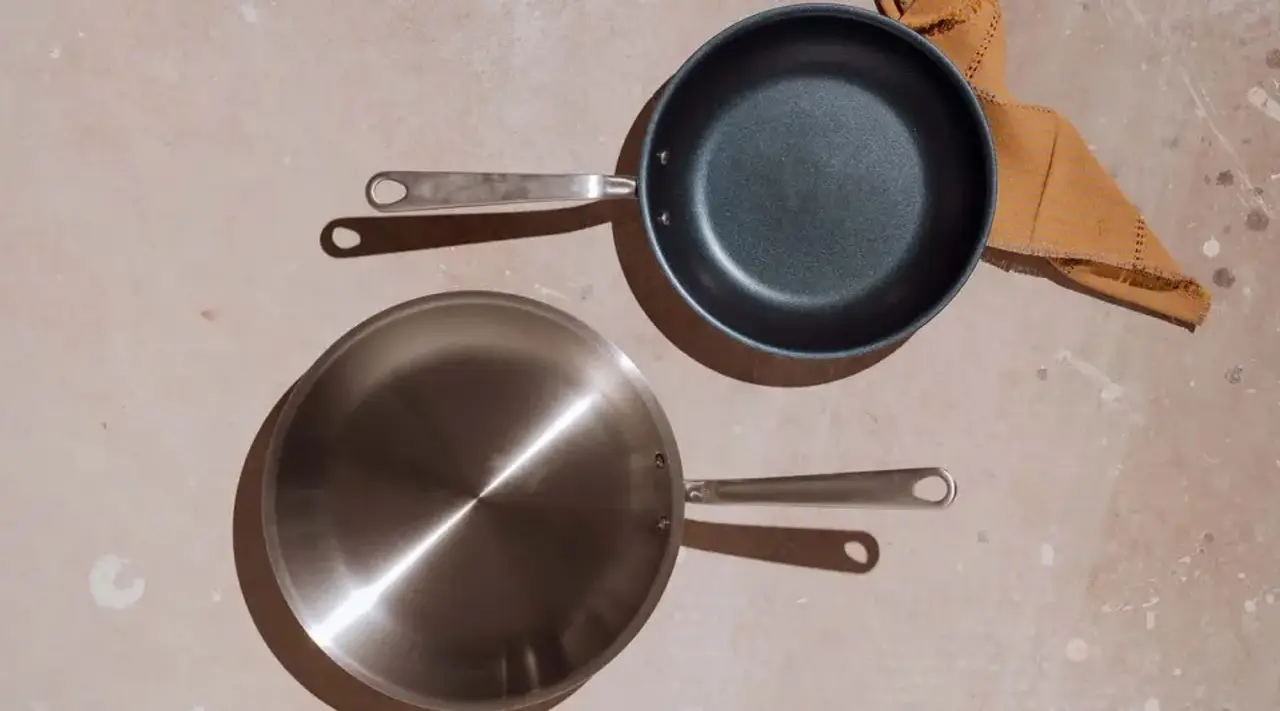
Budget considerations often drive the ceramic versus nonstick cookware decision, and the price differences can be significant. Understanding what you're paying for helps you determine which option offers better value for your specific situation and cooking habits.
Initial Purchase Price
Nonstick cookware typically costs less upfront, with basic sets available at affordable prices. Ceramic cookware often carries a higher initial cost, reflecting the manufacturing process and material quality. Premium options in either category can cost considerably more, so budget doesn't always determine quality.
Long-Term Cost Effectiveness
Ceramic cookware's longer lifespan often makes it more economical over time despite higher initial costs. Nonstick cookware needs replacement every few years as the coating degrades, adding up to more total spending. From a practical standpoint, investing in ceramic cookware may save money over a decade of cooking.
Quality and Brand Impact
Reputable brands in both categories offer superior performance compared to budget options. Spending more on a known brand typically means better heat distribution, more durable coatings, and longer-lasting cookware. Mid-range options from trusted manufacturers often provide the best balance between cost and quality.

Environmental Impact and Sustainability
The environmental footprint of your cookware choice extends beyond the kitchen and into manufacturing and disposal. As someone interested in making sustainable choices, I consider how cookware production and eventual disposal affect the environment.
Manufacturing and Production
Ceramic cookware production requires high-temperature firing but uses natural mineral materials and minimal chemical processing. Nonstick cookware manufacturing involves chemical synthesis and coating application, generating different environmental impacts. Both processes consume energy, though ceramic production tends to be more straightforward.
Lifespan and Waste Reduction
Ceramic cookware's longer lifespan means fewer replacements and less waste going to landfills over time. Nonstick cookware's shorter lifespan results in more frequent disposal and environmental impact from manufacturing replacement sets. Choosing cookware that lasts longer inherently supports environmental sustainability.
Recyclability and End-of-Life Considerations
Ceramic cookware, being primarily metal with a mineral coating, recycles more easily than coated nonstick options. Nonstick cookware's chemical coating complicates recycling, often leading to landfill disposal instead. For environmentally conscious cooks, ceramic offers a more sustainable choice for the entire product lifecycle.
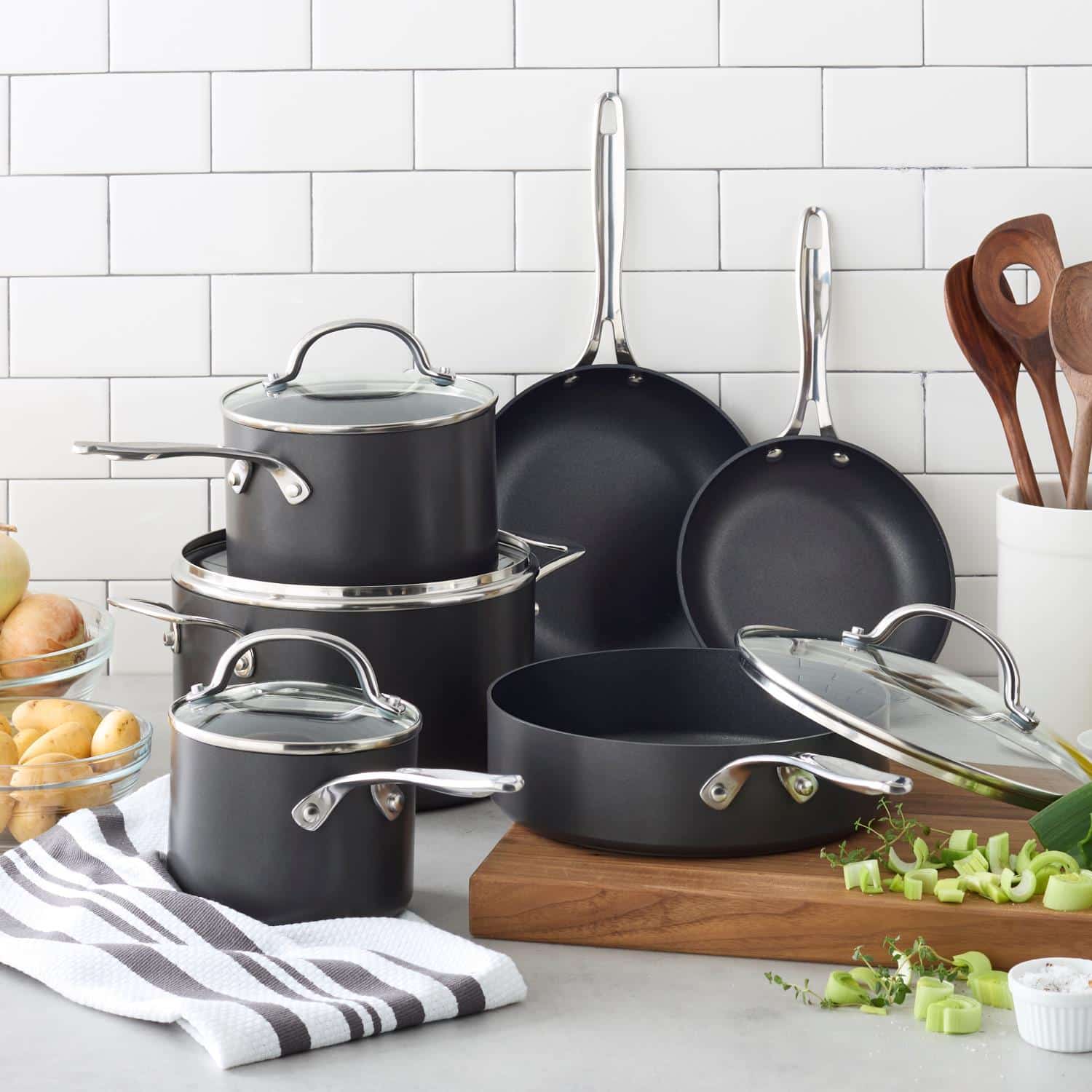
Pros and Cons of Nonstick Cookware
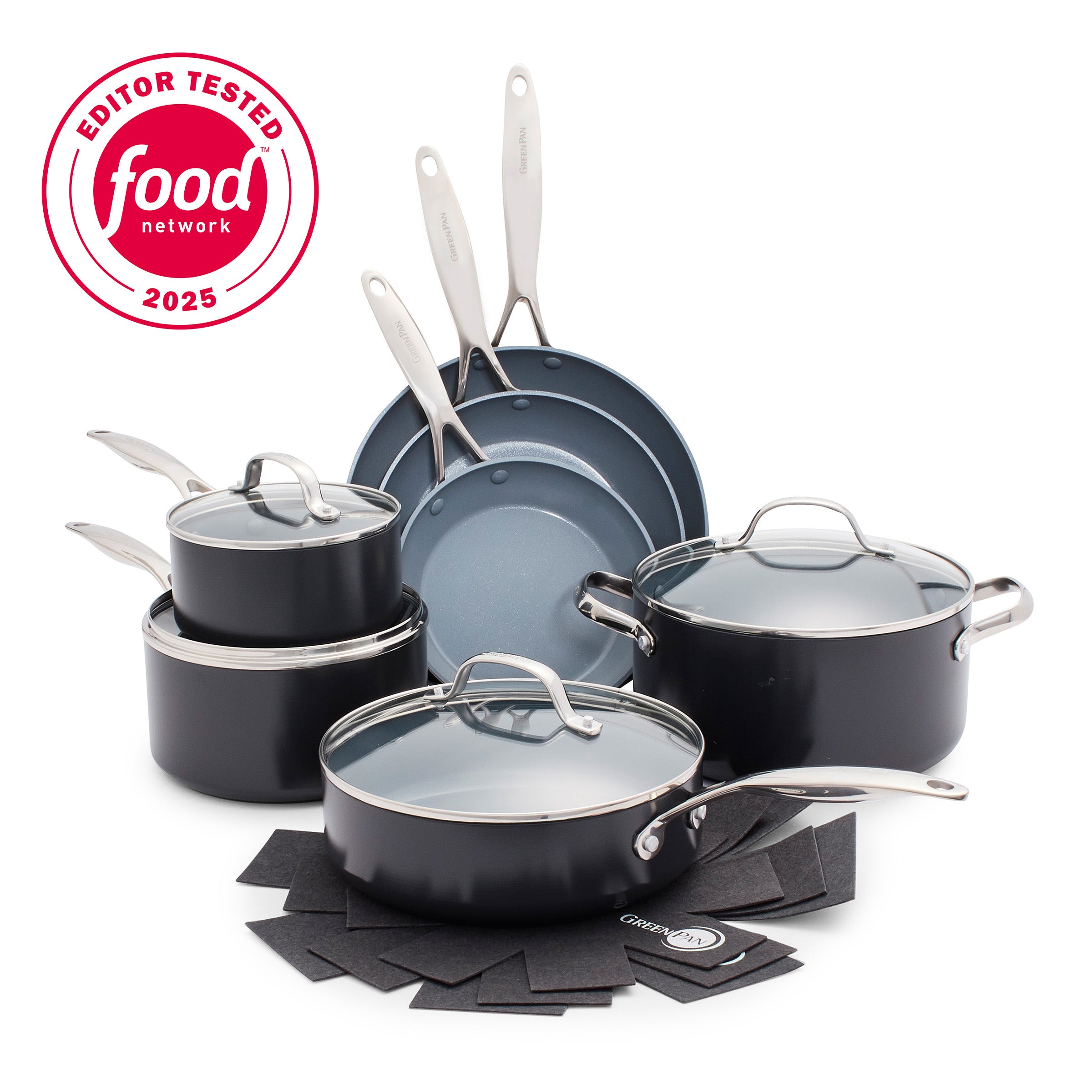
Nonstick cookware brings genuine advantages to the kitchen, but it also has real limitations worth considering. Weighing these factors against your cooking style helps determine if nonstick works for you.
Advantages of Nonstick Cookware
Minimal oil or butter requirement makes nonstick ideal for health-conscious cooking and low-fat diets. Quick and easy cleanup saves time and effort after meals, which appeals to busy home cooks. Excellent performance with delicate foods that easily break apart offers real practical value. Food releases effortlessly without sticking, even with minimal added fat or oil.
Disadvantages of Nonstick Cookware
The coating degrades over time, requiring eventual replacement of cookware sets. Lower heat tolerance limits use for high-temperature cooking and browning. Limited ability to develop fond for making sauces restricts your cooking options. Chemical coatings concern some people despite safety approval, even if those concerns aren't entirely justified. Scratches and damage to the coating occur more easily with regular use.
Pros and Cons of Ceramic Cookware
Ceramic cookware offers compelling benefits alongside some practical limitations. Understanding both sides helps you determine if ceramic fits your cooking needs and preferences.
Advantages of Ceramic Cookware
Chemical-free coating appeals to health-conscious cooks concerned about synthetic materials. Better heat distribution and more even cooking across the pan surface improves results. Scratch-resistant surface withstands regular use longer than nonstick alternatives. Ability to develop fond and create flavorful sauces expands your cooking capabilities. Natural appearance and aesthetic appeal make ceramic cookware attractive for serving directly at the table.
Disadvantages of Ceramic Cookware
Requires more oil or butter compared to nonstick cookware, adding calories to dishes. Higher initial cost represents a bigger investment compared to budget nonstick options. Steep learning curve for cooks accustomed to nonstick's ease of use. Weight varies by manufacturer, and some ceramic options feel heavier than comparable nonstick pans. Chemical composition varies by brand, so quality control and purchasing from reputable makers matters.
Which Cookware Works Best for Different Cooking Styles
Your cooking style should heavily influence whether ceramic or nonstick cookware suits you best. Matching cookware to how you actually cook in your kitchen makes a real difference in satisfaction and results.
For Health-Conscious Cooks
Ceramic cookware appeals most to cooks prioritizing chemical-free cooking and sustainable choices. The mineral-based coating eliminates concerns about synthetic chemicals, even if those concerns are partly overstated. If health considerations drive your purchasing decisions, ceramic aligns better with those values and provides peace of mind.
For Busy Home Cooks
Nonstick cookware's quick cleanup and minimal prep time make it ideal for people with limited time. The ease of use and reduced need for added fats appeal to those seeking convenient weeknight cooking solutions. If efficiency matters more than cooking technique, nonstick cookware serves your needs better.
For Adventurous Cooks and Food Enthusiasts
Ceramic cookware's ability to develop fond and brown ingredients properly appeals to cooks who enjoy making sauces and exploring techniques. The slightly stickier surface gives you more control over cooking and better results for advanced recipes. If cooking technique and flavor development matter to you, ceramic cookware enables better performance.
For Households with Mixed Cooking Needs
Many families benefit from owning both types of cookware and using each for what it does best. Nonstick excels for breakfast cooking and quick weeknight meals. Ceramic works better for weekend cooking projects and more complex dishes. Having both options provides flexibility and eliminates compromises.
How to Properly Care for Ceramic Cookware
Proper maintenance extends the lifespan of ceramic cookware and keeps it performing well for years. Learning the right care techniques prevents premature wear and preserves your investment.
Seasoning and Conditioning
Some ceramic cookware benefits from occasional light oiling to maintain performance and appearance. Rub a tiny amount of oil around the cooking surface and wipe away excess before storing. This simple step keeps the coating in optimal condition, similar to maintaining cast iron.
Cleaning Best Practices
Hand washing with warm soapy water works best for ceramic cookware to avoid potential dishwasher wear. Use soft sponges or cloths and avoid abrasive scrubbers that can damage the coating. Let cookware cool completely before washing to prevent thermal shock and cracking.
Storage and Handling
Store ceramic cookware in a dedicated space where it won't collide with other items and get scratched. Stack pans with protective cloth between them if space is limited and stacking is necessary. Avoid storing when wet or damp, as moisture can affect the coating and underlying metal.
Temperature Transition Care
Avoid placing hot ceramic cookware directly into cold water, as rapid temperature changes can crack the coating and base. Let cookware cool gradually before washing to prevent thermal shock and damage. This single care step significantly extends the life of your ceramic cookware.
How to Properly Care for Nonstick Cookware
Nonstick cookware requires specific care techniques to preserve the coating and maintain its performance. Following these guidelines keeps your nonstick cookware effective longer.
Seasoning Techniques
Occasional light seasoning helps nonstick cookware maintain optimal performance over time. Lightly wipe the surface with a minimal amount of oil and buff away excess before storage. This step helps preserve the coating and prevents it from drying out prematurely.
Safe Cleaning Methods
Hand wash nonstick cookware with soft sponges and gentle dish soap to protect the coating. Avoid abrasive scrubbers, steel wool, or harsh cleaning products that scratch and damage the surface. Never use metal utensils for cooking; stick to wooden or silicone alternatives.
Utensil Recommendations
Always use wooden spoons, silicone spatulas, or plastic utensils when cooking with nonstick cookware. Metal utensils scratch the coating immediately and accelerate deterioration. Investing in a set of nonstick-safe utensils protects your cookware and extends its usable life.
Heat Management
Keep cooking temperatures below 500 degrees Fahrenheit to prevent coating degradation and fume release. Use medium to medium-high heat for most cooking tasks to maintain the coating's integrity. Respecting temperature limits is the single most important factor in preserving nonstick cookware.
Frequently Asked Questions of ceramic vs nonstick cookware
Is ceramic cookware safer than nonstick cookware?
Both ceramic and nonstick cookware are safe when used properly and purchased from reputable manufacturers. Nonstick cookware's PTFE coating is FDA-approved and doesn't release harmful chemicals at normal cooking temperatures. Ceramic avoids synthetic chemicals entirely, making it a natural choice for those concerned about chemical exposure, though the safety advantage is mainly psychological rather than practical.
Can you use metal utensils on ceramic cookware?
Ceramic cookware is more resistant to scratching than nonstick, but metal utensils can still damage the coating over time. Using wooden or silicone utensils protects ceramic cookware and prevents wear marks from accumulating. While ceramic tolerates occasional metal contact better than nonstick, avoiding metal utensils extends the life of either cookware type.
How long does nonstick cookware typically last?
Quality nonstick cookware generally lasts three to five years with proper care and regular use. Budget nonstick options may deteriorate faster, while premium brands sometimes last longer with excellent maintenance. The lifespan depends heavily on how often you cook, the temperatures you use, and how carefully you follow care instructions.
Does ceramic cookware work on all stovetops?
Ceramic cookware works on gas, electric, and induction stovetops, though you should verify that your specific cookware is induction-compatible. The flat bottom of ceramic cookware makes it compatible with most cooking surfaces. Always check the manufacturer's recommendations for your stove type before purchasing.
Why does food sometimes stick to ceramic cookware?
Ceramic cookware naturally has more drag than nonstick, so food occasionally sticks if you don't use enough oil or butter. Using at least a small amount of fat helps food release properly and improves cooking results. Preheating the pan adequately and maintaining proper heat levels also reduces sticking issues.
Is it okay to use ceramic cookware in the oven?
Most ceramic cookware is oven-safe up to the manufacturer's specified temperature, typically between 350 and 500 degrees Fahrenheit. Always check the product specifications before using ceramic cookware in the oven to verify its heat tolerance. Some ceramic cookware handles oven use better than others, depending on the base material and coating quality.
Conclusion
Choosing between ceramic and nonstick cookware doesn't have to feel like picking between two imperfect options. Both types offer real benefits and work well for different cooking situations and preferences. Nonstick cookware excels when you want convenience, quick cleanup, and minimal oil, making it perfect for busy weeknight cooking and delicate foods like eggs. Ceramic cookware shines when you value health-conscious cooking, long-term durability, and the ability to develop flavors through browning and sauce-making, appealing to home cooks who take their technique seriously.
The best choice depends on how you actually cook, what matters most to you, and how you spend time in the kitchen. If you prioritize convenience and low-fat cooking, nonstick serves you well. If you care deeply about chemical-free options and want cookware that lasts longer, ceramic makes more sense. Many experienced cooks find that owning both types and using each for what it does best provides the most flexibility and satisfaction.
Start by thinking about your most common cooking tasks and which cookware would make those easier and more enjoyable. Test cookware if possible, ask friends about their experiences, and don't hesitate to invest in quality that matches your values and cooking style. Your kitchen should work for you, not against you, so take time to make a choice you'll feel confident about for years to come.

Leave a Reply