
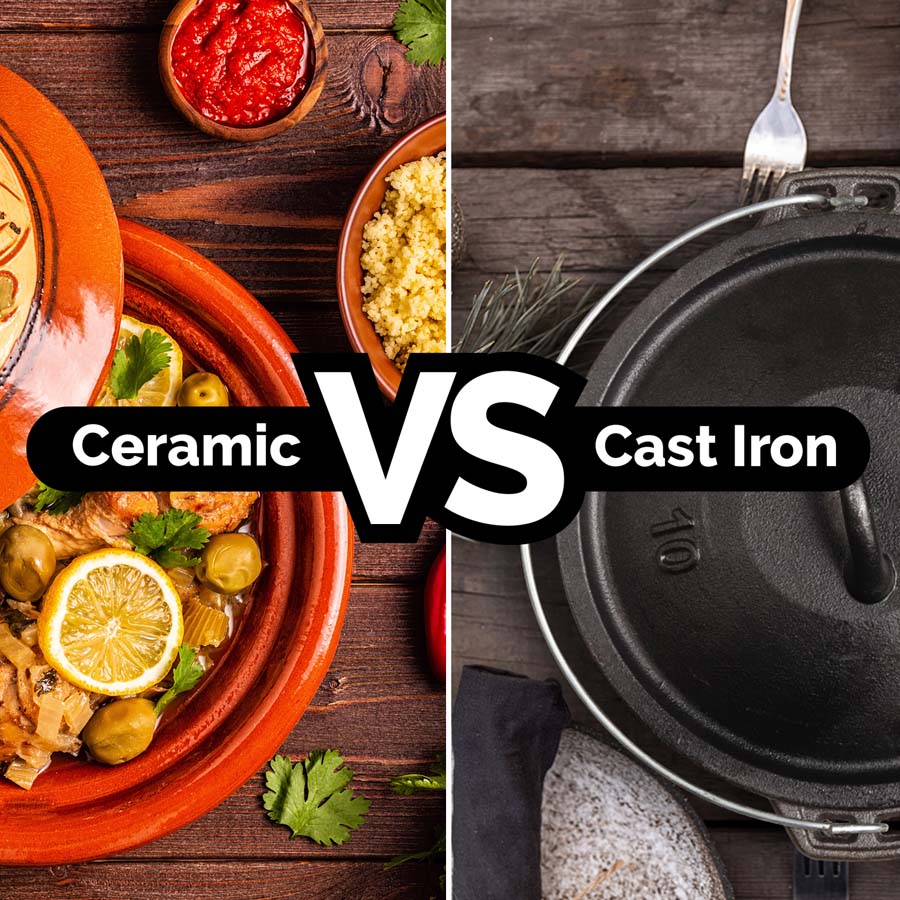
Ceramic cookware is non-stick and often lighter, making it easier to handle. Cast iron cookware excels in heat retention and durability, ideal for searing and slow cooking.
Choosing between ceramic and cast iron cookware can significantly impact your cooking experience. Ceramic options provide a smooth, non-stick surface that promotes healthier cooking with less oil. They are also easy to clean, making them ideal for everyday use. On the other hand, cast iron cookware offers unparalleled heat retention and even cooking, making it perfect for frying, baking, and simmering.
While ceramic is lighter and easier to maneuver, cast iron can last a lifetime with proper care. Understanding the unique benefits of each type can help you make an informed decision based on your cooking style and preferences.
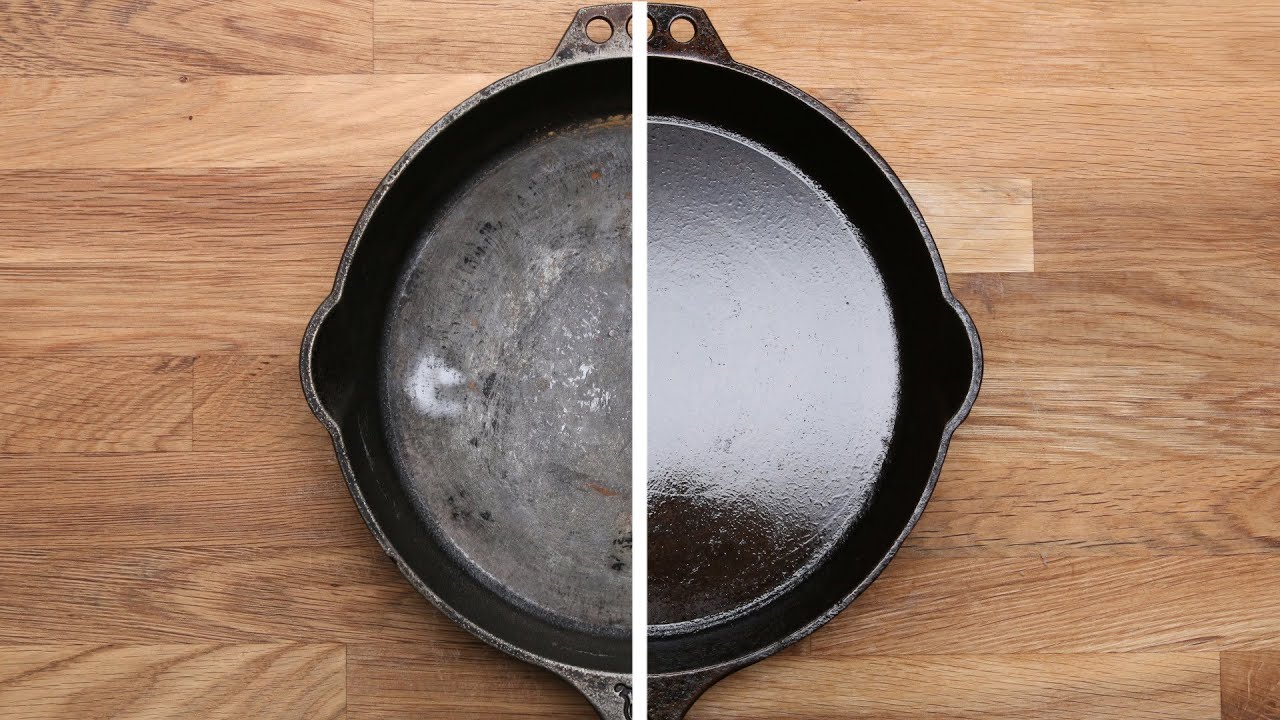
Credit: www.reddit.com
Ceramic Vs Cast Iron Cookware
Ceramic and cast iron cookware are popular choices for home chefs. Each type has unique features and benefits. Understanding these differences helps you make the right choice for your kitchen.
Introduction To Material Choices In Cookware
Cookware materials affect cooking performance and food quality. Both ceramic and cast iron have pros and cons. Here’s a quick look at their characteristics:
| Material | Heat Retention | Non-Stick Properties | Durability | Maintenance |
|---|---|---|---|---|
| Ceramic | Good | Excellent | Moderate | Easy to clean |
| Cast Iron | Excellent | Good (when seasoned) | Very durable | Requires seasoning |
Factors To Consider When Choosing Cookware
Selecting the right cookware involves several key factors:
- Cooking Style: Consider how you cook. Do you bake, fry, or simmer?
- Heat Source: Ensure compatibility with your stove type. Some cookware isn’t suitable for induction.
- Food Type: Acidic foods react differently with materials. Cast iron may impart flavors to some dishes.
- Maintenance: Think about how much care you want to give. Ceramic is easier to maintain than cast iron.
- Price: Budget affects choices. High-quality cast iron can be more expensive than ceramic.
Choose wisely based on these factors. Both ceramic and cast iron have unique advantages. Your cooking needs will guide your decision.
Historical Evolution Of Cookware Materials
The journey of cookware materials is fascinating. Humans have used various materials to create pots and pans. This evolution reflects changes in culture, technology, and cooking methods. Two prominent materials are ceramics and cast iron. Each has a rich history and unique properties that have shaped culinary practices.
From Ancient Pots To Modern Kitchens
Cookware has evolved from simple clay pots to advanced kitchen tools. Here’s a brief timeline of this evolution:
- Prehistoric Times: Early humans used stone and clay for cooking.
- Ancient Civilizations: Egyptians, Greeks, and Romans used ceramic pots for storage and cooking.
- Middle Ages: Cast iron emerged in Europe, becoming popular for its durability.
- Industrial Revolution: Mass production made cookware affordable for many households.
- 20th Century: Non-stick coatings and other materials changed cooking methods.
The Role Of Ceramics And Cast Iron In Culinary History
Both ceramics and cast iron have played vital roles in cooking.
| Material | Historical Use | Benefits |
|---|---|---|
| Ceramics | Used since ancient times for cooking and serving. |
|
| Cast Iron | Gained popularity in the Middle Ages for its strength. |
|
Each material has unique qualities. Ceramics provide aesthetic appeal and versatility. Cast iron offers durability and excellent cooking performance. Both have stood the test of time in kitchens around the world.
The Basics Of Ceramic Cookware
Ceramic cookware is popular for its beautiful designs and colors. Made from clay, it’s often coated with a glaze for a smooth finish. This cookware is known for its non-stick properties. It heats evenly, making it great for cooking.
Key Characteristics Of Ceramic Cookware
- Non-Stick Surface: Food slides off easily.
- Even Heating: Reduces hot spots during cooking.
- Variety of Colors: Available in many vibrant colors.
- Lightweight: Easy to handle and store.
- Eco-Friendly: Made from natural materials.
Pros And Cons Of Using Ceramic
| Pros | Cons |
|---|---|
| Safe for health, no toxic chemicals. | Can chip or scratch easily. |
| Good for low-fat cooking. | Not suitable for high-heat cooking. |
| Easy to clean. | May require special utensils. |
| Versatile for various cooking methods. | Can be more expensive than other options. |
Understanding Cast Iron Cookware
Cast iron cookware has a long history and offers unique benefits. It is popular for its durability and heat retention. Many chefs and home cooks love using it. Let’s explore what makes cast iron cookware special.
Defining Features Of Cast Iron
- Material: Made from iron and carbon.
- Weight: Heavy and sturdy.
- Heat Retention: Excellent at holding and distributing heat.
- Versatility: Can be used on stovetops, ovens, and grills.
- Non-Stick Surface: Develops a natural non-stick layer with seasoning.
Advantages And Disadvantages Of Cast Iron
| Advantages | Disadvantages |
|---|---|
|
|
Heat Distribution And Retention
Understanding heat distribution and retention helps in choosing cookware. The right choice affects cooking quality and efficiency.
Comparing Thermal Properties
Ceramic and cast iron have different thermal properties.
| Property | Ceramic Cookware | Cast Iron Cookware |
|---|---|---|
| Heat Distribution | Even heat distribution | Uneven heat distribution initially |
| Heat Retention | Moderate heat retention | Excellent heat retention |
| Temperature Responsiveness | Quickly warms up | Slow to change temperature |
Impact On Cooking Performance
Different thermal properties affect cooking performance significantly.
- Ceramic cookware heats quickly. It is great for sautéing.
- Cast iron retains heat well. It is perfect for frying.
- For slow cooking, cast iron is ideal.
- Ceramic can create a nice crust on baked goods.
Choose wisely based on your cooking needs. Each type has its strengths.

Credit: www.facebook.com
Durability And Maintenance
Understanding the durability and maintenance of cookware is essential. Both ceramic and cast iron have unique properties. Their care can affect their lifespan and performance. Let’s explore each type in detail.
Lifespan Of Ceramic And Cast Iron
The lifespan of your cookware greatly depends on the material:
| Cookware Type | Average Lifespan | Durability |
|---|---|---|
| Ceramic | 5-10 years | Less durable, can chip or crack |
| Cast Iron | Lifetime (50+ years) | Highly durable, can withstand high heat |
Ceramic cookware lasts around 5 to 10 years. It is less durable and may chip easily. Cast iron, however, can last a lifetime. With proper care, it becomes better over time.
Care Instructions For Longevity
Proper care extends the life of your cookware. Here are some tips:
- Ceramic Cookware:
- Use gentle, non-abrasive cleaners.
- Avoid metal utensils to prevent scratches.
- Do not expose it to sudden temperature changes.
- Store carefully to avoid chipping.
- Cast Iron Cookware:
- Season regularly to maintain non-stick surface.
- Clean with hot water and a stiff brush.
- Dry immediately to prevent rust.
- Store in a dry place with a light coating of oil.
Follow these care instructions for both types. They ensure your cookware lasts longer and performs better.
Health And Safety Considerations
Choosing the right cookware affects your health and safety. Both ceramic and cast iron have unique properties. Understanding these can help make better cooking choices.
Food Safety With Different Materials
Food safety is crucial in cooking. Here’s how ceramic and cast iron compare:
| Material | Food Safety Features | Potential Concerns |
|---|---|---|
| Ceramic |
|
|
| Cast Iron |
|
|
Potential Health Risks And Benefits
Each cookware type has health benefits and risks. Here’s a closer look:
- Ceramic Cookware
- Benefits:
- Non-toxic materials
- Good for low-fat cooking
- Risks:
- Fragile and can break
- Quality varies by brand
- Benefits:
- Cast Iron Cookware
- Benefits:
- Enhances iron intake
- Excellent heat retention
- Risks:
- Heavy and hard to handle
- Improper care can lead to rust
- Benefits:

Credit: bestduty.co.za
Cost And Value Analysis
Choosing between ceramic and cast iron cookware involves understanding costs and value. Each type has unique pricing structures and long-term benefits. This section analyzes their costs and overall value.
Price Comparison
| Cookware Type | Average Price Range | Longevity |
|---|---|---|
| Ceramic Cookware | $20 – $200 | 3 – 5 years |
| Cast Iron Cookware | $25 – $300 | 10 – 20 years |
Ceramic cookware generally costs less upfront. Prices can start as low as $20. High-end options may reach $200. However, they often have a shorter lifespan.
Cast iron cookware costs more initially. Prices range from $25 to $300. The durability of cast iron means it can last 10 to 20 years with proper care. This longevity can offset the higher price.
Evaluating Cost-effectiveness
Cost-effectiveness involves more than just upfront prices. Consider these factors:
- Durability: Cast iron lasts longer, reducing replacement costs.
- Versatility: Cast iron can be used on any heat source.
- Maintenance: Ceramic may require careful handling to avoid chipping.
Think about these points:
- Initial investment vs. long-term value.
- Cooking habits and frequency of use.
- Storage space and weight considerations.
In summary, ceramic cookware may have a lower initial cost but often needs replacing. Cast iron cookware requires a higher investment but offers greater value over time.
Culinary Applications
Choosing between ceramic and cast iron cookware affects your cooking experience. Each material has unique features that suit different culinary tasks. Understanding their strengths helps in making the best choice for your kitchen.
Suitability For Various Cooking Methods
Both ceramic and cast iron cookware excel in different cooking methods. Here’s a quick overview:
| Cooking Method | Ceramic Cookware | Cast Iron Cookware |
|---|---|---|
| Baking | Great for casseroles and baked goods. | Good for cornbread and deep-dish pizzas. |
| Sautéing | Not recommended; may not heat evenly. | Excellent for browning meats and vegetables. |
| Simmering | Ideal for sauces and soups. | Perfect for slow-cooking stews. |
| Grilling | Can be used on grills but may crack. | Perfect for searing and grilling on the stovetop. |
Recipe Adaptations For Each Material
Adapting recipes for ceramic and cast iron cookware is essential for best results. Here are some tips:
- Ceramic Cookware:
- Use lower heat settings to prevent cracking.
- Great for baking desserts like brownies.
- Use parchment paper for easy cleanup.
- Cast Iron Cookware:
- Preheat before adding food for better searing.
- Use a higher heat for frying and sautéing.
- Season the pan to enhance flavor and prevent sticking.
Both cookware types require care. Each brings unique benefits to your kitchen. Choose wisely based on your cooking style.
Personal Preferences And Lifestyle
Choosing between ceramic and cast iron cookware often depends on personal preferences and lifestyle. Each type of cookware has unique features. Understanding these can help you make the best choice for your kitchen.
Aligning Cookware With Cooking Habits
Your cooking habits play a big role in selecting cookware. Consider the following:
- Frequency of Cooking: Daily cooks may prefer durable options.
- Cooking Style: Chefs who sear and sauté may lean towards cast iron.
- Health Considerations: Ceramic is non-toxic and often preferred for healthy cooking.
- Clean-Up Preferences: Ceramic is easier to clean than cast iron.
Assess how often you cook and what you cook. This assessment guides your choice. If you enjoy baking, ceramic may be ideal. For frying and grilling, cast iron excels.
Making The Choice: Lifestyle Considerations
Your lifestyle influences cookware selection. Think about:
| Factor | Ceramic Cookware | Cast Iron Cookware |
|---|---|---|
| Weight | Light and easy to handle | Heavy and sturdy |
| Heat Retention | Good, but not as high as cast iron | Excellent heat retention |
| Versatility | Great for baking and stovetop | Ideal for stovetop and oven |
| Durability | Can chip or crack | Very durable with proper care |
Consider your cooking environment. Busy families may opt for lightweight ceramic. Serious cooks might prefer heavy-duty cast iron for its performance.
Reflect on your kitchen storage. Cast iron requires more space. Ceramic can stack easily. Choose what fits your lifestyle best.
Expert Opinions And Reviews
Understanding the differences between ceramic and cast iron cookware is essential. Expert opinions provide valuable insights. Chefs and consumers share their experiences. Their feedback helps in making informed choices.
Chef Recommendations
Professional chefs often have strong preferences. Here are their thoughts on both types of cookware:
- Ceramic Cookware:
- Great for low-fat cooking.
- Easy to clean and maintain.
- Offers even heat distribution.
- Cast Iron Cookware:
- Excellent for searing and browning.
- Durable and long-lasting.
- Retains heat well for slow cooking.
Many chefs recommend both. The choice depends on cooking style.
Consumer Feedback And Ratings
Consumer reviews highlight real-life experiences. Ratings show preferences and satisfaction levels. Here’s a summary:
| Cookware Type | Average Rating | Pros | Cons |
|---|---|---|---|
| Ceramic | 4.5/5 |
|
|
| Cast Iron | 4.8/5 |
|
|
Reviews show that both options are popular. Consumers appreciate their unique features. The right choice depends on personal cooking needs.
The Verdict: Making Your Selection
Choosing between ceramic and cast iron cookware can be tough. Each type has its strengths and weaknesses. Your cooking style and preferences matter. Let’s break it down to help you decide.
Summarizing The Debate
Here’s a quick comparison of ceramic and cast iron cookware:
| Feature | Ceramic Cookware | Cast Iron Cookware |
|---|---|---|
| Weight | Lightweight | Heavy |
| Heat Retention | Poor | Excellent |
| Durability | Chips Easily | Very Durable |
| Non-Stick Surface | Yes | Requires Seasoning |
| Versatility | Oven Safe | Oven & Stovetop Safe |
| Maintenance | Easy to Clean | Requires Care |
Final Tips For Choosing The Right Cookware
Consider these tips for your decision:
- Cooking Style: Choose ceramic for baking and light meals.
- Heat Needs: Use cast iron for high-heat cooking.
- Maintenance: Pick ceramic for easy cleaning.
- Durability: Opt for cast iron for long-lasting use.
- Price: Compare prices to fit your budget.
Think about your kitchen habits. This will guide your choice. Both ceramic and cast iron have unique benefits. Choose the one that best suits your needs.
Frequently Asked Questions
What Are The Main Differences Between Ceramic And Cast Iron Cookware?
Ceramic cookware is non-stick and lightweight, making it easy to handle. It offers excellent heat distribution but may not tolerate high temperatures as well as cast iron. Cast iron cookware is heavier, durable, and retains heat exceptionally well. It requires seasoning and maintenance but lasts for generations.
Which Cookware Is Safer: Ceramic Or Cast Iron?
Both ceramic and cast iron cookware are generally safe. Ceramic is often free from harmful chemicals and toxins. Cast iron can leach small amounts of iron, which is beneficial in moderate amounts. However, ensure that ceramic cookware is high-quality and free from lead or other harmful substances.
Is Ceramic Cookware Better For Health?
Ceramic cookware is often considered healthier due to its non-stick nature and absence of toxic chemicals. It allows for cooking with less oil, reducing fat intake. However, cast iron can also be healthy, providing iron in your diet. The choice depends on cooking habits and preferences.
Can You Use Metal Utensils On Ceramic Cookware?
It is not recommended to use metal utensils on ceramic cookware. Metal can scratch the non-stick surface, reducing its effectiveness. Instead, use silicone, wood, or plastic utensils to maintain the integrity of the ceramic coating. This ensures longevity and optimal performance of your cookware.
Conclusion
Choosing between ceramic and cast iron cookware depends on your cooking style and preferences. Ceramic offers versatility and easy cleanup, while cast iron excels in heat retention and durability. Both have unique benefits that cater to different needs. Assess your cooking habits to find the best fit for your kitchen.

Leave a Reply