
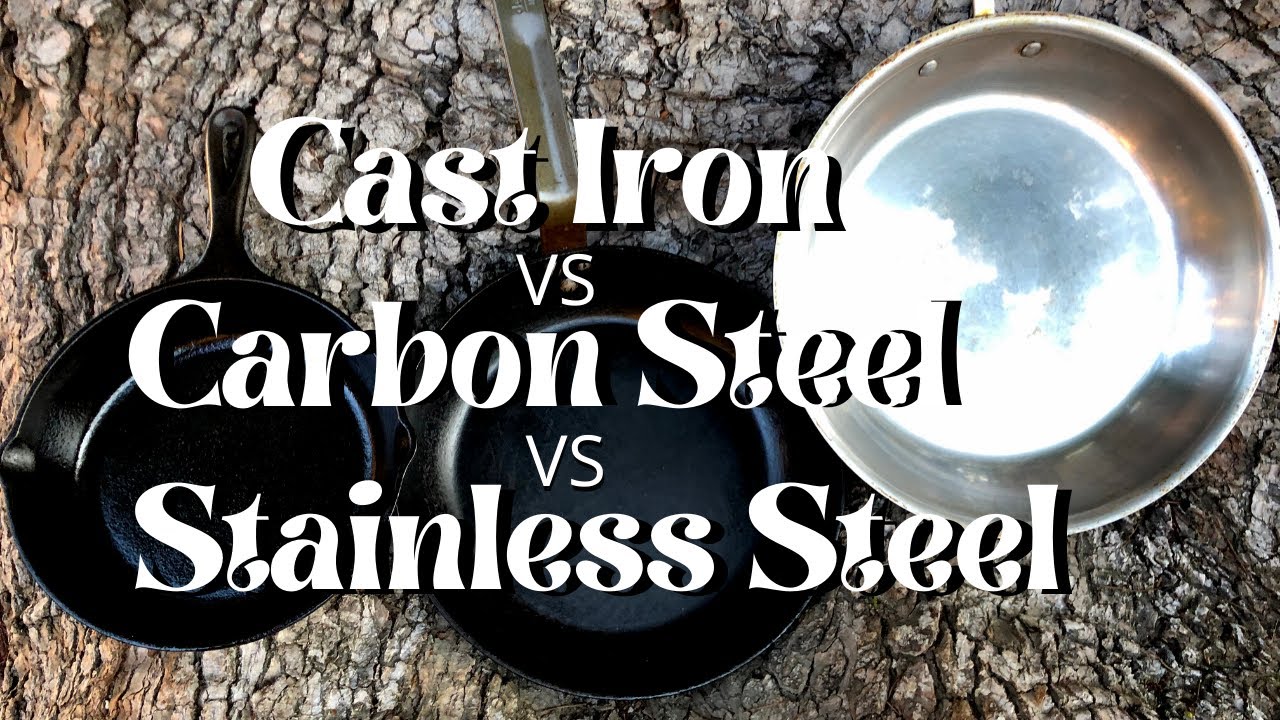
Cast iron and stainless steel pans each have distinct strengths—cast iron excels at heat retention and seasoning, while stainless steel offers durability and low maintenance. Choosing between these two cookware powerhouses can feel overwhelming, especially when you're standing in a kitchen store surrounded by gleaming options. After years of testing different pans in my own kitchen and helping friends find their perfect match, I've learned that this isn't really about one being better than the other. Instead, it's about understanding what each pan does best and how it fits into your cooking style. Whether you're a beginner just starting your kitchen journey or an experienced cook looking to upgrade, knowing the differences between cast iron versus stainless steel pans will help you make a choice you won't regret.
Understanding Cast Iron Pans
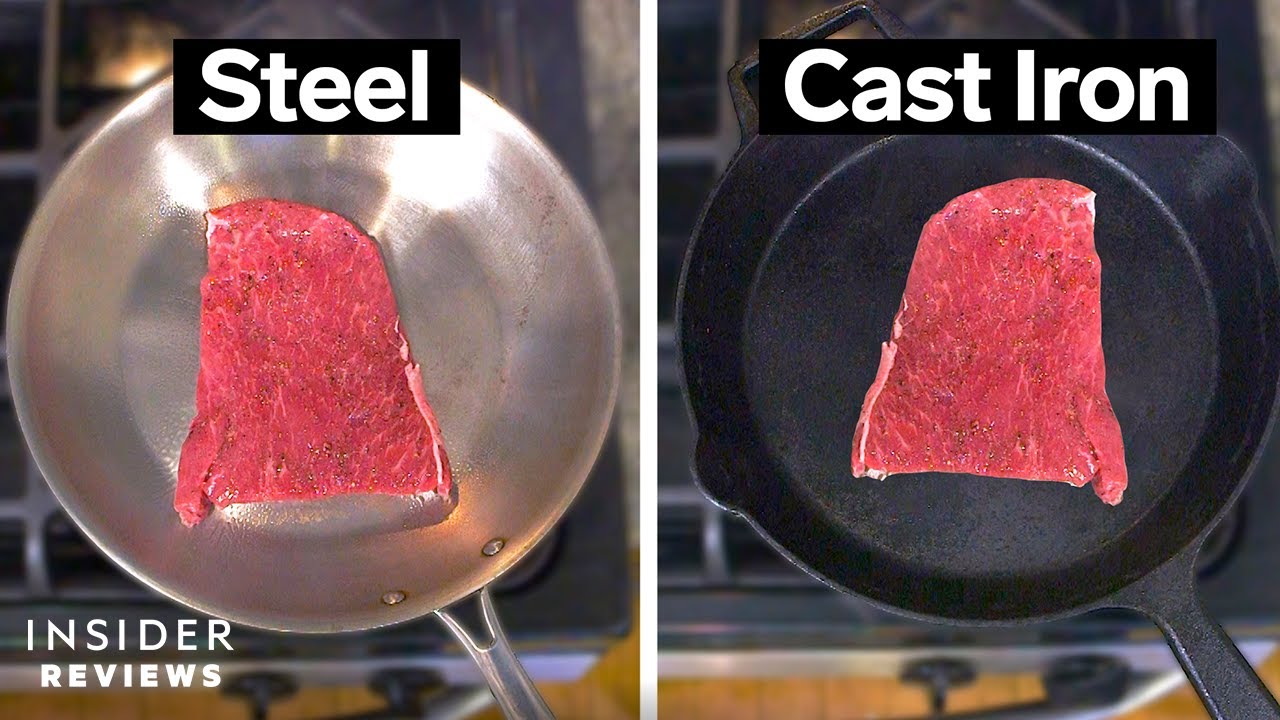
Cast iron pans have been around for centuries, and there's a reason they're still beloved by home cooks and professional chefs alike. These pans are made from iron that's been molded into shape, creating a naturally non-stick surface when properly seasoned. The seasoning process—building up layers of oil that bond to the iron—creates that iconic dark patina that gets better with time.
What makes cast iron pans so special is their incredible heat retention. Once they reach the right temperature, they stay hot and distribute that heat evenly across the cooking surface. I've found that cast iron pans are perfect for searing meats, baking cornbread, or making skillet desserts. They also last forever if you treat them right—my grandmother's cast iron pan is over 50 years old and still performs beautifully.
The maintenance of cast iron pans requires some effort though. You'll need to hand wash them, dry them immediately, and apply a light coating of oil to prevent rust. If you forget and find rust spots, don't worry—they're easily removable with a little elbow grease and vinegar.
Exploring Stainless Steel Pans
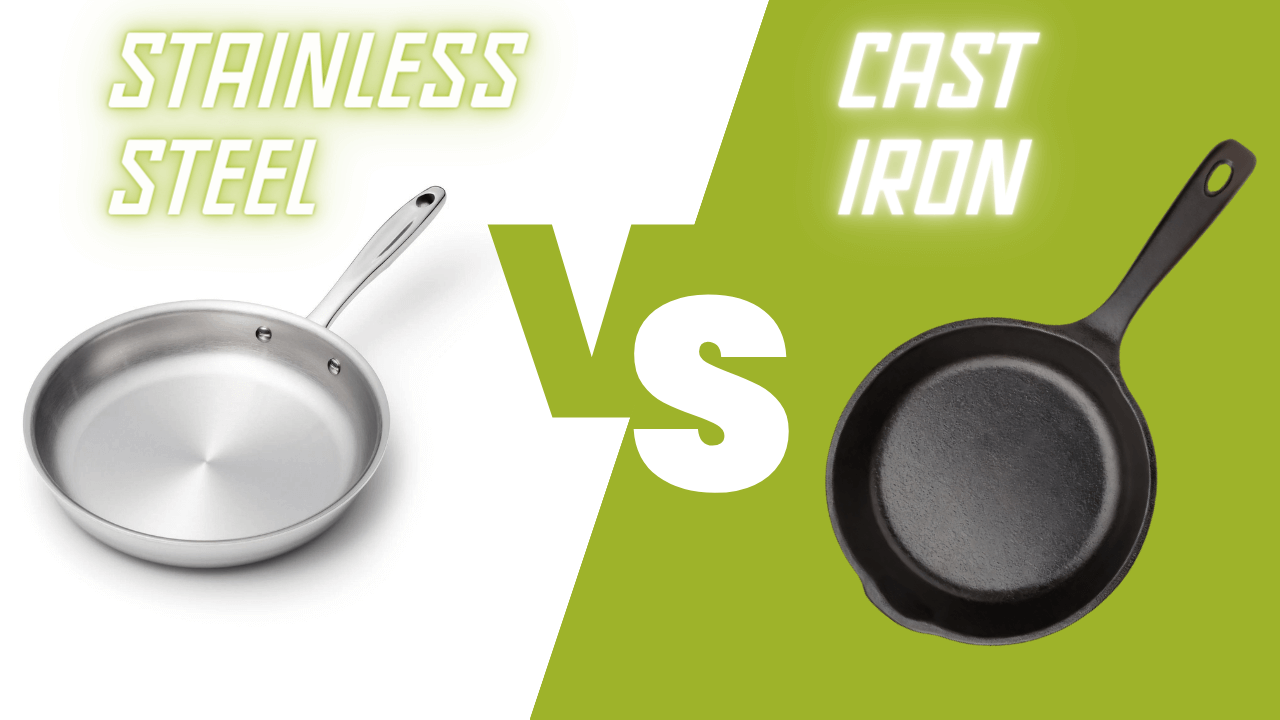
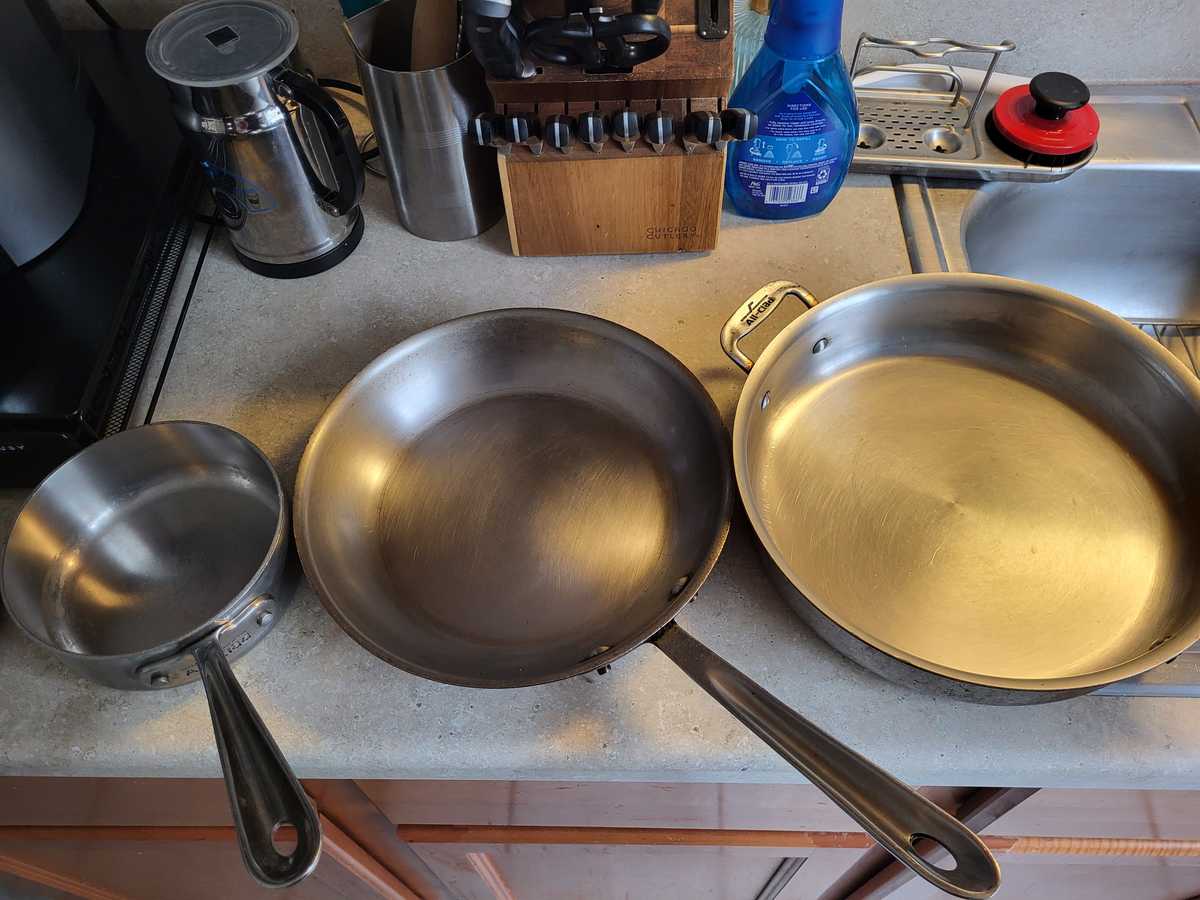
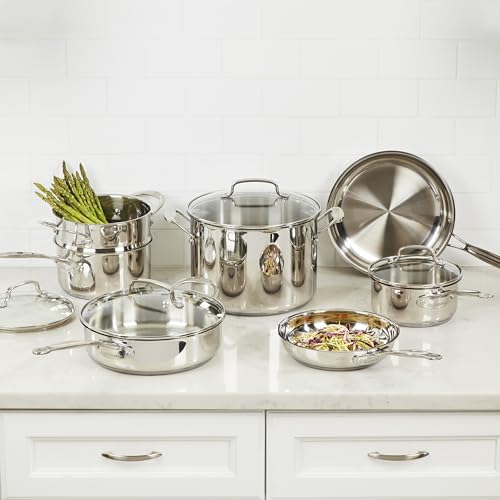
Stainless steel pans represent modern convenience and durability. Made from a steel alloy containing chromium and nickel, these pans are resistant to rust, staining, and corrosion. Unlike cast iron, stainless steel pans require minimal maintenance—you can throw them in the dishwasher without worry.
The appeal of stainless steel pans lies in their versatility and ease of care. They perform well for sautéing, simmering sauces, and cooking foods with acidic ingredients like tomatoes or vinegar without damaging the pan's surface. Stainless steel pans also heat up quickly and cool down fast, giving you better control during cooking.
However, stainless steel pans don't retain heat quite like cast iron does. They also require a bit of technique to prevent food from sticking—proper preheating and using enough fat in the pan makes a huge difference. After using both regularly, I find stainless steel pans shine when you need quick cooking and easy cleanup, especially during busy weeknights.

Heat Retention and Distribution
When comparing cast iron versus stainless steel pans, heat performance is often the deciding factor. Cast iron pans excel at holding heat and maintaining consistent temperatures throughout cooking. Once heated, they keep that warmth remarkably well, which is why they're fantastic for searing steaks or maintaining consistent temperatures for long cooking times.
Stainless steel pans, while they heat up faster, don't hold heat quite as effectively as cast iron. They're more responsive to temperature changes, which actually makes them better for certain cooking techniques where you need quick adjustments. The difference matters most when you're working with high-heat cooking methods that require sustained temperatures.
In practical terms, if you're planning to sear a thick cut of meat or cook something that needs consistent heat, cast iron wins. But if you're making a delicate sauce that requires frequent temperature adjustments, stainless steel's responsiveness becomes an advantage.
Non-Stick Properties and Surface
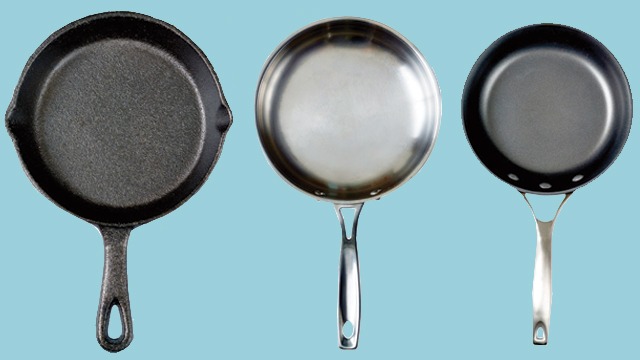
The non-stick quality of cookware significantly impacts your cooking experience. Cast iron pans develop a natural non-stick seasoning over time. With proper care, this seasoning builds up into a smooth, slick surface that rivals modern non-stick coatings. The beauty of cast iron's seasoning is that it can always be restored if it gets damaged.
Stainless steel pans aren't naturally non-stick, but they're not meant to be. Instead, they rely on proper technique—preheating the pan, using adequate oil or butter, and understanding when to flip your food. Many stainless steel pans also come with aluminum or copper cores that improve heat distribution and can reduce sticking issues.
From my experience, cast iron's seasoning is superior for certain cooking tasks like cooking eggs or delicate fish. However, if you prioritize convenience and consistent results without fussing over maintenance, stainless steel's straightforward approach is refreshing. Neither surface requires modern non-stick coatings that can chip or wear off over time.
Durability and Longevity
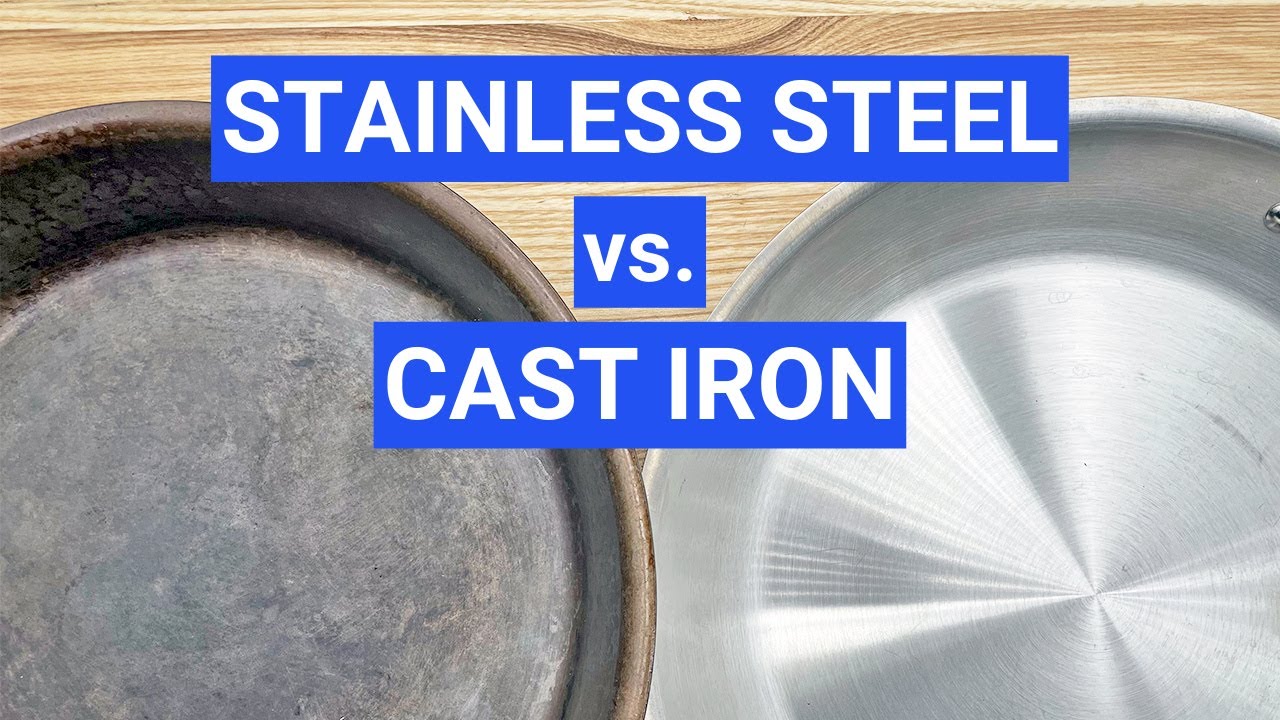
When investing in cookware, durability matters. Cast iron pans are virtually indestructible if properly cared for. They can withstand extreme temperatures, direct flame on a stovetop, and even oven use at high temperatures. A quality cast iron pan can last generations, becoming a cherished heirloom piece.
Stainless steel pans are also durable and resistant to damage. They won't rust, chip, or crack under normal cooking conditions. The main longevity concern with stainless steel involves the handles and any non-stainless components that might loosen over time with regular use.
The durability comparison really comes down to maintenance philosophy. Cast iron requires respect and proper care to prevent rust, but when you treat it well, it's nearly impossible to destroy. Stainless steel requires less vigilance and forgives neglect better, making it more forgiving for everyday cooking.

Maintenance and Care Requirements
Understanding the maintenance needs of cast iron versus stainless steel pans helps you choose based on your lifestyle. Cast iron pans require immediate hand washing after use—never use the dishwasher. You'll need to dry them completely with a towel and apply a thin layer of oil to prevent rust. This routine becomes second nature once you get used to it, and many people find it meditative.
Stainless steel pans are remarkably low-maintenance by comparison. You can wash them in hot soapy water, scrub them with abrasive sponges without worry, and even place them in the dishwasher. For stubborn food buildup, stainless steel can handle vigorous scrubbing that would damage other cookware.
The maintenance difference is significant if you're someone who values simplicity. If you enjoy caring for your cookware and don't mind the extra steps, cast iron's ritual is rewarding. If you want cookware that fits seamlessly into a busy lifestyle, stainless steel's minimal care is valuable.
Cooking Performance Differences
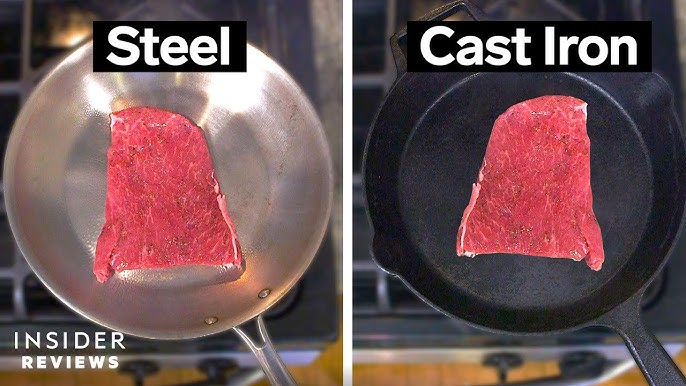
The cooking performance of cast iron versus stainless steel pans reveals why many kitchens benefit from having both. Cast iron excels at high-heat cooking where sustained temperatures matter. It's your best choice for developing a beautiful crust on a steak, making crispy fried chicken, or baking cornbread in the oven.
Stainless steel pans perform better for stovetop cooking that requires precise temperature control. They're ideal for making pan sauces, simmering delicate foods, and cooking with acidic ingredients. Stainless steel also works beautifully for recipes where you need responsive heat adjustment throughout the cooking process.
In my kitchen, I use cast iron when I want to develop deep flavors through high-heat searing, and I reach for stainless steel when I need finesse and control. The best approach isn't choosing one over the other—it's recognizing when each pan's strengths shine brightest.
Compatibility with Different Cooking Surfaces
Where you cook matters when choosing between cast iron and stainless steel pans. Cast iron pans work on all stovetop types—gas, electric, induction, and even open flame. They're equally at home on a campfire, in an oven, or on a modern cooktop, making them incredibly versatile for different cooking environments.
Stainless steel pans also work on all stovetop types, and many modern stainless steel pans have magnetic bases specifically designed for induction cooktops. They offer consistent performance across different heat sources without the learning curve that cast iron sometimes requires.
The stovetop compatibility factor is less of a deciding issue today since both work everywhere. However, if you frequently cook over open flames or travel and cook in different environments, cast iron's rugged versatility is noteworthy.
Health and Safety Considerations
Health concerns occasionally arise when choosing cookware. Cast iron pans can leach small amounts of iron into food, especially with acidic ingredients. For most people, this is actually beneficial, providing additional dietary iron. However, individuals with iron overload conditions should consult their doctors about using cast iron regularly.
Stainless steel pans are inert and don't leach metals into food under normal cooking conditions. They're considered among the safest cookware options available. The chromium and nickel in stainless steel are food-grade and won't harm you in typical cooking scenarios, though people with severe nickel allergies should be aware.
Both cast iron versus stainless steel pans are safe choices for everyday cooking. The iron leaching from cast iron is minimal and beneficial for many people, while stainless steel's stability offers peace of mind for those concerned about material transfer to food.
Cost and Value Comparison
Budget often influences cookware decisions. Quality cast iron pans are relatively affordable, especially considering their longevity. A good cast iron pan costs between fifteen and fifty dollars, making it an accessible investment that literally lasts a lifetime. Premium vintage or artisan cast iron can cost more, but basic cast iron remains budget-friendly.
Stainless steel pans typically cost more upfront, ranging from thirty to over a hundred dollars for quality options. However, since they don't require seasoning or special maintenance, you get more years of worry-free cooking before considering replacement.
When evaluating cost, consider total ownership experience. Cast iron's low initial cost and incredible longevity make it exceptional value. Stainless steel's higher upfront cost is balanced by minimal maintenance and fewer potential issues down the road. Neither option will drain your budget compared to other cookware styles.
Best Uses for Cast Iron Pans
Understanding when to use cast iron versus stainless steel pans helps you cook more successfully. Cast iron pans shine for searing steaks, creating crispy skin on chicken, baking cornbread and skillet desserts, cooking cast iron-style recipes, and developing fond for pan sauces. The sustained heat and heat distribution make cast iron perfect for techniques requiring even browning.
Cast iron is also your choice for oven cooking where you need cookware that transitions seamlessly from stovetop to oven. Dutch oven stews, frittatas, and baked pasta dishes all benefit from cast iron's heat retention and even cooking properties. Using cast iron for these applications showcases why it's remained a kitchen staple for generations.
I frequently recommend cast iron for anyone wanting to develop better cooking skills because the pan teaches you about heat management and food development through visual feedback.
Best Uses for Stainless Steel Pans
Stainless steel pans excel in different cooking scenarios than cast iron. They're ideal for making delicate pan sauces, simmering acidic foods like tomato-based dishes, sautéing vegetables quickly, and cooking multiple dishes in succession. The responsive heat and quick cooling make stainless steel perfect for cooking that requires constant adjustment.
Stainless steel pans are also your choice when cooking with tomato sauce, citrus, wine, or vinegar-based ingredients. These acidic foods can damage cast iron seasoning over time, but stainless steel handles them without concern. Stainless steel also shines for everyday cooking where minimal maintenance matters, such as busy weeknight dinners.
For anyone who values simplicity and wants cookware that never requires special attention, stainless steel pans deliver the performance and reliability that make cooking enjoyable without adding complexity.
Seasoning Explained
Seasoning is what makes cast iron special, but it's often misunderstood. Seasoning isn't something you do once—it's a continuous process of building layers of polymerized oil on the cast iron's surface. Each time you cook with fat or oil in your cast iron pan, you're adding to the seasoning.
To season cast iron properly, wash the pan after use, dry it thoroughly, and apply a very thin coat of oil while it's still warm. Wipe away excess oil with a paper towel—too much oil creates a sticky surface rather than a smooth seasoning layer. Over months and years, these layers build into that gorgeous dark patina.
I've found that the best seasoning comes from regular cooking with adequate fat, not from trying to build seasoning artificially. Every time you cook bacon, sear a steak, or make cornbread, you're naturally improving your cast iron's seasoning. It's a beautiful example of how the more you use cast iron, the better it becomes.
Cleaning and Washing Methods
Cleaning cast iron versus stainless steel pans requires different approaches. For cast iron, hand wash immediately with hot water and a brush or cloth—never soak it. Use mild soap sparingly and avoid harsh abrasive scrubbers that remove seasoning. For stuck-on food, use a paste of salt and oil to gently remove buildup while preserving seasoning.
Stainless steel pans tolerate aggressive washing. You can use dishwashers, soak them overnight, scrub them with steel wool, and use harsh cleaners without damage. For best results, hand washing with hot soapy water and a regular sponge keeps stainless steel looking beautiful.
The cleaning difference represents different philosophies. Cast iron rewards gentle care by becoming better over time, while stainless steel forgives rough treatment and bounces back without issues.
Rust Prevention for Cast Iron
Rust prevention is the primary concern when maintaining cast iron versus stainless steel pans. Cast iron rusts when exposed to moisture without protective oil coating. Prevention involves drying the pan completely after washing and maintaining a protective oil layer. If rust does appear, you can remove it with vinegar, a scrub brush, and elbow grease, then re-season the pan.
Stainless steel doesn't rust under normal conditions, eliminating this concern entirely. The chromium in stainless steel creates a protective oxide layer that resists corrosion naturally. This rust-free guarantee is one of stainless steel's major advantages for people who worry about cookware maintenance.
While rust sounds intimidating, it's easily managed with basic care habits. Cast iron's vulnerability to rust is actually its only significant maintenance challenge, and once you understand the solution, it's no longer an issue.
Weight and Handling
Cast iron pans are noticeably heavier than stainless steel pans of similar size. This weight contributes to heat retention but makes handling more demanding, especially for people with strength limitations. A twelve-inch cast iron skillet weighs around five pounds, while a comparable stainless steel pan weighs two to three pounds.
The weight difference affects cooking comfort during extended sessions. Some people enjoy cast iron's substantial feel, while others find it tiring. If you cook frequently for large groups or have physical concerns, stainless steel's lighter weight might matter more than you initially think.
Personally, I appreciate cast iron's weight for stability when searing steaks, but I reach for stainless steel when I'm cooking multiple dishes and need to move pans frequently throughout my cooking session.
Aesthetic and Kitchen Design
Both cast iron and stainless steel pans offer distinct aesthetic appeal that influences kitchen design. Cast iron pans look beautiful hanging from hooks or displayed on open shelving—they're statement pieces that convey tradition and craftsmanship. The dark patina deepens with age, creating cookware that's simultaneously functional and decorative.
Stainless steel pans offer a clean, modern look that works well in contemporary kitchens. They store easily in cabinets or drawers without requiring special display, fitting seamlessly into minimalist kitchen designs. Stainless steel's consistent appearance is neutral rather than decorative.
Your personal aesthetic preference matters more than pure function when deciding between these options. If you love cooking and want your cookware visible and celebrated, cast iron's visual appeal adds to your kitchen's character.
Temperature Control in Different Cooking Scenarios
Temperature control varies between cast iron and stainless steel pans depending on your cooking goals. Cast iron maintains consistent temperatures perfectly, making it ideal for searing where you want sustained high heat. Once you dial in the right temperature, cast iron keeps it steady without fluctuation, which develops better crust and browning on foods.
Stainless steel responds quickly to temperature changes, which is valuable when cooking requires rapid adjustments. If you're making a delicate pan sauce that needs temperature reduction or cooking that requires precise control, stainless steel's responsiveness becomes an advantage.
Understanding these differences helps you choose the right pan for specific recipes. For straightforward high-heat cooking, cast iron wins. For complex cooking requiring constant adjustments, stainless steel excels.
Common Mistakes When Using Cast Iron
Many people damage their cast iron through preventable mistakes. The most common error is leaving cast iron wet or soaking it, which causes rust. Other mistakes include cooking acidic foods in unseasoned cast iron (which removes seasoning), using soap excessively, or overheating the pan to the point of damaging the seasoning layer.
Another frequent mistake is assuming cast iron can't cook certain foods well. With proper seasoning and technique, cast iron handles everything from delicate eggs to acidic tomato sauce. The key is understanding that acidic foods temporarily damage the seasoning but don't permanently harm the pan.
I've made all these mistakes myself and learned that cast iron is forgiving. Most problems are easily corrected through re-seasoning or adjusting technique. The learning curve is minimal if you approach cast iron with patience and curiosity.
Common Mistakes When Using Stainless Steel
While stainless steel is forgiving, certain mistakes reduce cooking success. The most common error is not preheating the pan properly before cooking, which leads to sticking. Stainless steel requires slightly different technique than non-stick pans—you need proper temperature and adequate fat to prevent adhesion.
Another mistake is using stainless steel pans without understanding that they're not naturally non-stick. Many people give up on stainless steel after one bad experience with stuck food, not realizing the issue is technique rather than pan quality. Learning to preheat, use fat effectively, and recognize when food is ready to flip transforms stainless steel performance.
Overcrowding the pan and lowering temperatures too quickly are other common issues that prevent proper browning. Stainless steel rewards understanding and technique—it's not forgiving in the way that non-stick pans are, but it's incredibly reliable once you learn its preferences.
Frequently Asked Questions
What's the main difference between cast iron and stainless steel pans?
Cast iron pans retain heat exceptionally well and develop natural seasoning over time, while stainless steel pans offer low maintenance and work well with acidic ingredients. Cast iron requires hand washing and oil maintenance, whereas stainless steel can go in the dishwasher without concern. Your choice depends on whether you prioritize heat retention or convenience.
Can you use cast iron on an induction cooktop?
Yes, cast iron works perfectly on induction cooktops because iron is magnetic. Stainless steel also works on induction if it has a magnetic base, though not all stainless steel is magnetic. Both are excellent choices for induction cooking without requiring special adaptation.
Is cast iron safe for cooking acidic foods?
Acidic foods like tomatoes, vinegar, and citrus temporarily damage cast iron seasoning but don't harm the pan permanently. Stainless steel handles acidic foods better because it's not affected by chemical reactions. If you cook acidic foods regularly, stainless steel is a better choice, or reserve cast iron for non-acidic cooking.
How long does it take to season cast iron?
Building a strong seasoning takes weeks to months of regular cooking with fat, though you can speed the process through oven seasoning methods. The seasoning process is continuous—every time you cook with oil, you're adding to it. Even new cast iron performs reasonably well after a few uses if you cook with fat.
Can you put cast iron and stainless steel pans in the dishwasher?
Cast iron should never go in the dishwasher as water and harsh detergents cause rust. Stainless steel pans are completely safe in the dishwasher and often benefit from the thorough cleaning. If you prioritize dishwasher convenience, stainless steel is the clear choice.
Which pan is better for beginners?
Stainless steel is often easier for beginners because it requires less maintenance and forgives some cooking mistakes. However, cast iron is also beginner-friendly if you're willing to learn proper care and technique. Start with whichever matches your cooking style and comfort level with maintenance.
Conclusion
The choice between cast iron and stainless steel pans isn't about finding the objectively better option—it's about matching cookware to your cooking style, lifestyle, and preferences. Cast iron offers unmatched heat retention, longevity, and the satisfaction of building seasoning over time, though it requires dedicated maintenance and hand washing. Stainless steel provides convenience, low maintenance, and reliable performance without special care, making it perfect for busy cooks who want simplicity.
The truth is that many experienced cooks benefit from having both types of pans in their kitchen. Use cast iron when you want sustained heat and beautiful browning, and reach for stainless steel when you need quick cooking and easy cleanup. Start with whichever aligns better with your current lifestyle, then gradually build your collection as your cooking skills develop.
If cast iron appeals to you, invest in a quality option and commit to learning proper care—the reward is cookware that serves you for decades. If stainless steel resonates more, choose a reputable brand and enjoy years of cooking without worrying about maintenance. Either way, you're investing in cookware that will enhance your cooking and last far longer than cheaper alternatives. Start with one quality pan, master its strengths, and let your cooking experience guide future purchases.

Leave a Reply