
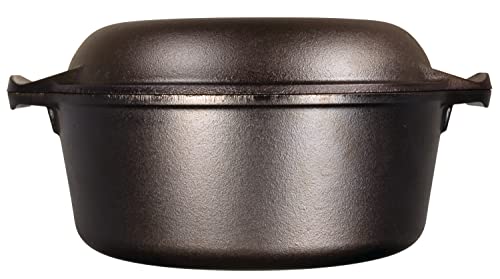
Both are great: cast iron for heat and searing, ceramic for easy cleanup and gentle cooking.
I remember standing over a hot stove, deciding between my heavy skillet and a shiny ceramic pan. Both solved different kitchen problems. Cast iron gave me crusty steaks and long, even heat. Ceramic made eggs and sauces effortless and cleanup quick. I tested both across weeks to compare cast iron vs ceramic cookware and will share hands-on findings to help you pick what fits your kitchen and cooking style.
Is Cast Iron Good?
Yes — for many home cooks. Cast iron shines if you want strong heat, long life, and the kind of browning that makes simple food sing. It is ideal for people who like to sear, roast, and transfer pans from stovetop to oven. If you love tactile cookware and don’t mind a little upkeep, cast iron will reward you.
I’ve used cast iron for years. One fall evening I seared pork chops on high, slid the pan into the oven, and the crust was perfect. Another time, I cooked cornbread directly in the dutch oven on a campfire. Both times the pan’s heat and weight made the results reliably good. My experience shows cast iron is a workhorse for bold, high-heat cooking in the cast iron vs ceramic cookware debate.

What Makes It Stand Out / Key Features
- Excellent heat retention for even searing and steady oven use.
- Works on stovetop, oven, grill, and campfire.
- Pre-seasoned surface develops a natural nonstick patina.
- Very durable — can last generations with care.
- Free of nonstick chemicals (PFAS-free) and sturdy cast construction.
What I Like
- Deep, even browning on meats and vegetables.
- Versatility — from frying to baking to camping.
- Feels solid and reliable when cooking heavy-duty meals.
- Patina improves with use; it gets better over time.
- Simple materials — no toxic coatings to worry about.
What Could Be Better
- Heavy — can be awkward to lift when full.
- Needs seasoning and careful drying to prevent rust.
- Not ideal for quick, delicate foods like soft eggs unless well-seasoned.
My Recommendation
If you sear, roast, or bake often and want a tool that lasts decades, pick cast iron. It’s widely available and offers great value.
| Best For | Why |
|---|---|
| High-heat searing | Superior heat retention and even browning. |
| Oven-to-table meals | Durable and oven-safe at high temps. |
| Outdoor cooking | Handles campfire and grill use well. |
Is Ceramic Cookware Good?
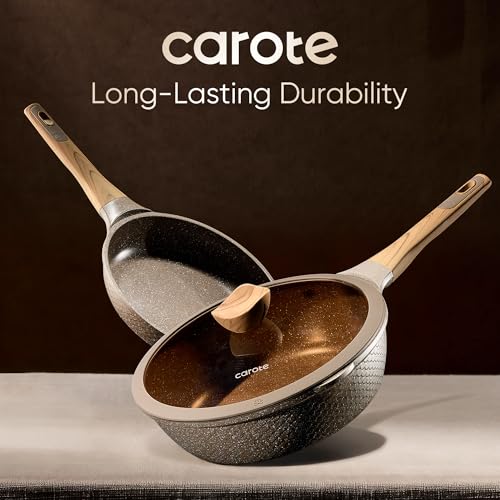
It depends on what you cook. Ceramic cookware excels at gentle, low-to-medium heat cooking, nonstick performance for eggs and pancakes, and easy cleanup. It’s great for everyday meals, and for cooks who prefer toss-and-wipe convenience over seasoning rituals.
I tested ceramic pans for a few weeks. I made delicate omelets every morning. The food slid right out and cleanup was quick. I also simmered tomato sauce and didn’t get any metallic taste. In the cast iron vs ceramic cookware back-and-forth, ceramic often won for ease. When I needed intense sear or oven-browning, though, I reached for cast iron.

What Makes It Stand Out / Key Features
- Nonstick ceramic coating for easy release and cleaning.
- Low to medium heat performance suitable for everyday cooking.
- Often lighter and easier to handle than cast iron.
- PFAS-free, marketed as a healthier nonstick option.
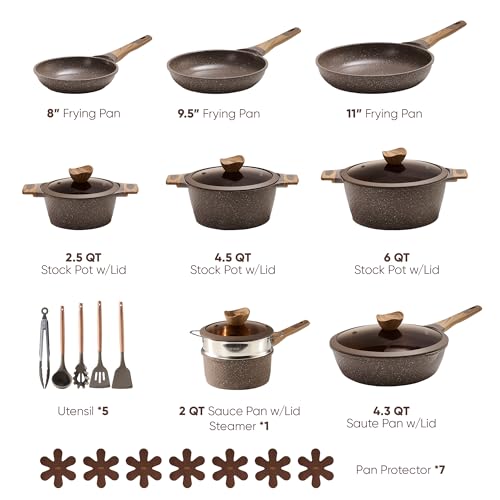
- Usually comes as multi-piece sets for full kitchen coverage.
What I Like
- Quick, near-no-scrub cleanup after eggs and sauces.
- Light and easy to lift when full.
- Gentle on delicate foods — little sticking when used correctly.
- Great for low-fat cooking with less oil.
- Modern designs and colorful finishes look nice on the stove.
What Could Be Better
- Nonstick coating can wear over time and may chip if mishandled.
- Not as good for high-heat searing or heavy oven use.
- Some brands may lose nonstick performance after months of heavy use.
My Recommendation
Choose ceramic cookware for low-to-medium heat daily cooking and easy cleanup. Good value in multi-piece sets for families.
| Best For | Why |
|---|---|
| Eggs & pancakes | Smooth nonstick surface for delicate foods. |
| Daily stovetop meals | Lightweight and easy to maintain. |
| Low-fat cooking | Requires less oil to prevent sticking. |
cast iron vs ceramic cookware: Side-by-Side Test
I ran both through a simple set of tests. I compared how they sear, hold heat, clean up, and fit into daily life. Below are my practical notes from real cooking sessions.
Cooking Functions: Which One Does More?
Here I list common cooking tasks and whether each pan handles them well.
| Function | Cast Iron | Ceramic |
|---|---|---|
| High-heat searing | Excellent | Fair (may damage coating) |
| Oven baking | Excellent | Limited (check temp limits) |
| Nonstick quick jobs | Good when well-seasoned | Excellent |
| Outdoor grill/camp | Excellent | Poor |
Cast Iron – 9/10 | Ceramic – 7/10
“Cast iron wins for heavy-duty cooking; ceramic wins for everyday nonstick tasks.”
Heat Retention & Distribution: Who Holds Heat Better?
How long each stays hot and how evenly it cooks.
| Aspect | Cast Iron | Ceramic |
|---|---|---|
| Initial heat-up | Slower | Faster |
| Heat hold | Excellent | Moderate |
| Evenness | Very even | Good |
| Heat shocks | Tolerant | Sensitive |
Cast Iron – 9/10 | Ceramic – 7/10
“Cast iron keeps and spreads heat better; ceramic warms quickly but loses heat faster.”
Ease of Use & Maintenance: Which Is Easier Day-to-Day?
Simple handling, cleaning, and care for daily cooks.
| Task | Cast Iron | Ceramic |
|---|---|---|
| Cleaning | Rinse & dry; scrub soot | Easy wipe clean |
| Care needs | Seasoning required | Low care |
| Weight | Heavy | Light |
| Storage | Bulky | Space-friendly |
Cast Iron – 7/10 | Ceramic – 9/10
“Ceramic is easier for daily life; cast iron needs care but repays with performance.”
Durability & Longevity: Which Lasts Longer?
How well each holds up over years of use.
| Issue | Cast Iron | Ceramic |
|---|---|---|
| Scratches/chips | Rare | Possible over time |
| Lifespan | Decades | Years with care |
| Repairability | Reseasoning possible | Limited |
| Resistance to abuse | High | Moderate |
Cast Iron – 10/10 | Ceramic – 7/10
“Cast iron lasts far longer; ceramic needs gentler use to remain at peak performance.”
Health & Safety: Which Is Safer to Cook With?
Concerns about coatings, leaching, and food contact.
| Concern | Cast Iron | Ceramic |
|---|---|---|
| Chemical coatings | None (seasoning) | Ceramic — usually PFAS-free |
| Metal leaching | Small iron leach — can boost iron intake | Minimal if coating intact |
| Safe at high temps | Yes | Depends on coating limits |
| Food reactivity | Acidic foods can remove seasoning | Nonreactive |
Cast Iron – 8/10 | Ceramic – 8/10
“Both are safe when used properly: cast iron has no chemical coating, ceramic avoids PFAS when quality-made.”
Speed & Results: How Fast and Reliable?
Turnaround time and consistency of cooked food.
| Measure | Cast Iron | Ceramic |
|---|---|---|
| Preheat time | Longer | Short |
| Cooking speed | Slower to heat but steady | Faster response |
| Consistency | Very consistent | Consistent if cared for |
| Predictability for repeat dishes | High | Moderate |
Cast Iron – 8/10 | Ceramic – 8/10
“Ceramic is quicker to start; cast iron gives steady, repeatable results once hot.”
Value for Money: Which Gives More Bang for Buck?
Cost versus performance and lifespan.
| Factor | Cast Iron | Ceramic |
|---|---|---|
| Initial cost | Moderate | Low to moderate |
| Lifespan vs cost | Excellent (decades) | Good (years) |
| Replacement frequency | Rare | Occasional |
| Overall value | High | Good |
Cast Iron – 9/10 | Ceramic – 7/10
“Cast iron wins long-term value; ceramic is budget-friendly short-term and convenient.”
Final Verdict: Which Should You Buy?
Cast iron is best for serious searing, oven cooking, outdoor use, and durability. If you want one pan to last decades and handle tough heat, buy cast iron. I rely on cast iron when I want depth of flavor and consistent browning.
Ceramic cookware is best for light, everyday cooking, easy cleanup, and low-fat meals. Buy ceramic if you want quick, gentle cooking and minimal fuss. For many kitchens, owning both covers every need in the cast iron vs ceramic cookware mix.
FAQs Of cast iron vs ceramic cookware
Which is better for searing: cast iron or ceramic?
Cast iron. It holds high heat and makes a better crust. Ceramic can brown, but it struggles at very high temps and risks coating damage.
Is ceramic safer than cast iron?
Both are safe. Cast iron has no synthetic coatings. Ceramic is typically PFAS-free. Use each within its care limits to stay safe.
Which is easier to clean daily?
Ceramic is easier to clean. It wipes and rinses quickly. Cast iron needs rinsing, drying, and occasional reseasoning.
Do ceramic pans last as long as cast iron?
No. Ceramic can perform well for years, but cast iron can last decades with minimal upkeep.
Should I own both cast iron and ceramic?
Yes, if you cook a range of meals. I keep both. They complement each other: cast iron for heavy-duty jobs, ceramic for light, fast cooking.

Leave a Reply