
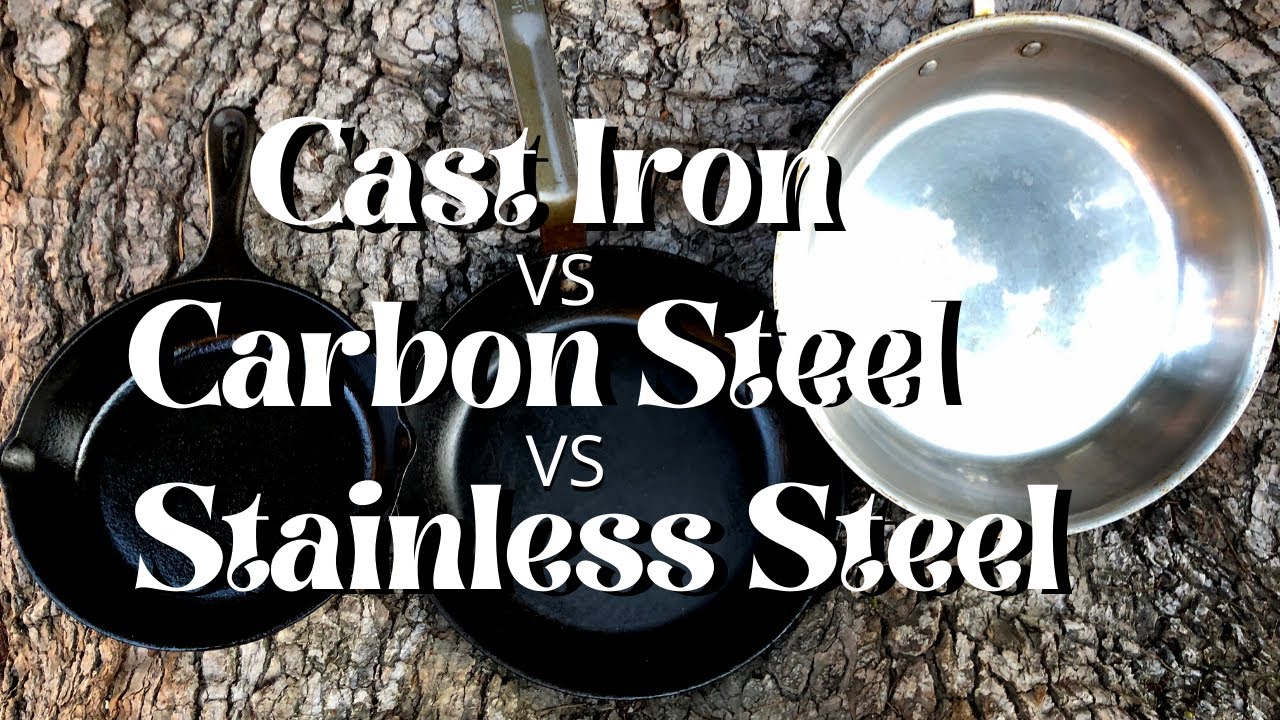
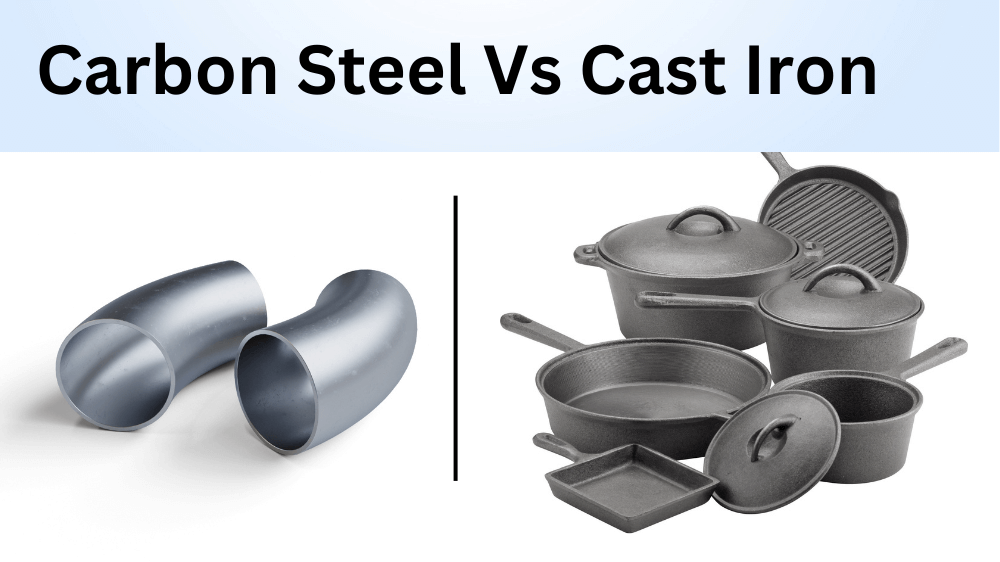
Cast iron and carbon steel are both excellent cookware options, but they differ in composition, maintenance, and performance. If you're standing in a kitchen store wondering which pan will become your most trusted cooking companion, you've landed in the right place. The debate between cast iron versus carbon steel has confused home cooks and professional chefs alike for years, and it's time to settle this once and for all.
I've spent countless hours flipping pancakes, searing steaks, and perfecting stir-fries in both cast iron and carbon steel pans. Through real kitchen experience, I've learned that choosing between these two isn't about picking a winner—it's about understanding which one fits your cooking style, lifestyle, and kitchen needs. Both materials have earned their place in serious kitchens around the world, and understanding their unique strengths will help you make a choice you won't regret.

What Are Cast Iron and Carbon Steel?
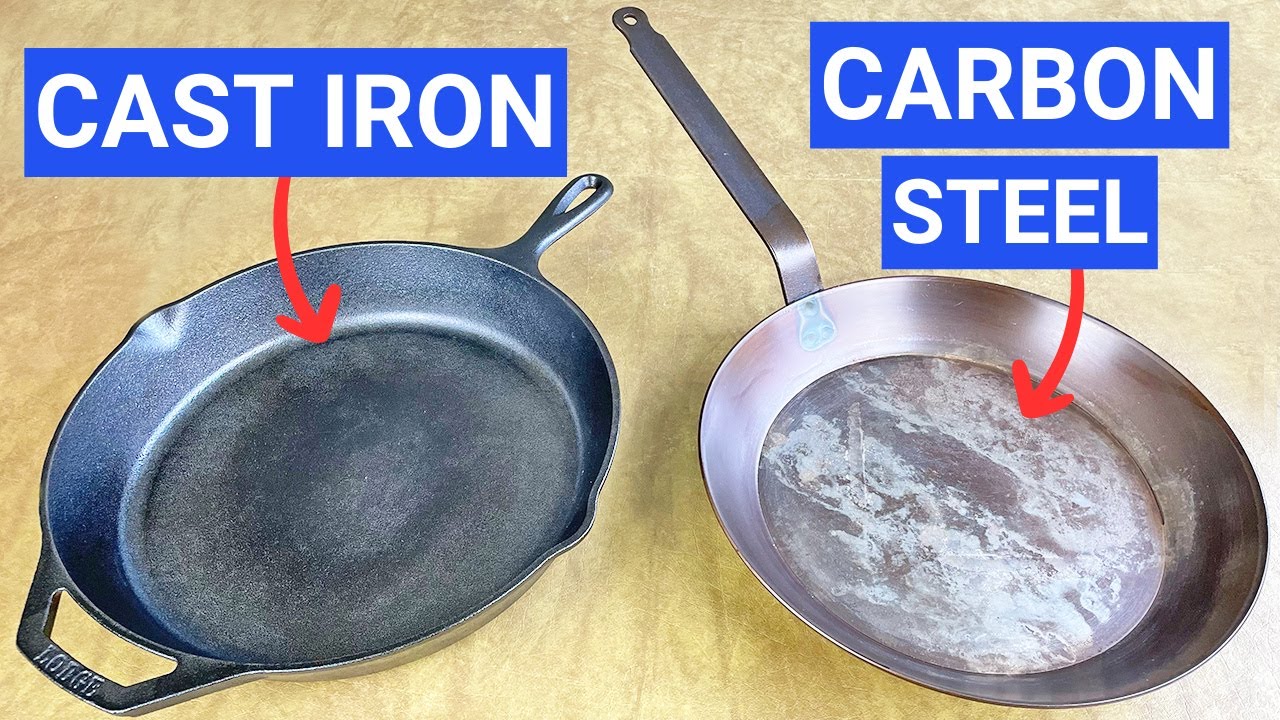
Cast iron is a cookware material made by pouring molten iron into molds, creating a thick, heavy pan with a porous surface structure. The material contains about 2-3% carbon, which gives it its characteristic properties. Carbon steel, on the other hand, is made by heating and rolling steel sheets, resulting in a thinner, lighter pan with a smoother initial surface. It typically contains less than 1% carbon, making it a leaner alloy compared to its cast iron cousin.
The fundamental difference lies in how these materials are manufactured and their resulting physical characteristics. Cast iron's manufacturing process creates microscopic pits and valleys on its surface, while carbon steel starts with a comparatively smoother finish. This distinction affects everything from how quickly they heat up to how they respond to seasoning and daily use.
I remember my first cast iron skillet—it felt like holding a piece of history. The weight was substantial, almost reassuring in my hands. My first carbon steel pan, by contrast, felt nimble and responsive. Both feelings were valid because both materials deliver different experiences in the kitchen.
Key Differences Between Cast Iron and Carbon Steel
Understanding cast iron versus carbon steel means examining several important factors that impact your cooking experience. Let me break down the main differences in a way that makes sense for real kitchen life.
Weight and Handling
Cast iron pans are significantly heavier than their carbon steel counterparts. A typical 10-inch cast iron skillet weighs around 4-5 pounds, while a similarly sized carbon steel pan weighs closer to 2-3 pounds. This weight difference matters when you're cooking regularly, especially if you have wrist issues or arthritis. Carbon steel's lighter construction makes it ideal for high-heat wok cooking, quick tosses, and prolonged stovetop work where arm fatigue becomes a real concern.
The weight of cast iron, however, provides excellent heat distribution and retention. When you're searing a thick steak or slow-cooking a pot of chili, that mass works in your favor. I've noticed that my cast iron pan maintains consistent heat even when I add cold ingredients, while my carbon steel requires slightly more attention to temperature management.
Heat Distribution and Retention
Both materials distribute heat well, but cast iron's superior heat retention means your pan stays hot longer after you remove it from the stove. This is particularly useful for keeping food warm at the table or when cooking multiple batches. Carbon steel heats up faster and cools down more quickly, giving you more immediate control over cooking temperature.
In practical terms, if you're searing meats or vegetables and want consistent crust development, cast iron's steady heat is your ally. If you're making a delicate pan sauce that requires precise temperature control, carbon steel's responsiveness becomes advantageous. I've found that cast iron excels at maintaining high heat for extended periods, while carbon steel adapts faster to temperature changes.
Seasoning and Maintenance
This is where cast iron versus carbon steel diverges most noticeably. Both materials benefit from seasoning—a process that builds a non-stick surface over time. Cast iron's porous surface absorbs and holds oil, creating a more forgiving seasoning layer. You can be somewhat casual about maintenance, and cast iron still performs well.
Carbon steel requires more consistent seasoning maintenance because its smoother surface doesn't hold seasoning as aggressively. However, once you establish a proper seasoning on carbon steel, it often becomes non-stick faster than cast iron. The trade-off is that carbon steel demands more attention if you want to maintain that seasoning layer.
From my experience, cast iron is more forgiving for busy cooks who occasionally wash with soap or forget to dry the pan immediately. Carbon steel is ideal for cooks who enjoy the ritual of maintenance and want a pan that responds to careful treatment with exceptional performance.
Cooking Surface Texture
Cast iron's rough, porous surface is distinctive—it's textured and can feel almost sandpapery to touch when unseasoned. This texture is part of cast iron's charm, but it can trap food particles and requires thorough cleaning. Carbon steel has a smoother initial surface that becomes even more refined through use and seasoning.
The texture difference affects how food cooks. Lighter foods like fish or eggs can stick more easily to unseasoned cast iron due to the uneven surface. Carbon steel's smoother surface tends to be gentler on delicate ingredients, though proper seasoning on either material solves this problem.

Heat Conductivity and Performance Comparison
When we talk about cast iron versus carbon steel from a performance standpoint, heat conductivity becomes crucial. Both materials conduct heat adequately, but they do so differently. Cast iron conducts heat somewhat slowly, which means it takes longer to preheat but maintains consistent temperatures once heated.
Carbon steel conducts heat slightly faster than cast iron, reaching your desired temperature more quickly. This makes carbon steel particularly popular for professional kitchens where speed and responsiveness matter. However, this faster heating also means you need to watch the pan more closely to avoid hot spots or scorching.
I've noticed that my cast iron skillet reaches cooking temperature in about 3-4 minutes over medium-high heat, while my carbon steel gets there in roughly 2-3 minutes. That 1-2 minute difference adds up when you're juggling multiple dishes. For everyday cooking, carbon steel's speed advantage is genuinely convenient.
The heat retention difference is more pronounced. Cast iron retains heat so effectively that you can remove it from the stove and it stays at cooking temperature for several minutes. Carbon steel cools more quickly, which can be an advantage if you're making delicate sauces or cooking items that require temperature control.
Seasoning: Building Non-Stick Performance
Both cast iron and carbon steel rely on seasoning to develop their non-stick properties. Seasoning is essentially building layers of polymerized oil on the cooking surface. Understanding how seasoning works is key to getting the most from either material.
How Seasoning Develops
When you heat oil past its smoke point on a clean metal surface, the oil undergoes chemical changes and bonds to the metal. This creates a hard, plastic-like layer that becomes increasingly non-stick with repeated applications. Cast iron's porous surface naturally traps these layers, building seasoning faster and more forgivingly than carbon steel.
Carbon steel requires more intentional seasoning efforts because its smooth surface doesn't lock in oil as aggressively. You need to be more consistent with your seasoning routine, but the payoff is a sleek, modern-looking surface that develops a beautiful patina over time.
Seasoning Methods
The stovetop method involves wiping a thin layer of oil on the hot pan and letting it smoke briefly, then wiping off excess. This builds seasoning gradually through regular cooking. The oven method involves coating the entire pan with thin oil layers and baking at high temperatures multiple times. The oven method builds seasoning faster but requires planning.
I prefer the stovetop method for regular maintenance because it integrates naturally into my cooking routine. Each time I use cast iron, I'm adding to its seasoning. This passive approach means cast iron gets better with age and use, which feels satisfying.
Maintenance During Cooking
Proper seasoning maintenance during cooking makes the difference between a sticky, food-trapping pan and a genuinely non-stick surface. For cast iron versus carbon steel, the principles are similar: cook fatty foods regularly, avoid excessive scrubbing, and dry the pan thoroughly after washing.
I've learned that cooking bacon, sausage, or fatty cuts of meat is the best seasoning you can do. The fat deposits build and reinforce the seasoning layer naturally. Even just cooking with a bit of butter or oil in everyday dishes contributes to seasoning maintenance.

Cleaning and Care: Daily Practices
How you clean cast iron versus carbon steel matters tremendously for long-term performance. Both materials benefit from prompt, gentle cleaning, but they have different tolerance levels.
Washing Techniques
Cast iron can handle warm soapy water—yes, really! Modern understanding has debunked the myth that soap ruins cast iron. The seasoning layer is tough enough to survive mild soap and warm water. For stubborn stuck-on food, use a paste of coarse salt and a small amount of oil, scrubbing gently with a soft cloth. Avoid harsh scouring pads and steel wool that can damage the seasoning.
Carbon steel requires similar gentle treatment. The key is drying the pan immediately and thoroughly after washing. I dry mine with a clean cloth right away, then set it on a burner on low heat for 30 seconds to ensure complete moisture removal. Carbon steel shows rust more easily than cast iron if moisture lingers, so this extra drying step is important.
Avoiding Damage
Both materials can rust if exposed to moisture for extended periods. Never put them in the dishwasher, never leave them soaking, and never let them air dry. The worst thing you can do is store them wet in a closed cabinet. I've learned this the hard way with an old carbon steel wok that developed rust spots from improper storage.
Acidic foods like tomato sauce, wine, or citrus can temporarily damage seasoning on either material. Occasional use of acidic ingredients is fine, but prolonged cooking of highly acidic foods can strip seasoning. If you plan to cook a tomato-based dish, consider using a different pan or accepting that you'll need to re-season afterward.
Removing Rust
Light surface rust on cast iron or carbon steel isn't a disaster. You can remove it by scrubbing with a paste of baking soda and water, or using a stainless steel scrubber. Once the rust is gone, immediately dry the pan, oil it lightly, and wipe off excess. Then cook with fat-rich foods to rebuild seasoning quickly.
Cost Considerations
Budget matters when choosing between cast iron and carbon steel. Cast iron pans are generally more affordable, with quality cast iron skillets ranging from $20 to $60 for standard sizes. Carbon steel pans typically cost more, ranging from $40 to $100 for comparable sizes. Higher-end options in either category can cost significantly more.
However, cost shouldn't be your only consideration. Both materials last for decades with proper care, so the cost per year of use becomes negligible. I've spent more on a single non-stick pan that lasted two years than on cast iron I've used for fifteen years.
The value equation changes if you factor in longevity. Cast iron can literally last for generations, improving with age. Carbon steel also lasts indefinitely but requires more consistent maintenance to prevent rust. If you plan to use a pan regularly and care for it properly, both represent excellent investments regardless of initial cost.
Cooking Performance in Different Scenarios
Cast iron versus carbon steel shine in different cooking situations. Understanding when to reach for each pan helps you become a more versatile cook.
High-Heat Searing and Browning
Cast iron excels at searing because its massive heat capacity maintains consistent high temperature even when cold protein hits the surface. The thick, stable base creates beautiful browning and crust development. Cast iron is specifically designed for this type of aggressive cooking.
Carbon steel also sears beautifully, though you need to pay closer attention to heat management. The faster heating and cooling means adjusting your technique slightly, but you can definitely achieve excellent results. Carbon steel's lower mass means it recovers from temperature drops slightly slower than cast iron.
Pan-Frying and Sautéing
Both materials work wonderfully for everyday pan-frying and sautéing. Carbon steel's lighter weight and faster heating response make it slightly easier for rapid cooking of vegetables or stir-frying. You can toss and move food more easily in carbon steel without fatigue.
Cast iron's heat retention keeps your vegetables cooking evenly even if you're batch cooking multiple pans. The steady temperature means less adjustment and monitoring once you've reached your target heat.
Baking and Oven Cooking
Both materials go seamlessly from stovetop to oven, making them ideal for dishes that start on the stove and finish in the oven. Cast iron's superior heat retention keeps food warm longer if you're serving directly from the pan at the table.
Cast iron's weight makes it stable and secure in the oven. Carbon steel is equally oven-safe but requires the same care to avoid rust from moisture exposure.
Acidic Cooking
Avoid extended cooking of acidic foods in either material, but cast iron is slightly more forgiving. The established seasoning on long-used cast iron tolerates brief exposure to tomato sauce or wine better than newer carbon steel. If you do cook acidic foods, follow up with seasoning maintenance.

Comparison Table: Cast Iron vs Carbon Steel
Let me break down the key comparison points in a clear, easy-reference format.
Cast Iron:
- Weight: 4-5 pounds for 10-inch skillet
- Heat-Up Time: 3-4 minutes
- Heat Retention: Excellent, stays hot for several minutes after removal
- Seasoning Development: Fast and forgiving
- Non-Stick When Seasoned: Excellent
- Maintenance: Forgiving, less frequent seasoning needed
- Price Range: $20-$60 for quality options
- Longevity: Decades to generations with proper care
- Best For: High-heat searing, consistent temperature cooking
Carbon Steel:
- Weight: 2-3 pounds for 10-inch skillet
- Heat-Up Time: 2-3 minutes
- Heat Retention: Good, cools more quickly for temperature control
- Seasoning Development: Requires more consistency
- Non-Stick When Seasoned: Excellent when properly maintained
- Maintenance: More attention needed for seasoning
- Price Range: $40-$100 for quality options
- Longevity: Indefinite with consistent care
- Best For: High-heat cooking, precise temperature control, lighter usage
Personal Experiences and Lessons Learned
I keep both cast iron and carbon steel in my kitchen because each serves a purpose. My 12-inch cast iron skillet is my go-to for Sunday morning pancakes and weeknight steak dinners. It's a ritual I love—the weight, the sizzle, the knowledge that I'm using the same tool my grandmother used.
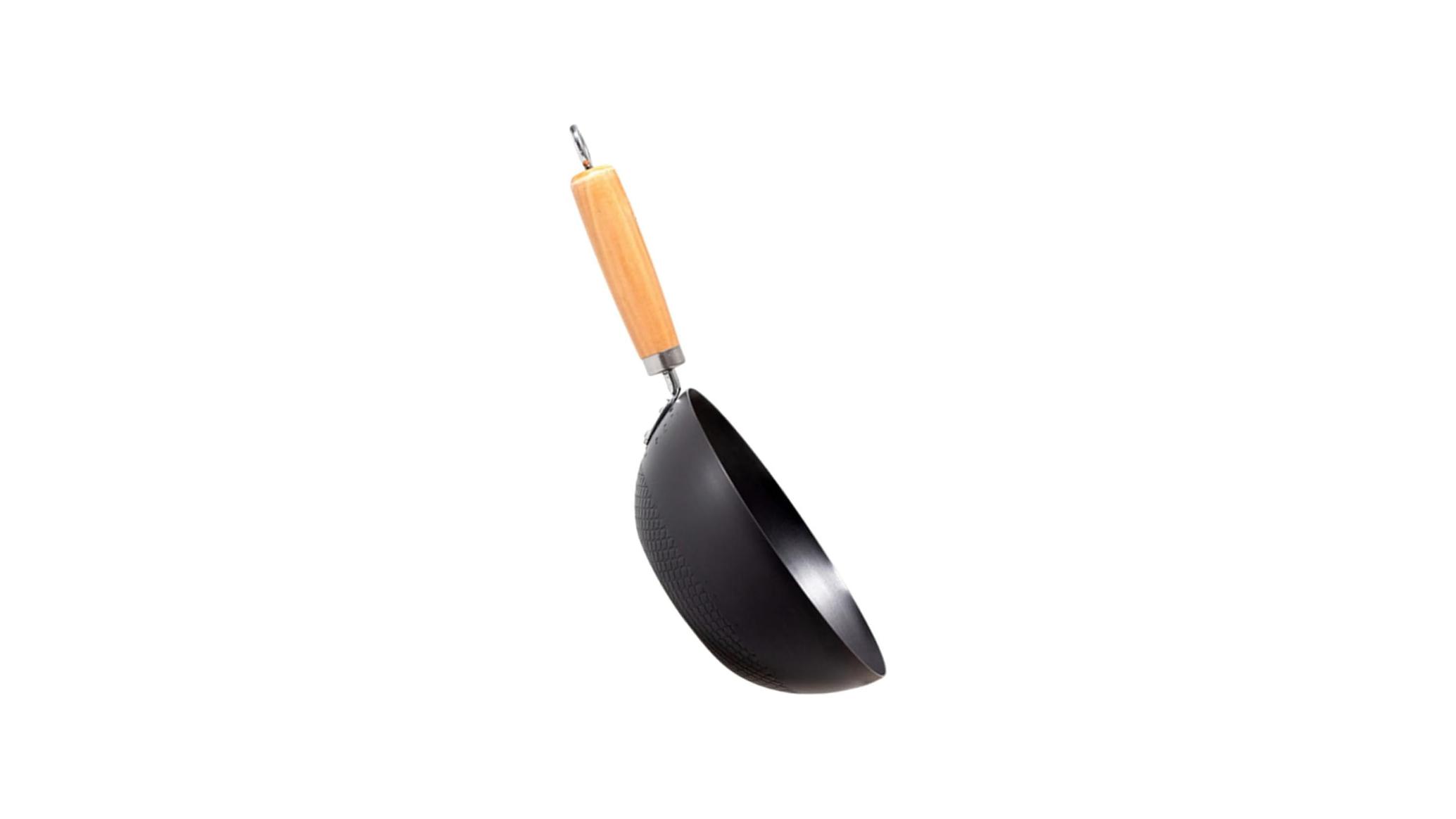
My carbon steel wok, however, is my secret weapon for weeknight stir-fries. Its lightness lets me toss vegetables effortlessly while maintaining high heat, and I can get dinner on the table faster than with cast iron. The different tools enable different cooking styles.
The biggest lesson I've learned is that neither material is objectively "better"—they're different. Casting iron versus carbon steel is like comparing a reliable truck to a nimble sports car. Both get you where you're going, but the experience differs.
I made the mistake early on of expecting my carbon steel to behave like cast iron. I wasn't consistent with seasoning maintenance, and it developed rust spots that frustrated me. Once I understood that carbon steel needed different care, everything clicked. Now I maintain it properly, and it performs beautifully.
Another lesson: cast iron's reputation for durability isn't exaggerated. I inherited a cast iron skillet made in 1965 that works better than many modern pans. That long history creates an emotional connection that transcends cooking performance.
Should You Choose Cast Iron or Carbon Steel?
The answer depends on your specific situation. Choose cast iron if you prefer forgiving maintenance, want a pan that improves with time, enjoy the weight and heat retention benefits, or plan to use a single pan for most cooking tasks. Cast iron is also excellent if you're new to this type of cookware and want more margin for error.
Choose carbon steel if you value lighter weight, want faster heat-up times, appreciate precise temperature control, cook frequently and don't mind consistent maintenance, or have wrist issues that make heavy pans problematic. Carbon steel works beautifully for cooks who enjoy the ritual of equipment care.
Consider your cooking style honestly. If you're someone who sometimes forgets to dry the pan immediately, cast iron will be more forgiving. If you're meticulous about kitchen maintenance and enjoy caring for your tools, carbon steel will reward you with performance that improves through consistent attention.
The ideal solution for many home cooks is owning one of each. Cast iron handles everyday cooking and forgiving situations, while carbon steel excels at high-heat, rapid-cooking applications. Together, they cover every cooking need without compromise.
Frequently Asked Questions
What is the main difference between cast iron and carbon steel?
Cast iron is heavier, more porous, and more forgiving with maintenance, while carbon steel is lighter, smoother, and requires more consistent seasoning care. Both perform excellently when properly maintained, just with different characteristics.
Can I use soap to wash cast iron?
Yes, modern cast iron can absolutely handle mild soap and warm water. The seasoning layer is resilient enough to survive soap, though you should still dry the pan immediately and thoroughly to prevent rust.
Is carbon steel non-stick without seasoning?
No, carbon steel requires seasoning to develop non-stick properties, just like cast iron. New carbon steel pans work better than brand-new cast iron, but they still benefit significantly from proper seasoning.
Which pan is better for high-heat cooking?
Both are excellent for high heat, but cast iron maintains temperature more steadily while carbon steel heats faster. For consistent high-heat searing, cast iron's heat retention provides slight advantages. For rapid temperature adjustments, carbon steel responds faster.
How often should I season my cast iron or carbon steel?
Seasoning happens naturally through regular cooking with fats and oils. Formal seasoning sessions are helpful occasionally, but daily cooking with butter, oil, or fatty meats continuously improves seasoning on both materials.
Can I cook acidic foods in cast iron or carbon steel?
Both can handle brief cooking of acidic foods like tomato sauce, but extended cooking strips seasoning faster. For occasional acidic dishes, either pan works fine, but plan on some seasoning maintenance afterward.
Which material is more durable?
Both are incredibly durable when maintained properly. Cast iron and carbon steel can last generations, making them excellent long-term investments. Cast iron is slightly more forgiving if maintenance is occasional, while carbon steel rewards consistent care.
Wrap-Up
Both cast iron and carbon steel deserve spaces in your kitchen because they excel at different tasks and offer genuine advantages depending on your cooking style. The choice between them isn't about picking a universal winner—it's about understanding your needs, your cooking habits, and your preferences for maintenance rituals.
I've learned through years of kitchen use that the best pan is the one you'll actually use. If cast iron's weight appeals to you and you appreciate forgiving maintenance, lean that direction. If carbon steel's responsiveness and lighter construction match your cooking style, don't hesitate.
Start by choosing one that fits your lifestyle, commit to learning its quirks, and you'll develop a relationship with your cookware that enhances every meal you prepare. The investment in quality cast iron or carbon steel pays dividends with every use, turning everyday cooking into something genuinely special. Which type calls to you? Pick one, master it, and discover why these materials have remained kitchen essentials for over a century.

Leave a Reply