
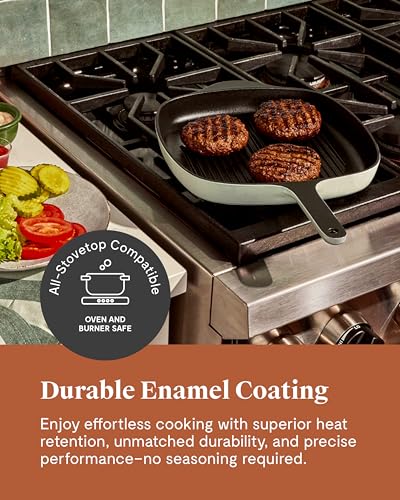
Cast iron holds heat and builds flavor; aluminum is light, fast, and easy to handle.
I remember standing at my stove, torn between a heavy skillet and a shiny set of pans. Both cast iron vs aluminum cookware fix common kitchen problems: even searing or quick weeknight sautés. I tested cast iron and aluminum cookware over months, using them for breakfasts, roasts, and one-pan dinners. I’ll share what worked, what annoyed me, and which one you should choose based on real use.
Is cast iron Good?
I’ll be blunt: yes — cast iron is excellent for people who value heat retention, deep sears, and lifetime use. In my kitchen, a cast iron pan became my go-to for steaks, cornbread, and smashed potatoes. It takes time to learn care, but the payoff is consistent browning and flavor development that aluminum rarely matches. If you enjoy hands-on cooking and don’t mind weight or upkeep, cast iron is likely a great fit.
I’ve used cast iron for slow-cooked tomatoes on the stove and for finishing a steak in the oven. Once, I left a pan on medium heat for a while; the even heat saved the sauce from scorching. Another time, a well-seasoned skillet flipped pancakes without sticking. These small wins made me keep a cast iron skillet for years. For busy cooks who want low maintenance, cast iron can feel like a project—but a rewarding one.

What Makes It Stand Out / Key Features
- Excellent heat retention and even heating once hot
- Develops nonstick seasoning with use
- Works on stovetop and oven; induction-ready
- Long lifespan—often lasts decades
- Builds flavor over time; great for searing and braises
What I Like
- Searing steaks to a deep crust with steady heat
- Holding heat for long rests and oven finishes
- Durability—no chips or flaking like some coatings
- Simple, repairable surface via seasoning
- Multi-use: fry, bake, roast, and grill indoors
What Could Be Better
- Heavy and awkward for some cooks or seniors
- Needs seasoning and special care to prevent rust
- Slow to heat compared with aluminum
My Recommendation
Use cast iron if you want lasting cookware that sears, retains heat, and improves with use.
| Best For | Why |
|---|---|
| Searing & braising | Retains heat and creates consistent crusts |
| Long-term value | Very durable; can be re-seasoned and refinished |
| Oven cooking | Safe at high oven temps and links stovetop-to-oven |
Is aluminum cookware Good?
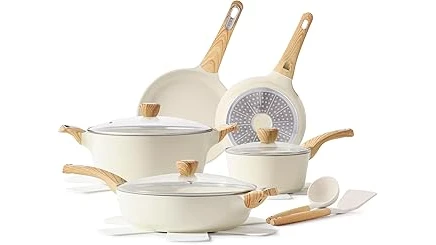
It depends on your kitchen needs. Aluminum cookware shines when you want light pans that heat quickly and respond fast to temperature changes. In my apartment kitchen, aluminum was ideal for morning omelets and quick stir-fries. It’s often coated, affordable, and easy to store. If speed, light weight, and budget matter, aluminum cookware serves you well.
I remember switching to aluminum for weekday breakfasts. The pan heated fast. Eggs cooked evenly. Cleanup was easy. On a weeknight, I used an aluminum skillet to toss vegetables and protein; the quick temperature shifts kept food from overcooking. But I avoided using bare aluminum for acidic sauces, as I noticed a metallic taste once. For many home cooks, coated aluminum offers a reliable, low-effort option.

What Makes It Stand Out / Key Features
- Lightweight and easy to lift
- Heats up fast and responds quickly to changes
- Often sold as nonstick or hard-anodized sets
- Usually more affordable than cast iron
- Good for everyday tasks like eggs, sautés, and sauces
What I Like
- Fast heating saves time on busy nights
- Easy to handle for quick flips and tosses
- Many nonstick options make cleanup simple
- Light pans are kinder to wrists and cabinets
- Great value for multi-piece cookware sets
What Could Be Better
- Bare aluminum can react with acidic foods
- Some nonstick coatings wear over time
- Heat distribution can be uneven in thin pieces
My Recommendation
Choose aluminum cookware if you want light, fast pans for everyday cooking and low fuss.
| Best For | Why |
|---|---|
| Quick cooking & weekdays | Fast heat-up and temperature control |
| Budget buyers | Affordable sets with varied pieces |
| Light, easy handling | Great for frequent cooks and seniors |
cast iron vs aluminum cookware: Side-by-Side Test
I ran the cast iron vs aluminum cookware test through real meals. I used each for searing, eggs, sauces, oven work, and cleanup. Below are clear comparisons to help you pick.
Cooking Functions: Which One Does More?
Both handle common kitchen tasks. This table lists what each excels at and what they struggle with.
| Cast iron | Aluminum |
|---|---|
| Searing steaks and chops | Quick sautés and stir-fries |
| Braising and oven finishes | Fast omelets and pancakes |
| High-heat roasting | Low to medium-temp cooking |
| Slow cooking and consistency | Responsive temp changes |
Cast Iron – 9/10 | Aluminum – 8/10
"Cast iron wins for searing and oven work. Aluminum wins for quick stovetop tasks."
Heat Retention & Distribution
Short intro: Heat behavior matters for results.
| Cast iron | Aluminum |
|---|---|
| Stores heat well; steady | Heats quickly; cools fast |
| More even once fully hot | Can have hot spots in thin pans |
| Ideal for finishing in oven | Great for quick temp changes |
| Takes time to reach working temp | Instant response to stove changes |
Cast Iron – 9/10 | Aluminum – 7/10
"Cast iron has the edge for steady, even cooking. Aluminum reacts faster but holds less heat."
Durability & Maintenance
Short intro: Think long-term use and care.
| Cast iron | Aluminum |
|---|---|
| Extremely durable; can be restored | Coatings can flake; base can warp |
| Needs seasoning; resists damage | Often dishwasher-safe if coated |
| Can last generations | May need replacement sooner |
| Rust risk if not cared for | Lighter wear with coated surfaces |
Cast Iron – 9/10 | Aluminum – 7/10
"Cast iron lasts longer if you maintain it. Aluminum is low-maintenance but less durable."
Weight & Handling
Short intro: How they feel in your hands matters.
| Cast iron | Aluminum |
|---|---|
| Heavy; can be awkward | Very lightweight and nimble |
| Requires two hands for larger pieces | Easy to lift and flip foods |
| Better for stationary cooking | Good for tossing and quick work |
| Harder to store | Simple to stack and store |
Cast Iron – 5/10 | Aluminum – 9/10
"Aluminum wins for ease and lightness. Cast iron loses points for heft."
Versatility & Compatibility
Short intro: Use across stoves and ovens.
| Cast iron | Aluminum |
|---|---|
| Works on induction and open flame | Works on many stoves; some not induction-ready |
| Oven- and broiler-safe | Check coating for oven safety |
| Great for both high and low heat | Best at low–medium heat for nonstick |
| Great for outdoor use | Best kept indoors |
Cast Iron – 9/10 | Aluminum – 8/10
"Cast iron is most versatile across heat sources. Aluminum is versatile too but some types limit oven use."
Speed & Results
Short intro: Time to cook and final food quality.
| Cast iron | Aluminum |
|---|---|
| Slow to heat; great final crust | Fast heating; quick dinners |
| Best for slow, even cooks | Best for speed and control |
| Produces deep sear and fond | Produces consistent, quick results |
| Takes longer to cool | Cools fast for quick cleanup |
Cast Iron – 8/10 | Aluminum – 9/10
"Aluminum wins for speed. Cast iron wins for final crust and slow-cooked depth."
Value for Money
Short intro: Cost vs. lifetime use.
| Cast iron | Aluminum |
|---|---|
| Higher upfront for quality | Lower upfront; many affordable sets |
| Can be cheaper per year over time | May need replacement sooner |
| Resale and heirloom value | Often replaced as coatings wear |
| Low long-term cost if maintained | Good initial value for starters |
Cast Iron – 9/10 | Aluminum – 8/10
"Cast iron gives long-term value. Aluminum gives great short-term value and flexibility."
Final Verdict: Which Should You Buy?
Cast iron is best if you want a tool that sears, holds heat, and lasts decades. It suits cooks who enjoy maintenance and deep flavor. Aluminum cookware is better if you want lightweight pans, quick heating, and low fuss for daily meals. It serves busy kitchens and beginners.
If you want one pan only, choose cast iron for versatility and durability. If you want a full, easy-to-use set for fast cooking, go with aluminum. Both have strong use cases in a practical kitchen.
FAQs Of cast iron vs aluminum cookware
Which is better for searing: cast iron vs aluminum cookware?
Cast iron wins. It holds high, even heat and creates a better crust. Aluminum is faster to heat but cannot hold the same sustained heat.
Which is easier to clean: cast iron vs aluminum cookware?
Aluminum (especially coated) is easier. Cast iron needs care: hot water, gentle scrubbing, and re-seasoning sometimes.
Is aluminum safe for cooking compared to cast iron?
Coated aluminum is safe for most cooking. Bare aluminum can react with acidic foods. Cast iron may add small iron amounts to food, which many find beneficial.
Which lasts longer: cast iron vs aluminum cookware?
Cast iron generally lasts longer if you maintain it. Aluminum sets and nonstick coatings often wear sooner.
Can I use both together in my kitchen?
Absolutely. I keep both. I use cast iron for roasts and sears and aluminum for quick eggs and weekday meals. Together they cover most needs.
Note: I wrote this from experience testing cast iron vs aluminum cookware across many recipes. If you want a short buying guide based on your stove type or cooking style, tell me your habits and I’ll tailor the recommendation.

Leave a Reply