

Carbon steel and stainless steel differ mainly in chromium content, with stainless steel offering superior corrosion resistance while carbon steel provides better strength and affordability.
When you're standing in a hardware store or researching materials for a project, the choice between carbon steel vs stainless steel can feel overwhelming. Both materials have earned their place in kitchens, workshops, and industrial applications, but they're fundamentally different in ways that matter. Understanding these differences isn't just about picking the right tool—it's about making a smart investment that will serve you well for years to come.
I've worked with both materials extensively, and I've learned that there's no universal "best" choice. What works perfectly for one application might be completely wrong for another. That's why I want to walk you through everything you need to know about carbon steel vs stainless steel, so you can make decisions based on real knowledge rather than guessing.
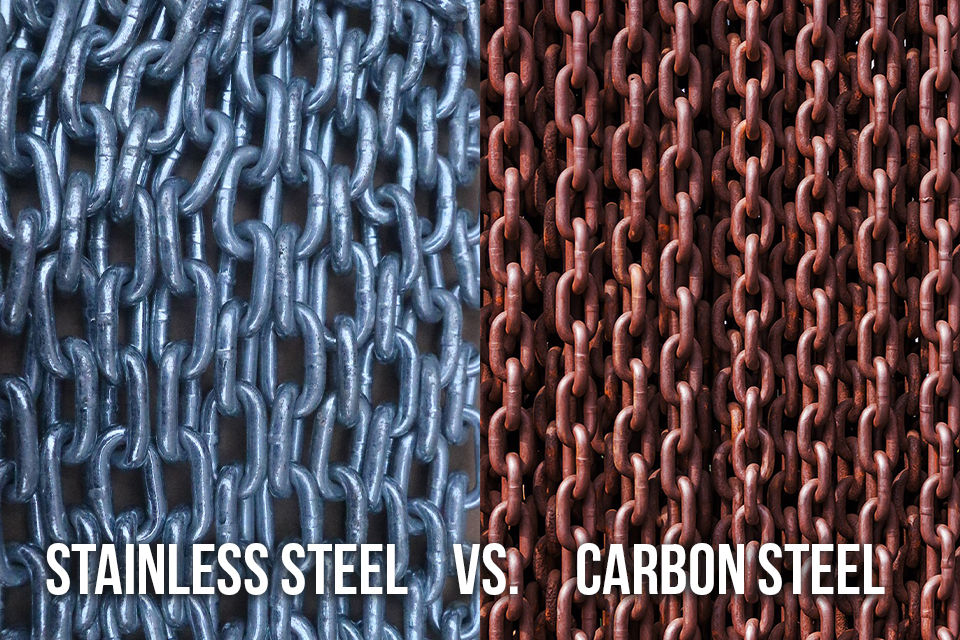
What is Carbon Steel?
Carbon steel is essentially iron mixed with carbon, typically containing between 0.1% and 2% carbon by weight. Think of it as the foundational material that helped build modern civilization. When carbon gets added to iron, it transforms the metal's properties dramatically, making it harder, stronger, and more durable than pure iron alone.
The beauty of carbon steel lies in its simplicity and versatility. Different carbon content levels create different grades of carbon steel, each with unique characteristics. Low carbon steel is softer and easier to work with, making it ideal for structural applications. High carbon steel, on the other hand, becomes harder and more brittle, perfect for tools and cutlery that need to hold a sharp edge.
I still remember using a carbon steel chef's knife for the first time in culinary school. The way it held an edge was remarkable compared to softer metals. But I also learned quickly that it required constant care and seasoning to prevent rust—a trade-off I willingly made for its performance.
Carbon steel's strength-to-weight ratio is impressive, and it's generally more affordable than stainless steel. These qualities have made it a go-to material for everything from bridges and machinery to springs and bearings. However, this affordability comes with a price: carbon steel is more susceptible to rust and corrosion without proper protective measures.

What is Stainless Steel?
Stainless steel is fundamentally different from carbon steel because it contains chromium—typically at least 10% by weight. This chromium content is the game-changer. When chromium combines with iron, it creates a thin, invisible oxide layer on the surface that prevents rust and corrosion, even when exposed to moisture and air.
I like to think of stainless steel's chromium layer as an invisible shield. This passive layer continuously repairs itself when damaged, making stainless steel self-healing in a sense. That's why you can leave stainless steel cookware wet without worrying about rust spots forming overnight.
Beyond chromium, stainless steel often contains nickel, molybdenum, and other alloying elements that enhance specific properties. These additions create different grades of stainless steel, each optimized for particular uses. The 300 series, for example, contains nickel and is highly corrosion-resistant, making it ideal for kitchen applications. The 400 series has less nickel but greater hardness, making it suitable for cutlery.
Stainless steel's resistance to staining and corrosion makes it incredibly popular in kitchens, hospitals, and environments where hygiene and cleanliness matter. I've seen stainless steel kitchen equipment last decades with minimal maintenance—just regular washing and occasional polishing. That durability, while requiring a higher initial investment, often pays for itself over time.

Key Differences Between Carbon Steel and Stainless Steel
Understanding the practical differences between carbon steel vs stainless steel helps you choose the right material for your specific needs. These distinctions go far beyond simple aesthetics and affect performance, maintenance, and longevity.
Corrosion Resistance
This is perhaps the most significant difference between the two materials. Stainless steel's chromium content creates that protective oxide layer I mentioned, making it naturally resistant to rust and corrosion. You can expose it to moisture, salt water, and acidic environments with minimal risk of deterioration.
Carbon steel, lacking this chromium shield, oxidizes readily when exposed to moisture. Without protective coatings like paint, oil, or seasoning, it will develop rust fairly quickly. This doesn't make carbon steel inferior—it just means it requires more active maintenance and care in humid or wet environments.
Strength and Hardness
Carbon steel generally offers superior strength compared to most stainless steel grades, particularly in high-carbon formulations. The carbon content creates a harder, more brittle material that excels at holding sharp edges and resisting wear. This is why professional knife makers often prefer high-carbon steel for premium kitchen knives.
Stainless steel tends to be somewhat softer and more ductile, meaning it bends rather than breaks under stress. While this makes it more forgiving and less likely to shatter, it also means stainless steel tools might not hold an edge as well as carbon steel counterparts. I've found that stainless steel knives need sharpening more frequently than carbon steel ones.
Maintenance Requirements
Stainless steel is often praised for being "low maintenance," but that's not entirely accurate. While it resists rust naturally, it still benefits from regular cleaning and occasional polishing to maintain its appearance and prevent water spots or discoloration from certain foods like tomatoes or lemon juice.
Carbon steel demands more active maintenance. It needs regular seasoning—much like cast iron—to build up a protective patina. This involves coating it with oil and heating it, creating a layer that prevents rust. While this might sound tedious, many enthusiasts actually enjoy this ritualistic maintenance as part of their relationship with the tool.
Cost Considerations
Carbon steel is typically more affordable than stainless steel, both in initial purchase price and manufacturing costs. The simpler composition and easier production process keep prices down, making it an excellent choice for budget-conscious buyers who don't mind regular maintenance.
Stainless steel commands a higher price due to its alloying elements, particularly chromium and nickel. The additional expense is justified for applications where corrosion resistance is essential or where maintenance access is limited. Over a product's lifetime, however, the lower replacement rate of stainless steel sometimes makes it more economical despite the higher upfront cost.
Advantages and Disadvantages of Carbon Steel
Carbon steel brings distinct advantages and disadvantages to the table, making it perfect for certain applications while being unsuitable for others.
Advantages of Carbon Steel
Carbon steel offers exceptional strength and hardness, particularly in high-carbon grades. It holds sharp edges longer than most stainless alternatives, making it preferred by professional chefs and craftspeople. The material also conducts heat efficiently, beneficial for cookware that needs responsive temperature control.
Cost-effectiveness is another major advantage. Carbon steel products are generally cheaper to manufacture and purchase, making them accessible to more people. The material is also highly versatile, suitable for everything from industrial machinery to delicate kitchen tools, depending on the carbon content and processing.
Another benefit is its ability to develop a protective patina through seasoning, creating a non-stick surface similar to cast iron. This patina improves with use and care, developing character and deepening the connection users feel with their tools.
Disadvantages of Carbon Steel
The primary disadvantage of carbon steel is its vulnerability to rust and corrosion. Without protective measures, it oxidizes quickly in humid or wet environments. This susceptibility requires consistent maintenance and careful storage, which isn't practical for everyone or every application.
Carbon steel's brittleness, while providing hardness, can be a drawback in certain situations. High-carbon steel tools are more prone to chipping or breaking if dropped or used improperly. Additionally, carbon steel can react with acidic foods, potentially affecting taste and appearance, so it's not ideal for storing acidic substances long-term.
The maintenance requirements, while building character for enthusiasts, can be burdensome for casual users. Regular seasoning and oiling might seem excessive for someone who simply wants a tool that works without fuss.
Advantages and Disadvantages of Stainless Steel
Stainless steel presents its own set of advantages and disadvantages that make it the preferred choice for many applications.
Advantages of Stainless Steel
The most obvious advantage is superior corrosion resistance. Stainless steel stands up to moisture, salt, and acidic conditions without developing rust, making it ideal for kitchens, bathrooms, and outdoor environments. This resistance means less maintenance and longer lifespan, reducing replacement costs over time.
Stainless steel is also highly hygienic and easy to clean. Its smooth, non-porous surface doesn't harbor bacteria or food residue, making it the standard material for food preparation areas and medical equipment. The aesthetic appeal is another factor—the sleek, modern look of stainless steel fits most contemporary kitchen designs.
Another significant advantage is its versatility across various environments. Stainless steel performs equally well in humid bathrooms, salty coastal areas, and industrial settings without requiring special protective coatings. This reliability makes it perfect for applications where maintenance access might be limited.
Disadvantages of Stainless Steel
Stainless steel generally doesn't hold sharp edges as well as carbon steel, requiring more frequent sharpening for cutting tools. The material's relative softness means it experiences more wear under heavy use, potentially shortening tool lifespan in high-performance scenarios.
The higher initial cost can be a barrier for budget-conscious buyers. While stainless steel's longevity often justifies this investment, the upfront expense might seem prohibitive compared to cheaper carbon steel alternatives.
Stainless steel can also be reactive with certain foods and substances. The chromium and nickel content might leach slightly into acidic foods under specific conditions, though this is rare and typically not a health concern. Additionally, stainless steel can be harder to sharpen than carbon steel because of its hardness and the way it responds to sharpening stones.

Carbon Steel vs Stainless Steel: Which Should You Choose?
The decision between carbon steel vs stainless steel ultimately depends on your specific needs, environment, and preferences. There's no universally "right" answer—only the right choice for your particular situation.
Choose Carbon Steel If
You want maximum strength and edge retention for cutting tools and plan to maintain your equipment regularly. Carbon steel excels when you're willing to invest time in seasoning and care. It's perfect for professional chefs who appreciate sharp edges and understand proper maintenance.
Budget is a primary concern and you have a dry or climate-controlled environment. Carbon steel's affordability makes sense when you don't need corrosion resistance. It's also ideal for high-temperature applications where stainless steel might lose some properties.
You appreciate the character and connection that comes with seasoning and maintaining your tools. Many enthusiasts prefer carbon steel specifically because the maintenance becomes part of the experience.
Choose Stainless Steel If
You need low-maintenance tools that perform consistently without requiring regular seasoning or protective treatments. Stainless steel is perfect for busy households or commercial kitchens where time is limited.
Your environment is humid, wet, or exposed to salt water and corrosive elements. The natural corrosion resistance eliminates worry about rust spots or deterioration. It's the clear choice for coastal areas or frequently-used kitchen equipment.
Hygiene and easy cleaning are top priorities, such as in food preparation or medical settings. Stainless steel's non-porous surface and ease of sanitation make it the standard choice for these applications.
You prefer a hands-off approach to tool ownership. If you want to buy something, use it, and not think about maintenance, stainless steel delivers that simplicity. The higher initial cost is offset by minimal upkeep over years of use.
Common Applications of Carbon Steel and Stainless Steel
Both materials have earned their places in countless applications, each excelling where their unique properties matter most.
Carbon Steel Applications
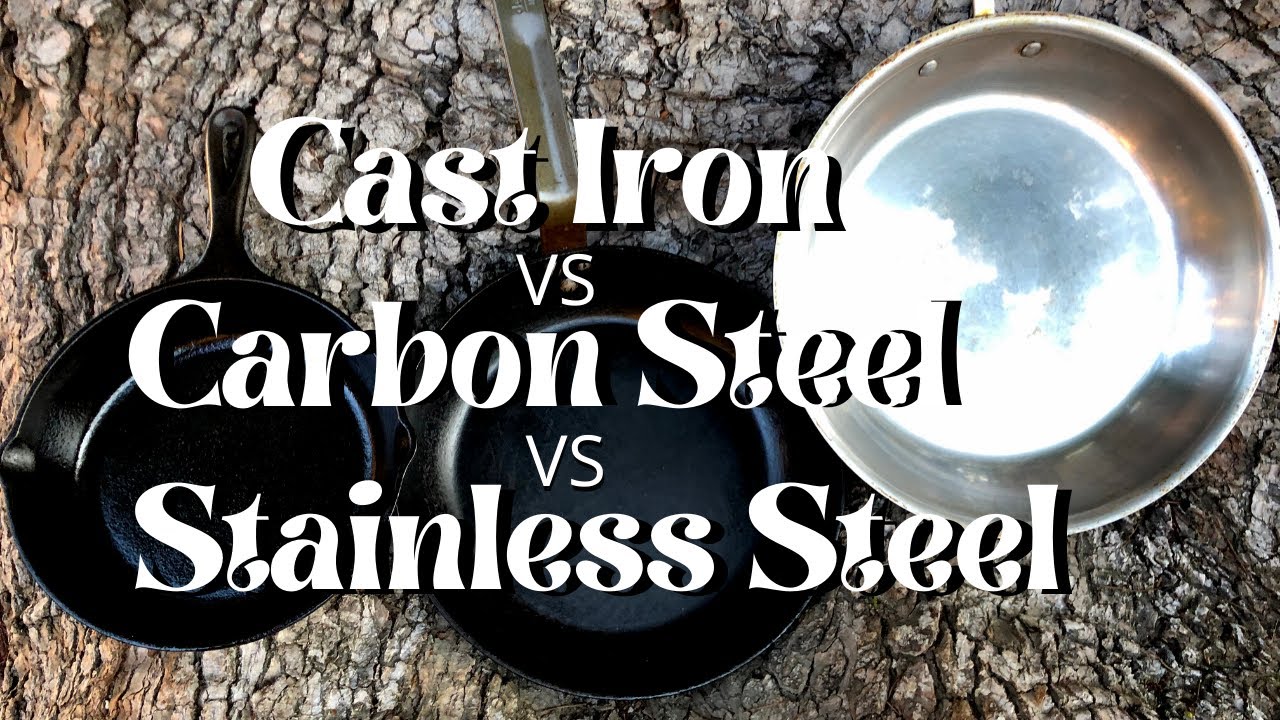
Professional chef's knives benefit immensely from high-carbon steel's ability to hold a sharp edge. Industrial machinery relies on carbon steel's strength for structural components and bearings. Cast iron cookware, actually a type of carbon steel, has remained popular for generations because of its heat retention and seasoning capabilities.
Spring steel, a specialized form of carbon steel, is used in everything from car suspension systems to watch springs. Construction and infrastructure projects use lower-carbon steel for reinforcement and structural beams because of its strength and cost-effectiveness. Woodworking and metalworking tools often incorporate high-carbon steel for their durability and performance.
Stainless Steel Applications
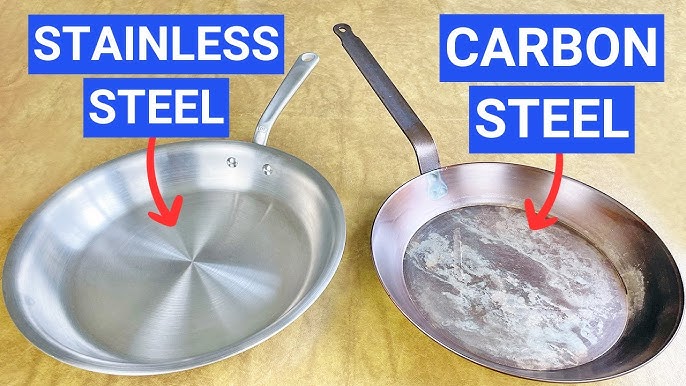
Kitchen equipment and cookware made from stainless steel dominate modern homes because of their corrosion resistance and ease of cleaning. Medical and surgical instruments rely on stainless steel's hygienic properties and ability to withstand sterilization processes. Food processing equipment uses stainless steel extensively to prevent contamination and ensure food safety.
Architectural applications frequently feature stainless steel for its attractive appearance and weather resistance. Outdoor furniture, railings, and decorative elements benefit from stainless steel's durability. Chemical processing plants use stainless steel equipment because it resists corrosive substances better than carbon steel alternatives.
How Carbon Steel and Stainless Steel Are Made
Understanding the manufacturing processes reveals why these materials have different properties and costs.
Carbon Steel Manufacturing
Carbon steel production begins with iron ore smelting to extract pure iron. Carbon is then added in controlled amounts, typically between 0.1% and 2% by weight. The amount of carbon determines the final steel's properties—more carbon creates harder but more brittle material, while less carbon produces softer, more ductile steel.
The molten steel is then cast into ingots and rolled into desired shapes and thicknesses. Heat treatment processes like tempering and hardening further refine the material's properties. Throughout production, temperature control and timing are critical to achieving the desired characteristics.
Stainless Steel Manufacturing
Stainless steel production follows a similar initial process but requires precise control of alloying elements. Chromium and other elements are melted together with iron in specific proportions to create the desired grade. The additional elements make stainless steel more complex and expensive to produce than carbon steel.
The molten stainless steel undergoes similar casting and rolling processes, but the presence of chromium makes the metal more difficult to work with. Special equipment and careful temperature management prevent brittleness and maintain the material's properties. The result is a more uniform, corrosion-resistant material that requires higher production costs.

Maintenance and Care Tips
Proper maintenance extends the lifespan of both materials and maximizes their performance in your applications.
Caring for Carbon Steel
Hand washing is essential for carbon steel knives and cookware. Machine washing can strip away the protective patina you've carefully built through seasoning. After each use, dry the item immediately with a cloth to prevent moisture from sitting on the surface.
Regular seasoning is crucial for maintaining carbon steel's non-stick properties and rust resistance. Heat the item with a thin layer of oil applied to the surface, allowing the oil to polymerize into a protective coating. Repeat this process periodically, especially after thorough cleaning or if you notice rust spots forming.
Store carbon steel in a dry environment and avoid stacking it with wet items. Consider keeping it wrapped in cloth or paper in a dry cabinet. If rust does develop, remove it using fine steel wool or specialized rust erasers, then immediately re-season the item.
Caring for Stainless Steel
Regular washing with warm soapy water and prompt drying prevents water spots and discoloration. For stubborn spots or fingerprints, use specialized stainless steel cleaners or polish for a maintained appearance. Avoid abrasive scrubbers that can scratch the surface and create places where corrosion might start.
While stainless steel is corrosion-resistant, certain substances can cause discoloration or pitting. Acidic foods, salt, and bleach should be cleaned off promptly if they come into contact with stainless steel. In harsh environments like coastal areas, occasional extra attention keeps stainless steel looking its best.
Store stainless steel in normal conditions without special precautions. It's forgiving and doesn't require the dry environments that carbon steel demands. Simple regular cleaning is usually all the maintenance stainless steel needs to remain functional and attractive.
Frequently Asked Questions
Is carbon steel stronger than stainless steel?
Carbon steel generally offers superior strength and hardness compared to stainless steel, particularly in high-carbon grades. However, stainless steel's ductility and forgiveness can be advantageous in applications where flexibility matters more than pure hardness.
Can I use carbon steel cookware on induction cooktops?
Yes, carbon steel works well on induction cooktops because it's magnetic. In fact, carbon steel has become increasingly popular among home cooks who appreciate its responsiveness and heat distribution on induction burners.
Will stainless steel ever rust?
While stainless steel is highly corrosion-resistant, it's not completely immune to rust under extreme conditions. Certain grades in highly corrosive salt-water environments or with prolonged exposure to chloride can develop pitting corrosion, though this is relatively rare.
Why does stainless steel cost more than carbon steel?
Stainless steel costs more because of the additional alloying elements like chromium, nickel, and molybdenum that must be carefully controlled during manufacturing. These elements add production complexity and material cost but provide superior corrosion resistance that justifies the expense.
Can you switch between carbon steel and stainless steel tools?
You can switch between materials, but each has advantages for specific tasks. Professional cooks often use both—carbon steel knives for their superior edge holding and stainless steel cookware for easy maintenance. Choose based on the specific application's demands.
How long does it take to season carbon steel properly?
Building a complete patina on carbon steel takes time and repeated use. You'll notice improved non-stick properties after several weeks of regular cooking and maintenance. The patina continues deepening over months and years of proper care.
Is stainless steel safe for food storage?
Stainless steel is completely safe for food storage in normal conditions. The chromium and nickel content remains bound in the material and doesn't leach into food under standard use, making it one of the safest materials for food contact.
Wrapping It Up
The choice between carbon steel vs stainless steel isn't about finding the "best" material—it's about understanding your needs and matching them with the material's strengths. Carbon steel rewards dedication with superior edge holding and affordable pricing but demands regular maintenance and care. Stainless steel offers convenience and reliability with minimal fuss, though at a higher initial cost and with slightly less keen edges.
Your decision should reflect your lifestyle, environment, and how much you're willing to invest in maintenance. Consider where you'll use these materials, how much time you can dedicate to upkeep, and what performance characteristics matter most for your specific applications. Many experienced users maintain both materials in their kitchens and workshops, letting each do what it does best.
Take action today by evaluating your current tools and kitchen setup. Identify which applications would benefit from carbon steel's performance and which would thrive with stainless steel's reliability. Don't hesitate to start with one material and gradually expand your collection as you discover your preferences. Share your experiences in the comments below—I'd love to hear which material you prefer and why.

Leave a Reply