
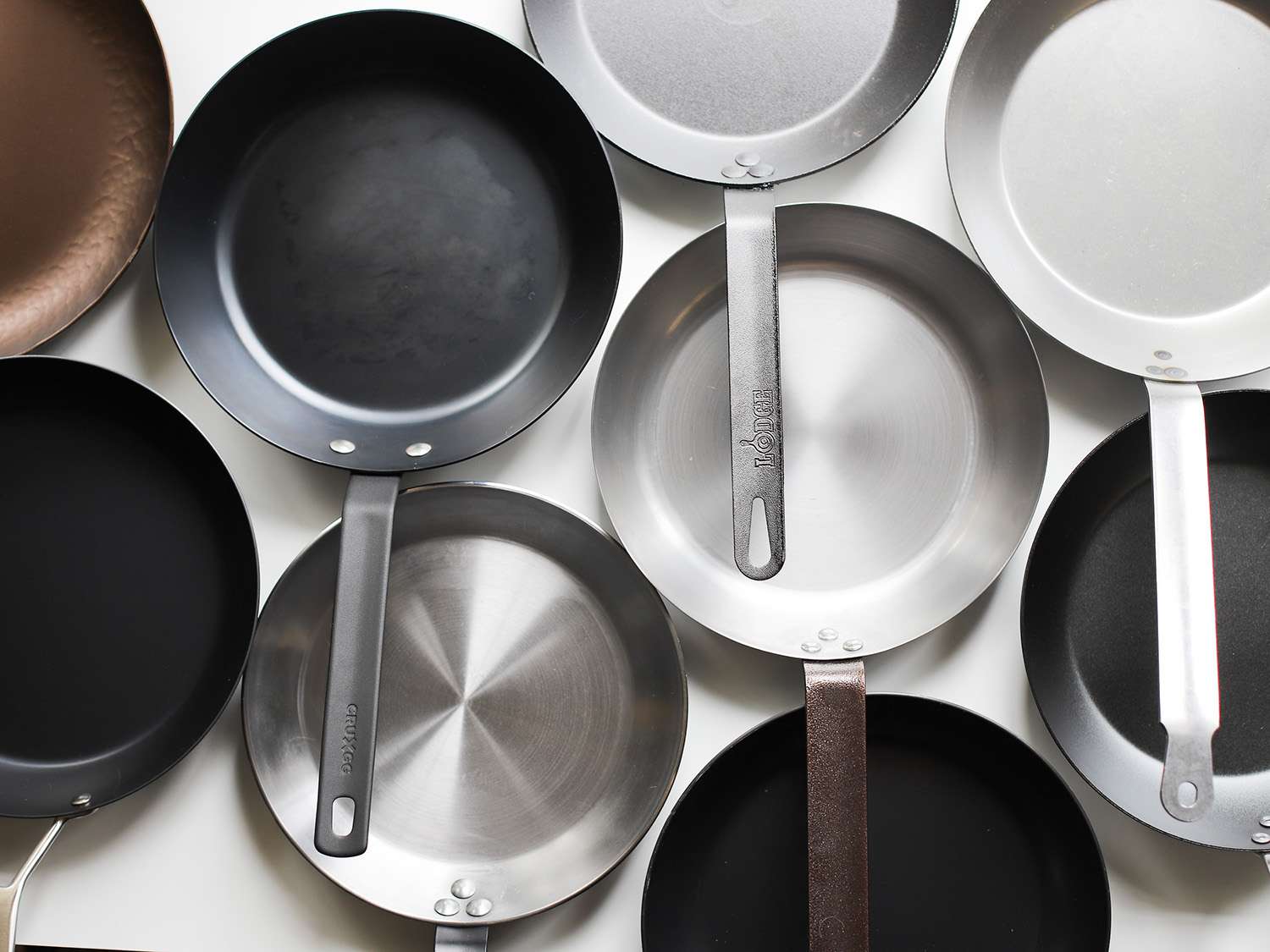
Carbon cookware is becoming more popular among home cooks. Many people are curious about its benefits and uses.
This type of cookware is made from carbon steel. It offers great heat retention and even cooking. Unlike traditional non-stick pans, carbon cookware is durable and can last for years. It is also versatile; you can use it on the stovetop or in the oven.
With proper care, it can develop a natural non-stick surface. This makes cooking and cleaning easier. Learning about carbon cookware can help you make better choices for your kitchen. Whether you are a beginner or an experienced cook, understanding this cookware can improve your cooking experience. Let’s explore the world of carbon cookware and its many advantages.
Why Carbon Cookware Is A Chef’s Ally
Carbon cookware is becoming popular among chefs. It offers unique benefits. Chefs appreciate its reliable performance and ease of use. Let’s explore why carbon cookware stands out in the kitchen.
Durability Meets Versatility
One major reason chefs love carbon cookware is its durability. This type of cookware can last for years with proper care. It withstands high heat and harsh conditions.
Versatility is another strong point. Carbon cookware works well on all cooking surfaces. It can go from the stovetop to the oven without issues. This makes it ideal for various cooking methods.
- Frying
- Baking
- Searing
- Sauteing
Chefs can use it for many recipes. The ability to handle high temperatures is essential. It allows for perfect searing and browning.
Exceptional Heat Conductivity
Heat conductivity is critical in cooking. Carbon cookware heats up quickly and evenly. This means no hot spots. Food cooks uniformly, which is essential for great taste.
Fast heating also saves time. Chefs can cook dishes more efficiently. This is especially important in busy kitchens.
| Property | Benefit |
|---|---|
| Durability | Lasts for years, reducing replacement costs |
| Versatility | Works on all cooking surfaces and methods |
| Heat Conductivity | Cooks food evenly, enhancing flavor |
Chefs find that carbon cookware enhances their cooking skills. It is a practical choice for both professionals and home cooks. Quality tools lead to better results. Carbon cookware helps achieve that with ease.

Credit: www.amazon.com
Selecting The Right Carbon Cookware
Choosing the right carbon cookware can enhance your cooking experience. Carbon cookware is durable and heats evenly. It can add flavor to your dishes. Follow these tips to find the best options for your kitchen.
Key Features To Consider
Several features make carbon cookware stand out. Here are some important ones:
- Material Quality: Look for high-quality carbon steel. This ensures durability and heat distribution.
- Non-stick Surface: Some carbon cookware comes with a natural non-stick surface. This makes cooking and cleaning easier.
- Weight: Choose cookware that feels comfortable to handle. Lighter pieces are easier to lift.
- Handle Design: Check for sturdy and heat-resistant handles. This adds safety during cooking.
- Compatibility: Ensure it works on your cooking surface. It should be suitable for gas, electric, or induction stoves.
Size And Shape For Your Cooking Needs
Choosing the right size and shape is essential. Think about what you cook most often.
| Type of Cookware | Best For | Size Recommendations |
|---|---|---|
| Frying Pan | Frying, sautéing | 10-12 inches |
| Wok | Stir-frying, steaming | 14-16 inches |
| Grill Pan | Grilling indoors | 10-12 inches |
| Roasting Pan | Roasting meats | 16-20 inches |
Consider your cooking habits. Do you often prepare large meals? Choose larger cookware. For quick meals, smaller pieces work well.
Seasoning Your Carbon Cookware
Seasoning your carbon cookware is essential. It creates a natural, non-stick surface. Proper seasoning enhances flavor and protects your pans. Follow these steps for a great cooking experience.
Step-by-step Guide To A Non-stick Patina
- Clean the Cookware: Start with hot, soapy water. Use a scrubber to remove any factory coating.
- Dry Completely: Use a towel or let it air dry. Water can cause rust.
- Heat the Pan: Place it on medium heat for a few minutes. This helps open the pores of the metal.
- Apply Oil: Use a thin layer of cooking oil. Flaxseed oil or vegetable oil works well.
- Heat the Oil: Allow the oil to heat until it smokes. This process bonds the oil to the pan.
- Let it Cool: Turn off the heat and let the pan cool. This helps the seasoning set.
- Repeat: For best results, repeat the oil application 2-3 times.
Maintaining The Seasoning Over Time
Keeping your carbon cookware seasoned is important. Here are some tips:
- Avoid Soap: Use hot water and a soft sponge. Soap can strip the seasoning.
- Dry Immediately: Wipe the pan dry after cleaning. This prevents rust.
- Reapply Oil: After each use, apply a thin layer of oil. This maintains the patina.
- Store Properly: Keep it in a dry place. Avoid stacking with other cookware.
Regular care keeps your carbon cookware in great shape. Enjoy cooking with your seasoned pans.
:max_bytes(150000):strip_icc()/__opt__aboutcom__coeus__resources__content_migration__serious_eats__seriouseats.com__images__2015__03__20150305-black-steel-pans-daniel-gritzer-1-8e0c6917ca8844ac9a3947598695e878.jpg)
Credit: www.seriouseats.com
Cooking Techniques With Carbon Pans
Carbon cookware is popular for its versatility. It can handle many cooking methods. Here, we focus on two key techniques. These techniques showcase the strengths of carbon pans.
High-heat Searing To Perfection
High-heat searing is a favorite method for many chefs. Carbon pans excel in this technique. They heat up quickly and evenly.
Follow these steps for perfect searing:
- Preheat the carbon pan until it is very hot.
- Add a small amount of oil. Choose oil with a high smoke point.
- Carefully place the meat in the pan. Avoid overcrowding.
- Let it sear without moving it. This creates a nice crust.
- Flip the meat only when it releases easily. Cook until desired doneness.
Carbon pans give a beautiful brown color. They enhance the flavor with a rich, caramelized crust.
Delicate Dishes Done Right
Delicate dishes require care. Carbon pans can cook them perfectly. They provide even heat without hot spots.
For delicate foods, consider these tips:
- Use medium or low heat to prevent burning.
- Add a little butter or oil to prevent sticking.
- Stir gently to avoid breaking apart fragile ingredients.
Examples of delicate dishes include:
| Dish | Cooking Time |
|---|---|
| Eggs | 3-5 minutes |
| Fish | 4-6 minutes |
| Vegetables | 5-7 minutes |
Using the right technique, carbon pans make delicate dishes shine. Enjoy the rich flavors and perfect textures.
Cleaning And Care For Longevity
Taking care of your carbon cookware ensures it lasts longer. Proper cleaning and maintenance help keep your pans in great shape. Simple steps can prevent rust and damage. Follow these tips to enjoy your cookware for years.
Best Practices For Everyday Cleaning
- Let the Cookware Cool: Always allow your pan to cool before cleaning.
- Use Warm Water: Rinse with warm water and a soft sponge.
- Avoid Soap: Do not use soap, as it removes the seasoning.
- Dry Immediately: Wipe the pan dry with a clean cloth.
- Reapply Oil: Lightly coat the pan with oil after cleaning.
These steps help maintain the non-stick surface. They also prevent buildup and corrosion.
Dealing With Rust And Restoration
Rust can occur if carbon cookware is not cared for properly. Here’s how to handle rust:
- Identify the Rust: Check the pan for any reddish-brown spots.
- Scrub Gently: Use fine steel wool or a scrub pad.
- Wash with Water: Rinse the pan under warm running water.
- Dry Thoroughly: Ensure the pan is completely dry.
- Re-season the Pan: Apply a thin layer of oil and heat it.
Following these steps restores your cookware’s surface. It prevents future rust issues.
| Rust Treatment Steps | Description |
|---|---|
| Identify | Look for reddish-brown spots. |
| Scrub | Use fine steel wool gently. |
| Wash | Rinse with warm water. |
| Dry | Wipe thoroughly with a cloth. |
| Re-season | Apply oil and heat to restore. |
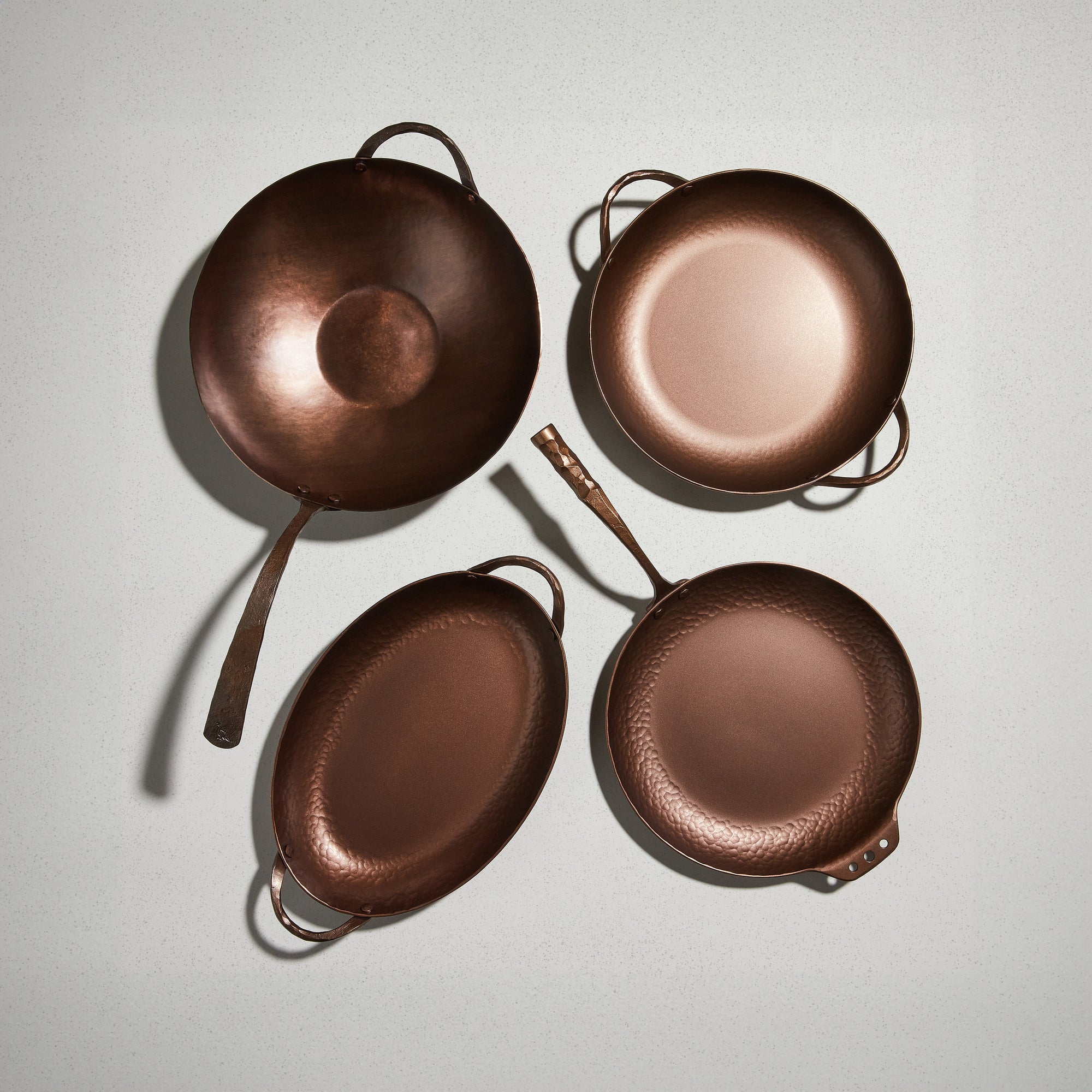
Credit: smithey.com
Accessorize Your Carbon Cookware
Cooking with carbon cookware is a joy. To enhance your cooking, consider adding some essential tools and upgrades. These accessories can make cooking easier and more enjoyable. They help you get the most out of your carbon cookware.
Must-have Tools For The Carbon Connoisseur
Choosing the right tools can change your cooking game. Here are some must-have tools:
- Spatula: A heat-resistant silicone spatula is ideal. It prevents scratches.
- Wooden Spoon: This won’t damage your cookware. Perfect for stirring.
- Oven Mitts: Protect your hands from heat. Choose thick, insulated mitts.
- Cleaning Brush: A soft-bristle brush is great for maintaining your cookware.
- Measuring Cups: Accurate measurements help in cooking. Opt for stainless steel or glass.
Upgrades That Enhance Cooking Experience
Upgrading your cookware can improve your overall cooking experience. Here are some upgrades to consider:
| Upgrade | Benefit |
|---|---|
| Carbon Steel Pan | Even heat distribution for better cooking. |
| Cast Iron Lid | Helps retain moisture and enhances flavor. |
| Seasoning Oil | Protects cookware from rust and improves non-stick properties. |
| Glass Lid | Monitor cooking without lifting the lid. |
| Trivet | Protects surfaces from hot cookware. |
These tools and upgrades can elevate your cooking. Invest in quality accessories for the best results. Enjoy the benefits of cooking with carbon cookware.
The Health Benefits Of Carbon Cooking
Cooking with carbon cookware offers several health benefits. These benefits come from its unique properties. Using carbon cookware can help improve your cooking experience. It promotes healthier meals and reduces harmful substances.
Minimizing Chemical Exposure
Many cookware materials release harmful chemicals during cooking. Teflon and some metals can leak into food. Carbon cookware is different. It is free from harmful coatings and chemicals.
Benefits of using carbon cookware:
- No toxic chemicals.
- Safe for high-heat cooking.
- Durable and long-lasting.
Choosing carbon cookware reduces the risk of chemical exposure. This leads to healthier meals for you and your family. Cooking in a safe environment is essential for good health.
Nutrient Retention In Cooking
Cooking with carbon cookware helps retain nutrients. Nutrients like vitamins and minerals are essential for health. Traditional cooking methods can destroy these nutrients.
Benefits of nutrient retention:
| Nutrient | Retention Rate | Cooking Method |
|---|---|---|
| Vitamin C | Up to 75% | Carbon cookware |
| Vitamin B | Up to 60% | Carbon cookware |
| Iron | Up to 90% | Carbon cookware |
Using carbon cookware allows you to keep more nutrients. This means healthier meals for you and your loved ones. Enjoy cooking with better health in mind.
Mouthwatering Recipes To Try
Carbon cookware is perfect for cooking delicious meals. It heats evenly and retains heat well. Here are some tasty recipes to explore. Each dish highlights the benefits of using carbon cookware.
Classic Dishes Reimagined
Classic recipes come alive in carbon cookware. Here are a few to try:
- Carbon Cooked Pasta: Boil water in your carbon pot. Add pasta and cook until al dente. The heat distribution makes it perfect.
- Fried Chicken: Use your carbon skillet. The high heat creates a crispy crust while keeping the inside juicy.
- Stir-Fry Veggies: Carbon cookware allows for quick cooking. Use high heat and toss your favorite vegetables for a colorful dish.
Innovative Uses For Carbon Cookware
Think outside the box. Carbon cookware has many uses:
- Baking Bread: Yes, you can bake bread! The even heat gives a great crust.
- Cooking Pizza: Make pizza directly in your skillet. It will have a lovely crispy base.
- Grilling Fish: Use the skillet for fish. It cooks quickly and evenly, giving great flavor.
| Recipe | Cooking Time | Key Ingredient |
|---|---|---|
| Pasta | 10 minutes | Pasta of choice |
| Fried Chicken | 30 minutes | Chicken pieces |
| Stir-Fry Veggies | 15 minutes | Mixed vegetables |
| Bread | 45 minutes | Flour |
| Pizza | 20 minutes | Pizza dough |
| Grilled Fish | 10 minutes | Fish fillets |
Frequently Asked Questions
What Is Carbon Cookware Made Of?
Carbon cookware is primarily made from high-carbon steel. This material is known for its excellent heat retention and even cooking. It is often used in professional kitchens due to its durability. Many chefs prefer it for frying, searing, and sautéing, making it a versatile choice for home cooks.
How Do You Maintain Carbon Cookware?
Maintaining carbon cookware involves regular seasoning and proper cleaning. After each use, wash it with hot water and avoid soap. Dry it thoroughly to prevent rust. Apply a thin layer of oil to maintain its non-stick properties. With proper care, carbon cookware can last for generations.
Is Carbon Cookware Safe For Health?
Yes, carbon cookware is safe for health when used correctly. It is free from harmful chemicals often found in non-stick coatings. However, avoid overheating as it can release smoke. When seasoned properly, it provides a natural non-stick surface, making cooking healthier and safer.
Can You Use Carbon Cookware On Induction Cooktops?
Most carbon cookware is compatible with induction cooktops. However, ensure it has a flat bottom for efficient heat transfer. The material is magnetic, which is essential for induction cooking. Always check the manufacturer’s specifications to confirm compatibility before use.
Conclusion
Choosing carbon cookware can enhance your cooking experience. It offers durability and excellent heat retention. Many people appreciate its natural non-stick properties. With proper care, it can last for years. Cooking with carbon cookware can also improve flavor. It’s a great option for both beginners and seasoned cooks.
Explore different styles to find what suits you best. Embrace the benefits of carbon cookware in your kitchen. Enjoy the journey of cooking with this versatile tool. Your meals will taste better, and you’ll love the process.


Leave a Reply