
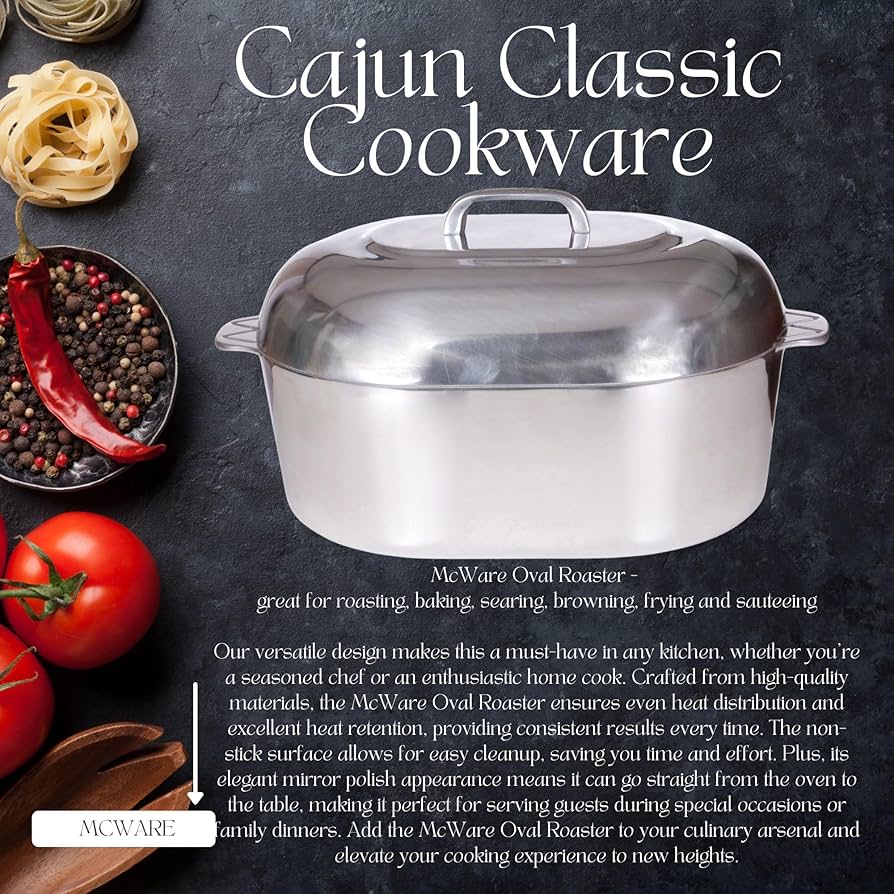
Cajun cookware refers to traditional cooking tools and pots used in Cajun cuisine. This cookware is essential for preparing flavorful dishes like gumbo and jambalaya.
Cajun cookware embodies the heart of Louisiana’s rich culinary heritage. It includes cast iron skillets, Dutch ovens, and specialized pots designed for slow cooking and deep frying. The unique design of this cookware enhances the flavors of traditional dishes, allowing for even heat distribution.
Cajun cooking emphasizes bold spices, fresh ingredients, and communal dining, making the right tools crucial for success. Investing in quality Cajun cookware not only elevates your cooking but also connects you to a vibrant culture. Explore various options to find the perfect pieces that suit your cooking style and enjoy the authentic taste of Cajun cuisine in your kitchen.
Credit: www.ebay.com
Introduction To Cajun Cuisine
Cajun cuisine is a vibrant and flavorful style of cooking. Originating from Louisiana, it reflects the culture of the Cajun people. This cuisine combines French, African, Spanish, and Native American influences. It emphasizes bold spices and fresh ingredients.
Roots And Influence
The roots of Cajun cuisine trace back to Acadian settlers. They arrived in Louisiana from Canada in the 18th century. These settlers adapted their cooking to the local environment and available ingredients.
Cajun cuisine also incorporates the influence of:
- French settlers
- Spanish colonists
- Native Americans
- African traditions
Each culture added unique flavors and techniques. This blend creates the rich and hearty dishes we enjoy today.
Key Flavors And Ingredients
Cajun cooking highlights a few key flavors. The holy trinity of Cajun cooking includes:
- Onions
- Bell peppers
- Celery
These ingredients form the base of many dishes. Other essential ingredients include:
- Garlic
- Tomatoes
- Spices like cayenne and paprika
- Seafood, especially shrimp and crawfish
Cajun dishes are known for their bold flavors. They often feature smoked meats and rich sauces. This combination creates a delightful culinary experience that excites the palate.
Credit: www.camelliabrand.com
Why Cajun Cookware Matters
Cajun cookware is essential for anyone who loves bold flavors. It brings the heart of Louisiana cuisine right into your kitchen. This cookware enhances cooking techniques and preserves authentic tastes.
Authenticity In Cooking
Using Cajun cookware ensures a genuine cooking experience. Here are some reasons why it matters:
- Traditional Materials: Often made from cast iron or heavy metals.
- Craftsmanship: Many pieces are handcrafted, preserving local culture.
- Heat Distribution: Excellent heat retention and even cooking.
These features help recreate classic Cajun dishes. Gumbo, jambalaya, and étouffée shine when cooked in the right pots. Authenticity is about respecting the roots of the recipes.
Enhancing Flavor Profiles
Cajun cookware plays a key role in enhancing flavors. Here’s how:
- Seasoning: Cast iron develops a natural non-stick surface.
- Cooking Techniques: Great for browning, searing, and slow cooking.
- Versatility: Suitable for stovetops, ovens, and open flames.
Each cooking method brings out unique flavors. Meals taste richer and more authentic. Cajun cookware is designed to amplify these flavors, making every dish unforgettable.
| Cookware Type | Best For | Flavor Benefit |
|---|---|---|
| Cast Iron Skillet | Searing meats | Rich, deep flavors |
| Dutch Oven | Slow cooking | Enhanced depth of taste |
| Stock Pot | Soups and stews | Full-bodied flavors |
Investing in Cajun cookware is investing in taste. Experience the difference in your cooking today!
Essential Cajun Cookware
Cajun cooking requires special tools. These tools enhance flavors and make meals easier. Here are the three essential pieces of Cajun cookware you need.
Cast Iron Skillet
The cast iron skillet is a must-have in Cajun kitchens. It heats evenly and retains heat well. This makes it perfect for searing meats and cooking vegetables.
- Durability: Cast iron lasts a lifetime.
- Versatility: Use it on the stovetop or in the oven.
- Non-stick: Seasoning creates a natural non-stick surface.
To maintain your skillet:
- Wash with warm water only.
- Dry immediately to prevent rust.
- Re-season with oil after each use.
Dutch Oven
The Dutch oven is another essential tool. It is perfect for slow-cooking and braising. This cookware is heavy and retains heat well.
- Capacity: Available in various sizes for different meals.
- Heavy Lid: Helps keep moisture in during cooking.
- Cast Iron or Enamel: Both options are great for Cajun dishes.
Common dishes made in a Dutch oven include:
- Gumbo
- Etouffee
- Red beans and rice
Jambalaya Pot
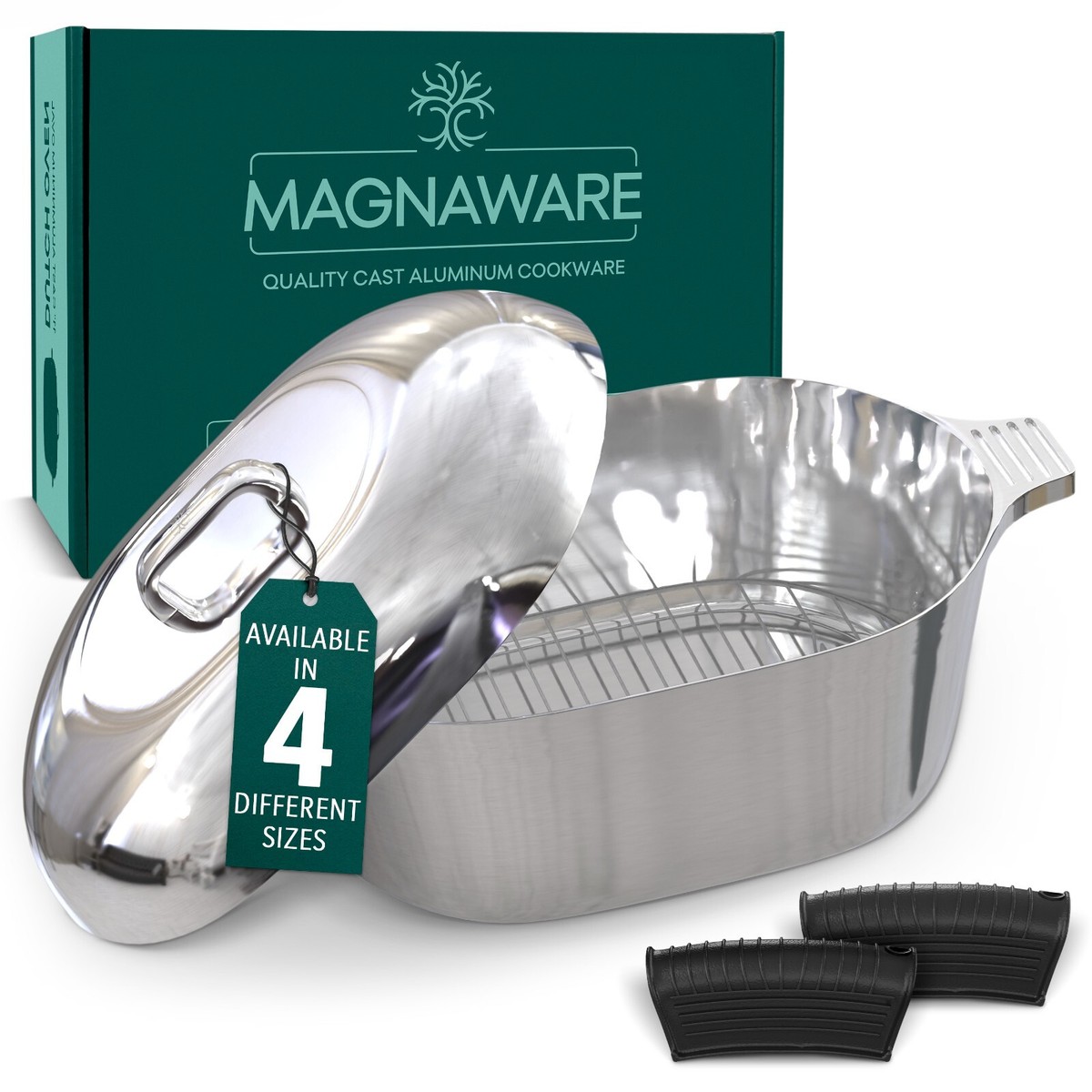
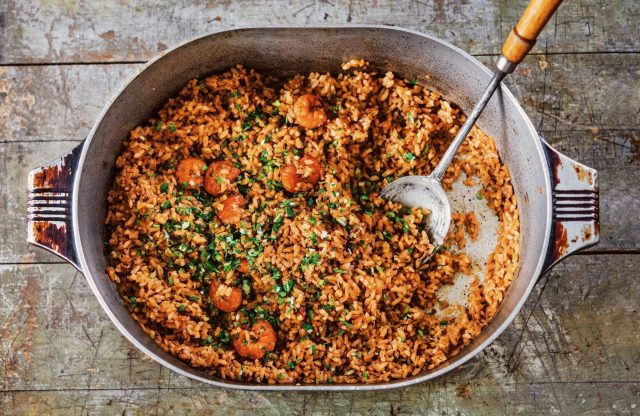
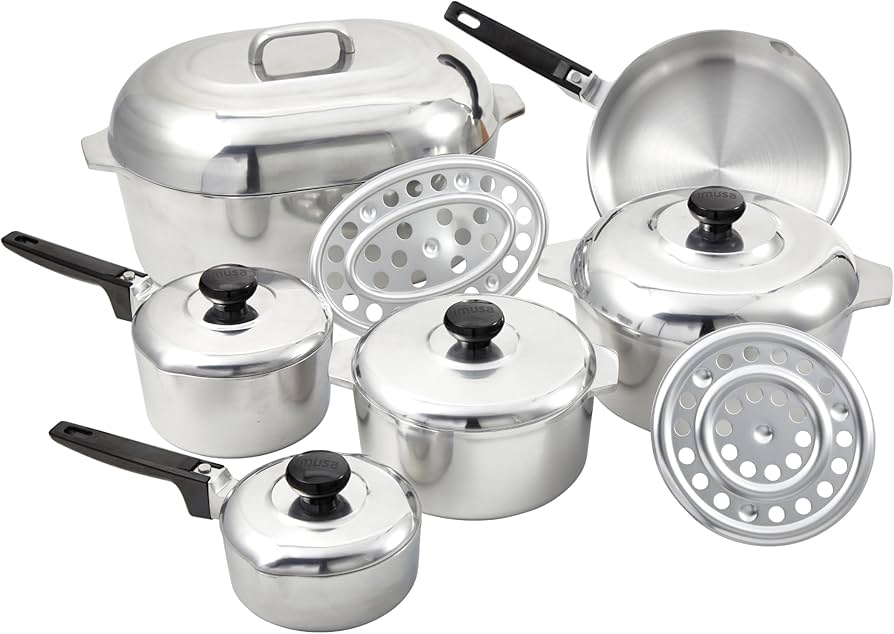
No Cajun kitchen is complete without a jambalaya pot. This pot is designed specifically for making jambalaya. It has a wide base and tall sides.
- Capacity: Perfect for serving large groups.
- Material: Often made of aluminum or stainless steel.
- Heat Distribution: Ensures even cooking of rice and meat.
Using a jambalaya pot allows for:
- Flavorful one-pot meals.
- Easy stirring and mixing.
- Great presentation for serving guests.
Credit: www.amazon.com
Must-have Cajun Kitchen Tools
Cooking Cajun food requires the right tools. These tools enhance flavor and efficiency. Here are essential Cajun kitchen tools for every cook.
Cajun Stir Paddle
A Cajun stir paddle is a must-have. It mixes flavors evenly. This tool is perfect for large pots. It helps prevent sticking and burning.
- Made from durable wood or silicone.
- Long handle for easy stirring.
- Wide surface to mix ingredients.
Choose a stir paddle that feels comfortable. A good grip allows for better control. This tool is vital for gumbo and jambalaya.
Meat Thermometer
A reliable meat thermometer ensures safe cooking. Cajun dishes often feature meats. Correct temperatures maintain juicy textures.
| Meat Type | Safe Cooking Temperature (°F) |
|---|---|
| Poultry | 165 |
| Pork | 145 |
| Beef | 160 |
Using a meat thermometer prevents undercooking. It also avoids overcooking. This tool boosts confidence in cooking meats.
Spice Grinder
A spice grinder unlocks flavors in Cajun cooking. Whole spices offer better taste than pre-ground ones. Freshly ground spices elevate any dish.
- Choose a manual or electric grinder.
- Look for sturdy materials.
- Easy to clean for convenience.
Grind spices just before use. This maximizes aroma and flavor. Essential spices include cayenne pepper, paprika, and thyme.
Selecting The Right Cookware
Selecting the right cookware is crucial for Cajun cooking. Quality cookware enhances flavors and ensures even cooking. Choose wisely to enjoy delicious meals.
Material Matters
Cookware material affects heat distribution and flavor. Here are the common materials:
- Cast Iron: Great for heat retention. Perfect for frying and baking.
- Stainless Steel: Non-reactive and durable. Ideal for sauces and browning.
- Copper: Excellent heat conductor. Offers precise temperature control.
- Non-Stick: Easy cleanup. Good for delicate foods like eggs.
Each material has unique benefits. Choose based on cooking style and preferences.
Size And Capacity
Cookware size impacts cooking efficiency. Consider these factors:
- Family Size: Bigger families need larger pots and pans.
- Recipe Requirements: Follow recipe sizes for best results.
- Storage Space: Ensure cookware fits in your kitchen.
Common sizes include:
| Cookware Type | Typical Size | Best For |
|---|---|---|
| Skillet | 10-12 inches | Frying and sautéing |
| Stock Pot | 6-12 quarts | Soups and stews |
| Casserole Dish | 2-5 quarts | Baking and casseroles |
Choose sizes that fit your cooking needs. Enjoy making authentic Cajun dishes!
Caring For Your Cajun Cookware
Cajun cookware, especially cast iron, needs special care. Proper maintenance keeps your cookware in top shape. It enhances flavor and extends its lifespan. Follow these tips to keep your Cajun cookware ready for any dish.
Seasoning Your Cast Iron
Seasoning is essential for cast iron cookware. It creates a natural non-stick surface. Here’s how to season your cast iron:
- Clean the cookware with warm water and a stiff brush.
- Dry it completely with a towel.
- Apply a thin layer of vegetable oil or shortening.
- Place it upside down in the oven.
- Bake at 350°F (175°C) for one hour.
- Turn off the oven and let the cookware cool inside.
Repeat this process regularly for best results. Seasoning helps prevent rust. It also improves the cookware’s cooking performance.
Maintenance Tips
Proper maintenance keeps your Cajun cookware in excellent condition. Follow these simple tips:
- Clean after each use: Use hot water and a brush.
- Avoid soap: Soap can strip the seasoning.
- Dry immediately: Moisture causes rust.
- Store it properly: Keep it in a dry place.
- Re-season as needed: Reapply oil if the surface looks dull.
These tips ensure your Cajun cookware lasts for years. Enjoy cooking with a well-maintained cast iron pot or skillet!
Recipes To Get Started
Ready to dive into the world of Cajun cooking? Here are two classic recipes to help you get started. These dishes are flavorful and perfect for your Cajun cookware. Enjoy the deliciousness of Louisiana cuisine right at home!
Classic Jambalaya
Jambalaya is a one-pot dish full of spices, meats, and rice. It’s a staple in Cajun cooking. Here’s how to make it:
- Ingredients:
- 1 lb chicken, diced
- 1 lb andouille sausage, sliced
- 1 cup bell pepper, chopped
- 1 cup onion, chopped
- 1 cup celery, chopped
- 2 cups rice
- 4 cups chicken broth
- 2 tsp Cajun seasoning
- Salt and pepper to taste
- In a large pot, heat oil over medium heat.
- Add chicken and sausage. Cook until browned.
- Add bell pepper, onion, and celery. Sauté for 5 minutes.
- Stir in rice, broth, and Cajun seasoning.
- Bring to a boil, then reduce heat. Cover and simmer for 20 minutes.
- Fluff with a fork and serve hot!
Cajun Seafood Gumbo
Cajun seafood gumbo is a rich and hearty stew. It combines seafood and spices for a delightful meal. Follow these simple steps:
- Ingredients:
- 1 lb shrimp, peeled and deveined
- 1 lb crab meat
- 1 cup okra, sliced
- 1 cup bell pepper, chopped
- 1 cup onion, chopped
- 1 cup celery, chopped
- 4 cups seafood stock
- 2 tbsp Cajun seasoning
- Salt and pepper to taste
- In a large pot, heat oil over medium heat.
- Add onion, bell pepper, and celery. Sauté until soft.
- Stir in okra and cook for 5 minutes.
- Add seafood stock and Cajun seasoning. Bring to a boil.
- Reduce heat and add shrimp and crab meat. Cook for 10 minutes.
- Serve with rice or crusty bread.
These two recipes will get you started on your Cajun cooking journey. Enjoy the rich flavors and traditions of Louisiana right in your kitchen!
Expanding Your Cajun Cooking Skills
Enhancing your Cajun cooking skills opens a world of flavor. Dive into advanced techniques and explore regional variations. Each step brings you closer to mastering this rich culinary tradition.
Advanced Techniques
Mastering advanced techniques can elevate your Cajun dishes. Focus on these methods:
- Roux Preparation: This is the base for many dishes. Cook flour and fat slowly until golden brown.
- Brining: Soak meats in a salt solution. This adds moisture and flavor.
- Smoking: Infuse dishes with a smoky flavor. Use wood chips for authentic taste.
- Slow Cooking: Allow flavors to meld over time. Use a slow cooker for convenience.
Try these techniques in your next meal. They create depth and complexity in flavors.
Exploring Regional Variations
Cajun cuisine varies across regions. Each area has its unique twist. Here are some notable variations:
| Region | Signature Dish | Main Ingredients |
|---|---|---|
| New Orleans | Gumbo | Sausage, seafood, okra, and spices |
| Acadiana | Jambalaya | Chicken, sausage, shrimp, and rice |
| Bayou Teche | Etouffee | Crawfish, roux, and seasonings |
Discover these regional dishes. Each offers a new taste of Cajun culture.
Frequently Asked Questions
What Is Cajun Cookware Made Of?
Cajun cookware is typically made from cast iron, aluminum, or stainless steel. These materials are ideal for high-heat cooking and even heat distribution. Cast iron, in particular, retains heat well and adds a unique flavor to dishes. This makes it a favorite for traditional Cajun recipes.
How Do You Season Cajun Cast Iron Cookware?
To season Cajun cast iron cookware, clean it thoroughly and dry it completely. Apply a thin layer of vegetable oil to the surface. Heat the cookware upside down in an oven at 350°F for an hour. This process creates a non-stick surface and enhances the flavor of your dishes.
Can I Use Cajun Cookware On Induction Stoves?
Yes, you can use Cajun cookware on induction stoves if it is made from magnetic materials like cast iron or stainless steel. Ensure the base is flat to ensure proper contact with the induction surface. This compatibility allows for even heating and excellent cooking performance.
Is Cajun Cookware Dishwasher Safe?
Most Cajun cookware, especially cast iron, is not dishwasher safe. Dishwashers can strip the seasoning and cause rust. It’s best to wash Cajun cookware by hand using warm water and a gentle sponge. This method preserves the seasoning and extends the life of your cookware.
Conclusion
Cajun cookware is essential for anyone who loves flavorful, hearty meals. Its unique design enhances cooking techniques and brings out authentic flavors. Investing in quality Cajun cookware can elevate your culinary skills. Embrace the rich traditions of Cajun cooking and enjoy delicious dishes that will impress family and friends.


Leave a Reply