
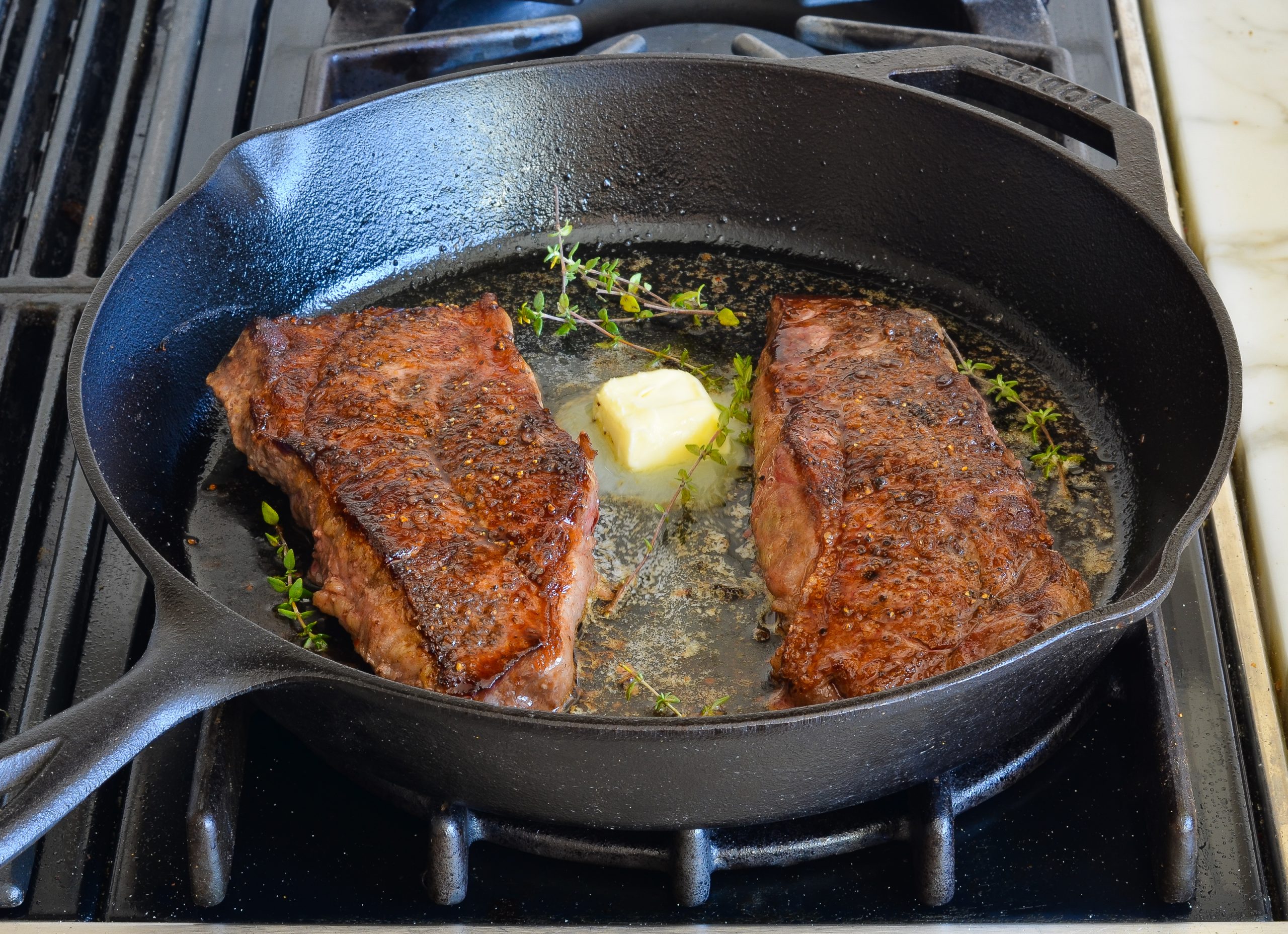
The best way to pan-fry a steak is to use high heat and a short cooking time. Season the steak well and use a cast-iron skillet for optimal results.
Best Way to Pan Fry a Steak:Preparing a perfectly pan-fried steak is an art that combines the right technique with quality ingredients. Mastering this method elevates a simple cut of beef into a mouth-watering meal. A cast-iron skillet is essential for its heat retention and ability to produce a flavorful crust.
The key is to start with a room-temperature steak; this ensures even cooking. Seasoning is also crucial, as it brings out the meat’s natural flavors. A blend of salt, pepper, and a touch of garlic powder can work wonders. Remember, timing is everything – just a few minutes per side can mean the difference between rare and well-done. A well-prepped pan and a watchful eye will yield a steak that’s seared on the outside and tender on the inside, ready to make any dinner memorable.
Choosing The Right Steak For Pan Frying
Steak lovers know the cut makes a difference. Pan-frying requires a specific selection. The right steak promises a juicy, flavorful experience. Let’s explore the best choices.
Factors Influencing Steak Selection
- Marbling: Fat within the muscle adds moisture.
- Thickness: Aim for at least one inch.
- Texture: Tender cuts improve pan-frying results.
- Age: Aged steak equals more flavor.
Top Cuts For Pan Frying
| Cut | Features | Why It’s Great |
|---|---|---|
| Ribeye | Marbling, tender | Rich flavor, juicy texture |
| Strip Steak | Lean, minimal fat | Intense beefy taste |
| Filet Mignon | Low fat, very tender | Butter-like texture |
| Sirloin | Lean, meaty | Hearty flavor, less expensive |
:max_bytes(150000):strip_icc()/Cook-the-perfect-restaurant-steak-336360_final-d0c928820c5543d384d04f8e711b4196.png)
Credit: www.thespruceeats.com
Preparation Steps Before Cooking
Before setting your steak sizzling in the pan, proper preparation ensures a delectable outcome. A well-prepped steak transforms from simple to sublime with a few key steps. Here’s how to get your steak ready for that perfect sear.
Achieving Room Temperature
Bringing your steak to room temperature is crucial. A cold steak cooks unevenly, risking a tough, chewy meal. Aim for about 20 to 30 minutes on the counter. This step allows the steak to cook more uniformly, promising a juicier bite.
Seasoning For Enhanced Flavor
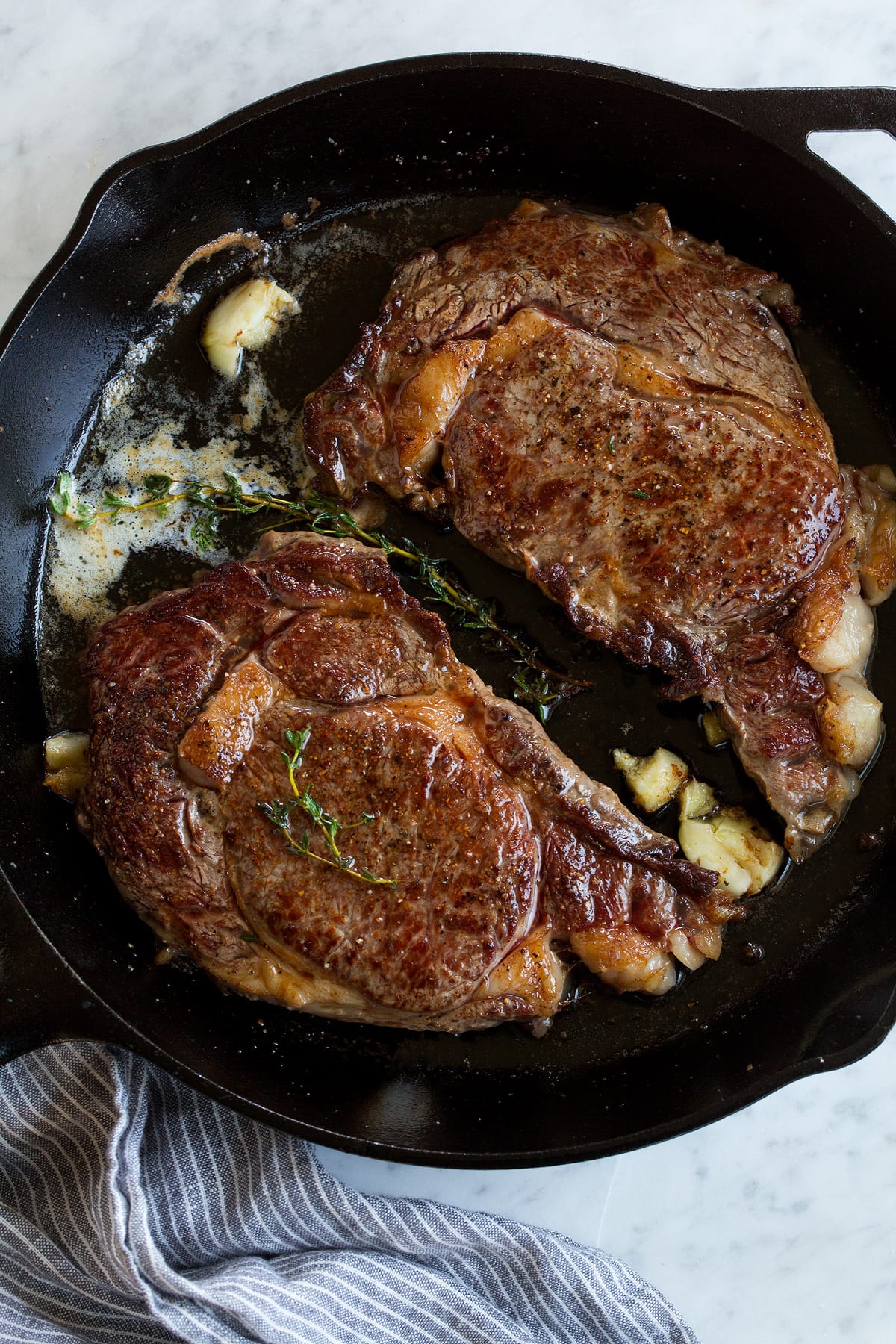
Seasoning is essential for flavor. Salt and pepper are your best friends here. Generously season both sides of the steak. The salt not only flavors but also helps to create a perfect crust. Feel free to add herbs like thyme or rosemary for an aromatic touch. For an extra kick, a pinch of garlic powder makes a difference.
- Pat steak dry before seasoning
- Use coarse salt for a crunchy texture
- Press seasoning gently into the meat
Follow these preparation steps closely. Your pan-fried steak will be a testament to your culinary skills. Ready your pans, and let’s cook a steak that sizzles with flavor and tenderness!
Selecting Your Pan And Cooking Oil
Mastering pan-fried steak starts with two essentials: the right pan and the right oil. A perfect sear requires tools that distribute heat evenly and withstand high temperatures. Let’s explore the best options to ensure a mouth-watering steak every time.
Best Pans For Steak
Choosing a pan is crucial for pan-frying steak. A pan’s material and thickness affect heat distribution. Consider these top choices:
- Cast Iron Skillets: They retain heat well and create a great sear.
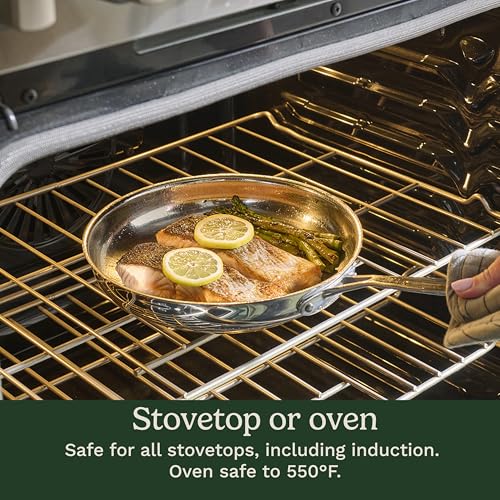
- Stainless Steel Pans: These are durable and offer even cooking.
- Carbon Steel Pans: Lighter than cast iron, they heat up quickly.
Ensure your pan is oven-safe. Some recipes finish steaks in the oven.
Choosing Your Oil Wisely
The right oil can make or break your steak’s flavor and texture. Pick oils with a high smoke point:
| Oil Type | Smoke Point |
|---|---|
| Canola Oil | 400°F (204°C) |
| Vegetable Oil | 400-450°F (204-232°C) |
| Avocado Oil | 520°F (271°C) |
| Grapeseed Oil | 420°F (216°C) |
Avoid extra virgin olive oil; its low smoke point can cause burning.
Remember, the oil should coat the pan’s surface, not submerge the steak.
Mastering The Heat: Getting It Just Right
Steak lovers know that heat is the secret to a perfect pan-fried steak. Mastering the control of your pan’s temperature turns a good steak into an unforgettable meal.
Understanding Heat Levels
Heat levels affect steak texture and flavor. High heat seals in juices, creating a delicious crust. Medium heat cooks the steak evenly through the middle. Low heat can slow-cook the steak, but might not give you the crust you desire.
- High Heat: Searing and browning.
- Medium Heat: Even cooking inside.
- Low Heat: Slow cooking, less crust.
Preheating Your Pan
Preheating your pan ensures a consistent cooking temperature. Place your pan on the stove and set it to high heat. Allow it to heat for a few minutes. You can test the pan’s readiness by adding a drop of water; if it sizzles, it’s ready.
| Step | Action | Indicator |
|---|---|---|
| 1 | Set pan to high heat | Pan heats up |
| 2 | Wait a few minutes | Pan reaches cooking temp |
| 3 | Add drop of water | Water sizzles on contact |
Tip: Use a heavy pan like cast iron for best results. It holds heat well and gives your steak a great sear.
The Art Of Pan Frying Steak
The Art of Pan Frying Steak turns a simple meal into a mouthwatering experience. Achieving the perfect pan-fried steak involves precision, timing, and a bit of culinary finesse. Whether it’s a ribeye or a sirloin, the right approach can lead to a delicious result.
Placing Your Steak
Begin with a room temperature steak. Pat it dry to remove excess moisture. Season both sides generously with salt and pepper.
Heat your pan over high heat. Use a cast iron skillet for even heating. Once hot, add oil with a high smoke point, like canola or grapeseed.
Place your steak in the pan. Lay it away from you to avoid splashes. Do not move it for a few minutes. This helps create a crust.
The Secret To A Good Sear
- Preheat your pan until it’s hot. This is crucial for a good sear.
- Use just enough oil to coat the bottom of the pan. It prevents sticking and helps conduct heat.
- Resist the urge to move the steak too soon. Let the crust form without disturbance.
- Flip the steak only once, after a golden crust appears.
- After flipping, add butter, garlic, and herbs. Baste the steak with this mixture for extra flavor.
- Check doneness with a meat thermometer. For medium-rare, aim for 130°F (54°C).
- Rest the steak for 5 minutes before cutting. This redistributes the juices.

Credit: kalejunkie.com
Timing And Flipping For Perfection
Mastering the art of pan-frying a steak starts with timing and flipping techniques. Getting these right ensures a perfectly cooked, juicy steak every time. Let’s dive into the crucial steps of cooking times and flipping methods that will take your steak from good to great.
How Long To Cook Each Side
Cooking times vary based on steak thickness and desired doneness. Use the following as a guide:
| Thickness | Rare | Medium-Rare | Medium | Well-Done |
|---|---|---|---|---|
| 1 inch | 2-3 mins | 3-4 mins | 4-5 mins | 5-6 mins |
| 1.5 inches | 3-4 mins | 4-5 mins | 5-6 mins | 6-7 mins |
Use a timer for accuracy. A preheated pan is key.
Flipping Techniques
Flipping steak correctly is crucial for even cooking. Here are some tips:
- Use tongs – They provide a firm grip without piercing the meat.
- Flip once – Flipping multiple times can lead to uneven cooking.
- Be gentle – Drop the steak smoothly back into the pan to avoid oil splatter.
Remember, a good sear before flipping seals in juices. Flip when the steak easily releases from the pan.
Testing For Doneness: A Chef’s Guide
Mastering the perfect steak requires knowing when it’s just right. Let’s dive into the chef-approved methods for testing steak doneness.
Using A Meat Thermometer
Accuracy matters when cooking steak. A meat thermometer is a chef’s best friend. Here’s how to use it:
- Insert the thermometer into the steak’s thickest part.
- Avoid touching bones or fat for an accurate reading.
- Check the temperature against doneness levels:
| Doneness | Temperature |
|---|---|
| Rare | 125°F (52°C) |
| Medium Rare | 135°F (57°C) |
| Medium | 145°F (63°C) |
| Medium Well | 150°F (66°C) |
| Well Done | 160°F (71°C) |
The Finger Test Method
The finger test is a quick and simple way to test steak. Follow these steps:
- Relax your hand, palm up.
- Touch the fleshy area under your thumb.
- Compare the steak’s firmness to this area.
Here’s the firmness guide:
- Rare: Feels like the base when your hand is open.
- Medium Rare: Feels like the base when your thumb touches your index finger.
- Medium: Feels like the base when thumb touches middle finger.
- Medium Well: Feels like the base when thumb touches ring finger.
- Well Done: Feels like the base when thumb touches pinky finger.
Resting Your Steak: The Final, Crucial Step
After pan-frying your steak to perfection, don’t rush to slice it. Resting your steak is the final step. It’s key to a juicy and flavorful meal. Let’s dive into why this stage is crucial.
Why Resting Is Important
Resting allows the juices to redistribute throughout the steak. Cutting too soon leads to dry, less tasty meat. Heat causes steak juices to move to the center. Resting gives them time to seep back throughout the meat. This ensures every bite is succulent.
How Long To Let It Rest
Time is critical for resting your steak. The rule of thumb is to rest for half the cooking time. A ten-minute cook time means a five-minute rest. Use this guide:
| Steak Size | Resting Time |
|---|---|
| 1 inch thick | 5 minutes |
| 1.5 inches thick | 7 minutes |
| 2 inches thick | 10 minutes |
Cover your steak with foil during rest. This keeps it warm without cooking further. Set a timer to remind you. Your patience will be rewarded with the best steak experience.
Serving Suggestions And Pairings
Now that you’ve mastered pan-frying a steak, let’s talk about serving suggestions and pairings. The right sides and drinks make your meal perfect. Let’s dive into the best options.
Complementary Side Dishes
The perfect steak deserves amazing sides. Here are top picks:
- Roasted Vegetables – Easy and healthy.
- Garlic Mashed Potatoes – Creamy and rich.
- Caesar Salad – Fresh and crisp.
- Grilled Asparagus – Smoky and tender.
Wine Pairings For The Perfect Meal
Steak and wine are best friends. Here’s how to match them:
| Steak Type | Wine Recommendation |
|---|---|
| Filet Mignon | Pinot Noir |
| Ribeye | Cabernet Sauvignon |
| Sirloin | Merlot |
| T-Bone | Shiraz |
Credit: www.cookingclassy.com
Frequently Asked Questions
What Is The Best Way To Cook A Steak In A Frying Pan?
To cook a perfect steak in a frying pan, heat it to medium-high. Season the steak on both sides. Place it in the pan, searing each side for 3-4 minutes for medium-rare. Let it rest for 5 minutes before serving for juiciness.
Is It Better To Pan Fry Steak In Butter Or Oil?
Pan-frying steak in oil is typically better as it has a higher smoke point than butter, ensuring a good sear without burning.
Do You Pan Fry Steak On High Or Low Heat?
Pan fry steak on high heat to sear the outside, then finish cooking on medium heat for desired doneness.
Should You Pan Fry Steak Covered Or Uncovered?
Pan fry steak uncovered for the best results. Covering can steam the meat, preventing a desirable crust. Aim for high heat and short cooking time for a perfect sear.
Conclusion
Mastering the art of pan-frying steak elevates your cooking game. It’s about simplicity, timing, and technique. Remember, a perfect sear and internal temperature are key. Use these tips to ensure juicy, flavorful results every time. Impress your guests or indulge solo; either way, pan-fried steak promises a delightful culinary experience.
Let’s make every meal memorable.

Leave a Reply