
Non-stick ceramic pans are the best choice for frying eggs because they prevent sticking while distributing heat evenly. When it comes to cooking the perfect fried egg, your choice of pan makes all the difference. I've spent years testing different cookware, and I can tell you that using the right pan transforms your breakfast from a frustrating sticky mess into a smooth, enjoyable cooking experience. Whether you're a beginner who's struggled with eggs sticking to your pan or someone looking to upgrade your kitchen setup, understanding the differences between pan types will help you make the best decision for your needs. In this comprehensive guide, I'll walk you through the top pans for frying eggs, explain what makes each one special, and share practical tips I've learned from countless breakfast sessions.
:max_bytes(150000):strip_icc()/faw-best-egg-pans-tout-78fcdcea4322404f98a6f32ffa721618.jpg)
Understanding Pan Materials for Frying Eggs
The material of your pan directly impacts how your eggs cook. Different materials heat differently, distribute temperature unevenly or evenly, and interact with your food in unique ways. Let me break down what happens when you choose each type.
Non-stick pans use a special coating that prevents food from sticking to the surface. This coating is typically made from polytetrafluoroethylene (PTFE), commonly known as Teflon, or newer ceramic alternatives. The non-stick surface means you need minimal oil or butter, making your eggs healthier and easier to flip. I've found that non-stick pans are forgiving—even if your timing isn't perfect, your eggs won't bond permanently to the pan.
Cast iron pans are seasoned iron cookware that develops a natural non-stick surface over time. These pans heat slowly but retain heat incredibly well, meaning your eggs cook evenly without hot spots. Cast iron requires more maintenance, but many home cooks swear by the superior heat retention and durability. After seasoning properly, cast iron becomes virtually non-stick and can last for generations.
Stainless steel pans offer durability and a professional appearance. They heat quickly and distribute temperature relatively evenly across the cooking surface. However, stainless steel isn't naturally non-stick, so your eggs may require more butter or oil to prevent sticking. Many experienced cooks prefer stainless steel because it works beautifully once you understand the preheating technique.
Carbon steel pans sit between cast iron and non-stick options. They're lighter than cast iron, heat up faster, and can develop a natural patina similar to cast iron. Carbon steel pans offer excellent heat distribution and are ideal if you want something durable without the weight of traditional cast iron.
:max_bytes(150000):strip_icc()/sea-oxo-obsidian-pre-seasoned-carbon-steel-pan-10in-nsimpson-673-414a3d76d69a4c16805d34b6c836af58.jpeg)
The Best Pans for Frying Eggs
Finding the best pans for frying eggs depends on your cooking style, budget, and kitchen preferences. Let me walk you through the top choices I recommend based on real-world testing.
Non-Stick Ceramic Pans
Non-stick ceramic pans are my top recommendation for most home cooks. These pans feature a ceramic coating instead of traditional PTFE, making them a safer and more environmentally friendly option. The ceramic surface heats evenly and provides excellent non-stick properties that make frying eggs effortless. I've used ceramic pans for hundreds of eggs, and they consistently deliver beautiful, sunny-side-up eggs that slide right onto your plate.
The advantages of ceramic pans include easy cleanup, minimal oil or butter needed, and even heat distribution across the cooking surface. They're also safer than traditional non-stick pans since they don't contain harmful chemicals. The ceramic coating feels smooth under your eggs, allowing them to cook without sticking. Most ceramic pans are oven-safe up to 400 degrees Fahrenheit, giving you cooking flexibility beyond stovetop frying.
The main limitation of ceramic pans is that the coating gradually wears off with heavy use and high heat. You might notice the non-stick properties diminishing after one to two years of regular use. Additionally, ceramic pans are more expensive upfront than some alternatives, and they require gentle care—no metal utensils or harsh scrubbing.
Traditional Non-Stick Pans with PTFE
Traditional non-stick pans with PTFE coating remain popular for frying eggs. These pans offer reliable non-stick performance and heat quickly for fast breakfast preparation. I've tested several PTFE pans, and they perform exceptionally well for eggs, particularly when you use medium heat. The established technology means these pans are widely available and reasonably priced.
PTFE pans work beautifully for frying eggs because the surface resists egg proteins from bonding. Your eggs maintain their shape, the yolks stay intact, and cleanup is remarkably simple. Many cooks appreciate that PTFE pans have been around for decades, so you know what you're getting.
However, PTFE pans have safety concerns if heated above 500 degrees Fahrenheit, which can release harmful fumes. While normal egg cooking operates well below this temperature, some people prefer avoiding PTFE entirely. The coating also degrades over time, particularly if you use high heat or metal utensils. Replacing non-stick pans regularly can become expensive long-term.
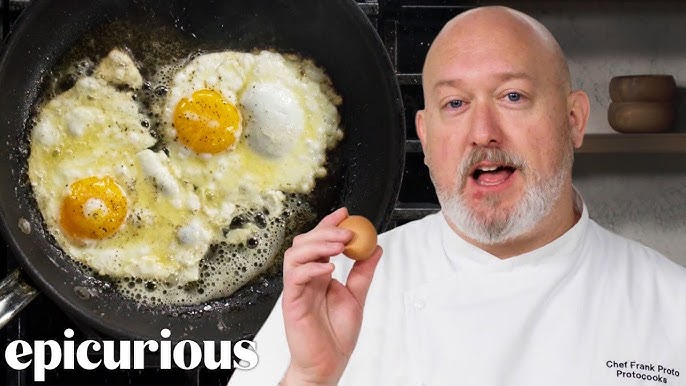
Cast Iron Skillets
Cast iron skillets represent the most durable option for frying eggs. Once properly seasoned, cast iron develops a naturally non-stick surface that actually improves with use. I have a cast iron skillet my grandmother used that still fries eggs perfectly. The exceptional heat retention means your eggs cook evenly without temperature fluctuations that create rubbery edges.
Cast iron pans work wonderfully for frying eggs because they reach a stable temperature quickly and maintain it throughout cooking. The heavy construction prevents hot spots, and you can achieve those beautiful, crispy edges if you prefer them. Cast iron also looks beautiful on the table if you serve breakfast straight from the pan. These pans are incredibly affordable, especially for the lifespan you'll get from them.
The challenge with cast iron is the maintenance requirement. You must season the pan regularly, hand-wash it immediately after cooking, and store it in a dry location to prevent rust. Seasoning takes time and patience, though once established, the maintenance becomes routine. Cast iron also heats slowly, so you need to plan ahead for breakfast preparation.
Stainless Steel Pans
Stainless steel pans offer durability and professional-grade cooking performance. These pans are virtually indestructible, heat evenly with proper preheating, and work beautifully for frying eggs once you master the technique. I've used the same stainless steel pan for over five years, and it performs as well as the day I bought it. Stainless steel requires no seasoning and handles all cleaning methods without damage.
For frying eggs in stainless steel, the key is preheating properly and using adequate butter or oil. The trick involves heating the pan until a drop of water forms a ball and rolls across the surface. This indicates the pan is hot enough that your eggs won't stick. Once you develop this skill, stainless steel delivers consistently excellent results.
Stainless steel pans aren't naturally non-stick, so they require more fat for cooking eggs. They also heat unevenly without proper preheating, potentially creating hot spots that cook eggs inconsistently. Some cooks find stainless steel frustrating initially, though patience and technique overcome these limitations.
Carbon Steel Pans
Carbon steel pans combine many advantages of both cast iron and non-stick options. They heat faster than cast iron, weigh significantly less, and develop a natural patina that becomes non-stick over time. I've been testing carbon steel pans for frying eggs, and they're becoming my second favorite option after ceramic. Carbon steel pans are excellent for cooks who want durability without the weight of traditional cast iron.
Carbon steel requires seasoning similar to cast iron, though it seasons faster and the process is more forgiving. Once seasoned, the cooking surface becomes increasingly non-stick with regular use. Carbon steel heats more evenly than cast iron and responds faster to temperature changes, giving you better control when cooking eggs. These pans are priced between cast iron and non-stick options, making them economical long-term investments.
The learning curve involves understanding how to build and maintain the patina on your carbon steel pan. You'll need to hand-wash it and maintain the seasoning through regular cooking. Some home cooks find this requirement less convenient than modern non-stick options, though others love the traditional cooking experience.
:max_bytes(150000):strip_icc()/faw-product-caraway-cookware-set-jkim-0017-6d59b701b3d5477a991a534c0757e562.jpeg)
Key Features to Look for When Choosing Pans for Frying Eggs
Several features significantly impact how well a pan works for frying eggs. Understanding these characteristics helps you make an informed decision that aligns with your cooking style.
The size of your pan matters considerably. Smaller pans work best for frying eggs because they concentrate heat more effectively and give you better control over the cooking temperature. An 8-inch or 10-inch pan is ideal for frying one to three eggs simultaneously. Larger pans spread heat over a wider area, making temperature management more challenging.
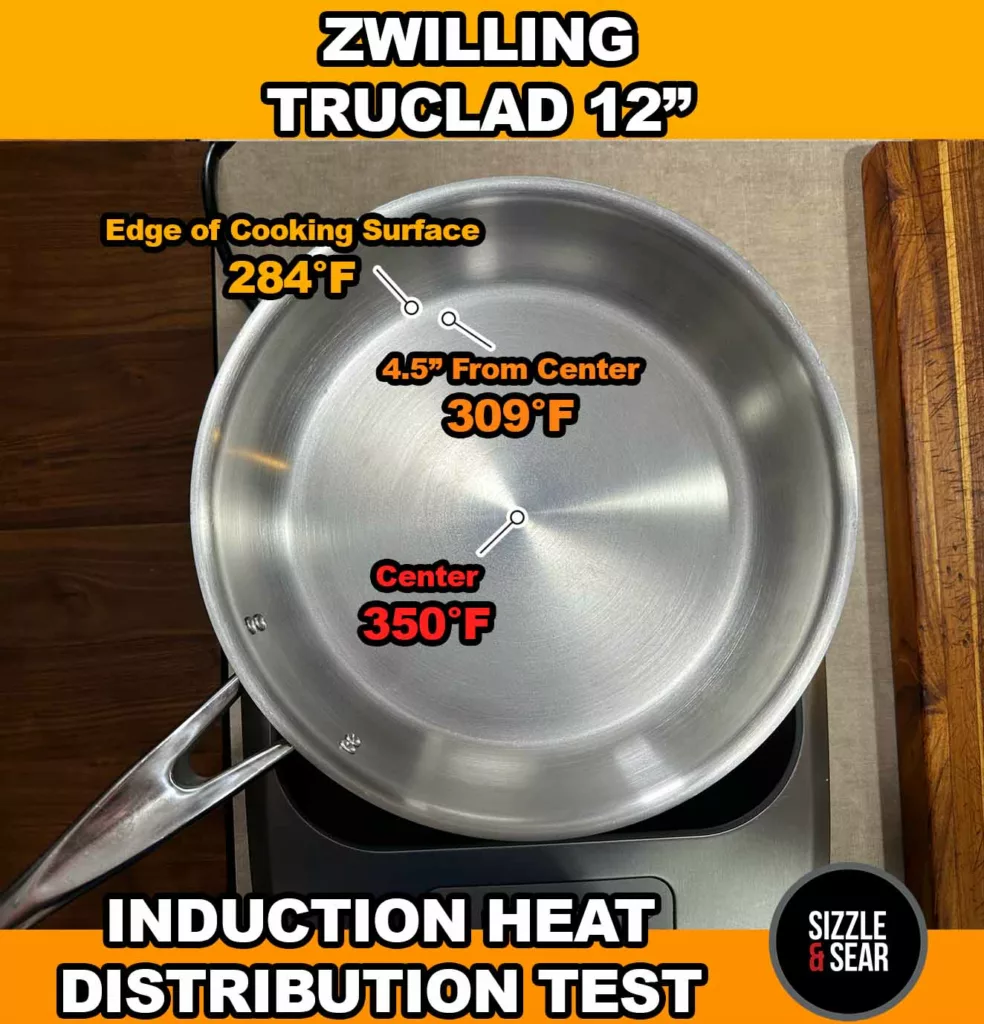
Heat distribution determines whether your eggs cook evenly or develop hot spots where parts cook faster than others. Pans with excellent heat distribution cook eggs consistently from center to edge. Aluminum and copper cores in the pan base improve heat distribution significantly. I notice a real difference when using a pan with even heat versus one with hot spots.
The handle design affects safety and comfort during cooking. You want a handle that stays cool on the stovetop and feels comfortable to grip. Some pan handles get too hot, forcing you to use a towel every time you touch them. Look for handles made from materials like stainless steel or silicone that resist heat transfer.
Pan depth determines how much oil you need and how easily you can slide your eggs. Deeper pans hold more oil, which can be good for controlled frying or poaching-style eggs. Shallower pans work better for simple fried eggs. Most experts recommend pans with sides at least 1.5 inches tall to prevent oil splashing.
Weight influences how quickly the pan heats and how stable it is on your stovetop. Heavier pans distribute heat more evenly but take longer to preheat. Lighter pans heat quickly but may have hot spots. Your personal preference determines whether you prioritize quick heating or superior heat distribution.

Comparison Table of Best Pans for Frying Eggs
Understanding how different pans compare helps you narrow down your choice based on priorities. Here's what matters most across pan types.
Non-Stick Ceramic: Price is moderate, durability is 1-2 years, heat distribution is excellent, learning curve is minimal, and maintenance is easy.
PTFE Non-Stick: Price is low, durability is 1-3 years, heat distribution is good, learning curve is minimal, and maintenance is easy.
Cast Iron: Price is very low, durability is decades, heat distribution is excellent, learning curve is moderate, and maintenance is moderate.
Stainless Steel: Price is moderate to high, durability is decades, heat distribution is good with preheating, learning curve is moderate, and maintenance is easy.
Carbon Steel: Price is moderate, durability is decades, heat distribution is very good, learning curve is moderate, and maintenance is moderate.
This comparison shows that durability differs significantly across pan types. Non-stick options require replacement every few years, while metal pans last decades. If budget is your primary concern, cast iron offers unbeatable value. If you prioritize convenience, ceramic non-stick pans provide the easiest experience.
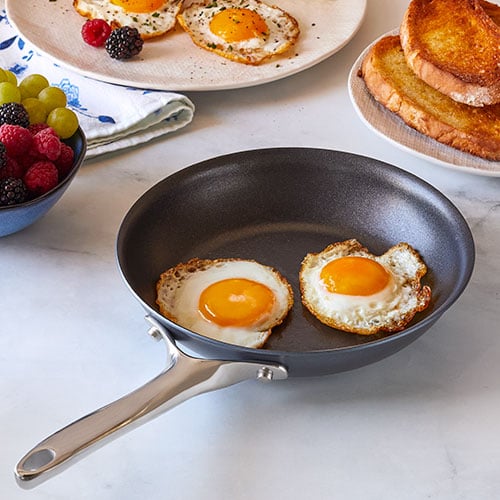
Cooking Techniques for Perfect Fried Eggs in Different Pans
The technique for frying eggs varies slightly depending on your pan choice. Mastering the appropriate technique ensures consistently excellent results regardless of which pan you use.
Non-Stick Pan Technique
Start by heating your non-stick pan over medium heat for about one minute. Add a small amount of butter or oil—just enough to coat the bottom. Once the butter foams or oil shimmers, crack your eggs directly into the pan. Cook for about three to four minutes until the whites are set but the yolks remain runny, or continue cooking longer if you prefer firmer yolks.
The beauty of non-stick pans is that you can use a soft spatula without worrying about scratching or sticking. You can easily flip eggs if you prefer them over-easy, or serve them sunny-side-up without any sticking. The low heat required means you avoid browning the whites excessively, keeping them tender and delicate.
Cast Iron Technique
Preheat your cast iron skillet in a 350-degree Fahrenheit oven for about five minutes, or place it over medium-low heat on the stovetop for three minutes. Add butter and let it melt completely. Crack your eggs into the pan and cook until whites set, about five to seven minutes depending on how firm you like the yolks.
Cast iron's heat retention means the temperature stays consistent throughout cooking. This creates beautiful results with slightly crispy edges that many cooks find appealing. You can finish cooking by placing the entire skillet in a preheated oven if you prefer, which ensures the yolks cook to your exact preference without overcooking the whites.
Stainless Steel Technique
Heat your stainless steel pan over medium-high heat for two to three minutes. Test if it's ready by placing a drop of water on the surface—it should form a ball and roll around. Add butter and immediately crack your eggs in once it foams. Cook for four to five minutes, occasionally tilting the pan to distribute hot butter around the eggs.
The key to success with stainless steel is not rushing the preheating process. Once the pan is properly heated, your eggs won't stick despite the lack of non-stick coating. The cooking experience feels more interactive than non-stick pans because you can see and control what's happening through the stainless surface.

Common Mistakes to Avoid When Frying Eggs
I've made most of these mistakes myself, and I've learned what to avoid for better results. Learning from these experiences will save you frustration.
Using heat that's too high ruins eggs quickly. High heat causes the bottoms to brown excessively while the yolks remain runny. Your egg whites become tough and rubbery instead of tender. Medium or medium-low heat works best for nearly all pan types.
Overcrowding the pan with too many eggs prevents even cooking. If eggs are touching, some cook faster than others. Cook eggs in batches if needed—there's no award for cooking all of them simultaneously.
Not preheating your pan creates temperature inconsistencies during cooking. Cold pans cook eggs unevenly and increase sticking potential. Even thirty seconds of preheating makes a measurable difference in results.
Using insufficient fat causes sticking in non-seasoned pans and produces drier eggs overall. Butter or oil adds flavor and ensures the eggs cook smoothly. One tablespoon per two eggs is a good guideline.
Flipping eggs too aggressively breaks yolks and damages the cooked whites. Use gentle movements with a soft spatula, or avoid flipping entirely if you prefer sunny-side-up eggs. Practice makes this second nature.

Frequently Asked Questions
What size pan is best for frying eggs?
An 8 to 10-inch pan is ideal for frying eggs because it concentrates heat effectively and gives you control over cooking temperature. Larger pans create temperature variations across the cooking surface, while smaller pans may feel cramped if you're cooking multiple eggs.
How do I know when my pan is hot enough for frying eggs?
For non-stick pans, medium heat for one minute is sufficient. For stainless steel, place a drop of water on the surface—it should form a ball and roll around. For cast iron, preheat in a 350-degree oven or on the stovetop for several minutes until it feels hot to the touch.
Can I use metal utensils in non-stick pans?
No, metal utensils scratch and damage non-stick coatings. Use silicone, wood, or plastic spatulas to protect the coating and extend your pan's lifespan. Metal utensils are fine for cast iron, stainless steel, and carbon steel pans.
How often should I replace my non-stick pan?
Most non-stick pans last one to three years with regular use. If the coating starts peeling or eggs begin sticking despite proper cooking technique, it's time to replace the pan. Cast iron and stainless steel pans, by contrast, last decades.
What's the difference between ceramic and PTFE non-stick coatings?
Ceramic coatings are newer, more environmentally friendly, and contain no harmful chemicals. PTFE coatings are more established but may release fumes if overheated. Both work well for frying eggs at normal cooking temperatures, but ceramic is generally considered safer.
Is cast iron suitable for electric stovetops?
Yes, cast iron works on electric stovetops, though it heats more slowly due to its weight. Ensure the burner is completely flat and the pan makes full contact with the heating element. Carbon steel is a lighter alternative if you find cast iron difficult to manage on electric heat.
Conclusion
Choosing the right pan for frying eggs transforms a simple breakfast into a genuinely enjoyable cooking experience. Non-stick ceramic pans offer the easiest path to success with minimal maintenance, while cast iron provides unbeatable durability and heat retention at an incredibly low price point. Stainless steel rewards patience and technique with beautiful, long-lasting results, and carbon steel offers a middle ground with growing non-stick properties over time. Your best choice depends on your priorities—whether you value convenience, durability, budget, or the satisfaction of mastering a cooking technique.
Start by considering what matters most in your kitchen. If you're frequently rushed in the morning, a ceramic non-stick pan will serve you beautifully. If you love cooking projects and want something to last your lifetime, invest in cast iron or stainless steel. Take action today by evaluating your current cookware and identifying what would improve your egg-frying experience. Share your favorite pan choice in the comments below, or explore our other kitchen equipment guides to upgrade more areas of your cooking space.

Leave a Reply