
Japanese culinary tradition spans centuries, and the cookware that has emerged from this rich heritage represents some of the finest craftsmanship available today. When you invest in Japanese cookware, you’re not just purchasing pots and pans—you’re acquiring tools that embody precision engineering, thoughtful design, and an unwavering commitment to quality that has been refined over generations.
Best Japanese Cookware Brands:The global recognition of Japanese cookware brands has surged dramatically over the past decade, and for good reason. These manufacturers have mastered the delicate balance between traditional craftsmanship and modern innovation, creating products that perform exceptionally well in both professional kitchens and home environments. Whether you’re searing a perfect steak, simmering a delicate sauce, or preparing an elaborate multi-course meal, Japanese cookware provides the reliability and performance that serious cooks demand.
What sets Japanese cookware apart from its Western counterparts is the meticulous attention to detail in every aspect of production. Japanese manufacturers don’t simply stamp out cookie-cutter products on assembly lines. Instead, many pieces undergo rigorous quality control processes, with some high-end items still incorporating hand-forged elements or specialized finishing techniques that have been passed down through generations of artisans. This dedication to excellence means that when you purchase Japanese cookware, you’re often getting a product that will last for decades, not just a few years.

Why Japanese Cookware Deserves a Place in Your Kitchen!
The materials used in Japanese cookware also deserve special mention. From the ultra-responsive copper cores that provide unparalleled heat distribution to the advanced non-stick coatings developed through cutting-edge research, Japanese brands consistently push the boundaries of what’s possible in cookware technology. Many Japanese manufacturers have also pioneered the use of proprietary alloys and surface treatments that enhance durability, improve cooking performance, and make cleanup remarkably easy.
Beyond the technical specifications, there’s something deeply satisfying about cooking with well-designed Japanese cookware. The ergonomics are carefully considered—handles are positioned for optimal balance, weight distribution is engineered for comfortable handling, and even the visual design contributes to a more enjoyable cooking experience. Many chefs report that switching to Japanese cookware has fundamentally changed how they approach cooking, allowing them to execute techniques with greater precision and confidence.
In this comprehensive guide, we’ll explore eleven of the best Japanese cookware brands available on Amazon today. Each brand brings something unique to the table, whether it’s specialized coating technology, innovative construction methods, or time-honored traditional approaches. We’ll examine what makes each option special, who should consider purchasing it, and how it stacks up against the competition. By the end of this article, you’ll have all the information you need to make an informed decision about which Japanese cookware brand is right for your kitchen, your cooking style, and your budget.
Top 11 Japanese Cookware Brands – Detailed Reviews!
1. Staub Cast Iron Cookware (Made in France, Designed with Japanese Aesthetics)

Overview:
While technically a French brand, Staub has developed a special line that incorporates Japanese design principles and aesthetics, making it a bridge between European durability and Asian refinement. The brand’s collaboration with Japanese culinary experts has resulted in cookware that respects traditional Japanese cooking methods while maintaining the robust construction Staub is famous for. These pieces feature the signature matte black enamel interior that browns food beautifully without sticking, combined with exterior colorways and shapes inspired by Japanese pottery traditions.
Key Features:
- Cast iron construction with superior heat retention and distribution
- Matte enamel interior designed to develop a natural patina over time
- Self-basting lid system with tiny spikes that continuously redistribute moisture
- Smooth enamel bottom compatible with all cooking surfaces including induction
- Available in multiple sizes from 1-quart to 13-quart capacity
- Oven-safe up to 500°F (260°C)
- Brass or nickel-plated knobs that stay cooler during stovetop cooking
Performance and User Experience:
The Staub cookware performs exceptionally well for Japanese cooking techniques like nimono (simmering), braising, and slow-cooking. The heavy lid creates an almost hermetic seal that locks in moisture, making it ideal for preparing dishes like Japanese curry, braised daikon, or kakuni (braised pork belly). Users consistently praise how evenly these pieces heat, eliminating hot spots that can burn delicate sauces or overcook vegetables. The weight of the cookware—while substantial—provides stability on the stovetop and contributes to its superior heat retention.
One of the standout features is how well the matte interior browns proteins. Whether you’re searing chicken thighs for oyakodon or developing a fond for a rich dashi-based sauce, the surface encourages proper Maillard reactions without the food welding itself to the pan. Over time, the interior develops a natural seasoning that only improves its non-stick qualities, much like traditional Japanese cast iron.
Pros:
✅ Exceptional heat retention perfect for Japanese slow-cooked dishes
✅ Beautiful aesthetic that transitions from stovetop to table presentation
✅ Self-basting lid system keeps food incredibly moist
✅ Lifetime durability with proper care—often passed down through generations
✅ Matte interior improves with use and develops natural non-stick properties
✅ Works on all heat sources including induction and in the oven
✅ Available in sizes suitable for everything from individual servings to family meals
Cons:
❌ Premium price point may be prohibitive for budget-conscious cooks
❌ Significant weight makes handling difficult for some users
❌ Requires careful temperature management to avoid thermal shock
❌ Hand-washing recommended despite enamel coating
❌ Limited availability of some Japanese-inspired designs
Ideal For:
Serious home cooks and culinary enthusiasts who appreciate the intersection of French craftsmanship and Japanese design philosophy. This cookware is perfect for anyone who regularly prepares braised dishes, stews, or one-pot meals and values heirloom-quality kitchen tools that will serve them for decades.
Amazon Rating Summary:
With thousands of reviews averaging 4.7 to 4.9 stars, Staub’s Japanese-inspired line receives consistent praise for build quality and cooking performance. Customers particularly appreciate how the cookware performs for Asian cuisines, noting that it handles the lower temperatures and longer cooking times common in Japanese recipes better than many lighter alternatives.
Final Verdict:
Staub represents an investment in cookware that will fundamentally improve your cooking results. While the price requires serious consideration, the combination of superior performance, stunning aesthetics, and multi-generational durability makes this a worthwhile purchase for committed home cooks who want professional-grade results. The Japanese design influences make these pieces particularly well-suited for anyone exploring Japanese cuisine seriously.
2. Yoshikawa Yukihira Pot (Traditional Japanese Stainless Steel)
Overview:
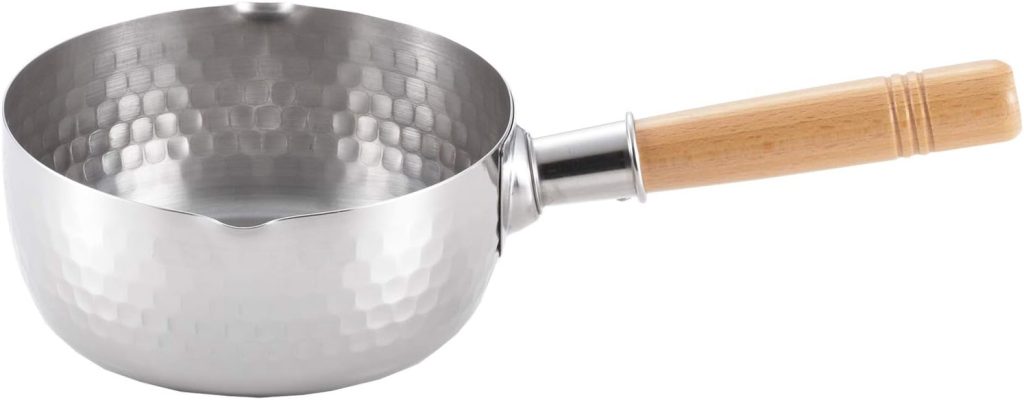
The Yoshikawa Yukihira pot represents authentic Japanese cookware in its most traditional form. This style of pot has been used in Japanese kitchens for generations, and Yoshikawa’s modern interpretation maintains the essential design elements while incorporating contemporary stainless steel construction. The distinctive shape—wider at the top than the bottom—isn’t just aesthetic; it’s engineered specifically for the reduction sauces, dashi preparation, and quick-cooking vegetables that define Japanese home cooking.
Key Features:
- 18-8 stainless steel construction for durability and even heating
- Traditional yukihira shape optimized for Japanese cooking techniques
- Measurement markings etched inside for precise liquid measurements
- Hammered exterior finish that’s both beautiful and functional
- Wooden handle attachment that stays cool during cooking
- Pour spout on both sides for ambidextrous convenience
- Available in multiple sizes from 1-quart to 2.5-quart capacity
- Lightweight compared to cast iron alternatives
Performance and User Experience:
The Yoshikawa Yukihira pot excels at everything it was designed to do. The wide opening allows for rapid evaporation when reducing sauces or concentrating flavors, making it indispensable for preparing teriyaki glazes, tsuyu (dipping sauce), or mentsuyu. The stainless steel conducts heat efficiently while remaining light enough for easy handling, even when full. The etched measurement markings prove invaluable when following Japanese recipes that often call for specific liquid ratios.
Users particularly appreciate the thoughtful design details. The wooden handle remains comfortable to grip even during extended cooking sessions, and the dual pour spouts eliminate the frustration of trying to pour from the “wrong” side of the pot. The hammered exterior isn’t just decorative—it actually helps dissipate heat more evenly and adds structural rigidity to the relatively thin stainless steel.
For tasks like blanching vegetables, preparing one-pot donburi dishes, or making miso soup, the yukihira shape proves ideal. The wider top opening makes it easy to add ingredients and monitor cooking progress, while the narrower bottom provides good contact with the heat source for efficient cooking.
Pros:
✅ Authentic traditional design optimized for Japanese cooking methods
✅ Lightweight and easy to handle compared to cast iron
✅ Dual pour spouts accommodate both right and left-handed users
✅ Built-in measurement markings eliminate guesswork
✅ Affordable entry point into authentic Japanese cookware
✅ Wooden handle stays cool and comfortable during use
✅ Quick heating and cooling makes it versatile for multiple techniques
✅ Easy to clean and maintain with standard dish soap
Cons:
❌ Thin construction means less heat retention than heavier options
❌ Wooden handle requires more careful cleaning and may need eventual replacement
❌ Stainless steel can develop discoloration with high heat or certain ingredients
❌ Not ideal for long, slow braising that requires steady heat
❌ Smaller capacity options may be too limited for family cooking
Ideal For:
Home cooks who want to authentically recreate Japanese recipes and cooking techniques. This pot is perfect for anyone who regularly prepares Japanese sauces, makes dashi from scratch, or wants a dedicated vessel for blanching vegetables and preparing quick-cooked dishes. It’s also an excellent choice for apartment dwellers or those with limited storage space who need lightweight, stackable cookware.
Amazon Rating Summary:
Averaging 4.6 stars across hundreds of reviews, the Yoshikawa Yukihira pot receives high marks for authenticity and functionality. Users who cook Japanese food regularly consider it an essential tool, while those new to Japanese cuisine appreciate how it simplifies traditional techniques.
Final Verdict:
The Yoshikawa Yukihira pot offers exceptional value for anyone serious about Japanese cooking. Its authentic design, practical features, and reasonable price make it an accessible way to bring professional Japanese kitchen capabilities into your home. While it won’t replace all your pots, it will quickly become your go-to for specific Japanese cooking tasks.
3. Vermicular Musui-Kamado Cast Iron Pot

Overview:
Vermicular represents the cutting edge of Japanese cast iron technology, and the Musui-Kamado takes traditional enameled cast iron to unprecedented levels of precision. Manufactured in Nagoya—a city renowned for metalworking excellence—each Vermicular pot undergoes rigorous quality control that includes measuring the lid seal to within 0.01mm tolerances. This obsessive attention to detail creates a cooking environment that rivals professional equipment, with moisture retention and heat distribution that must be experienced to be believed.
Key Features:
- Ultra-precise lid-to-pot seal engineered to 0.01mm tolerance
- Premium enameled cast iron with smooth interior coating
- Self-basting system that circulates steam constantly during cooking
- Induction compatible with exceptional heat retention properties
- Available in 3.5-quart and 5.5-quart sizes
- Oven-safe to 500°F for versatile cooking methods
- Proprietary enamel formula developed specifically for Japanese cooking
- Stainless steel knob designed for heat resistance
Performance and User Experience:
The Vermicular Musui-Kamado delivers cooking results that seem almost magical. The precision seal creates a micro-environment inside the pot where steam circulates continuously, basting food from all angles and eliminating the need for added fats or liquids in many recipes. Vegetables cooked in the Musui-Kamado retain vibrant colors and intense flavors that you simply can’t achieve with standard cookware. Meats emerge tender and juicy, with browning that rivals professional restaurant equipment.
For Japanese cooking specifically, the Musui-Kamado excels at dishes like braised bamboo shoots, simmered squash, and rice preparation. Many users report that rice cooked in this pot rivals or exceeds the results from dedicated rice cookers. The gentle, even heat distribution prevents burning while the steam circulation ensures uniform cooking throughout.
The smooth enamel interior requires less oil for cooking and cleans up remarkably easily, often with just a simple wipe. Unlike some enameled cast iron that requires careful seasoning or develops sticky spots, the Vermicular coating maintains its non-stick properties with minimal maintenance.
Pros:
✅ Precision engineering creates unmatched moisture retention
✅ Produces professional-quality results for both novice and experienced cooks
✅ Exceptional build quality with meticulous attention to detail
✅ Beautiful design suitable for stovetop-to-table presentation
✅ Versatile enough for Western and Asian cooking techniques
✅ Superior heat distribution eliminates hot spots
✅ Easy to clean despite cast iron construction
✅ Made in Japan with rigorous quality control standards
Cons:
❌ Premium pricing places it among the most expensive options
❌ Heavy construction may be challenging for some users
❌ Limited size options compared to other brands
❌ Specialized enamel may require specific care instructions
❌ Investment may be difficult to justify for occasional cooks
Ideal For:
Dedicated home cooks who view their cookware as precision tools rather than simple vessels. This pot is perfect for culinary enthusiasts who appreciate Japanese attention to detail and want cooking results that approach professional standards. It’s particularly well-suited for anyone who regularly prepares dishes that benefit from low-and-slow cooking methods with optimal moisture retention.
Amazon Rating Summary:
With ratings consistently above 4.8 stars, the Vermicular Musui-Kamado receives near-universal praise from users who understand its capabilities. Reviews frequently mention that the pot exceeded expectations and transformed specific dishes that were previously challenging to execute properly.
Final Verdict:
The Vermicular Musui-Kamado represents the pinnacle of cast iron engineering. While the price requires serious consideration, the cooking performance justifies the investment for those who cook regularly and appreciate the difference that precision-engineered tools make. This isn’t just cookware—it’s a piece of cooking equipment that will elevate your culinary capabilities and last for generations.
4. Iris Ohyama Diamond Coat Frying Pan

Overview:
Iris Ohyama has become synonymous with accessible, high-quality Japanese home goods, and their Diamond Coat frying pan brings advanced coating technology to everyday cooking at a remarkably affordable price point. The “diamond coat” refers to a proprietary non-stick surface that incorporates diamond particles into the coating matrix, creating a surface that’s significantly more durable than traditional PTFE-based non-stick while maintaining excellent release properties.
Key Features:
- Diamond-particle reinforced non-stick coating for enhanced durability
- Aluminum construction with rapid heat response
- Marble-style exterior coating that’s both attractive and functional
- Induction compatible base with magnetic stainless steel layer
- Available in multiple sizes from 8-inch to 12-inch diameter
- Metal utensil safe (though silicone is still recommended)
- PFOA-free coating for health-conscious cooking
- Comfortable stay-cool handle with ergonomic design
Performance and User Experience:
The Iris Ohyama Diamond Coat pan delivers impressive performance for its price point. The non-stick surface releases food effortlessly, making it ideal for delicate fish preparations, thin omelets, and other sticky-prone foods common in Japanese cuisine. The aluminum core heats quickly and responds rapidly to temperature adjustments, giving you precise control over cooking temperatures—essential for techniques like making tamagoyaki (Japanese rolled omelet) or pan-frying gyoza.
Users report that the diamond-reinforced coating withstands regular use much better than standard non-stick pans. While you should still avoid metal utensils when possible, the occasional scrape from a spatula won’t immediately destroy the coating like it would with cheaper alternatives. The pan maintains its non-stick properties through hundreds of cooking sessions, though proper care (hand washing, avoiding high heat, using minimal oil) extends its lifespan significantly.
The induction-compatible base expands this pan’s versatility, and the marble-style exterior remains attractive even after extended use. For everyday cooking tasks—from morning eggs to evening stir-fries—this pan handles everything competently without requiring special techniques or excessive oil.
Pros:
✅ Excellent non-stick performance at an affordable price
✅ Diamond-reinforced coating provides superior durability
✅ Quick heating and responsive temperature control
✅ Induction compatible for modern cooktops
✅ Lightweight design makes handling easy
✅ PFOA-free coating addresses health concerns
✅ Attractive appearance suitable for serving directly from pan
✅ Available in multiple sizes to suit different cooking needs
Cons:
❌ Not dishwasher safe despite marketing claims
❌ Coating eventually degrades with improper care or high heat
❌ Handle can become loose over time with frequent use
❌ Less substantial construction compared to premium alternatives
❌ May not provide the best sear for thick proteins
Ideal For:
Budget-conscious home cooks who want reliable non-stick performance without premium pricing. This pan is perfect for anyone who cooks eggs, fish, or delicate foods regularly and wants a dependable tool that won’t require replacement every few months. It’s also ideal for first-time Japanese cookware buyers who want to explore the category without significant investment.
Amazon Rating Summary:
With over 4.5 stars from thousands of reviews, the Iris Ohyama Diamond Coat receives consistent praise for delivering beyond expectations at its price point. Users particularly appreciate the durability compared to similarly priced non-stick pans and the versatility across different cooking methods.
Final Verdict:
The Iris Ohyama Diamond Coat frying pan represents outstanding value in the non-stick category. While it won’t last forever and requires proper care to maintain performance, it provides years of reliable service at a fraction of the cost of premium alternatives. For everyday cooking needs, this pan hits the sweet spot between performance, durability, and affordability.
5. Iwachu Traditional Cast Iron Tamagoyaki Pan

Overview:
Iwachu has been producing cast iron cookware in Morioka since 1902, and their traditional tamagoyaki pan represents over a century of refinement in a single specialized tool. This rectangular pan is designed specifically for making tamagoyaki—Japanese rolled omelets—but its unique shape and properties make it surprisingly versatile for other cooking tasks. Unlike modern non-stick versions, the Iwachu pan is bare cast iron that requires seasoning and proper maintenance, rewarding careful owners with a cooking surface that improves over decades of use.
Key Features:
- Solid cast iron construction without enamel coating
- Traditional rectangular shape optimized for rolling omelets
- Pre-seasoned with vegetable oil before shipping
- Available in small (5×7 inch) and large (5×9 inch) sizes
- Compatible with all heat sources including induction
- Wooden handle attached with traditional methods
- Made in Japan using century-old foundry techniques
- Develops natural non-stick patina with proper seasoning
Performance and User Experience:
The Iwachu tamagoyaki pan requires a learning curve, but mastering it opens up new culinary possibilities. The cast iron retains heat exceptionally well, providing the steady, moderate temperature that’s crucial for creating the delicate layers in proper tamagoyaki. The rectangular shape makes rolling the omelet intuitive—each layer naturally conforms to the pan’s dimensions, creating perfectly proportioned rolls.
Beyond omelets, creative cooks use this pan for grilling fish fillets, toasting nori sheets, making small portions of fried rice, or even as a serving vessel for appetizers. The seasoned surface develops a beautiful patina over time, with each use adding to its character and improving its non-stick properties. Unlike chemical coatings that degrade, a well-maintained cast iron surface actually gets better with age.
The wooden handle stays cool during stovetop cooking and adds authentic aesthetic appeal. However, this traditional construction means the pan requires more care than modern alternatives—it must be hand-washed, dried thoroughly, and occasionally re-seasoned to prevent rust.
Pros:
✅ Authentic traditional design from a century-old manufacturer
✅ Specialized shape perfect for tamagoyaki and other rectangular preparations
✅ Cast iron provides superior heat retention and distribution
✅ Develops natural non-stick surface that improves with use
✅ Virtually indestructible with proper care
✅ Made in Japan with traditional craftsmanship
✅ Versatile beyond its primary purpose
✅ Wooden handle adds authentic aesthetic and stays cool
Cons:
❌ Requires seasoning and maintenance that some users find burdensome
❌ Not dishwasher safe and must be dried immediately after washing
❌ Can rust if not properly cared for
❌ Learning curve for proper use and maintenance
❌ Wooden handle may eventually need replacement
❌ Limited to stovetop use due to handle construction
Ideal For:
Serious Japanese cooking enthusiasts who want authentic tools and don’t mind the maintenance requirements of traditional cast iron. This pan is perfect for anyone who regularly makes tamagoyaki or wants to learn this classic technique with proper equipment. It’s also ideal for cooks who appreciate the connection to culinary history that comes with using traditional tools.
Amazon Rating Summary:
Averaging 4.7 stars with reviews from dedicated Japanese cooking enthusiasts, the Iwachu tamagoyaki pan receives high marks for authenticity and build quality. Users who understand cast iron maintenance praise its performance, while those unprepared for the care requirements sometimes struggle initially.
Final Verdict:
The Iwachu tamagoyaki pan is a specialized tool that rewards commitment. If you’re willing to learn proper cast iron care and maintenance, this pan will serve you for decades and produce tamagoyaki that rivals what you’d find in Japanese restaurants. It’s an investment in both a cooking tool and a skill that will deepen your appreciation for Japanese culinary traditions.
6. Takumi Japan Katana Series Knife-Forged Carbon Steel Wok

Overview:
Takumi Japan applies traditional Japanese sword-forging techniques to their Katana Series wok, creating a cooking vessel that brings centuries of metalworking expertise to contemporary kitchens. The carbon steel construction and hand-hammered finish aren’t just aesthetic choices—they’re functional elements that improve heat distribution and create a surface that develops exceptional non-stick properties when properly seasoned. This wok represents the intersection of Japanese precision and the high-heat cooking demands of Asian cuisine.
Key Features:
- Hand-hammered carbon steel construction using traditional techniques
- Forged from a single piece of metal for structural integrity
- Pre-seasoned with natural oils before shipping
- Available in 12-inch and 14-inch diameter sizes
- Flat-bottom design works on all cooktops including induction
- Traditional wooden handle with secure riveted attachment
- Helper handle opposite main handle for two-handed lifting
- Relatively lightweight compared to cast iron alternatives
Performance and User Experience:
The Takumi Katana wok excels at high-heat cooking techniques that are challenging with Western cookware. The carbon steel heats quickly and distributes heat evenly across the wok’s surface, creating the “wok hei” (breath of the wok) that’s essential for authentic stir-fries. The hand-hammered texture isn’t just beautiful—it creates tiny pockets that hold seasoning oils and develop the natural non-stick surface that makes carbon steel superior to stainless for wok cooking.
Users appreciate how responsive the wok is to temperature changes. You can quickly bring it to searing heat for proteins, then immediately reduce the temperature for vegetables or sauces without the lag time associated with heavier materials. The flat bottom provides stability on modern cooktops while maintaining enough curvature for traditional tossing and stirring techniques.
The seasoning process requires some initial effort, but once established, the surface becomes remarkably non-stick and develops a beautiful dark patina that improves with every use. Many owners report that after several months of regular use, their Takumi wok performs better than any non-stick pan they’ve owned, with the added benefit of being able to withstand temperatures that would destroy chemical coatings.
Pros:
✅ Traditional forging techniques create exceptional structural integrity
✅ Carbon steel provides optimal heat response for high-temperature cooking
✅ Hand-hammered texture improves seasoning retention and heat distribution
✅ Develops natural non-stick surface that improves over time
✅ Lightweight enough for easy handling and tossing techniques
✅ Flat bottom works on all cooktop types including induction
✅ Helper handle facilitates safe two-handed maneuvering
✅ Made in Japan with attention to traditional craftsmanship
Cons:
❌ Requires initial seasoning and ongoing maintenance
❌ Carbon steel can rust if not properly dried and stored
❌ Not dishwasher safe under any circumstances
❌ Learning curve for proper heat management and care
❌ Wooden handle limits oven use
❌ May react with acidic ingredients initially
Ideal For:
Experienced home cooks who love stir-frying and high-heat cooking techniques and who appreciate traditional craftsmanship. This wok is perfect for anyone who wants authentic results from Asian cooking methods and doesn’t mind the maintenance requirements of carbon steel. It’s particularly well-suited for those who view cooking as both a practical necessity and a connection to culinary traditions.
Amazon Rating Summary:
With ratings averaging 4.6 to 4.8 stars, the Takumi Katana wok receives enthusiastic reviews from users who understand carbon steel cookware. Common praise points include the quality of construction, the beauty of the hand-hammered finish, and the exceptional cooking performance once properly seasoned.
Final Verdict:
The Takumi Katana wok is for cooks who want the best possible tool for high-heat Asian cooking and are willing to invest time in proper care and maintenance. While modern non-stick woks offer convenience, they can’t match the performance, durability, or satisfaction that comes from mastering a properly seasoned carbon steel wok. This is a lifetime purchase that will fundamentally improve your stir-frying capabilities.
7. Meyer Select Stainless Steel Japanese Collection

Overview:
Meyer’s Japanese Collection brings practical Japanese design philosophy to stainless steel cookware at accessible price points. While Meyer is an international brand, their Japanese Collection was developed specifically for Asian cooking methods and incorporates feedback from Japanese culinary consultants. The result is cookware that looks at home in any kitchen while delivering the performance characteristics that Japanese cooking demands—even heat distribution, precise temperature control, and construction that withstands the high heat and quick temperature changes common in Asian cuisine.
Key Features:
- Tri-ply stainless steel construction with aluminum core
- Polished stainless exterior with satin-finish interior
- Impact-bonded base provides even heat distribution
- Tempered glass lids allow monitoring without releasing heat
- Oven safe to 500°F including lids
- Induction compatible with all cooktop types
- Available in multiple piece sets or individual pieces
- Riveted stainless steel handles with stay-cool design
- Dishwasher safe for easy cleanup
Performance and User Experience:
The Meyer Japanese Collection performs admirably across a wide range of cooking tasks. The tri-ply construction provides even heating that eliminates the hot spots common in single-layer stainless steel, making it excellent for techniques like simmering broths, reducing sauces, and gentle braising. The aluminum core responds quickly to temperature adjustments while the stainless steel exterior provides durability and a professional appearance.
For Japanese cooking specifically, users praise how well these pieces handle tasks like preparing nabemono (hot pot), simmering vegetables in dashi, and making rice-based dishes. The tempered glass lids allow you to monitor cooking progress without lifting the lid and releasing steam—particularly valuable for dishes where moisture control is critical.
The stainless steel interior doesn’t have non-stick properties, which means you’ll need to use proper techniques and adequate oil for foods prone to sticking. However, this also means you can develop fond (browned bits) for deglazing and sauce-making, and the pans can withstand metal utensils without damage. The satin-finish interior hides minor scratches better than mirror-polished alternatives, maintaining its attractive appearance longer.
Pros:
✅ Tri-ply construction provides excellent heat distribution
✅ Dishwasher safe for convenient cleanup
✅ Oven safe to high temperatures for versatile cooking methods
✅ Glass lids allow visual monitoring during cooking
✅ Induction compatible works on all cooktop types
✅ Durable construction resists warping and damage
✅ Professional appearance suitable for stovetop-to-table serving
✅ Affordable entry into quality Japanese-style cookware
Cons:
❌ Stainless steel requires proper technique to prevent sticking
❌ Not as responsive to temperature changes as thinner materials
❌ Can develop discoloration with high heat over time
❌ Heavier than aluminum alternatives
❌ Riveted handles can accumulate food residue
Ideal For:
Home cooks who want durable, versatile cookware that can handle both Japanese and Western cooking techniques. This collection is perfect for those who appreciate easy maintenance and dishwasher compatibility while still wanting cookware designed with Japanese cooking in mind. It’s particularly well-suited for cooks building their first quality cookware collection or replacing mismatched older pieces.
Amazon Rating Summary:
Averaging 4.5 stars across various pieces in the collection, Meyer’s Japanese Collection receives solid reviews for performance and value. Users particularly appreciate the even heating and durability, though some note the learning curve required for cooking with stainless steel versus non-stick alternatives.
Final Verdict:
The Meyer Japanese Collection strikes a balance between performance, durability, and affordability that makes it accessible to a wide range of home cooks. While it may not have the artisanal cachet of some premium Japanese brands, it delivers reliable performance for everyday cooking and represents excellent value for those who want Japanese-designed cookware without premium pricing.
8. Snow Peak Field Cookware Collection
Overview:
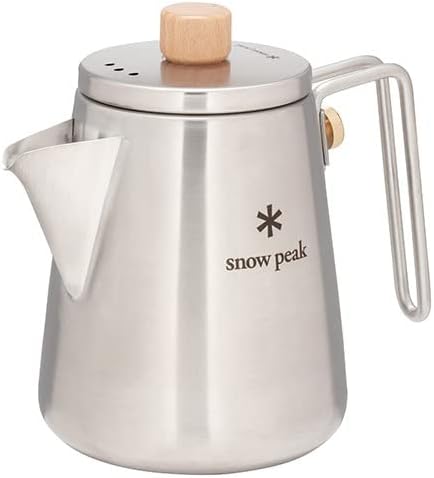
Snow Peak built its reputation creating premium camping and outdoor gear in Japan, and their Field Cookware Collection brings that same obsessive attention to detail and material quality to versatile cooking equipment that works equally well in home kitchens and outdoor settings. What sets Snow Peak apart is their use of titanium and specialized stainless steel alloys that provide exceptional strength-to-weight ratios, making their cookware remarkably lightweight without sacrificing performance. The minimalist Japanese design aesthetic means these pieces look stunning while maintaining practical functionality.
Key Features:
- Titanium and high-grade stainless steel construction options
- Ultra-lightweight design perfect for both home and outdoor use
- Modular stacking system for efficient storage
- Foldable or removable handles for space-saving transport
- Scratch-resistant exterior coating on select models
- Compatible with gas, induction, and open flame cooking
- Available in various sizes from individual portions to family servings
- Made in Japan with aerospace-grade materials
- Lifetime warranty against manufacturing defects
Performance and User Experience:
Snow Peak cookware performs remarkably well despite its minimalist construction. The titanium pieces heat quickly and respond immediately to temperature changes, giving you precise control over cooking temperatures. While titanium doesn’t retain heat as well as cast iron or provide the same even distribution as tri-ply stainless, it excels at tasks where rapid heating and lightweight handling are priorities. The material is naturally non-reactive, so you can cook acidic foods without metallic flavors or discoloration.
The stainless steel options in the collection provide more traditional cooking characteristics while maintaining the brand’s emphasis on lightweight, efficient design. Users appreciate the thoughtful details—handles that fold away for storage, lids that serve double-duty as plates or cutting surfaces, and nesting designs that minimize storage space requirements.
For Japanese cooking specifically, Snow Peak excels at outdoor and camping preparations—yakitori over charcoal, camping curry, or simple rice dishes prepared over portable burners. The lightweight construction also makes these pieces ideal for cooks with limited hand strength or mobility issues who struggle with heavy cast iron or full-weight stainless steel.
Pros:
✅ Exceptionally lightweight without compromising structural integrity
✅ Titanium options provide corrosion resistance and durability
✅ Modular design allows efficient storage and transport
✅ Beautiful minimalist Japanese aesthetic
✅ Versatile for both home cooking and outdoor adventures
✅ Quick heating and cooling for precise temperature control
✅ Lifetime warranty demonstrates manufacturer confidence
✅ Non-reactive materials safe for all ingredients
Cons:
❌ Premium pricing due to specialized materials
❌ Titanium pieces can develop hot spots with improper technique
❌ Limited heat retention compared to cast iron
❌ Minimalist handles may be less comfortable than traditional designs
❌ Specialized materials limit some traditional cooking techniques
❌ Small capacity options may require multiple pieces for family cooking
Ideal For:
Outdoor enthusiasts who want versatile cookware for camping, hiking, and backpacking that’s also sophisticated enough for home kitchens. This collection is perfect for urban dwellers with limited storage space, travelers who cook in vacation rentals, or anyone who appreciates minimalist Japanese design combined with cutting-edge materials technology.
Amazon Rating Summary:
With ratings typically above 4.7 stars, Snow Peak’s cookware receives enthusiastic reviews from users who value lightweight, durable construction. Outdoor cooking enthusiasts particularly praise the performance over camp stoves and open flames, while home users appreciate the space-saving designs.
Final Verdict:
Snow Peak cookware represents a unique category—premium materials and construction designed for versatility across different cooking environments. While the pricing reflects the specialized materials and Japanese manufacturing, the combination of lightweight design, durability, and thoughtful functionality makes these pieces valuable for cooks whose lifestyles demand equipment that transitions seamlessly between indoor and outdoor cooking.
9. Asahi DOMA Japanese Carbon Steel Knife-Edge Pan

Overview:
Asahi’s DOMA pan brings cutting-edge carbon steel technology to a traditional Japanese cooking format. What makes this pan unique is the “knife-edge” rim—a precisely machined edge that’s sharp enough to cut through delicate foods directly in the pan, eliminating the need to transfer items to a cutting board. This innovation, combined with carbon steel construction that rivals premium French cookware, creates a cooking tool that’s simultaneously traditional and revolutionary. The DOMA series represents Asahi’s commitment to solving practical cooking challenges through thoughtful engineering.
Key Features:
- High-quality carbon steel construction for superior heat response
- Knife-edge rim precision-ground for cutting functionality
- Natural beeswax seasoning provides initial protection
- Available in multiple sizes from 8-inch to 12-inch diameter
- Flat bottom with gently sloped sides for versatile cooking
- Compatible with all heat sources including induction
- Removable wooden handle for oven use and compact storage
- Develops natural non-stick patina with proper seasoning
- Hand-forged quality control ensures consistency
Performance and User Experience:
The Asahi DOMA pan delivers exceptional cooking performance across various techniques. The carbon steel heats rapidly and distributes heat evenly, making it ideal for everything from delicate fish to seared proteins. The knife-edge rim proves genuinely useful—you can portion omelets, cut through pancakes, or divide stir-fried vegetables directly in the pan, reducing cleanup and streamlining cooking workflows.
The carbon steel develops a beautiful seasoning over time, with each use adding to the natural non-stick properties. Unlike chemical coatings that degrade, the seasoned surface actually improves with proper use and care. Users report that after several months of regular cooking, their DOMA pan releases foods as well as any non-stick alternative while providing superior browning and flavor development.
The removable handle design initially seems gimmicky but proves practical—it allows the pan to go into the oven without temperature restrictions and makes storage more compact. The flat bottom with gently sloped sides provides more usable cooking surface than traditional woks while maintaining enough curvature for easy stirring and tossing.
Pros:
✅ Innovative knife-edge rim adds practical functionality
✅ Carbon steel provides exceptional heat response and cooking performance
✅ Develops natural non-stick surface that improves with use
✅ Removable handle enables unrestricted oven use
✅ Hand-forged quality ensures consistency and durability
✅ Flat bottom design works on all cooktop types
✅ Natural beeswax seasoning provides eco-friendly protection
✅ Versatile enough for Japanese and Western cooking techniques
Cons:
❌ Requires initial seasoning and ongoing maintenance
❌ Carbon steel can rust without proper care
❌ Not dishwasher safe under any circumstances
❌ Removable handle may feel less secure to some users
❌ Learning curve for proper carbon steel cooking techniques
❌ Premium pricing for a material that requires maintenance
Ideal For:
Innovative home cooks who appreciate unique design solutions and don’t mind the maintenance requirements of carbon steel. This pan is perfect for anyone who wants professional-quality cooking performance with practical features that streamline cooking workflows. It’s particularly well-suited for cooks with limited kitchen space who need versatile tools that serve multiple functions.
Amazon Rating Summary:
Averaging 4.6 stars from users who understand carbon steel cookware, the Asahi DOMA receives praise for innovative design and exceptional cooking performance. The knife-edge rim consistently impresses reviewers, though some note the learning curve required for proper maintenance.
Final Verdict:
The Asahi DOMA pan represents thoughtful innovation applied to traditional materials. While it requires more care than modern non-stick alternatives, the combination of superior cooking performance, unique functionality, and beautiful craftsmanship makes it a worthwhile investment for cooks who value both form and function. This is cookware that will spark conversations while delivering professional-quality results.
10. Tetsubin Nanbu Cast Iron Deep Pot with Lid

Overview:
The Tetsubin Nanbu represents traditional Japanese cast iron craftsmanship in its most refined form. While Tetsubin are traditionally known as iron teapots, this cooking-focused version brings the same artisanal metalworking techniques to a versatile deep pot suitable for everything from stews to steamed dishes. Each piece is sand-cast using methods that date back centuries, with hand-finishing that ensures no two pots are exactly alike. The unglazed interior gradually develops a natural patina that adds subtle iron to foods—a benefit in regions where iron deficiency is common.
Key Features:
- Traditional sand-cast iron construction using historical techniques
- Unglazed interior provides natural iron supplementation
- Hand-finished exterior with artistic relief patterns
- Heavy, precisely fitted lid creates effective seal for steam cooking
- Pre-seasoned with vegetable oils before shipping
- Available in 2-quart and 3-quart capacity options
- Compatible with all heat sources including induction
- Traditional Japanese aesthetic with functional beauty
- Handcrafted in the Nanbu region of Japan
Performance and User Experience:
The Tetsubin Nanbu pot excels at slow, gentle cooking methods that define much of Japanese cuisine. The heavy cast iron retains heat exceptionally well, maintaining steady temperatures ideal for simmering dishes like oden, nikujaga (meat and potato stew), or braised vegetables. The tight-fitting lid creates an environment where steam circulates effectively, keeping foods moist while concentrating flavors.
The unglazed interior requires more care than enameled alternatives but provides unique benefits. As the iron seasons over time, it develops a natural black coating that provides non-stick properties while subtly enriching foods with dietary iron. This is particularly valuable for vegetarian and vegan dishes that might otherwise lack this essential mineral.
Users appreciate the authenticity and craftsmanship evident in every aspect of the pot. The hand-finished exterior patterns aren’t just decorative—they reflect traditional Japanese artistic motifs that connect modern cooking to centuries of culinary heritage. The pot’s substantial weight provides stability during cooking and excellent heat retention that keeps foods warm during serving.
Pros:
✅ Traditional craftsmanship connects users to Japanese culinary heritage
✅ Cast iron provides exceptional heat retention and even cooking
✅ Natural iron supplementation benefits overall nutrition
✅ Heavy lid creates effective seal for steam cooking
✅ Develops improved non-stick properties over time
✅ Hand-finished exterior makes each piece unique
✅ Made in Japan using centuries-old techniques
✅ Versatile for soups, stews, braises, and steamed dishes
Cons:
❌ Substantial weight makes handling challenging for some users
❌ Requires seasoning and maintenance of unglazed interior
❌ Can rust if not properly dried and stored
❌ Not dishwasher safe under any circumstances
❌ Premium pricing reflects artisanal production methods
❌ Limited availability and long lead times for some models
❌ Interior cannot be used with highly acidic ingredients initially
Ideal For:
Culinary enthusiasts who appreciate traditional craftsmanship and Japanese cultural heritage. This pot is perfect for anyone who regularly prepares Japanese one-pot dishes, stews, or braised vegetables and values the connection to traditional cooking methods. It’s also ideal for those who view their cookware as both functional tools and artistic objects worthy of display.
Amazon Rating Summary:
With ratings typically above 4.8 stars from devoted users, the Tetsubin Nanbu receives exceptional reviews for build quality and authenticity. Customers who understand traditional cast iron maintenance praise the cooking performance and appreciate the cultural significance of owning an authentic Japanese craft piece.
Final Verdict:
The Tetsubin Nanbu pot represents cookware as art—functional, beautiful, and deeply connected to cultural traditions. While it requires careful maintenance and represents a significant investment, it rewards committed owners with superior cooking performance, nutritional benefits, and the satisfaction of using tools that embody centuries of Japanese metalworking expertise. This is an heirloom piece that will serve multiple generations.
11. River Light Kiwame Carbon Steel Frying Pan

Overview:
River Light’s Kiwame series represents the pinnacle of Japanese carbon steel frying pan engineering. What distinguishes Kiwame from other carbon steel options is the specialized “Tetsu” blue steel used in construction—the same material traditionally employed in high-end Japanese knives. This steel provides superior strength, durability, and rust resistance compared to standard carbon steel while maintaining the responsive heating characteristics that make carbon steel ideal for precise cooking. The Kiwame pan demonstrates how modern metallurgy can enhance traditional designs without compromising their essential qualities.
Key Features:
- Specialized “Tetsu” blue carbon steel construction
- Thicker gauge than typical carbon steel for improved heat retention
- Naturally seasoned with rice bran oil before shipping
- Available in multiple sizes from 8-inch to 12-inch diameter
- Riveted wooden handle with ergonomic contouring
- Flat bottom design compatible with all cooktops including induction
- Hand-forged quality control ensures optimal heat distribution
- Made in Japan with strict manufacturing standards
- Lighter than cast iron but more substantial than aluminum
Performance and User Experience:
The River Light Kiwame delivers professional-grade performance that justifies its premium positioning. The specialized blue steel heats quickly and evenly, eliminating hot spots that can cause uneven cooking or burning. The slightly thicker gauge compared to traditional carbon steel pans provides better heat retention without sacrificing the rapid temperature response that makes carbon steel superior for techniques requiring precision.
The natural seasoning develops beautifully over time, creating a non-stick surface that rivals modern coatings while withstanding temperatures that would destroy them. Users report exceptional results with delicate preparations like fish meunière, thin crepes, or eggs cooked any style. The pan also excels at higher-heat applications—searing proteins develops excellent crusts while the interior remains perfectly cooked.
The wooden handle stays comfortable even during extended cooking sessions, and the ergonomic contouring reduces hand fatigue. The craftsmanship evident in every aspect of the pan—from the precise riveting to the hand-hammered finish—reflects River Light’s commitment to creating cookware that performs flawlessly while exhibiting artistic beauty.
Pros:
✅ Specialized blue steel provides superior durability and rust resistance
✅ Optimal thickness balances heat retention and temperature response
✅ Develops exceptional non-stick properties with proper seasoning
✅ Professional-grade performance suitable for demanding techniques
✅ Hand-forged construction ensures quality and heat distribution
✅ Ergonomic wooden handle reduces cooking fatigue
✅ Made in Japan with rigorous quality control
✅ Suitable for high-heat cooking without coating degradation
Cons:
❌ Premium pricing reflects specialized materials and craftsmanship
❌ Requires initial seasoning and ongoing maintenance
❌ Not dishwasher safe under any circumstances
❌ Wooden handle limits oven use
❌ Carbon steel requires proper drying to prevent rust
❌ Learning curve for optimal use and care
Ideal For:
Serious home cooks and culinary professionals who want the absolute best carbon steel cookware and are willing to invest in proper care and maintenance. This pan is perfect for anyone who frequently cooks techniques requiring precise temperature control and values tools that combine traditional materials with modern engineering refinements.
Amazon Rating Summary:
Averaging 4.8 to 4.9 stars from knowledgeable users, the River Light Kiwame receives near-universal praise for construction quality and cooking performance. Reviews consistently mention that the pan exceeded expectations and represents the best carbon steel cookware reviewers have used.
Final Verdict:
The River Light Kiwame represents the ultimate expression of carbon steel frying pan design. While the price requires serious consideration, the combination of specialized materials, expert craftsmanship, and superior cooking performance makes it a lifetime investment that will elevate your cooking capabilities. This is cookware for those who demand excellence and appreciate the difference that premium materials and construction make in everyday cooking.
Comprehensive Buying Guide: Choosing the Right Japanese Cookware!
Understanding Japanese Cookware Philosophy
Before diving into specific purchasing considerations, it’s essential to understand what sets Japanese cookware apart from Western alternatives. Japanese manufacturers approach cookware design with a philosophy that emphasizes precision, longevity, and respect for ingredients. This isn’t cookware designed for obsolescence—these are tools meant to serve multiple generations, improving with age rather than degrading.
Japanese cookware typically prioritizes specialized function over universal versatility. Rather than one pan that does everything adequately, Japanese manufacturers often create tools optimized for specific techniques or ingredients. This specialization allows for superior performance in intended applications, though it may mean building a more extensive collection over time.
Material Considerations: Matching Cookware to Cooking Style
Cast Iron (Enameled and Bare)
Cast iron represents the traditional foundation of Japanese cookware, offering unparalleled heat retention and even distribution. Enameled cast iron (like Staub and Vermicular) provides easier maintenance and attractive aesthetics, while bare cast iron (like Iwachu) requires seasoning but develops superior non-stick properties over time. Cast iron excels at low-and-slow cooking—braising, simmering, and dishes requiring steady heat over extended periods.
Consider cast iron if you frequently prepare nabemono (hot pot), braised vegetables, stews, or dishes where moisture retention is critical. The weight provides excellent stability but can be challenging for those with limited hand strength. Cast iron also works beautifully for stovetop-to-table presentations, as most pieces are attractive enough to serve directly from.
Carbon Steel
Carbon steel offers the responsiveness of thin aluminum with durability approaching cast iron. It heats quickly, responds immediately to temperature changes, and develops natural non-stick properties when properly seasoned. Carbon steel is the professional choice for high-heat cooking—stir-frying, searing, and techniques requiring rapid temperature adjustments.
Choose carbon steel if you frequently cook stir-fries, fried rice, or dishes requiring quick, high-heat techniques. Carbon steel does require maintenance—seasoning, hand-washing, and proper drying—but rewards careful owners with decades of improving performance. It’s also significantly lighter than cast iron, making handling and tossing techniques more manageable.
Stainless Steel
Stainless steel provides durability, easy maintenance, and compatibility with acidic ingredients that react with carbon steel or bare cast iron. Quality stainless cookware typically features tri-ply or multi-ply construction with aluminum or copper cores for improved heat distribution. Stainless steel doesn’t have inherent non-stick properties, but it excels at developing fond (browned bits) for deglazing and sauce-making.
Opt for stainless steel if you want low-maintenance cookware suitable for dishwashers, prefer cooking with acidic ingredients (tomatoes, vinegar, citrus), or value the ability to use metal utensils without concern. Stainless is particularly well-suited for boiling, simmering, and sauce preparation—essential techniques in Japanese cuisine.
Specialized Materials (Titanium, Specialty Alloys)
Some premium Japanese manufacturers use specialized materials like titanium, proprietary alloys, or diamond-reinforced coatings. These materials typically offer specific advantages—titanium provides exceptional strength-to-weight ratios, while advanced coatings improve non-stick performance and durability. These options usually command premium prices but deliver unique benefits unavailable from traditional materials.
Consider specialized materials if you have specific needs—limited storage space requiring ultra-lightweight cookware, outdoor cooking demanding packable equipment, or physical limitations making standard cookware challenging to handle.
Construction Quality: What to Look For
Even Heat Distribution
Premium Japanese cookware eliminates hot spots through careful engineering. Look for features like tri-ply construction in stainless steel, appropriate thickness in carbon steel (typically 1.6-2.0mm), or precision casting in iron pieces. Even heat distribution prevents burning, ensures consistent cooking results, and extends the usable life of non-stick surfaces.
Handle Design and Attachment
Japanese manufacturers pay particular attention to handle ergonomics and attachment methods. Quality handles maintain comfortable temperatures during cooking, balance the cookware’s weight properly, and attach securely through riveting, welding, or traditional methods. Wooden handles stay cool but require careful cleaning, while stainless handles withstand dishwashers but may need pot holders.
Lid Fit and Seal
For covered cookware, lid fit dramatically impacts cooking performance. Premium Japanese manufacturers engineer lids to precise tolerances, creating seals that retain moisture effectively while allowing minimal steam escape. Look for heavy, well-fitted lids with functional handles or knobs that remain cool during use.
Surface Finish
Whether enameled, seasoned, or bare metal, surface finish affects both performance and maintenance. Quality enameling resists chipping and provides smooth, easy-to-clean surfaces. Properly seasoned carbon steel or cast iron develops natural non-stick properties. Polished stainless resists staining and maintains attractive appearance longer.
Sizing Considerations: Building a Functional Collection
Rather than purchasing complete sets, consider building your collection deliberately based on actual cooking needs. Japanese cookware philosophy emphasizes having the right tool for each job rather than forcing one piece to serve multiple purposes inadequately.
Essential Foundation Pieces
Start with a quality frying pan (10-12 inches) for general cooking, a medium saucepan (2-3 quarts) for rice, sauces, and small portions, and a larger pot (5-7 quarts) for soups, stews, and one-pot meals. This foundation handles the majority of cooking tasks and allows you to develop skills with each piece before expanding.
Specialized Additions
Once comfortable with foundational pieces, add specialized tools based on your cooking preferences. A tamagoyaki pan makes perfect Japanese omelets. A carbon steel wok transforms stir-frying capabilities. A donabe (clay pot) opens up traditional nabemono preparations. Add pieces that address gaps in your cooking capabilities rather than duplicating functions you can already accomplish.
Capacity Planning
Consider household size when selecting capacities. Cooking for one or two people rarely requires large-capacity pieces, while families benefit from larger options. Remember that Japanese cooking often involves multiple smaller dishes rather than single large portions, so several medium-capacity pieces often prove more versatile than one large pot.
Compatibility with Your Cooking Surface
Modern Japanese cookware typically accommodates various cooking surfaces, but verification ensures optimal performance and safety.
Gas Cooktops
Gas provides unlimited cookware compatibility. All Japanese cookware materials work excellently on gas, which offers instant temperature control and even heating across the pan bottom. Gas’s visible flame also helps prevent overheating that can damage non-stick coatings or warp thinner materials.
Electric Coil and Smooth-Top
Electric cooktops require flat-bottomed cookware for proper contact and heat transfer. Most modern Japanese cookware accommodates electric surfaces, but traditional rounded-bottom woks may not perform optimally. Electric’s slower response time means carbon steel’s rapid heating advantages are somewhat diminished compared to gas.
Induction
Induction requires magnetic cookware—cast iron, carbon steel, and magnetic stainless steel work perfectly, while aluminum, copper, and titanium typically don’t (unless they have magnetic bases added). Verify induction compatibility before purchasing if this is your primary cooking surface. Induction’s precise temperature control pairs beautifully with responsive Japanese cookware.
Maintenance Requirements: Matching Cookware to Your Lifestyle
Different Japanese cookware materials demand varying maintenance levels. Honest self-assessment of your willingness to perform ongoing maintenance ensures satisfaction with your purchases.
Low-Maintenance Options
Enameled cast iron and quality stainless steel require minimal ongoing care. Hand-washing is generally recommended for longevity, though many stainless pieces tolerate dishwashers. These materials don’t require seasoning, resist rust, and maintain performance with basic cleaning. Choose these if you want excellent performance without ongoing maintenance commitments.
Moderate Maintenance
Non-stick coatings (even advanced ones like diamond-reinforced options) require careful use to maximize lifespan. Avoid high heat, metal utensils, and dishwashers. With proper care, quality non-stick cookware lasts several years before requiring replacement. These suit cooks who want easy food release without the seasoning requirements of carbon steel.
High Maintenance
Bare cast iron and carbon steel demand ongoing attention—seasoning, hand-washing, immediate drying, and periodic re-seasoning. However, these materials reward careful maintenance with improving performance over decades. Choose these if you view cookware maintenance as part of the cooking ritual rather than a burden.
Budget Allocation: Investing Wisely in Japanese Cookware
Japanese cookware spans dramatic price ranges, from affordable entry-level options to premium pieces costing hundreds of dollars. Strategic budget allocation maximizes value across your collection.
Where to Invest Premium Dollars
Prioritize spending on pieces you’ll use frequently. A premium frying pan used daily justifies higher investment than a specialized piece used monthly. Cast iron and carbon steel represent excellent long-term value—their durability means a premium initial investment amortizes over decades of use. Quality construction also impacts cooking performance more dramatically in pieces requiring precise temperature control.
Where to Save
Basic stainless steel pots for boiling water or cooking pasta don’t require premium materials or construction. Specialized tools you’re still learning to use might warrant mid-tier options initially—upgrade once you’ve developed skills and understanding of what features matter most to you. Non-stick pieces have limited lifespans regardless of quality, so mid-range options often provide better value than premium alternatives.
Long-Term Value Considerations
Premium Japanese cookware typically costs less per year of use than cheaper alternatives requiring frequent replacement. A $200 cast iron pot used for thirty years costs $6.67 annually, while a $40 pot replaced every five years costs $8 annually. Factor longevity into purchasing decisions rather than focusing solely on initial outlay.
Common Mistakes to Avoid When Buying Japanese Cookware
Purchasing Complete Sets Without Considering Actual Needs
Cookware sets often include pieces that don’t match your cooking style or duplicate functions unnecessarily. Build collections deliberately, adding pieces as you identify genuine needs rather than purchasing sets because they seem economical.
Ignoring Compatibility with Your Cooking Surface
Beautiful carbon steel woks or bare cast iron pieces are frustrating investments if your induction cooktop can’t heat them properly. Verify compatibility before purchasing, especially for premium pieces representing significant investments.
Choosing Aesthetics Over Functionality
While Japanese cookware often exhibits beautiful design, prioritize performance characteristics matching your cooking needs. Gorgeous cookware that’s too heavy to handle comfortably or requires maintenance you won’t perform becomes a poor investment regardless of appearance.
Underestimating Maintenance Requirements
Bare cast iron and carbon steel deliver exceptional performance but require ongoing care. Honestly assess your willingness to perform necessary maintenance before purchasing materials demanding regular attention. Neglected carbon steel rusts; neglected cast iron loses its seasoning—both scenarios waste your investment.
Overlooking Weight Considerations
Cast iron’s exceptional heat retention comes with substantial weight. Handle pieces in stores when possible, or carefully review weight specifications online. Cookware too heavy to handle safely becomes dangerous rather than useful.
Failing to Research Brand Reputation and Manufacturing Standards
Not all cookware marketed as “Japanese” maintains authentic Japanese manufacturing standards. Research brands thoroughly, verify country of manufacture, and read detailed reviews from users who cook regularly with the pieces you’re considering.
Making the Final Decision: Matching Cookware to Your Cooking Journey
Your ideal Japanese cookware collection evolves with your skills and interests. Beginners benefit from versatile, forgiving pieces like enameled cast iron or quality stainless steel. As skills develop, adding specialized tools like tamagoyaki pans or carbon steel woks expands your culinary capabilities.
Consider your cooking goals honestly. Aspiring to cook more Japanese cuisine justifies investing in specialized Japanese cookware. If Japanese cooking represents occasional experimentation rather than regular practice, a few versatile pieces serve better than a comprehensive specialized collection.
Premium Japanese cookware represents a long-term investment in your cooking capabilities and kitchen enjoyment. Quality pieces transform cooking from a chore into a pleasure, delivering consistent results that build confidence and encourage culinary exploration. When budget allows, prioritize quality over quantity—one exceptional pan used frequently delivers more value than several mediocre pieces gathering dust.
Frequently Asked Questions About Japanese Cookware!
What makes Japanese cookware different from Western brands?
Japanese cookware emphasizes specialized function, precision engineering, and long-term durability over universal versatility. Manufacturing standards typically involve more rigorous quality control, with many pieces incorporating hand-finishing or specialized materials unavailable from mass-market Western manufacturers. Japanese brands also prioritize designs optimized for specific cooking techniques common in Asian cuisine—shapes and materials that facilitate proper stir-frying, delicate fish preparation, or precise temperature control for dishes like tamagoyaki.
The philosophical approach differs as well. Western cookware often emphasizes convenience and ease of maintenance, while Japanese manufacturers assume users will invest time learning proper techniques and performing necessary care. This results in cookware that rewards skill development and proper maintenance with decades of improving performance rather than convenient tools with limited lifespans.
Do I really need to season carbon steel and cast iron cookware, or can I skip this step?
Seasoning isn’t optional—it’s essential for both performance and longevity. Unseasoned carbon steel and bare cast iron rust quickly when exposed to moisture and provide poor non-stick properties. The seasoning process creates a polymerized oil layer that protects the metal and provides natural non-stick properties that improve with use.
Most quality Japanese carbon steel and cast iron arrive with initial seasoning from the manufacturer, but this factory seasoning requires reinforcement through use and occasional re-seasoning. The process isn’t difficult—clean the piece thoroughly, apply a thin layer of cooking oil, heat until the oil polymerizes, and repeat several times initially. Ongoing seasoning happens naturally as you cook with proper fats and oils. Many cooks find the ritual of seasoning and maintaining their cookware meditative and satisfying, connecting them to traditional cooking practices.
How long does Japanese cookware typically last with proper care?
Longevity varies by material and construction. Cast iron (both enameled and bare) routinely lasts for generations when properly maintained—fifty to one hundred years isn’t unusual. Carbon steel similarly provides multi-generational service with proper seasoning and rust prevention. Quality stainless steel lasts decades, with failure typically occurring through handle degradation rather than the cooking surface itself.
Non-stick coatings have inherently limited lifespans. Even premium diamond-reinforced coatings eventually degrade with use, typically lasting three to seven years depending on care and frequency of use. The cookware base often remains functional after coating degradation, allowing re-coating or alternative use.
The key factor affecting longevity is consistent proper care. Cookware used according to manufacturer guidelines, cleaned appropriately, and stored properly far outlasts pieces subjected to dishwashers (when not recommended), thermal shock, or neglectful maintenance. Your care regimen impacts lifespan more dramatically than initial quality differences between mid-tier and premium options.
Can I use metal utensils with Japanese cookware, or will this damage the surface?
It depends entirely on the material. Cast iron (both bare and enameled) and carbon steel tolerate metal utensils without issue—in fact, metal spatulas and turners work better than silicone for developing fond and deglazing. Stainless steel similarly resists scratching from metal implements, though sharp knives can mark the surface over time.
Non-stick coatings, regardless of quality or reinforcement, benefit from silicone, wood, or nylon utensils. While some manufacturers claim their diamond-reinforced or advanced coatings tolerate metal utensils, avoiding metal significantly extends coating lifespan. The marginal convenience of metal utensils doesn’t justify prematurely degrading a coating that costs hundreds of dollars to replace.
For seasoned cookware like carbon steel and bare cast iron, metal utensils actually help maintain the seasoning by smoothing the polymerized oil layer. Many professional chefs prefer thin metal spatulas specifically because they maintain the seasoning while providing superior control compared to thicker silicone alternatives.
Is Japanese cookware worth the premium price compared to budget alternatives?
Value depends on your cooking frequency, skill level, and appreciation for quality tools. For cooks who prepare meals daily and view cooking as both necessity and pleasure, premium Japanese cookware delivers value through superior performance, enhanced durability, and increased cooking enjoyment. The per-use cost over decades of service often proves lower than repeatedly replacing budget alternatives.
However, occasional cooks or those still developing basic skills may not fully utilize premium cookware’s capabilities. In these situations, mid-tier Japanese brands or quality Western alternatives provide better value, delivering solid performance at lower initial investment. Budget should also consider your entire kitchen ecosystem—premium cookware paired with dull knives and inadequate preparation tools creates an unbalanced setup where the cookware’s capabilities remain underutilized.
The sweet spot for many home cooks involves strategic mixing—invest in premium pieces for frequently used items like a primary frying pan or daily-use pot, while choosing mid-tier options for specialized pieces used occasionally. This approach maximizes value by allocating premium dollars where they deliver the most significant performance improvement.
How do I know if cookware is truly made in Japan versus just a Japanese brand?
Verify country of manufacture through product descriptions, packaging, and manufacturer websites. Reputable brands clearly state manufacturing location—”Made in Japan” indicates Japanese production, while “Designed in Japan” or no country mention often means manufacturing elsewhere (frequently China). Amazon product pages should list country of origin in specifications; if absent, check manufacturer websites directly or contact customer service.
Some Japanese brands maintain multiple production facilities, manufacturing premium lines domestically while producing budget-friendly options elsewhere. Model numbers or series names often indicate manufacturing location—research specific products rather than assuming brand name guarantees Japanese manufacture.
Authentic Japanese manufacture typically commands premium pricing reflecting higher labor costs and quality standards. Suspiciously inexpensive “Japanese” cookware often indicates production in lower-cost facilities. While offshore manufacturing doesn’t automatically mean poor quality, it does mean you’re not purchasing authentic Japanese-made products despite branding that might suggest otherwise.
What’s the best way to clean and maintain different types of Japanese cookware?
Cast Iron (Bare): Hand-wash with hot water and minimal soap immediately after cooking. Scrub with stiff brushes or salt to remove stuck food. Dry thoroughly—heat on the stovetop to evaporate all moisture. Apply a thin layer of cooking oil while still warm. Never soak or put in dishwashers.
Enameled Cast Iron: Hand-wash with warm soapy water and non-abrasive sponges. Avoid sudden temperature changes that can crack enamel. For stuck food, soak with warm water or use baking soda paste—avoid abrasive cleaners that scratch enamel. Dry thoroughly before storing.
Carbon Steel: Similar to bare cast iron—hand-wash immediately, dry thoroughly, apply thin oil layer. Use high-heat oil (grapeseed, avocado) for seasoning rather than olive oil. Avoid cooking acidic ingredients until well-seasoned.
Stainless Steel: Most tolerate dishwashers, though hand-washing extends lifespan. For stuck food, use Bar Keeper’s Friend or make a paste with baking soda. Heat discoloration (rainbow marks) is cosmetic and doesn’t affect performance—remove with white vinegar if desired.
Non-Stick Coatings: Hand-wash with soft sponges and gentle dish soap. Never use abrasive pads or harsh cleaners. Avoid thermal shock—let cool before washing. Store with protection between stacked pieces to prevent scratching.
Can Japanese cookware be used in the oven, and are there temperature limitations?
Oven safety varies by construction. Cast iron (bare and enameled) typically handles 500°F or higher—verify specific manufacturer limits. Carbon steel tolerates high temperatures if handles are appropriate materials (metal rather than wood or plastic). Stainless steel with metal handles generally allows 500°F or higher.
Wooden handles limit oven use—some manufacturers design handles for short-term oven exposure (30 minutes or less) at moderate temperatures (350°F or below), while others prohibit oven use entirely. Removable handles (like on some Snow Peak and Asahi models) eliminate this limitation.
Glass lids typically limit oven temperatures to 400-500°F. Lids with plastic or wooden handles may not be oven-safe at all. Non-stick coatings generally limit temperatures to 400-450°F—exceeding these damages coatings irreparably. Always verify specific product limitations rather than making assumptions based on material categories.
How do I fix rust on cast iron or carbon steel cookware?
Surface rust is fixable through re-seasoning. Scrub rusted areas with steel wool or abrasive scrubbers until rust is removed and bare metal appears. Wash thoroughly with soap and water, then dry completely—heating on the stovetop ensures all moisture evaporates. Apply thin layers of high-smoke-point oil (flaxseed, grapeseed) to all surfaces, wiping away excess so no pooling occurs. Heat in a 450-500°F oven for one hour, then repeat the oiling and heating process 3-5 times to build a protective seasoning layer.
Deep rust that pits the metal or occurs on enameled surfaces presents more serious problems. Pitted bare iron/steel still functions but may develop uneven seasoning. Rust on enamel typically indicates the coating has chipped or cracked—these pieces should be professionally evaluated or replaced since cooking with compromised enamel can contaminate food.
Prevention is easier than correction—always dry cookware thoroughly after washing, store in dry locations, and maintain proper seasoning on bare metals.
Which Japanese cookware brand offers the best value for beginners?
Iris Ohyama and Meyer’s Japanese Collection provide excellent entry points for beginners. Both offer reliable performance at accessible price points without overwhelming maintenance requirements. The Iris Ohyama Diamond Coat series delivers dependable non-stick performance with durability exceeding budget alternatives, while Meyer’s Japanese Collection provides versatile stainless steel construction suitable for various techniques.
For beginners specifically interested in traditional Japanese cookware, the Yoshikawa Yukihira pot represents an affordable authentic option. Its specialized design teaches traditional Japanese cooking techniques while remaining forgiving enough for developing skills. The lightweight construction and straightforward maintenance make it less intimidating than heavier cast iron or maintenance-intensive carbon steel.
Avoid starting with premium pieces like Vermicular or River Light Kiwame until you’ve developed basic skills and understanding of your cooking preferences. These exceptional tools deserve users who can fully utilize their capabilities—investing heavily before developing fundamental skills wastes their precision engineering on cooking that would succeed equally well with mid-tier equipment.
Final Verdict: Top Picks and Expert Recommendations!
After examining eleven exceptional Japanese cookware options across various materials, price points, and specializations, several clear winners emerge for different cooking needs and experience levels.
Best Overall: Vermicular Musui-Kamado Cast Iron Pot
For cooks who demand uncompromising quality and appreciate precision engineering, the Vermicular Musui-Kamado represents the pinnacle of cast iron technology. Its legendary 0.01mm lid tolerance creates cooking environments that transform simple ingredients into extraordinary dishes. While premium-priced, it justifies every dollar through superior performance and lifetime durability. This pot excels at the slow-cooked, moisture-retaining dishes central to Japanese cuisine while remaining versatile enough for Western techniques.
Best Value: Iris Ohyama Diamond Coat Frying Pan
The Iris Ohyama Diamond Coat delivers remarkable performance at budget-friendly pricing. Its diamond-reinforced non-stick coating provides durability exceeding standard coatings while maintaining excellent food release properties. For cooks building their first quality collection or those wanting dependable non-stick performance without premium investment, this pan represents outstanding value. It handles everyday cooking tasks competently while lasting significantly longer than similarly priced alternatives.
Best for Authentic Japanese Cooking: Yoshikawa Yukihira Pot
The Yoshikawa Yukihira pot embodies traditional Japanese design optimized for specific techniques. Its shape, materials, and features directly support authentic Japanese preparations—from reducing sauces to blanching vegetables. The affordable price makes it accessible to anyone serious about Japanese cooking, while the authentic construction teaches proper techniques impossible to learn with Western-style cookware. Add this to your collection early when exploring Japanese cuisine.
Best Premium Carbon Steel: River Light Kiwame Frying Pan
For cooks who want the absolute finest carbon steel cookware, the River Light Kiwame justifies its premium positioning through specialized blue steel construction and meticulous craftsmanship. It provides professional-grade temperature control and develops superior seasoning compared to standard carbon steel options. This pan transforms high-heat cooking techniques, delivering results previously achievable only in professional kitchens. The investment makes sense for serious cooks who frequently prepare dishes requiring precision temperature management.
Best Specialized Tool: Iwachu Traditional Cast Iron Tamagoyaki Pan
The Iwachu tamagoyaki pan represents authentic traditional craftsmanship in a specialized format. While it serves primarily one purpose—making Japanese rolled omelets—it performs this task better than any alternative. The traditional rectangular shape and bare cast iron construction teach proper technique while delivering results indistinguishable from professional preparations. For anyone serious about Japanese breakfast foods or bento preparation, this pan is indispensable.
Best for Versatility: Meyer Select Stainless Steel Japanese Collection
The Meyer Japanese Collection provides solid performance across various cooking techniques without overwhelming maintenance requirements or premium pricing. The tri-ply construction ensures even heating, while dishwasher compatibility and stainless durability suit cooks who want quality without special care regimens. This collection works equally well for Japanese and Western cuisines, making it ideal for households cooking diverse menus.
Best Innovation: Asahi DOMA Knife-Edge Pan
The Asahi DOMA brings genuine innovation to traditional carbon steel construction. The knife-edge rim adds practical functionality that streamlines cooking workflows, while the removable handle enables unrestricted oven use and compact storage. This pan demonstrates how thoughtful engineering can enhance traditional designs without compromising their essential qualities. It suits innovative cooks who appreciate design solutions that address practical challenges.
Best for Outdoor Cooking: Snow Peak Field Cookware Collection
Snow Peak’s titanium and specialized stainless pieces transition seamlessly between home kitchens and outdoor adventures. The ultra-lightweight construction, modular design, and thoughtful features create cookware that performs excellently while accommodating varied cooking environments. For outdoor enthusiasts who want sophisticated equipment that doesn’t sacrifice capability for portability, Snow Peak represents the premium choice.
Best Traditional Craftsmanship: Tetsubin Nanbu Cast Iron Deep Pot
The Tetsubin Nanbu connects modern cooking to centuries of Japanese metalworking tradition. Each hand-finished piece represents authentic craftsmanship rarely found in contemporary cookware markets. Beyond functional cooking performance, ownership connects you to Japanese cultural heritage and traditional techniques passed through generations. This pot suits cooks who value their tools as both functional implements and artistic objects worthy of preservation.
Best Budget Carbon Steel: Takumi Japan Katana Series Wok
The Takumi Katana wok delivers professional-quality carbon steel performance at accessible pricing. The hand-hammered construction and traditional forging techniques create a cooking surface that seasons beautifully while handling high-heat techniques with ease. For home cooks wanting to master authentic stir-frying or high-heat Asian cooking without premium investment in materials like the River Light Kiwame, this wok represents an excellent entry point.
Building Your Ideal Collection
Rather than purchasing complete sets or feeling pressure to acquire every specialized tool, build your Japanese cookware collection deliberately over time. Start with foundational pieces matching your most frequent cooking tasks—a quality frying pan, a versatile pot for soups and braises, and perhaps one specialized tool addressing a specific technique you want to master.
As your skills develop and your cooking interests evolve, add pieces that expand your capabilities rather than duplicating existing functions. Japanese cookware rewards this thoughtful approach, with each specialized tool opening new culinary possibilities unavailable through forcing versatile pieces into inappropriate applications.
Premium Japanese cookware represents an investment in your cooking journey—tools that facilitate skill development, encourage culinary exploration, and deliver satisfaction extending far beyond their functional utility. Quality pieces become kitchen companions that witness your growth as a cook, developing their own character through shared years of meal preparation.
Choose pieces that match not just your current abilities but your culinary aspirations. Japanese cookware’s longevity means purchases made today will serve you decades into the future, adapting to your evolving skills and interests while maintaining the exceptional performance that defined them initially. This long-term perspective transforms cookware purchasing from simple shopping into thoughtful investment in your culinary future.
Whether you’re drawn to traditional craftsmanship embodied in pieces like the Iwachu tamagoyaki pan, cutting-edge engineering demonstrated by the Vermicular Musui-Kamado, or practical innovation shown in the Asahi DOMA, Japanese cookware offers options matching every cooking style, skill level, and budget. The key is identifying which pieces align with your genuine cooking needs and culinary goals rather than accumulating tools that look impressive but remain unused.
With proper care and thoughtful selection, Japanese cookware transforms from kitchen equipment into treasured tools that enhance every cooking session, build confidence through consistent results, and ultimately become part of your family’s culinary heritage—passed to future generations along with the skills and recipes developed through decades of use.

Leave a Reply