
Figuring out the best cookware material for healthy cooking at home can feel a little confusing at first. So many options are out there, and it’s hard to know which ones are good for you and your family. But don’t worry!
We’re here to make it super simple. We’ll walk through it step-by-step, so you can feel confident about what you’re using in your kitchen. Get ready to learn about the best cookware material for healthy cooking at home and how to choose it easily.
Understanding The Best Cookware Material For Healthy Cooking At Home
Choosing the right pots and pans is a big deal for healthy eating. The materials that make up your cookware can affect your food and your health. Some materials might release tiny amounts of metals into your meals.
Others can get scratched easily, creating rough spots where food sticks. We want cookware that is safe, lasts a long time, and makes cooking enjoyable. Let’s explore what makes cookware healthy and what to avoid.
What Makes Cookware Healthy
Healthy cookware is cookware that doesn’t add harmful substances to your food. It should also be durable and easy to clean. When food cooks, especially at high temperatures, some materials can react.
These reactions might leach metals like aluminum or even traces of other elements into your meals. A healthy choice means the surface you cook on stays stable and doesn’t break down. It also means no harsh chemicals are used in its production or coatings.
Think about how you want to cook. Do you like to sear meats at high heat? Do you simmer soups for hours?
The material needs to handle your cooking style without compromising safety. A good pan will distribute heat evenly, preventing hot spots that can burn food. This even cooking is part of a healthy approach, as it helps food cook through properly and consistently.
We will look at different materials. We’ll see which ones are known for being safe and how they perform. You’ll learn about coatings and their pros and cons.
This will help you make a well-informed decision for your kitchen. Your goal is food that is both delicious and good for your body.
Common Cookware Materials And Their Health Implications
Many common cookware materials are available today. Each has its own set of characteristics that can affect health. Some are considered very safe, while others require more careful use or may be less ideal for those focused on health.
Understanding these differences is key to making a smart choice for your kitchen.
For example, aluminum is often used because it heats up quickly and evenly. However, raw aluminum can react with acidic foods, potentially leaching into your diet. While anodized aluminum is safer, some people prefer to avoid it altogether.
Similarly, non-stick coatings, like Teflon, are popular for easy cleanup. But if these coatings get scratched or overheated, they can release fumes that are not good to breathe.
Stainless steel is a popular choice. It’s generally considered safe and durable. However, lower quality stainless steel might contain nickel, which can cause allergic reactions in some people.
High-quality stainless steel, often with a higher chromium content, is a better option. We will explore these materials in more detail to help you understand their impact on your health.
Aluminum Cookware
Aluminum is a lightweight metal that conducts heat very well. This means it heats up fast and cooks food evenly. It’s also relatively inexpensive.
Because of these features, it’s used in many types of cookware, from frying pans to baking sheets.
However, raw aluminum can react with acidic foods, like tomatoes or lemon juice. This reaction can cause small amounts of aluminum to transfer into the food. While small amounts are usually not a major concern for most people, some individuals prefer to avoid any potential exposure.
Over time, repeated exposure might be a consideration.
To make aluminum cookware safer, manufacturers often treat it. This process is called anodizing. Anodized aluminum is harder and less reactive than plain aluminum.
It creates a non-reactive surface that is more resistant to scratching and corrosion. This makes it a better choice for healthy cooking.
- Pros: Heats up quickly, cooks evenly, lightweight, affordable.
- Cons: Can react with acidic foods if not treated, potential for leaching if scratched.
- Health Considerations: Prefer anodized aluminum for a safer cooking surface. Avoid using acidic foods with raw aluminum.
Non-Stick Cookware (e.g., Teflon)
Non-stick cookware is incredibly popular because it makes cooking and cleaning so much easier. Foods slide right off, and you often need very little oil or butter. This can be a plus for reducing fat intake.
The most common non-stick coating is polytetrafluoroethylene (PTFE), often known by the brand name Teflon.
The main health concern with non-stick coatings arises when they are overheated. When PTFE-based coatings reach temperatures above 500°F (260°C), they can start to break down and release fumes. These fumes can cause flu-like symptoms in humans, often called polymer fume fever, and can be toxic to birds.
For everyday cooking, as long as you don’t overheat the pan, it’s generally considered safe.
When using non-stick pans, it’s important to follow some rules. Never use high heat for prolonged periods, and always ensure good ventilation in your kitchen. Also, if the coating becomes scratched or chipped, it’s best to
- Pros: Easy food release, requires less oil, simple cleanup.
- Cons: Can release fumes if overheated, coating can scratch and degrade.
- Health Considerations: Avoid high heat, replace scratched pans, ensure good kitchen ventilation.
Stainless Steel Cookware
Stainless steel is a very common and well-loved material for cookware. It’s made of iron mixed with chromium and often nickel. This combination makes it resistant to rust and corrosion.
It’s durable, looks good, and can be used on many types of stoves, including induction cooktops.
The health aspect of stainless steel is generally very good. It’s non-reactive, meaning it doesn’t usually leach metals into your food, even with acidic ingredients. However, some people are sensitive or allergic to nickel.
If you have a nickel allergy, you might want to look for stainless steel cookware that is specifically nickel-free or has a very low nickel content, often found in higher-end types.
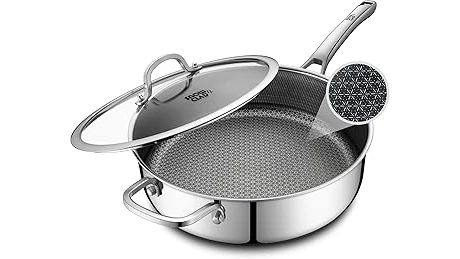
When choosing stainless steel, look for quality. A good quality stainless steel pan will have a core made of aluminum or copper sandwiched between layers of stainless steel. This core helps with heat distribution, preventing hot spots and ensuring your food cooks evenly.
This type is often referred to as clad cookware.
- Pros: Durable, non-reactive, resistant to rust, versatile.
- Cons: Can contain nickel (potential allergen), can have uneven heating if not clad.
- Health Considerations: Good for general cooking, choose high-quality clad versions for best heat distribution.
Cast Iron Cookware
Cast iron cookware has been around for ages and is known for its incredible durability and ability to retain heat. When properly seasoned, it develops a natural non-stick surface that actually improves with age. It’s a favorite for searing, frying, and baking.
From a health perspective, cast iron can actually add iron to your diet. This is because small amounts of iron can leach into the food as you cook. This can be a benefit for people who need to increase their iron intake, but it’s generally not a concern for most.
It’s important to note that this leaching is most noticeable with acidic foods and when the pan is new or not well-seasoned.
Caring for cast iron is key. It needs to be seasoned regularly and cleaned carefully, usually without soap, to maintain its non-stick properties and prevent rust. If it does rust, it can be restored.
While it requires more maintenance than other materials, its longevity and natural cooking surface make it a healthy and worthwhile choice for many.
- Pros: Very durable, develops a natural non-stick surface, can add iron to food, excellent heat retention.
- Cons: Heavy, requires seasoning and specific cleaning, can rust if not cared for.
- Health Considerations: Generally very safe, can add iron to diet, maintain seasoning for best results.
Enameled Cast Iron Cookware
Enameled cast iron combines the heat-retaining benefits of cast iron with a protective porcelain enamel coating. This coating makes it non-reactive, so it won’t add iron to your food and is safe for cooking acidic dishes. It also makes it easier to clean and maintain compared to traditional cast iron.
The enamel coating is essentially a glass-like surface that is fused to the cast iron at high temperatures. This creates a smooth, durable, and non-porous surface. Because it is non-reactive, it doesn’t leach metals into your food.
It’s a great option for those who want the benefits of cast iron but are concerned about reactivity or the maintenance of un-enameled cast iron.
While the enamel is durable, it can chip or crack if dropped or subjected to extreme temperature changes. If the enamel is compromised, it’s best to stop using the piece, as the exposed cast iron underneath could rust or react. Overall, it’s a very safe and healthy cookware option for a wide range of cooking tasks.
- Pros: Non-reactive, easy to clean, retains heat well, attractive appearance.
- Cons: Can chip or crack if mishandled, heavier than other cookware.
- Health Considerations: Excellent safe cooking surface, no metal leaching, easy to maintain.
Ceramic Cookware
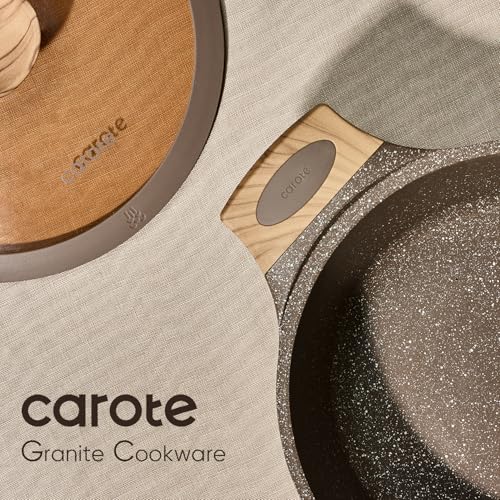
Ceramic cookware is often marketed as a healthy and eco-friendly option. It typically refers to cookware with a ceramic coating applied over a metal base, usually aluminum or stainless steel. The ceramic coating itself is made from natural materials like sand.
Ceramic coatings are generally considered safe and non-toxic. They don’t contain PTFE or PFOA (perfluorooctanoic acid), which have been concerns with older non-stick technologies. They are also non-reactive, meaning they won’t interact with your food.
This makes them a good choice for cooking various types of dishes, including those with acidic ingredients.
However, the performance and durability of ceramic coatings can vary significantly between brands. Some ceramic coatings can wear down faster than other types of non-stick surfaces. It’s important to check reviews and understand the expected lifespan of the coating.
When it wears out, it may need to be replaced, similar to other non-stick options.
- Pros: Non-toxic, PTFE and PFOA-free, non-reactive surface, easy to clean.
- Cons: Durability can vary, may wear down over time, not always naturally non-stick.
- Health Considerations: A safe alternative to traditional non-stick coatings.
Glass Cookware
Glass cookware, such as Pyrex or Visions cookware, is made from tempered glass. It’s known for being completely non-reactive and inert, meaning it will not leach any chemicals or metals into your food, regardless of the temperature or acidity of the ingredients.
Glass is an excellent material for health-conscious cooking because it’s completely safe. It doesn’t interact with food in any way. It also allows you to see the food cooking, which can help prevent overcooking.
It’s easy to clean and doesn’t stain or retain odors.
The main drawback of glass cookware is its fragility. While tempered glass is strong, it can still break if dropped or subjected to sudden, extreme temperature changes (thermal shock). It also doesn’t conduct heat as well as metal cookware, so it may take longer to heat up and can have uneven heating if not used carefully.
It’s often better suited for baking or slow cooking rather than high-heat searing.
- Pros: Completely non-reactive and inert, easy to clean, odor-resistant, allows visibility of food.
- Cons: Fragile, can break from thermal shock, slower heat conductivity, not ideal for high-heat cooking.
- Health Considerations: One of the safest and most inert cookware materials available.
Choosing The Best Cookware Material For Healthy Cooking At Home
Now that we’ve looked at different materials, how do you pick the best one for your home? It’s about balancing health, safety, performance, and your budget. No single material is perfect for every person or every cooking task.
The ideal choice often involves having a few different types of cookware to suit various needs.
Think about your cooking habits. Do you cook a lot of acidic foods like pasta sauce or marinades? Then a non-reactive material like stainless steel, enameled cast iron, or glass is a great idea.
Do you love crispy, browned meats and want a natural non-stick surface? Cast iron might be your best bet, provided you’re willing to maintain it. For everyday ease, a high-quality non-stick or ceramic pan can be useful, as long as you use them correctly.
We’ll go through some practical tips to help you decide. We’ll also look at how to use your cookware safely to maximize its health benefits. The goal is to equip you with the knowledge to make confident choices for your kitchen.
Factors To Consider For Your Kitchen
When selecting cookware, think about more than just the material. Consider how you actually cook your food. Do you often cook for one or two people, or do you host large family meals?
The size and number of pots and pans you need will influence your choice. Durability is also a big factor; you want cookware that will last for many years.
Budget plays a role too. High-quality cookware can be an investment, but it often pays off in the long run. Cheaper options might need to be replaced more frequently.
Safety is paramount, so always prioritize materials that are known to be inert and don’t release harmful substances, especially when heated. Even heat distribution is another performance factor that contributes to better cooking and prevents food from burning.
Think about your stove type. Some materials work better on certain stoves. For example, stainless steel and cast iron are excellent for induction cooktops.
Glass cookware might not be suitable for all types of stovetops. Make a list of your priorities to help narrow down the best options for your specific needs and cooking style.
Durability and Longevity
The best cookware material for healthy cooking at home should also be durable. You don’t want to replace your pots and pans every year. Well-made cookware will last for decades, saving you money and reducing waste.
Materials like cast iron and high-quality stainless steel are known for their exceptional longevity.
A pan that lasts a long time is also part of a healthy approach because it means less manufacturing and fewer items ending up in landfills. When you invest in good quality, you are investing in something that will serve you reliably for years. Look for solid construction, thick bases, and comfortable handles.
For non-stick surfaces, durability is often less about the material itself and more about how it’s treated. Even the most advanced non-stick coatings can wear out if not used and cared for properly. This is why understanding the care instructions for any cookware you buy is so important for its lifespan.
Ease of Use and Maintenance
For many people, ease of use and simple maintenance are key considerations when choosing cookware. Who wants to spend a lot of time scrubbing pans or worrying about special cleaning methods? Materials like stainless steel and enameled cast iron offer a good balance.
They are relatively easy to clean and maintain for most everyday cooking tasks.
Non-stick cookware, including ceramic, excels in ease of use because food slides off so easily. Cleanup is usually a quick wipe down. However, this ease comes with a caveat: they require careful handling to avoid damaging the coating.
This means avoiding metal utensils and high heat, which can add a bit of complexity to their use.
Cast iron, on the other hand, requires a bit more effort. It needs to be seasoned and cleaned without harsh soaps to maintain its non-stick properties. While this might seem like a lot of work, many cooks find the process rewarding and the resulting cooking surface superior.
The “best” choice here really depends on how much time and effort you’re willing to put into maintenance.
Cost and Value
The price of cookware can range from very affordable to quite expensive. When thinking about the best cookware material for healthy cooking at home, it’s important to consider not just the upfront cost but the overall value. A cheaper pan might seem appealing initially, but if it needs to be replaced frequently or doesn’t cook food well, it’s not a good long-term value.
High-quality stainless steel, cast iron, and enameled cast iron cookware are often more expensive initially but can last a lifetime. This makes them excellent value for money in the long run. They also tend to perform better, leading to more enjoyable cooking experiences and better-tasting food.
Non-stick and ceramic cookware can fall in various price ranges. While good quality sets exist, you might find that the non-stick properties diminish over time, necessitating replacement. Therefore, looking at reviews and understanding the expected lifespan can help you determine the true value of your purchase.
Putting It All Together A Practical Approach
The most practical approach to choosing the best cookware material for healthy cooking at home is to build a versatile collection. You don’t need to buy just one type. A well-rounded kitchen will have a few key pieces that serve different purposes.
Consider starting with a good quality set of stainless steel pots and pans. This will cover most of your daily cooking needs, from boiling pasta to sautéing vegetables. Add a cast iron skillet for searing meats and making cornbread.
A Dutch oven, whether enameled cast iron or stainless steel, is invaluable for stews, soups, and braising. Finally, if you enjoy easy cleanup for eggs or delicate fish, a high-quality ceramic or PTFE-free non-stick pan can be a useful addition.
This mix-and-match strategy ensures you have the right tool for the job while prioritizing healthy, safe cooking. It also allows you to enjoy the benefits of different materials without committing to a single type. Remember to always follow manufacturer guidelines for use and care to ensure both your health and the longevity of your cookware.
Recommended Cookware Sets For Healthy Cooking
When looking for cookware sets specifically designed for healthy cooking, many brands offer excellent options. High-quality stainless steel clad cookware is a perennial favorite. Brands like All-Clad, Cuisinart, and Calphalon offer durable sets with excellent heat distribution, often featuring aluminum or copper cores.
These are non-reactive and built to last.
For those interested in cast iron, brands like Le Creuset and Staub are renowned for their beautiful and highly functional enameled cast iron pieces. While a higher investment, these are incredibly durable and provide a safe, non-reactive cooking surface for all types of food. Lodge offers more budget-friendly, durable traditional cast iron options that are also excellent for healthy cooking, provided they are seasoned well.
Ceramic non-stick options are also widely available. Brands like GreenPan and Circulon offer sets that are free from PTFE and PFOA. While they may not last as long as stainless steel or cast iron, they provide a convenient and safe non-stick experience for everyday use.
When choosing a set, always read reviews focusing on durability and performance over time.
A sample scenario might involve someone who cooks mostly vegetarian meals with lots of vegetables and grains. In this case, a set of stainless steel pots and pans and a good ceramic skillet would be ideal. Another scenario could be a family that loves to roast chicken and make hearty stews.
For them, a Dutch oven and a cast iron skillet would be essential additions.
Consider this: A study published in the Journal of Exposure Science & Environmental Epidemiology found that cooking with non-stick pans often involved higher temperatures, leading to potential exposure to PFAS chemicals. This highlights the importance of choosing PFOA and PTFE-free options or opting for alternative materials like stainless steel or cast iron when possible, especially for high-heat cooking.
Sample Scenario A Family Focused On Everyday Meals
Imagine a busy family that cooks dinner most nights of the week. They need cookware that is quick to heat up, easy to clean, and safe for everyday use. A good set of clad stainless steel cookware would be an excellent foundation for this family.
A 10-piece set might include saucepans of various sizes, a larger stockpot for soups and pasta, and a couple of frying pans for weeknight dinners.
For cooking eggs and pancakes in the morning, a separate ceramic non-stick skillet would be very convenient. It provides the easy release needed for these items without the concerns of older non-stick technologies. This combination of stainless steel and ceramic offers versatility and addresses different cooking needs efficiently.
They can sauté vegetables in stainless steel, make scrambled eggs in ceramic, and boil pasta in the stockpot, all with healthy, safe materials.
Another great addition for this family might be a medium-sized enameled cast iron Dutch oven. This piece is perfect for making one-pot meals like chili or pot roast, which can be prepared on the stovetop and then finished in the oven. The even heating and heat retention of the Dutch oven ensure tender, flavorful results.
This set up provides a healthy, practical, and diverse cooking experience for a family.
Sample Scenario A Health Enthusiast Looking For Ultimate Safety
For someone prioritizing ultimate safety and minimal chemical exposure, the choice of cookware becomes even more focused. The best cookware material for healthy cooking at home for this individual would lean heavily towards inert and non-reactive substances. This means prioritizing materials that absolutely do not leach anything into the food.
A cornerstone of this kitchen would be high-quality, heavy-gauge stainless steel cookware. Look for brands that clearly state the material composition, favoring those with a thicker core for better heat control. This material is non-reactive, durable, and easy to clean, making it ideal for everything from searing fish to simmering sauces.
An additional advantage of good stainless steel is its longevity; it’s an investment that lasts a lifetime.
To supplement the stainless steel, a well-seasoned cast iron skillet would be included. This adds a naturally non-stick surface that has been used for generations. While it can leach iron, this is generally considered a beneficial addition for many diets.
For baking, borosilicate glass bakeware (like Pyrex) is essential, as it is completely inert and can go from the freezer to the oven. This combination offers supreme safety and versatility for the health-conscious cook.
It’s worth noting that the World Health Organization (WHO) has identified certain chemicals, like PFOA, as potentially harmful. While PFOA has been phased out of many non-stick coatings, understanding the origin and composition of your cookware is always the best defense. This proactive approach ensures a healthier kitchen environment.
Caring For Your Cookware For Health And Longevity
No matter which material you choose for the best cookware material for healthy cooking at home, proper care is essential. Taking good care of your pots and pans ensures they remain safe to cook with, perform well, and last a long time. This saves you money and reduces waste.
Different materials have different care needs. For instance, cast iron requires seasoning, while stainless steel might benefit from occasional polishing. Non-stick surfaces need gentle handling to prevent scratches.
Following the manufacturer’s instructions is always the best starting point. We’ll cover general tips that apply to most types of cookware.
Simple habits can make a big difference. This includes how you wash your cookware, what utensils you use, and how you store it. By investing a little time in maintenance, you can ensure your cookware remains a healthy and reliable part of your kitchen for years to come.
Proper Cleaning Techniques
Cleaning your cookware correctly is crucial for both its longevity and your health. For most materials like stainless steel and enameled cast iron, warm soapy water and a soft sponge or cloth are usually sufficient. Avoid abrasive scrubbers or steel wool, as these can scratch surfaces, especially non-stick coatings and enamel.
If you encounter stubborn food residue, try soaking the pan in warm water for a while. For stainless steel, a paste of baking soda and water can help lift tough stains. Never use harsh chemicals or oven cleaners on your cookware, as these can damage the material and leave behind harmful residues.
For cast iron, the rule is often to avoid soap altogether, or use it very sparingly with a soft brush. Rinse thoroughly and dry immediately to prevent rust. If your cast iron develops a sticky residue, you can often scrub it with coarse salt and oil, then rinse and re-season.
Always dry cast iron completely after washing. Proper cleaning ensures no food particles or cleaning agents remain to interfere with your next meal.
Using The Right Utensils
The utensils you use with your cookware can have a significant impact on its lifespan and safety. For non-stick and ceramic cookware, it is absolutely essential to use only wooden, silicone, or plastic utensils. Metal utensils, even those that seem smooth, can scratch and damage the delicate coatings, leading to flaking and potential exposure of the underlying material.
Stainless steel cookware is more forgiving. You can generally use metal utensils with stainless steel without causing damage. However, even with stainless steel, opting for wooden or silicone utensils can help keep the surface looking pristine for longer.
They also reduce the risk of accidental gouges or scratches.
For cast iron, metal utensils are generally acceptable and are often used for scraping during cooking. However, avoid excessively sharp or aggressive metal tools that could chip away at the seasoning or the iron itself. The goal is to cook effectively without compromising the integrity of the cookware.
Choosing the right utensils is a simple step that greatly contributes to the health and durability of your cookware.
Storage Best Practices
How you store your cookware can also affect its condition and longevity. It’s best to store pots and pans in a way that prevents them from scratching each other. This is especially important for non-stick and enameled surfaces.
Using pan protectors, which are typically made of felt or soft fabric, is a great way to separate stacked cookware. Alternatively, you can place a folded paper towel or a dishcloth between pans. If you hang your pots and pans, ensure they are spaced out so they don’t bang against each other.
Avoid nesting pans too tightly, particularly if they have different materials or coatings. For cast iron, ensure it is completely dry before storing it, ideally in a dry place to prevent rust. Proper storage ensures that when you reach for your cookware, it’s in the best possible condition, ready for healthy and safe cooking.
Frequently Asked Questions
Question: What is the absolute healthiest cookware material
Answer: The absolute healthiest cookware materials are generally considered to be glass, enameled cast iron, and high-quality stainless steel because they are non-reactive and do not leach metals into food.
Question: Is ceramic non-stick cookware safe
Answer: Yes, ceramic non-stick cookware is generally considered safe, especially those that are free from PTFE and PFOA, as they are made from natural materials and are non-reactive.
Question: Should I worry about aluminum in cookware
Answer: You should be mindful of aluminum cookware if you frequently cook acidic foods, as it can leach small amounts of aluminum. Anodized aluminum is a safer option than raw aluminum.
Question: How often should I replace non-stick pans
Answer: Replace non-stick pans as soon as the coating shows signs of wear, such as scratches, chips, or peeling, to avoid potential health risks from degraded coatings.
Question: Can cast iron cookware rust
Answer: Yes, cast iron cookware can rust if it is not dried thoroughly after washing or if it is exposed to moisture for extended periods. Proper seasoning and care prevent rust.
Wrap Up
Selecting the best cookware material for healthy cooking at home involves choosing safe, durable options that fit your lifestyle. Prioritize non-reactive materials like stainless steel, enameled cast iron, or glass for everyday cooking. Consider cast iron for its durability and natural benefits.
With proper care, these choices ensure safe, healthy meals for you and your family.

Leave a Reply