

The best cookware for toxin-free cooking includes ceramic, stainless steel, cast iron, and glass options. When it comes to preparing meals for your family, the cookware you use matters just as much as the ingredients you choose. Many people don't realize that certain pots and pans can leach harmful chemicals into their food during cooking, which is why understanding the best cookware for toxin-free cooking has become increasingly important. After years of researching kitchen safety and testing various cooking surfaces, I've learned that choosing the right cookware is one of the simplest yet most impactful decisions you can make for your household's health. This guide will walk you through everything you need to know about selecting cookware that keeps your food safe, delicious, and free from harmful toxins.

Understanding Toxins in Cookware
The concern about toxins in cookware isn't just health-conscious hype—it's backed by real science. When you heat certain materials, they can release chemicals into your food. Non-stick coatings, for example, contain perfluorooctanoic acid (PFOA), which has been linked to various health concerns. Traditional cookware materials like aluminum can leach into acidic foods, while some coatings break down over time, contaminating your meals.
I remember the moment I realized my everyday cookware might be harming my family. I was cooking tomato sauce in an old non-stick pan, and small flakes were peeling off into the food. That's when I started my journey to understand toxin-free cooking options. The reality is that most people use cookware without considering what might be leaching into their breakfast eggs or dinner soups.
Understanding which materials are safe and which pose risks will help you make informed decisions about what belongs in your kitchen. The best cookware for toxin-free cooking prioritizes materials that don't react with food, especially when heated or when cooking acidic ingredients.

Ceramic Cookware: A Safe and Stylish Choice
Ceramic cookware has become one of the most popular options for people seeking the best cookware for toxin-free cooking. These pans feature a ceramic coating over a base material, usually aluminum or stainless steel, and they offer an excellent non-stick surface without synthetic chemicals. Ceramic is naturally non-toxic and doesn't contain PFOA or PTFE, making it a genuinely safe choice for your kitchen.
What I appreciate most about ceramic cookware is how versatile it is. You can use it on stovetops, in ovens, and under broilers without worry. The non-stick properties mean you need less oil for cooking, which appeals to health-conscious cooks. Ceramic pans are also beautiful enough to bring directly to the table, eliminating extra dishes and making your kitchen look more intentional.
However, ceramic does have limitations. The coating can chip over time, and it's not quite as durable as cast iron or stainless steel. I've found that ceramic cookware works best when handled gently and hand-washed rather than subjected to the dishwasher. The coating can also wear faster than traditional non-stick surfaces, so you might need to replace these pans sooner than other options.
When shopping for ceramic cookware for toxin-free cooking, look for products that explicitly state they're PFOA-free and made with food-safe materials. Quality ceramic cookware typically costs more upfront but delivers peace of mind knowing nothing harmful is transferring to your food.

Stainless Steel: The Durable Kitchen Workhorse
Stainless steel represents the gold standard for many people searching for the best cookware for toxin-free cooking. This material is non-reactive, meaning it won't leach chemicals into your food regardless of what you're cooking or how long it sits in the pan. Stainless steel cookware can handle virtually any cooking method, from stovetop to oven to dishwasher, without degrading or releasing toxins.
The durability of stainless steel is remarkable. I have a set of stainless steel pans that's lasted over fifteen years, used almost daily, and they perform as well now as when I bought them. Unlike ceramic or non-stick coatings that wear away, stainless steel actually improves with age, developing a patina that enhances its non-stick properties naturally. This longevity makes stainless steel one of the most economical choices for toxin-free cooking over time.
That said, stainless steel isn't perfect for every situation. Food tends to stick to stainless steel pans unless you use adequate oil or properly preheat them. The learning curve is steeper than with traditional non-stick, but once you master the technique, you'll consistently achieve great results. Additionally, stainless steel cookware quality varies widely, and inferior brands can have uneven heat distribution or poor handles.
For the best cookware for toxin-free cooking in stainless steel, invest in reputable brands known for quality construction. Look for cookware with a copper or aluminum core between layers of stainless steel, which improves heat distribution significantly. These multi-ply pans cost more initially but perform better and last longer than budget options.

Cast Iron: The Traditional Powerhouse
Cast iron cookware deserves a prominent place in any discussion about the best cookware for toxin-free cooking. This ancient material has been used safely for centuries and contains no synthetic coatings or chemicals that could leach into food. Cast iron is entirely non-toxic and actually beneficial—it can increase the iron content of your food, which is particularly valuable for people with iron deficiency.
My cast iron skillet is perhaps my most cherished kitchen tool. I inherited it from my grandmother, and it's been used continuously for nearly forty years. The seasoning layer that develops over time creates a natural, non-stick surface that actually improves with use. Cast iron distributes heat incredibly evenly, making it perfect for searing meats, baking cornbread, or cooking frittatas that need both stovetop and oven work.
The main drawback of cast iron is the maintenance requirement. These pans need regular seasoning to maintain their surface and prevent rust. They're also heavier than other cookware options, which some people find challenging to handle. Cast iron also reacts slightly with highly acidic foods if left sitting for extended periods, though this minimal transfer isn't the health concern that synthetic chemical leaching presents.
For the best cookware for toxin-free cooking experience with cast iron, start with a pre-seasoned pan from a reputable manufacturer rather than an unseasoned option. Lodge and other established brands sell quality cast iron that's ready to use. Learn proper care techniques, including washing by hand, drying immediately, and occasionally re-seasoning with oil to maintain the protective coating.
Glass Cookware: Transparent and Safe
Glass cookware offers a unique advantage for toxin-free cooking because you can see exactly what's happening with your food as it cooks. Glass is completely non-reactive, inert, and won't leach any chemicals regardless of temperature or ingredients. Many people overlooked glass for years, but it's experiencing a well-deserved resurgence as people prioritize the best cookware for toxin-free cooking.
I use glass baking dishes regularly for casseroles, roasted vegetables, and gratins. The ability to see the bottom and sides of your dish helps prevent burning and allows for better monitoring of doneness. Glass moves easily from stovetop (if it's tempered) to oven to table, and it's completely dishwasher-safe. Unlike ceramic or non-stick coatings, glass never deteriorates or requires replacement due to wear.
The limitations of glass cookware are primarily functional rather than safety-related. Glass conducts heat differently than metal, sometimes creating hot spots or uneven cooking. It's also fragile and can break from temperature shock or impact. Glass cookware is generally heavier than metal alternatives, and it doesn't work on induction cooktops unless the base is specifically designed for induction cooking.
When selecting glass cookware for toxin-free cooking, choose borosilicate glass, which is specifically designed to withstand temperature changes. This type of glass is used in laboratory settings because of its safety and durability. Pyrex and similar brands manufacture reliable borosilicate glass cookware that lasts indefinitely without any toxic concerns.
What to Avoid: Unsafe Cookware Materials
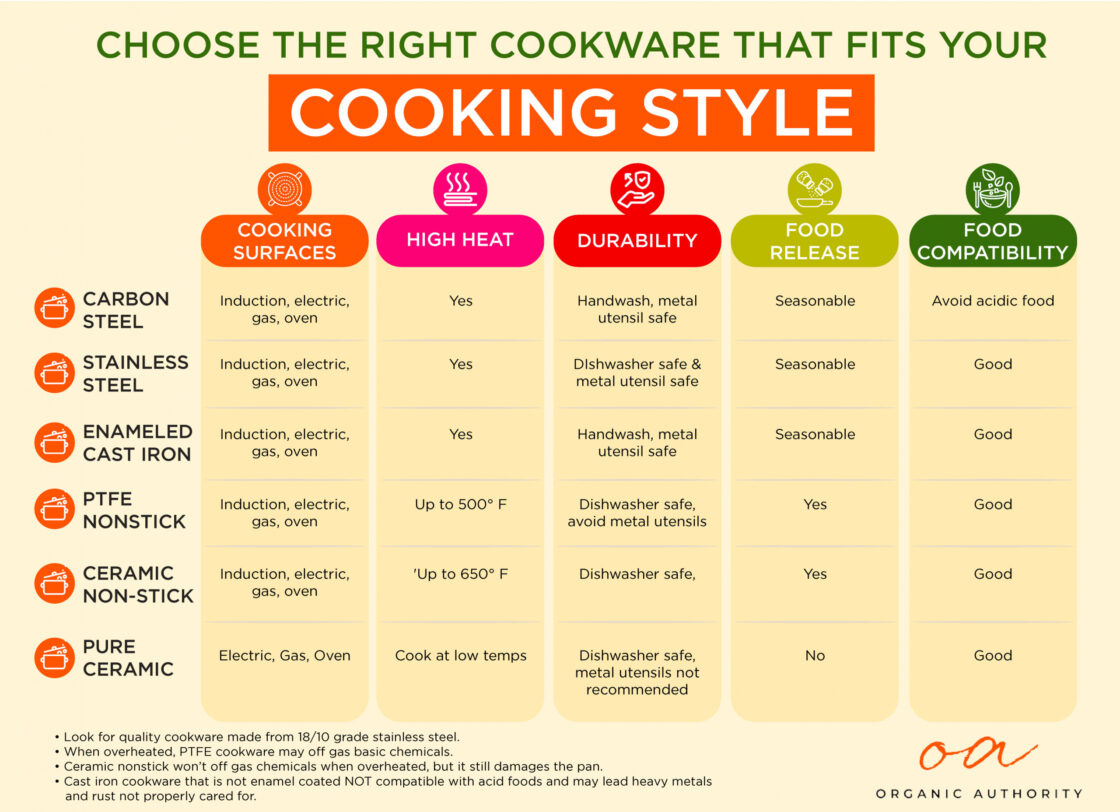
Not all cookware is created equal, and understanding what to avoid is crucial when prioritizing the best cookware for toxin-free cooking. Non-stick cookware with PTFE (polytetrafluoroethylene) coatings, commonly known as Teflon, can release harmful fumes when overheated. While modern non-stick cookware is safer than older versions, many experts still recommend avoiding it if you have alternatives.
Uncoated aluminum cookware is another material to be cautious about. Aluminum is reactive and can leach into food, particularly acidic dishes like tomato sauce or vinegar-based recipes. If you do use aluminum, anodized aluminum is safer because the oxidation process creates a protective barrier, though ceramic or stainless steel remains the best cookware for toxin-free cooking.
Some inexpensive cookware contains heavy metals or poor-quality materials that haven't been properly tested for safety. Cookware imported from countries with less stringent regulations sometimes contains lead or cadmium, which are serious health hazards. I learned this lesson when a budget cookware set I purchased showed concerning results in independent testing.
Always verify that cookware is manufactured by reputable companies with transparent sourcing and safety testing. Look for certifications from relevant health organizations, read customer reviews carefully, and avoid unusually cheap options from unknown brands. The best cookware for toxin-free cooking might cost more, but it's an investment in your family's long-term health.

Heat Distribution and Cooking Performance
When selecting the best cookware for toxin-free cooking, heat distribution matters significantly for both safety and cooking quality. Cookware with uneven heat distribution creates hot spots that can burn food or cause uneven cooking. Multi-ply construction, where different metals are bonded together, provides superior heat distribution compared to single-layer options.
I've noticed that my stainless steel cookware with a copper core heats much more evenly than single-ply options. The aluminum or copper core distributes heat uniformly across the bottom and sides, preventing the frustration of burnt edges and undercooked centers. This even heating also means you use less energy overall, as the pan reaches target temperatures more efficiently.
The material thickness also impacts performance and safety. Thicker cookware heats more evenly and is less likely to warp under high temperatures. Cast iron's thickness makes it excellent for maintaining consistent temperatures. When evaluating options for the best cookware for toxin-free cooking, consider heat distribution as a practical benefit beyond toxin concerns.
Handle Safety and Comfort
The handles on your cookware might not seem like a toxin-related concern, but they significantly impact your cooking experience and safety. Handles should be heat-resistant, ergonomic, and secure to prevent accidents or burns. Some cookware features plastic handles that can melt or deteriorate, while others use metal handles that require oven mitts.
Silicone-coated handles offer a middle ground, providing grip and heat resistance without the concerns of questionable plastic compounds. I prefer stainless steel or cast iron cookware with metal handles because they're durable and don't require replacement. Riveted handles, where the handle is permanently attached rather than glued, indicate better construction quality.
When choosing the best cookware for toxin-free cooking, test the handles by hand if possible. They should feel secure and balanced. Consider how often you'll use oven mitts and whether the weight distribution feels comfortable for your cooking style. Poorly designed handles can create awkward weight distribution that causes wrist strain during regular cooking.
Budget Considerations for Toxin-Free Cookware
Investing in the best cookware for toxin-free cooking doesn't necessarily mean spending a fortune, though quality cookware typically costs more than budget alternatives. Building a collection gradually allows you to invest in quality pieces without overwhelming your budget. I started with two cast iron skillets and a stainless steel pot, then added pieces as budget allowed.
A functional toxin-free cookware collection might include one cast iron skillet for searing and cooking, one stainless steel pot for boiling and simmering, and one ceramic or glass dish for baking. These three pieces can handle most home cooking tasks. Buying versatile pieces that work in multiple situations stretches your budget further than specialized cookware you'll rarely use.
Comparing cost per year of use helps justify investing in quality cookware. A stainless steel pan that costs twice as much but lasts twenty years instead of five is actually more economical. The best cookware for toxin-free cooking is ultimately the option you'll use consistently because you trust its safety and enjoy cooking with it.
Look for sales and consider buying second-hand cast iron, which often improves with age. Many vintage cast iron pieces are superior to new options and cost a fraction of the price. Building your toxin-free cookware collection intentionally over time creates a kitchen you truly love using.
Transition Tips for Switching to Toxin-Free Cookware
If you're currently using conventional non-stick cookware and want to switch to the best cookware for toxin-free cooking, don't feel pressured to replace everything overnight. Transitioning gradually is practical and financially sensible. Start by identifying which pieces you use most frequently and replace those first.
When I transitioned to toxin-free cookware, I started by replacing the non-stick skillet I used for breakfast most mornings. That single switch felt meaningful because I was removing potential toxin exposure from my most frequent cooking activity. Within a few months, I'd replaced all daily-use cookware, and within a year, my collection was entirely toxin-free.
Begin with simple recipes as you learn new cookware. Cast iron might require different technique than non-stick pans, and stainless steel has its own tricks. Give yourself grace during the learning process. Watch tutorial videos, practice your techniques, and don't judge the cookware based on initial failures while you're still adjusting.
Donate or recycle old cookware responsibly rather than continuing to use questionable materials. Many communities have recycling programs for metal cookware. Knowing you've removed harmful cookware from your kitchen provides peace of mind that extends beyond just using better options moving forward.
Maintenance and Care for Long-Term Safety
Proper maintenance ensures that the best cookware for toxin-free cooking continues to perform safely throughout its lifespan. Different materials require different care approaches. Cast iron needs seasoning and careful washing to maintain its protective layer. Stainless steel benefits from occasional polishing to remove water spots. Ceramic and glass cookware typically require gentle handling to prevent chipping or breaking.
Hand-washing is generally better for specialized cookware than machine washing. Dishwashers can be aggressive on handles, coatings, and connections. I hand-wash my ceramic and cast iron cookware to ensure longevity, though I do occasionally put stainless steel in the dishwasher without concern. Gentle care extends the life of the best cookware for toxin-free cooking significantly.
Replace cookware when you notice coating damage, warping, or deterioration. A ceramic pan with a large chip should be retired because the exposed base material might not be food-safe. Cast iron with deep rust spots beyond your ability to restore should be recycled. Continuing to use compromised cookware defeats the purpose of choosing the best cookware for toxin-free cooking in the first place.
Store cookware in ways that prevent damage. Stacking creates opportunities for scratches and dents. Use pans with padding between them or store them in racks. Proper storage prevents premature wear and maintains the appearance and functionality of your cookware collection.
Frequently Asked Questions about Best Cookware for Toxin-Free Cooking
What is the safest cookware material for cooking?
Stainless steel, cast iron, glass, and ceramic are all safe materials for toxin-free cooking. Stainless steel is completely non-reactive, cast iron provides non-toxic durability, glass is inert, and ceramic offers a non-toxic non-stick surface without harmful chemicals.
Is ceramic cookware truly non-toxic?
Yes, ceramic cookware is genuinely non-toxic when manufactured properly. It contains no PFOA or PTFE and won't leach harmful chemicals into your food regardless of cooking temperature or ingredients used.
Can I use cast iron on induction cooktops?
Yes, cast iron works perfectly on induction cooktops because it's ferromagnetic. Stainless steel cookware also works well on induction, but glass and ceramic cookware requires special bases designed for induction cooking.
How often should I replace the best cookware for toxin-free cooking?
Stainless steel and cast iron can last decades with proper care. Ceramic cookware typically lasts five to ten years. Glass is virtually permanent unless broken. Replace any cookware showing visible damage, deterioration, or performance decline.
Why is PFOA in non-stick cookware a concern?
PFOA is a synthetic chemical used in traditional non-stick coatings that has been linked to health issues including liver damage and elevated cholesterol levels. Avoiding cookware with PFOA eliminates this potential exposure from your cooking routine entirely.
Does metal cookware leach into acidic foods?
Stainless steel doesn't leach because it's non-reactive. Cast iron might transfer minute amounts of iron, which is actually beneficial nutritionally. Uncoated aluminum is reactive with acidic foods and should be avoided. The best cookware for toxin-free cooking handles acidic ingredients safely.
Conclusion
Making the switch to the best cookware for toxin-free cooking is one of the most practical decisions you can make for your family's health. Whether you choose durable stainless steel, versatile cast iron, safe ceramic, or transparent glass, you're taking control of what enters your body through the food you prepare. Each material offers distinct advantages, and the right choice depends on your cooking style, budget, and preferences.
Your kitchen deserves cookware you can trust completely. Start today by evaluating what you currently have and identifying one piece to replace with a toxin-free option. This single action puts you on a path toward a healthier home where every meal is prepared with genuine safety in mind. Explore the options that appeal to you most, invest in quality gradually, and enjoy the confidence that comes from knowing your cookware supports your family's wellbeing.
What's holding you back from making the transition to the best cookware for toxin-free cooking? Share your concerns or experiences in the comments below, and let's build a community committed to safer, healthier cooking practices.

Leave a Reply