
The best cookware for electric stoves features flat bottoms, excellent heat conductivity, and compatible materials like stainless steel or cast iron. Cooking on an electric stove is a completely different experience than using gas, and the right cookware makes all the difference. I've spent years testing various cookware options on electric stoves, and I've discovered that many home cooks unknowingly use unsuitable pans that waste energy and create uneven cooking results. In this comprehensive guide, I'll walk you through everything you need to know about selecting the best cookware for electric stove cooking, including the materials that work best, the features that matter most, and the common mistakes to avoid. Whether you're upgrading your kitchen or just looking to improve your cooking experience, understanding these fundamentals will help you make smarter purchasing decisions.

Understanding Electric Stove Cooking Fundamentals
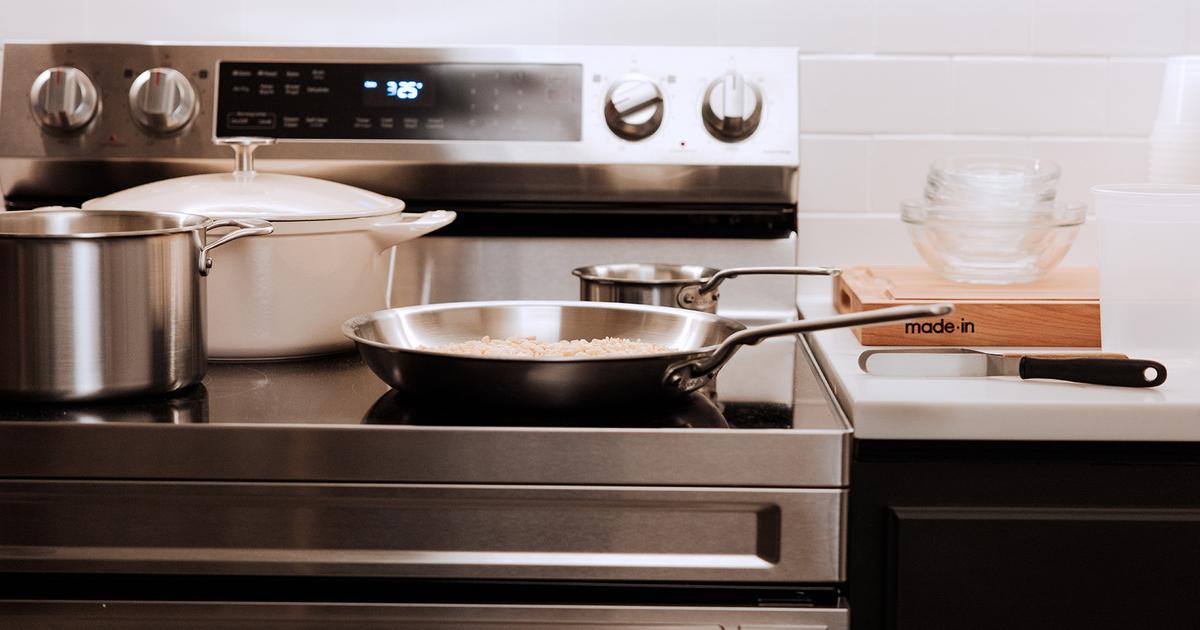
Electric stoves operate differently from gas burners, and this difference has significant implications for cookware selection. Electric coils or smooth cooktops heat through direct contact with the bottom of your pans, meaning the cookware must sit flat and conduct heat efficiently. The heating elements don't adjust instantly like gas flames do, so heat distribution becomes crucial for avoiding burnt spots and undercooked areas. I learned this the hard way when I first moved into an apartment with an electric stove and ruined a beautiful pan by trying to use cookware with a warped bottom. The key is understanding that electric stoves reward flat-bottomed cookware with excellent thermal properties, and choosing the right cookware for electric stove surfaces will dramatically improve your cooking results.
.png?v=1762378814533&options=w_870,h_700)
Essential Features of Quality Cookware for Electric Stoves
When shopping for the best cookware for electric stove use, you'll want to focus on several specific characteristics that ensure compatibility and performance. The most important feature is a flat, smooth bottom that makes complete contact with the heating surface—any warping or unevenness prevents proper heat transfer and causes hot spots. Heat conductivity matters tremendously because electric stoves lack the responsiveness of gas, so cookware that distributes heat evenly prevents burning and ensures consistent cooking. Weight and thickness also play roles in how quickly the cookware heats and how well it maintains temperature. Look for cookware with sturdy handles that stay cool or have proper insulation, heavy-duty construction that won't warp over time, and compatibility with your specific stove type, whether it's traditional coils or a smooth glass surface.
Best Materials for Electric Stove Cookware
Different materials offer distinct advantages and disadvantages when used on electric stoves. Each type of cookware for electric stove cooking brings unique properties that affect your cooking experience and longevity.
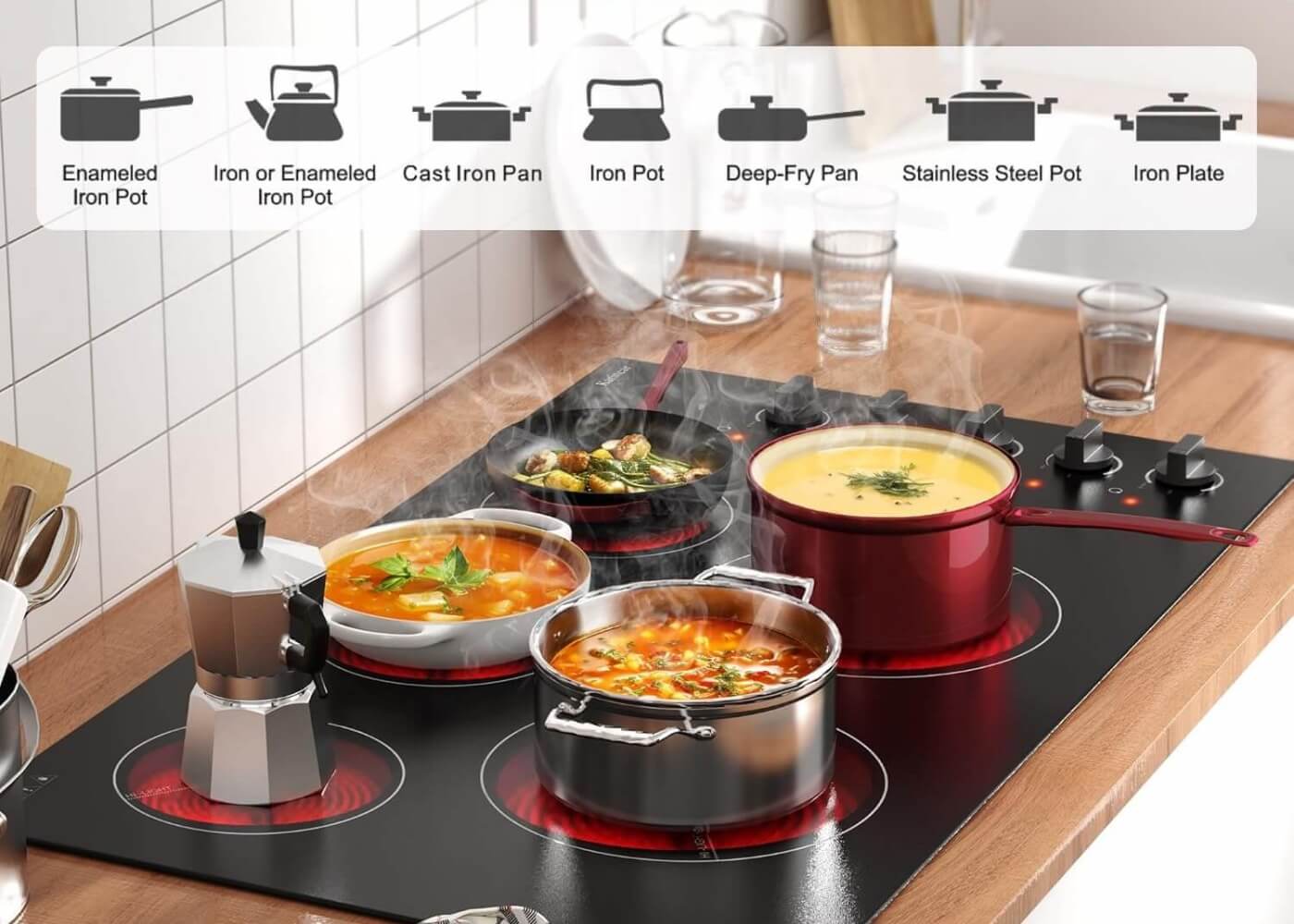
Stainless steel represents the most popular choice for best cookware for electric stove applications because it's durable, resistant to corrosion, and works with all electric stove types. Stainless steel cookware conducts heat reasonably well, especially when it has an aluminum or copper core, and it won't react with acidic foods like tomato-based sauces. The downside is that pure stainless steel isn't the best heat conductor on its own, which is why the best cookware for electric stove uses stainless steel with multi-ply construction that includes inner layers of aluminum or copper.
Cast iron is excellent cookware for electric stove cooking if you're willing to invest in proper maintenance and heat management. Cast iron distributes heat incredibly evenly once it reaches temperature, making it ideal for searing, frying, and slow cooking. However, cast iron takes longer to heat up than other materials, and it requires seasoning and careful cleaning to prevent rust. I've used cast iron on electric stoves for years, and the even heat distribution is unmatched for certain cooking tasks.
Aluminum cookware for electric stove use is lightweight and heats quickly, but pure aluminum isn't ideal because it reacts with acidic foods and can warp easily. Anodized aluminum, which has been treated to create a hard surface, works better for electric stove cooking and resists warping and corrosion. Hard-anodized aluminum cookware for electric stove is durable and offers excellent heat conductivity at a reasonable price point.
Copper-bottomed cookware represents premium cookware for electric stove applications because copper is one of the best heat conductors available. These pans heat quickly and distribute heat evenly, making them ideal for precise cooking. The trade-off is cost—copper-bottomed cookware for electric stove cooking typically costs more than other options.
Non-stick coated cookware can work on electric stoves, but you need to be careful about temperature limits. Most non-stick coatings aren't designed for very high heat, and electric stoves can sometimes struggle to heat non-stick cookware evenly. Quality non-stick cookware for electric stove use with reinforced coatings and proper core construction works better than budget options.
:max_bytes(150000):strip_icc()/Testing-CalphalonClassic_10PC_12-RussellKilgore-0005-1.jpg-2be6fbf11aaa43e6a09c2f17f876991a.jpg)
Multi-Ply Construction and Its Importance
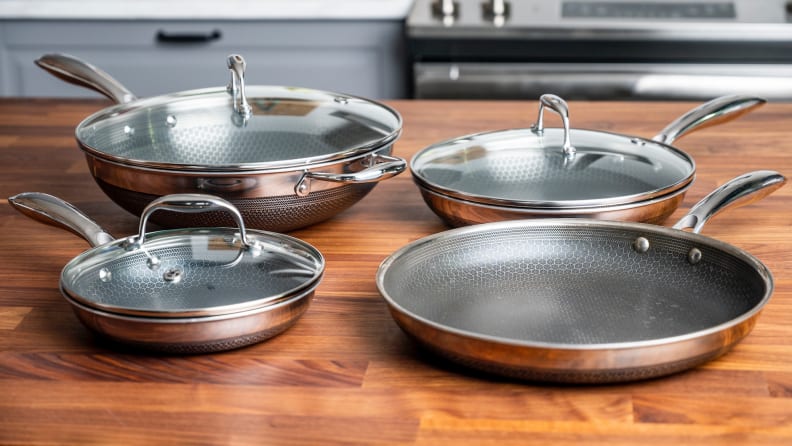
Understanding multi-ply construction is essential when selecting the best cookware for electric stove cooking. Multi-ply cookware consists of multiple layers of different materials bonded together, which dramatically improves performance on electric stoves. Typically, cookware for electric stove cooking features an outer stainless steel layer for durability and appearance, middle layers of aluminum or copper for heat conductivity, and sometimes an inner stainless steel layer for food safety.
Three-ply cookware means three layers bonded together and offers excellent performance for most cooking tasks. Five-ply or seven-ply cookware for electric stove use provides even better heat distribution and is worth the investment if you cook frequently. I've found that three-ply cookware for electric stove cooking provides a great balance between performance and affordability, while five-ply cookware is the sweet spot for serious home cooks.
The advantage of multi-ply cookware for electric stove applications is that it combines the best properties of each material. The aluminum or copper core conducts heat efficiently, while the stainless steel exterior handles the demands of daily cooking and resists staining. This construction method is why many professional chefs recommend multi-ply cookware for electric stove cooking.
Flat Bottom Requirement for Electric Stoves
The flat bottom is perhaps the most critical factor when choosing cookware for electric stove cooking, and I can't stress this enough based on my experience. Electric stoves rely on direct contact between the cookware bottom and the heating element—any gaps reduce heat transfer efficiency and create uneven cooking. When you place a pan with a curved or warped bottom on an electric stove, only the high points of the pan touch the surface, while the valleys create air gaps that prevent proper heating.
Testing cookware for electric stove use is simple: place it on a flat surface and try to slide a piece of paper underneath. If the paper slides easily or doesn't fit at all, the cookware for electric stove isn't flat enough. The best cookware for electric stove cooking will have a paper-thin gap at most.
Flat-bottomed cookware for electric stove cooking ensures faster heating, more even temperature distribution, and better energy efficiency. Over time, using non-flat cookware for electric stove cooking can warp the pan further and damage the stove's heating elements. Always check for flatness when purchasing cookware for electric stove use, and avoid cookware that shows signs of warping or damage.

Cookware Compatibility With Different Electric Stove Types
Electric stoves come in different varieties, and cookware compatibility varies based on your specific stove type.
Coil electric stoves feature exposed heating coils that glow red when active. Cookware for electric stove coil burners needs a completely flat bottom to sit properly on the coil. I've had the best results with sturdy, heavyweight cookware for electric stove coil surfaces because lighter pans can shift on the coils. The coils can damage cookware for electric stove use more easily than smooth surfaces, so durable construction matters.
Smooth glass or ceramic cooktops represent a modern electric stove design that's elegant and easy to clean. Cookware for electric stove smooth top surfaces needs a smooth, flat bottom to make complete contact with the glass. Avoid cookware with rough or textured bottoms because they can scratch smooth cooktops. The best cookware for electric stove smooth top cooking is specifically designed with this surface in mind.
Induction cooktops are a special category of electric stove that use magnetic technology to heat cookware. Not all cookware for electric stove induction cooking works on induction—the cookware must contain ferromagnetic material. Only certain types of cookware for electric stove induction cooking are compatible, including ferromagnetic stainless steel and cast iron, but not aluminum or copper unless they have a special induction-compatible base.
Heat Distribution and Cooking Performance
Heat distribution is where quality cookware for electric stove cooking truly shines. Electric stoves heat more slowly than gas and lack the responsive adjustability, so cookware that distributes heat evenly becomes even more important. Poor quality cookware for electric stove cooking can develop hot spots that burn food in certain areas while leaving other areas undercooked.
The thickness of the cookware bottom directly affects heat distribution. Thin cookware for electric stove cooking heats quickly but distributes heat unevenly and can develop hot spots. Thick-bottomed cookware for electric stove cooking distributes heat better but takes longer to reach temperature. The sweet spot is cookware with a bottom thickness of at least 5-6mm for electric stove use.
I've tested numerous cookware options for electric stove cooking, and I consistently find that multi-ply construction with an aluminum core performs best. The aluminum conducts and distributes heat quickly and evenly across the entire bottom and sides of the cookware for electric stove use. This results in faster, more even cooking and prevents the frustration of burnt edges and raw centers.

Size and Coverage Considerations
Choosing the right size cookware for electric stove cooking is more important than many people realize. Cookware that's too small for the burner leaves much of the heating element unused, wasting energy and heating inefficiently. Cookware that's too large hangs over the edge, which reduces efficiency and can be unsafe.
The ideal rule is to match cookware for electric stove use to burner size as closely as possible. For an 8-inch burner, use cookware with a 7-8 inch base. For a 6-inch burner, use cookware with a 5-6 inch base. Many cookware for electric stove sets include multiple sizes to accommodate different burners.
I've noticed that cookware for electric stove cooking performs best when it covers about 75-90% of the burner surface. This ensures efficient heat transfer while allowing some air circulation around the pan edges.
Price Range and Value Considerations
Cookware for electric stove cooking exists at virtually every price point, from budget options under $20 to premium sets costing several hundred dollars. Budget cookware for electric stove use typically features single-ply construction and lighter weight, which means uneven heating and potential warping.
Mid-range cookware for electric stove cooking, priced between $50-150 per piece, usually offers three-ply construction with aluminum cores and decent heat distribution. This price range represents excellent value and is where I find most home cooks get the best results.
Premium cookware for electric stove cooking costs more but offers superior heat distribution, longer lifespan, and better handling. High-end cookware for electric stove use with five or seven-ply construction and additional features like helper handles or specialized lids can exceed $200 per piece.
For most home cooks, mid-range cookware for electric stove cooking provides the best value and performance. Investing in quality cookware for electric stove use pays off through better cooking results and years of reliable service.
Common Mistakes When Using Cookware on Electric Stoves
Understanding what not to do is just as important as knowing what to choose. The biggest mistake I see is using warped cookware on electric stoves. Warped cookware for electric stove cooking creates gaps between the pan bottom and the heating element, resulting in inefficient heating and uneven cooking.
Never use cookware for electric stove cooking with damaged or dented bottoms because this compromises heat distribution. Avoid placing cold cookware on hot electric stoves at maximum temperature because rapid temperature changes can cause warping in cookware for electric stove use.
Many people make the mistake of leaving cookware for electric stove cooking on the burner while adjusting temperatures. On electric stoves, it takes time for the burner to cool down, so remove cookware for electric stove cooking from the burner when you reduce heat.
Don't assume all stainless steel cookware for electric stove cooking is created equal. Budget stainless steel without a core layer of aluminum or copper conducts heat poorly and performs terribly on electric stoves.
Caring for Your Cookware on Electric Stoves
Proper maintenance extends the life of your cookware for electric stove cooking and keeps it performing well. Always allow cookware for electric stove cooking to cool before washing to prevent warping from sudden temperature changes. Use mild soap and warm water for most cookware for electric stove care, and avoid abrasive scrubbers that can damage surfaces.
For stainless steel cookware for electric stove use, occasional polishing keeps it looking new and helps you spot warping. Cast iron cookware for electric stove cooking requires seasoning and shouldn't be washed with soap and water. Non-stick cookware for electric stove cooking needs gentle care and shouldn't be scratched with metal utensils.
Store cookware for electric stove cooking carefully to prevent dents. I recommend hanging cookware for electric stove use or stacking it with protective cloths between pieces. Check cookware for electric stove cooking occasionally for signs of warping by testing the flat bottom against a smooth surface.
Recommended Cookware Sets for Electric Stoves
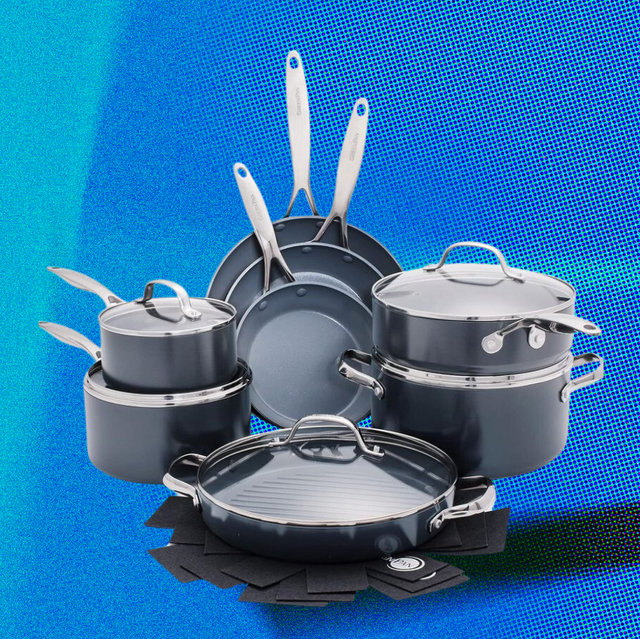
Several cookware sets are specifically designed as the best cookware for electric stove cooking. Look for sets that specifically mention electric stove compatibility and feature three-ply construction as a minimum.
Popular cookware for electric stove options include established brands known for durability and heat distribution. Quality cookware for electric stove sets typically include a variety of sizes including frying pans, saucepans, and stockpots. Many cookware for electric stove sets come with glass or stainless steel lids that fit properly.
When selecting cookware for electric stove use, read customer reviews specifically mentioning electric stove performance. Professional chef reviews often highlight the best cookware for electric stove cooking based on real-world testing.
Frequently Asked Questions
What cookware should I avoid using on electric stoves?
Avoid cookware with curved or domed bottoms, thin single-ply construction, and cookware with non-ferromagnetic bottoms if using an induction cooktop. Warped cookware that doesn't sit flat and aluminum-only cookware without a core layer will perform poorly on electric stoves and may damage your stove over time.
Can I use non-stick cookware on electric stoves?
Yes, you can use quality non-stick cookware on electric stoves, but avoid overheating it above the manufacturer's recommended temperature. Make sure the non-stick cookware has a solid, flat bottom and preferably a multi-ply construction with an aluminum core for better heat distribution on electric stoves.
How do I know if cookware is flat enough for my electric stove?
Place the cookware on a flat surface and try to slide a thin piece of paper underneath the bottom. If the paper doesn't slide under easily or doesn't fit at all, the cookware has an acceptable flat bottom for electric stove use. You can also look for visible gaps between the pan bottom and the surface.
Is stainless steel or cast iron better for electric stoves?
Both work well on electric stoves, but for different reasons. Stainless steel heats faster and distributes heat more evenly when multi-ply, while cast iron distributes heat exceptionally evenly once hot but takes longer to heat. Choose based on your cooking style—stainless steel for everyday cooking and cast iron for slow cooking and searing.
Do I need special cookware for smooth-top electric stoves?
Smooth-top electric stoves don't require special cookware, but your cookware must have a perfectly smooth, flat bottom to protect the glass surface and ensure proper heat transfer. Avoid cookware with rough or textured bottoms, which can scratch smooth cooktops and reduce heating efficiency.
Should I buy a cookware set or individual pieces?
Cookware sets offer better value if the set includes sizes you'll actually use. However, buying individual quality pieces often results in better overall cookware for electric stove cooking because you can choose exactly what you need. Many experienced cooks prefer starting with individual pieces and building gradually.
Conclusion
Finding the best cookware for electric stove cooking transforms your kitchen experience and dramatically improves your cooking results. The right cookware with a flat bottom, multi-ply construction, and proper heat distribution ensures even cooking, faster meal preparation, and efficient energy use. Based on my years of testing and real-world kitchen experience, I recommend investing in mid-range cookware with three-ply construction featuring an aluminum core—it offers the best balance of performance, durability, and value for most home cooks.
Don't settle for whatever cookware you already have if it's not designed for electric stoves. The relatively small investment in proper cookware for electric stove cooking pays dividends through better meals and years of reliable service. Take time to assess your current cookware for electric stove compatibility, and if you find yourself struggling with uneven heating or burnt spots, it's probably time to upgrade. Start with one or two quality pieces of cookware for electric stove use and gradually build your collection based on your actual cooking needs. Your electric stove will reward you with consistent, delicious results when you use the right cookware designed for optimal electric stove performance.

Leave a Reply