
The best cookware for beginners includes non-stick pans, stainless steel, and cast iron essentials. Starting your cooking journey can feel overwhelming, but choosing the right cookware makes all the difference. Whether you're moving into your first apartment, exploring home cooking for the first time, or simply upgrading from old pots and pans, understanding what cookware works best for beginners sets you up for success in the kitchen. This guide walks you through everything you need to know about selecting the best cookware for beginners, from materials and types to budget-friendly options that won't break the bank.

Understanding Cookware Materials for Beginners
When you're learning to cook, the material of your cookware affects how food cooks, how easy it is to clean, and how long it lasts. Different materials have unique properties that make them better or worse for different cooking tasks. Understanding these materials helps you make smart choices when building your kitchen collection.
Non-stick cookware is often the first choice for beginners because it requires less oil, is forgiving when you're still learning heat control, and makes cleanup incredibly simple. The non-stick coating creates a smooth surface that prevents food from sticking, which means you can cook delicate items like eggs and fish without them falling apart. However, these pans need gentle care, can't handle high heat, and the coating eventually wears down.
Stainless steel cookware is incredibly durable and can handle high heat, making it perfect for browning meat and building foundational cooking skills. These pans develop a natural patina over time and actually get better with use. The downside is they require more technique to prevent sticking, and food can sometimes cook unevenly if the pan isn't quality. Stainless steel pans are an investment, but they often last a lifetime with proper care.
Cast iron is the budget-friendly superhero of cookware for beginners who are willing to learn proper maintenance. A well-seasoned cast iron skillet becomes naturally non-stick and can go from stovetop to oven to campfire. These pans are nearly indestructible and become more valuable over time. The learning curve involves understanding how to season and maintain them, and they require a bit more elbow grease during cleaning.
Ceramic cookware offers a middle ground between non-stick and traditional cookware, using natural mineral coating instead of chemical non-stick surfaces. Ceramic heats evenly and looks beautiful on the table, making it great for beginners who want both function and style. Unfortunately, ceramic coating chips more easily than other options and doesn't last quite as long.
Essential Cookware for Beginners
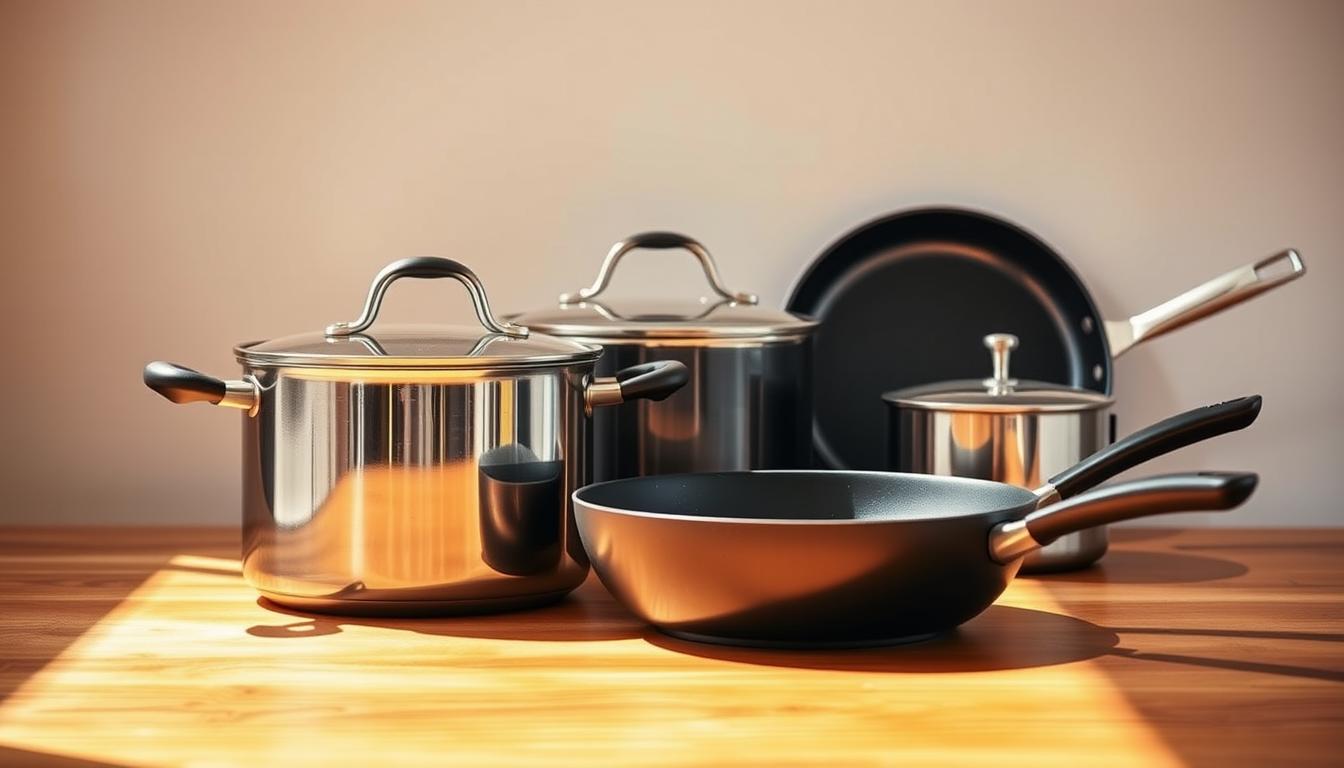
Building a basic cookware collection doesn't mean buying everything at once. Start with these essential pieces that handle most everyday cooking tasks.
An 8 to 10-inch non-stick skillet is the workhorse of any beginner kitchen. This size handles everything from cooking eggs and pancakes to sautéing vegetables and browning chicken. It's small enough to manage easily but large enough for a full meal. Choose one with a long handle and a lid, and you'll find yourself reaching for it constantly. A quality non-stick skillet usually costs between 20 and 50 dollars and lasts several years with good care.
A 12-inch non-stick skillet or sauté pan gives you space for larger meals and cooking multiple portions at once. This pan is deeper than a regular skillet, which helps contain splatters and allows you to add liquid for braising. Once you've mastered the 8-inch pan, upgrade to this size for more versatility. Many beginners find this becomes their favorite all-purpose cookware for beginners once they experience its capacity.
A stainless steel pot in the 6 to 8-quart range is essential for boiling pasta, making soups, and cooking grains. Larger pots handle batch cooking and meal prep, making weeknight dinners easier. Look for one with a lid, handles that stay cool, and a heavy bottom that distributes heat evenly. A good stainless steel pot costs between 30 and 80 dollars depending on brand and quality.
A smaller 2 to 3-quart saucepan handles heating milk, making sauces, and cooking smaller portions. This pan is perfect for beginners because it's easy to manage and doesn't require much counter space. A saucepan with a long handle and tight-fitting lid gives you maximum control over your cooking. Most quality saucepans in this size range between 20 and 60 dollars.
Consider adding a 10 to 12-inch stainless steel skillet once you're comfortable with non-stick cookware. This pan excels at high-heat cooking like searing steaks, roasting vegetables, and making pan sauces. The learning curve is steeper because you need to understand oil temperature and pan seasoning, but it's worth mastering. A good stainless steel skillet ranges from 40 to 100 dollars depending on the brand.
.png?v=1762284967227&options=w_870,h_700)
Best Cookware Sets for Beginners
Buying a cookware set is tempting because it seems like everything you need comes together in one purchase. However, most beginner cookware sets include pieces you won't use, which wastes money and kitchen space. The best approach is understanding what individual pieces matter and either buying them separately or choosing a minimal set.
A quality beginner cookware set typically includes two to three skillets, two saucepans, and one larger pot with lids. These sets usually cost between 80 and 200 dollars, which is often cheaper than buying individual pieces. The advantage is you get matching cookware that looks cohesive in your kitchen. The disadvantage is you might get pans in sizes you don't need or materials that don't match your cooking style.
When evaluating a cookware set for beginners, check that it includes at least one non-stick skillet, one stainless steel pan, and one good pot. Avoid sets with more than five pieces unless you have room to store them and plan to use them regularly. Read reviews specifically from other beginners who can tell you which pieces they actually reach for and which ones stay tucked in the cabinet.
Budget-friendly cookware sets exist for 50 to 100 dollars, but be cautious about extremely cheap options. These pans often have thin bottoms that cause uneven heating, handles that loosen quickly, and coatings that deteriorate fast. Investing 120 to 150 dollars in a beginner cookware set from a reputable brand means you'll have pans that last five to ten years instead of needing replacement in one or two years.

Non-Stick Cookware for Beginners
Non-stick cookware is genuinely beginner-friendly because it forgives cooking mistakes and makes cleanup a breeze. The non-stick surface reduces the need for oil, which helps when you're learning to control heat and prevent burning. Most beginners succeed faster with non-stick cookware because they can focus on technique rather than fighting with food sticking to the pan.
The most important thing about non-stick cookware for beginners is choosing cookware with a durable coating that won't flake off into your food. Modern non-stick coatings like ceramic and newer polytetrafluoroethylene (PTFE) formulations are much safer than older versions. Look for cookware that specifies it's free from perfluorooctanoic acid (PFOA), a chemical linked to health concerns in older non-stick products.
Proper care extends the life of non-stick cookware significantly. Always use low to medium heat, as high heat can damage the coating and create smoke. Use wooden or silicone utensils instead of metal, and hand wash rather than putting pans in the dishwasher when possible. Avoid stacking non-stick pans directly on top of each other; place paper towels or cloth between them to prevent coating damage.
A quality non-stick skillet from a reputable brand costs 30 to 60 dollars and lasts three to five years with good care. Budget options around 15 to 20 dollars work for beginners just starting out, but the coating deteriorates faster. Investing in mid-range non-stick cookware for beginners means you'll get reliable performance without overpaying for premium brand names.
Stainless Steel Cookware for Beginners
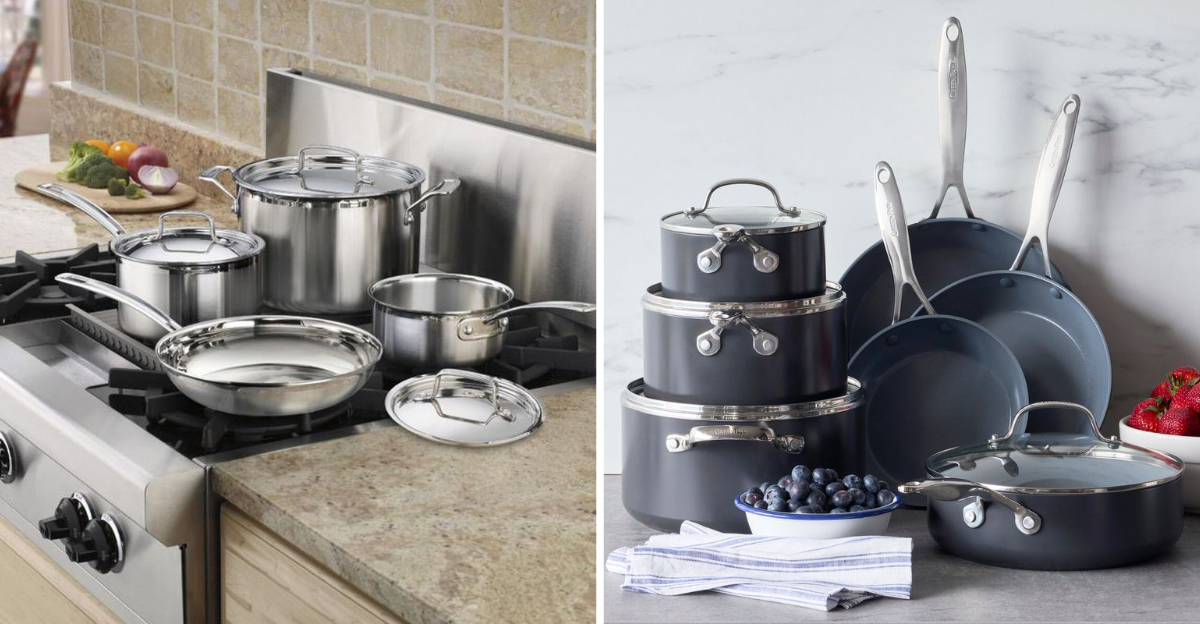
Stainless steel cookware represents your first step toward becoming a more skilled cook. These pans require more technique than non-stick options, but they reward you with superior durability and versatility. Once you master stainless steel cookware for beginners, you'll appreciate how it handles high-heat searing, oven finishing, and making pan sauces.
The biggest challenge with stainless steel for beginners is preventing food from sticking without enough oil or butter. The solution involves preheating the pan properly, using adequate fat, and understanding that some sticking is normal when you're learning. You can test if food is ready to flip by trying to move it gently; if it resists, give it more time to develop a crust that naturally releases.
Stainless steel cookware heats unevenly on some budget options, which frustrates beginners who don't understand why their food cooks at different rates across the pan. This problem disappears when you buy cookware with a thick, layered bottom that distributes heat evenly. The thickness is called ply, with 3-ply cookware being more affordable while 5-ply offers the best heat distribution but costs more.
Stainless steel is incredibly forgiving in terms of temperature abuse and durability. You can use metal utensils, put these pans in the dishwasher, and even use them on high heat without worrying about coating damage. Over time, stainless steel develops discoloration and spots, but this doesn't affect performance and is purely cosmetic. A quality stainless steel pan from a good brand costs 40 to 100 dollars and often lasts twenty years or more.

Cast Iron Cookware for Beginners
Cast iron seems intimidating at first, but it's actually one of the most beginner-friendly long-term investments in cookware. A cast iron skillet costs 20 to 40 dollars and can last your entire lifetime and be passed down to your children. Many beginners discover they love cast iron once they understand the simple care routine and appreciate how it improves with age.
Seasoning is the mysterious part of cast iron that confuses beginners, but it's actually straightforward. Seasoning creates a natural non-stick surface through layers of baked-on oil. Pre-seasoned cast iron comes ready to use, so beginners don't need to season before the first use. You maintain the seasoning by cooking with fat regularly and avoiding prolonged soaking in water.
Cooking with cast iron for beginners becomes easier once you accept that it handles high heat beautifully and retains heat exceptionally well. Cast iron takes longer to heat than other cookware, so plan extra time before you start cooking. Once hot, it maintains consistent temperature, which means fewer burnt spots and more even cooking. You can use it on any heat source including camp fires, ovens, and induction cooktops with proper models.
Cleaning cast iron is simpler than the internet suggests. Rinse it under warm water and scrub with a brush or soft cloth, using coarse salt as an abrasive if needed. Dry it immediately with a cloth, and you're done. Avoid dishwashers and prolonged soaking, which strip the seasoning. Many cast iron owners prefer this simple cleanup routine compared to the effort required for other cookware.

Budget-Friendly Cookware for Beginners
Starting your cooking journey doesn't require spending hundreds of dollars on cookware. Smart shopping and prioritizing essential pieces means you can outfit a basic kitchen for 100 to 150 dollars. Budget-friendly cookware for beginners teaches you what you actually need before you invest in higher-end pieces.
Begin with one quality non-stick skillet and one stainless steel pot rather than buying a complete set. This combination covers the majority of basic cooking tasks. One non-stick skillet handles breakfast, quick lunches, and delicate items. One pot handles pasta, soups, and boiling. Together they cost around 50 to 70 dollars from reputable brands. As you discover your cooking preferences, add pieces that match your style.
Discount retailers and online marketplaces offer excellent cookware for beginners at reasonable prices. Brands like Tramontina, Calphalon, and T-fal make quality cookware at budget-friendly price points. These brands may not have the prestige of premium names, but they deliver solid performance for beginners learning the fundamentals. Reading customer reviews helps identify which budget options hold up well versus which ones disappoint.
Cast iron represents the ultimate budget-friendly cookware option because a single skillet costs around 20 to 30 dollars and lasts forever. A vintage cast iron skillet from a thrift store or garage sale costs even less and performs just as well as new cast iron. If you're willing to learn cast iron basics, this single pan can replace multiple other pieces as your cooking improves.

How to Choose the Right Cookware Size
Cookware size matters more than beginners realize because the wrong size makes cooking frustrating. A pan that's too small causes splattering and uneven cooking, while a pan that's too large wastes energy and makes small portions difficult to cook properly. Understanding size recommendations helps you choose cookware for beginners that matches your typical cooking needs.
For skillets and frying pans, an 8-inch size handles one to two portions and is perfect for individual meals and side dishes. A 10 to 12-inch skillet serves three to four people and handles most family meals. A 14-inch skillet is enormous and mostly useful for large dinner parties or batch cooking. Most beginners find that an 8-inch and a 12-inch skillet cover almost every situation.
Saucepans in the 1 to 2-quart range handle heating milk, making sauces, and cooking small portions. A 2 to 3-quart saucepan offers more versatility for rice, smaller pasta portions, and heating larger quantities of liquid. For beginners, one 2 to 3-quart saucepan covers most needs better than buying two smaller pans.
Large pots in the 6 to 8-quart range seem excessive until you cook a full pound of pasta or make a big batch of soup. A 6-quart pot handles everyday cooking while an 8-quart pot is better if you meal prep or cook for more than four people regularly. Most kitchens only need one large pot, making this an easy decision.
Cookware Handle and Lid Features
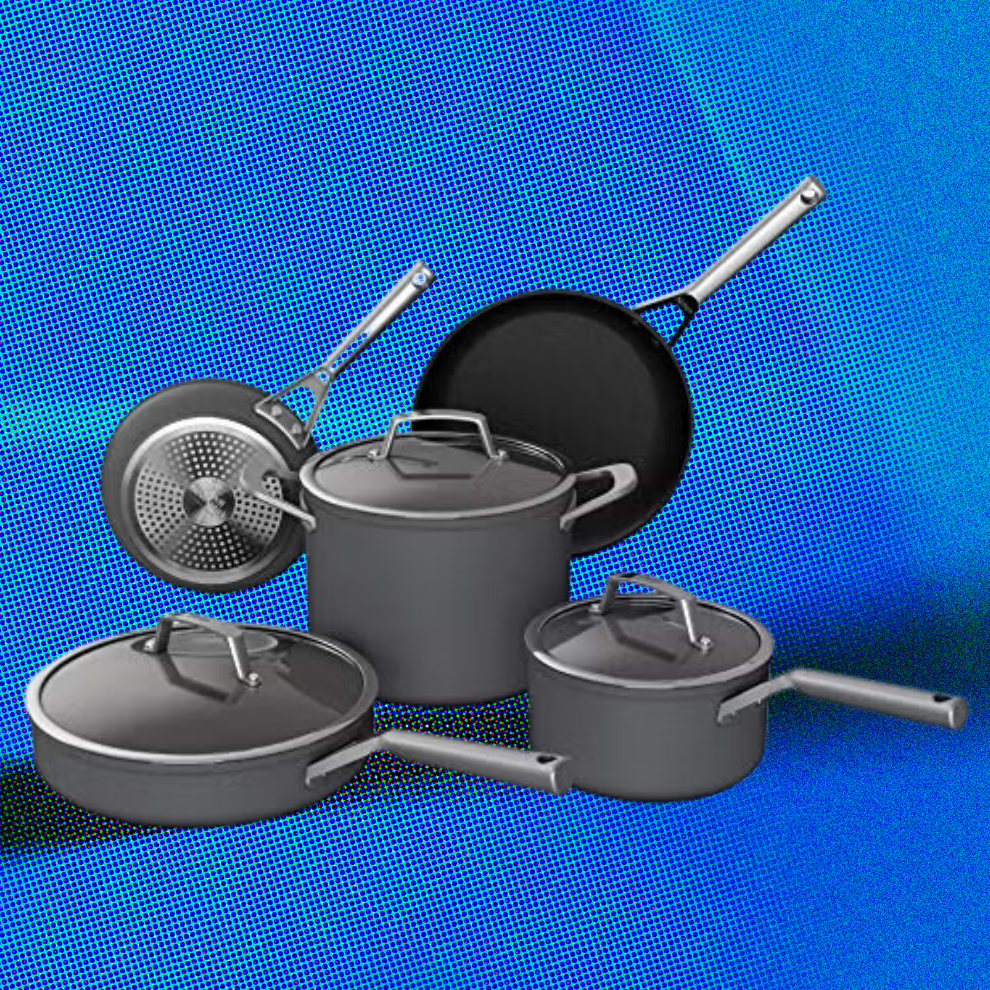
The handle is something beginners often overlook, but it affects comfort and safety every single time you cook. Handles should be long enough to keep your hand away from heat, stay relatively cool during cooking, and have a design that's comfortable for your grip. Test handles when shopping if possible, and pay attention to customer reviews mentioning handle quality.
Stainless steel handles stay cooler than silicone handles during cooking, though silicone handles are more comfortable for some people's hands. Riveted handles are more durable than welded handles in beginner cookware, though both work fine. Avoid handles with gaps where food and grease can accumulate, as these become difficult to clean properly.
Lids are more important than beginners realize because they speed up cooking, prevent splattering, and help retain moisture for braising and steaming. Glass lids let you see what's cooking without removing them, which saves heat and helps prevent overcooking. Metal lids work fine but require you to lift them to check food progress. Lids should fit snugly and have handles that don't get too hot.
Heat Distribution and Cookware Quality
Uneven heat distribution is the silent killer of cookware for beginners because it causes hot spots where food burns. Quality cookware for beginners features a thick, heavy bottom that distributes heat evenly across the entire pan. This difference between cheap and quality cookware becomes obvious when you notice some areas browning faster than others.
The best cookware for beginners in the mid-price range features multi-layered construction with copper or aluminum cores sandwiched between stainless steel layers. This construction gives you even heat distribution without the extreme cost of premium cookware. A single thick bottom layer works okay but doesn't match the performance of multi-ply construction.
Induction cooktop users need specific cookware for beginners that's magnetic, including cast iron and some stainless steel options. Many quality cookware sets specify whether they work on induction cooktops, which simplifies shopping. If you're unsure whether your cookware works on induction, hold a magnet to the bottom; if it sticks, the pan works with induction.
Oven-Safe Cookware Considerations
Oven-safe cookware expands your cooking possibilities and makes finished dishes easier. The ability to start cooking on the stovetop and finish in the oven opens up techniques like finishing steaks, roasting vegetables, and braising that improve your skills as a beginning cook. Look for cookware for beginners that specifies oven-safe temperatures, typically between 350 and 500 degrees Fahrenheit.
Handles are the limiting factor for oven safety because regular handles can melt or become dangerously hot. Cookware marketed as oven-safe features handles designed to withstand high temperatures. Silicone handles typically have lower temperature ratings than stainless steel or cast iron handles. Always check the specifications before putting cookware in the oven to avoid damaging handles or worse.
Lids also need to be oven-safe, and glass lids have lower temperature limits than metal lids. Many cookware brands specify the maximum oven temperature for both the pan and the lid, which might be different. Reading these specifications saves you from discovering too late that your lid isn't oven-safe at the temperature you need.
Common Mistakes Beginners Make with Cookware
Learning what not to do with cookware for beginners prevents frustration and extends the life of your pans. Most beginners make predictable mistakes that range from annoying to actually damaging their cookware. Knowing about these mistakes ahead of time helps you avoid wasting money and getting frustrated with perfectly good cookware.
Using too high heat is the most common mistake beginner cooks make, damaging non-stick coating and burning food. Non-stick cookware for beginners should use low to medium heat, while stainless steel can handle medium-high heat. Cast iron benefits from gradually heating to prevent warping, especially with rapid temperature changes. Learning proper heat control improves both your cooking results and your cookware longevity.
Stacking non-stick pans directly on top of each other scratches the coating and reduces its lifespan. Always place cloth or paper between non-stick pans, and consider storing them hanging from a rack if you have limited cabinet space. This simple habit keeps your non-stick cookware for beginners in excellent condition for years longer.
Putting cold water in a hot pan causes thermal shock that can warp cookware and create dangerous steam. Always let hot cookware cool slightly before adding cold liquid, or add liquid slowly while away from heat. This applies to all cookware types, but especially to cast iron and stainless steel which can warp if temperature changes too quickly.
Using metal utensils on non-stick cookware scratches the coating immediately. Wooden spoons, silicone spatulas, and plastic utensils protect the non-stick surface and extend its life considerably. Stainless steel and cast iron can handle metal utensils fine, so keep separate utensils for each type of cookware.
Maintaining and Caring for Cookware
Proper maintenance determines whether cookware lasts three years or thirty years. Each cookware type requires different care, so understanding these requirements helps you protect your investment. Beginners who learn proper care from the start develop habits that become automatic.
Non-stick cookware for beginners stays in better condition with hand washing and gentle handling. Avoid stacking pans without protection between them, and don't use high heat. Store them in a way that prevents the coating from rubbing against other pans. With proper care, quality non-stick cookware lasts three to five years, while poor care means replacement in one year.
Stainless steel cookware is nearly indestructible but benefits from regular cleaning to prevent discoloration. Dishwasher safe is convenient, but hand washing with warm soapy water is gentler on the finish. Stubborn stains come off with a paste of baking soda and water. Dry stainless steel pans after washing to prevent water spots, though this is purely cosmetic and doesn't affect performance.
Cast iron requires simple but consistent care to maintain the seasoning. Wash immediately after cooking with warm water and a brush, dry completely with a cloth, and wipe with a tiny amount of oil to maintain the seasoning. Avoid letting cast iron soak or sit with moisture, which causes rust. With this simple routine, cast iron improves with age and becomes increasingly easier to cook with.
Price Range and What to Expect
Understanding cookware pricing helps beginners make smart purchases that balance quality with budget. The price you pay significantly affects durability, heat distribution, and how long cookware lasts. Knowing what to expect at different price points prevents disappointment and overspending.
Budget cookware for beginners in the 15 to 30 dollar range works for learning basics but often has issues like uneven heating and flaking non-stick coating. These pans work fine for someone still discovering their cooking interest and learning fundamental techniques. Upgrade after you understand what you actually use and how you like to cook.
Mid-range cookware for beginners costs 40 to 80 dollars per piece and offers the best value for most home cooks. These options have even heat distribution, durable finishes, and handles that don't loosen. Mid-range cookware typically lasts five to ten years depending on care. Most cooking experts recommend this price point for beginners who want quality without excess spending.
Premium cookware from well-known brands costs 100 to 300 dollars per piece but doesn't necessarily perform better than mid-range options. Premium prices often reflect brand reputation and aesthetics rather than functionality. Unless you have specific reasons to choose premium cookware for beginners, the mid-range options deliver similar cooking performance at lower cost.
Popular Cookware Brands for Beginners
Choosing a reputable brand gives you confidence that your cookware will perform well and last through years of cooking. Reliable brands have earned their reputation through consistent quality and good customer service. Research brand reviews and warranty policies before making your final purchase.
Tramontina offers excellent cookware for beginners at budget-friendly prices, with a strong reputation for non-stick and stainless steel options. Their cookware heats evenly and holds up well to regular use, making it a smart choice for someone learning to cook. Tramontina cookware often retails for 30 to 80 dollars depending on the piece.
Calphalon manufactures both non-stick and stainless steel cookware in the budget to mid-range price points. Their non-stick cookware has a good reputation for durability, and many cookware for beginners options come with lifetime warranties. Calphalon cookware typically costs 25 to 100 dollars per piece.
T-fal creates quality non-stick cookware with a reasonable price point, known for even heating and durable coatings. Their cookware for beginners often features helpful indicators that show when the pan is properly preheated. T-fal cookware generally costs 20 to 60 dollars per piece.
All-Clad represents the premium end of cookware but is worth mentioning because of their exceptional quality and customer loyalty. If you eventually want cookware that lasts a lifetime and performs flawlessly, All-Clad delivers, though prices run 150 to 400 dollars per piece. Most beginners don't need to spend this much, but it's good to know what the top tier offers.
Le Creuset makes enameled cast iron cookware that combines cast iron's durability with a non-stick coating. These colorful Dutch ovens cost 200 to 350 dollars but last forever and are passed down as family heirlooms. Once you master basic cast iron, enameled cast iron becomes a special investment piece.
Creating Your First Cookware Setup
Building your first cookware collection strategically means you invest money in pieces you'll actually use. Start with the essentials and add more cookware as you discover your cooking preferences. This approach costs less upfront and saves cabinet space.
Your first setup for cookware for beginners should include one 10-inch non-stick skillet, one 6-quart stainless steel pot, and one 12-inch skillet for your most versatile options. This combination costs around 100 to 150 dollars from reputable brands. These three pieces handle the majority of everyday cooking from scrambled eggs to pasta to chicken dinners.
After mastering the basics, add a 2 to 3-quart saucepan for making sauces and side dishes. This addition takes your cookware options from basic to comfortable for most recipes. Once you've used these pieces regularly, you'll understand your cooking patterns and know exactly what additional cookware for beginners you actually need.
Consider adding a cast iron skillet as your fourth piece since it excels at high-heat cooking and lasts forever. A quality cast iron skillet costs around 25 to 40 dollars and adds serious versatility to your cookware collection. Learning cast iron early means you'll have this skill for life and can use cast iron anywhere, including outdoor cooking.
Cookware for Specific Cooking Styles
Different cooking styles benefit from different cookware types. Understanding your preferred cooking style helps you choose cookware for beginners that matches how you actually cook. Someone who loves roasting vegetables needs different cookware than someone who specializes in quick stir-fries.
If you love baking and making quick breads, you'll want cookware for beginners that transitions easily from stovetop to oven. A heavy non-stick or stainless steel skillet that's oven-safe lets you start baked goods on the stove and finish them in the oven. Cast iron excels at this technique and creates beautiful golden crusts.
For stir-fry cooking, a large skillet or wok-style pan helps manage the high heat and movement required. Non-stick cookware for beginners works fine for stir-fries but stainless steel actually performs better once you master the technique. A 12-inch skillet with tall sides contains splatters better than shallow skillets.
If you meal prep by making large batches of soups and stews, invest in a large pot that can handle 6 to 8 quarts. Stainless steel is better than non-stick for these long-cooking applications. Dutch ovens, whether cast iron or enameled, excel at braising and stewing.
Frequently Asked Questions of best cookware for beginners
What is the most important cookware piece for beginners?
A quality non-stick skillet in the 10-inch size is the most important piece because it handles the majority of everyday cooking from eggs to chicken. This single pan covers breakfast, lunch, and dinner basics while being forgiving for those still learning heat control and technique.
How much should I spend on cookware for beginners?
Budget 100 to 200 dollars for a basic cookware setup that includes the essentials like a non-stick skillet, stainless steel pot, and one additional pan. Spending in this range gets you quality cookware that lasts several years rather than budget options that deteriorate quickly.
Is non-stick or stainless steel better for beginners?
Non-stick is better for absolute beginners because it's forgiving and requires less technique. Stainless steel requires more skill but lasts longer and handles higher heat. Most experts recommend starting with non-stick and adding stainless steel pieces as your cooking confidence grows.
Can I put non-stick cookware in the dishwasher?
Most non-stick cookware manufacturers recommend hand washing to extend the life of the coating. Dishwashers can damage the coating faster than hand washing, potentially reducing the lifespan from five years to three years.
Is cast iron worth learning as a beginner?
Yes, cast iron is absolutely worth learning because a single skillet costs 20 to 40 dollars and lasts your entire lifetime. The learning curve is minimal, and cast iron handles more cooking techniques than any other single piece of cookware.
What size skillet should a beginner start with?
A 10 to 12-inch skillet is the ideal starter size because it's large enough for full meals but manageable for someone learning heat control. An 8-inch skillet works but limits you to smaller portions, while anything larger than 12 inches is harder to handle as you're learning.
How do I know if cookware is good quality?
Quality cookware for beginners has a thick, heavy bottom that doesn't flex easily, securely attached handles that don't wiggle, and even heating across the cooking surface. Read customer reviews mentioning long-term durability rather than just initial performance.
Do I need to season new non-stick cookware?
Modern non-stick cookware comes pre-seasoned and ready to use immediately. You don't need to do anything special before first use; just wash, dry, and start cooking.
Conclusion
Choosing the best cookware for beginners doesn't require spending a fortune or feeling overwhelmed by countless options. Start with a quality non-stick skillet, one stainless steel pot, and one additional pan that matches your cooking interests, spending around 100 to 150 dollars on pieces from reputable brands. This approach gives you everything needed for everyday cooking while you discover your personal cooking style and preferences.
As you grow more confident in the kitchen, you'll naturally understand what additional cookware for beginners would enhance your cooking. Some people become cast iron enthusiasts, others prefer all stainless steel, and many appreciate having a mix of cookware types. The key is starting simple and building strategically rather than buying a large set of cookware you'll never use.
Begin cooking with your new cookware today and commit to learning the basics with the pieces you choose. Take time to understand how your cookware behaves, experiment with heat levels, and develop proper care habits that keep your pans in excellent condition. Share your favorite cookware for beginners discoveries with friends, and don't hesitate to ask questions or leave a comment about your cooking journey.

Leave a Reply