
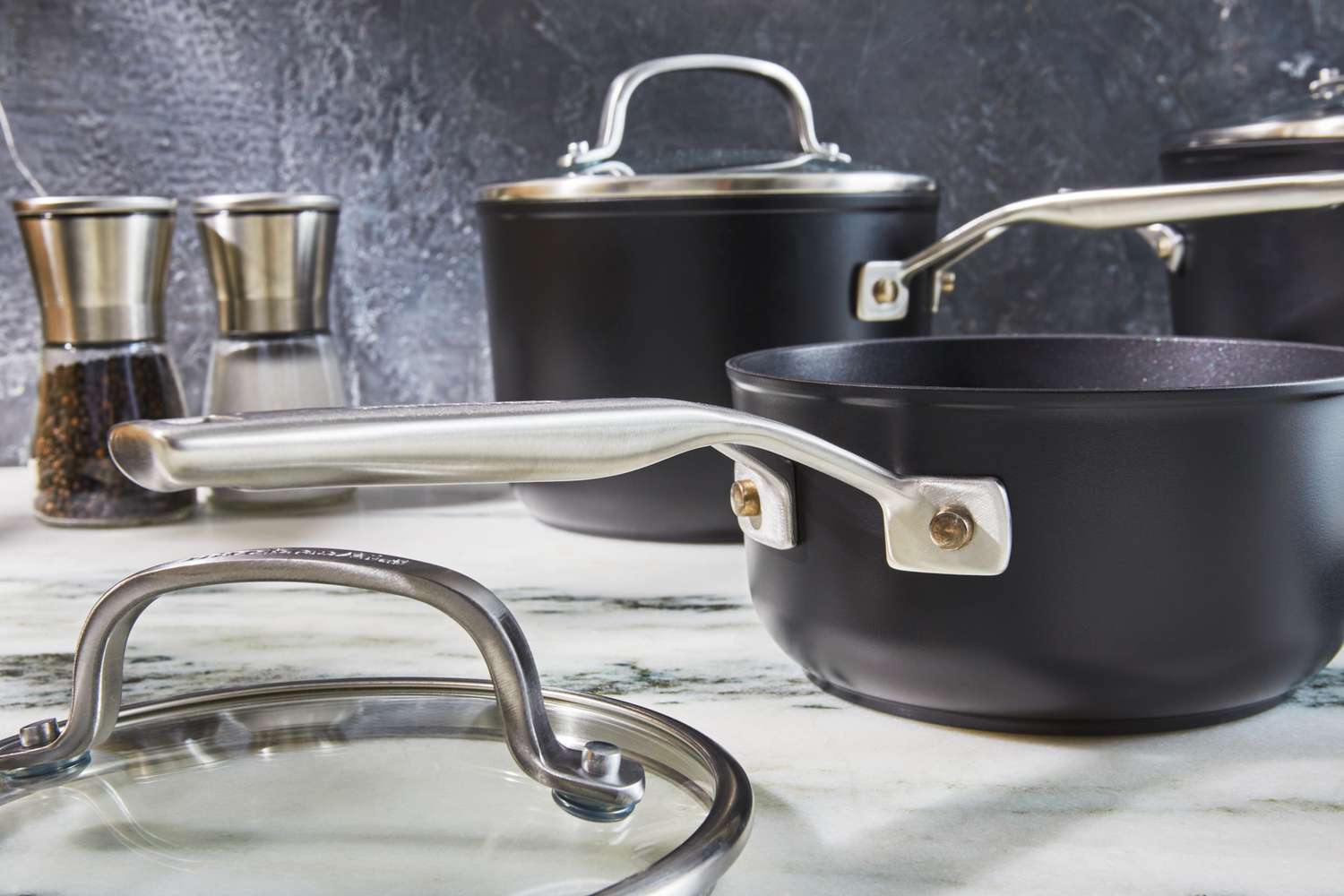
Anodized cookware features a layer of aluminum oxide, enhancing durability and resistance to scratches. This process also prevents food from reacting with the metal, ensuring safer cooking.
Anodized cookware is gaining popularity among home cooks and professional chefs alike. This cookware combines the lightweight properties of aluminum with a protective layer that enhances its strength. It offers excellent heat distribution, allowing for even cooking without hot spots.
The non-reactive surface ensures that your food maintains its flavor and nutritional value. Easy to clean and maintain, anodized cookware is available in various styles, from frying pans to saucepans. Many people appreciate its aesthetic appeal, as it often comes in attractive colors. Choosing anodized cookware can elevate your cooking experience while ensuring longevity and safety in the kitchen.
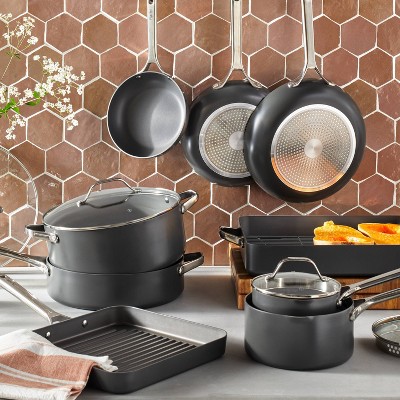
Credit: www.target.com
The Magic Behind Anodization
Anodized cookware offers a blend of beauty and functionality. It enhances your cooking experience. Understanding the magic behind anodization helps you appreciate its benefits.
What Is Anodization?
Anodization is an electrochemical process. It transforms aluminum into a durable surface. This surface is resistant to corrosion and scratches. The process thickens the natural oxide layer on aluminum. This makes it suitable for cookware.
- Creates a hard, protective layer.
- Increases resistance to wear and tear.
- Improves aesthetic appeal with vibrant colors.
Benefits For Your Cookware
Anodized cookware offers many advantages. Here are some key benefits:
| Benefit | Description |
|---|---|
| Durability | Resists scratches and dents effectively. |
| Non-Reactive | Does not react with acidic foods. |
| Easy to Clean | Surface is simple to wipe down. |
| Even Heating | Distributes heat evenly for better cooking. |
Choosing anodized cookware enhances your kitchen experience. It combines style, strength, and safety. Cook with confidence and enjoy delicious meals.
Choosing Your Anodized Cookware
Choosing the right anodized cookware can transform your cooking experience. High-quality options offer durability, even heat distribution, and easy cleanup. Understanding key factors helps in making an informed choice.
Factors To Consider
- Material: Look for hard-anodized aluminum. It resists scratching and is lightweight.
- Non-stick coating: Check for PFOA-free non-stick surfaces. Safe options make cooking and cleanup easy.
- Compatibility: Ensure it works with your stovetop. Some cookware is not induction compatible.
- Oven-safe temperature: Know the maximum heat limit. Many anodized pieces can withstand high temperatures.
- Size and shape: Choose sizes that fit your cooking style. Consider pots, pans, and specialty shapes.
- Price: Set a budget. Quality anodized cookware can be a good investment.
Top Brands To Look For
| Brand | Features | Price Range |
|---|---|---|
| Calphalon | Durable, excellent heat conduction, PFOA-free | $$$ |
| All-Clad | Professional-grade, oven safe, dishwasher safe | $$$$ |
| T-fal | Affordable, good non-stick, easy to clean | $$ |
| Anolon | Stylish, durable, great for searing | $$$ |
| Cuisinart | Versatile, good price, solid performance | $$ |
Caring For Your Anodized Cookware
Caring for your anodized cookware helps maintain its performance and appearance. Proper care ensures longevity and efficiency in cooking. Follow these tips for best results.
Cleaning Tips
Cleaning anodized cookware is simple. Use these effective methods:
- Hand Wash: Always hand wash with warm, soapy water.
- Soft Sponges: Use soft sponges or cloths. Avoid abrasive pads.
- Stubborn Stains: For tough stains, make a paste of baking soda and water. Apply it gently.
- Rinse Thoroughly: Rinse well to remove soap residue.
- Dry Promptly: Dry cookware immediately to prevent water spots.
Maintenance Dos And Don’ts
Proper maintenance keeps your anodized cookware in great shape. Follow these dos and don’ts:
| Do | Don’t |
|---|---|
| Use low to medium heat. | Avoid high heat settings. |
| Use wooden or silicone utensils. | Don’t use metal utensils. |
| Store cookware carefully. | Don’t stack without protection. |
| Season with a little oil. | Don’t use cooking sprays. |
| Check for scratches regularly. | Don’t ignore damages. |
By following these cleaning tips and maintenance guidelines, your anodized cookware will stay in top condition. Enjoy cooking with reliable and stylish cookware.
:max_bytes(150000):strip_icc()/all-clad-ha1-hard-anodized-nonstick-dishwasher-safe-FT-BLOG0221-92199e41c8d744619c72363055e6a3ad.jpg)
Credit: www.foodandwine.com
Anodized Cookware: The Durable and Efficient Kitchen Essential
Anodized cookware is becoming increasingly popular in both professional settings and home kitchens due to its durability, superior cooking capabilities, and easy maintenance. This article delves into the specifics of anodized cookware, including its advantages, comparisons with other cookware types, and guidance on care and popular models available on the market.
Understanding Anodized Cookware
Anodized cookware is created through an electrochemical process that strengthens the natural oxide layer on aluminum. This treatment results in a tougher, more durable, and corrosion-resistant surface. The enhanced durability of anodized cookware makes it ideal for everyday use and it’s known for its outstanding heat conductivity.
Key Benefits of Anodized Cookware
- Durability: The anodization process fortifies the aluminum, making it significantly more scratch- and dent-resistant than traditional cookware.
- Even Cooking: Aluminum’s excellent heat conductivity is further enhanced by the anodized coating, ensuring even heat distribution and reducing the likelihood of hot spots.
- Non-Reactive Surface: The sealed anodized surface does not react with acidic foods, allowing you to cook with ingredients like tomatoes and citrus without the food tasting metallic.
- Non-Stick Qualities: Though not coated with traditional non-stick materials, the smooth surface of anodized cookware naturally prevents food from sticking.
- Ease of Maintenance: Anodized cookware is straightforward to clean, often only requiring a soft cloth or gentle scrub to remove food residue.
Comparing Cookware Materials
| Material | Heat Conductivity | Durability | Non-Stick | Reactivity | Maintenance |
|---|---|---|---|---|---|
| Anodized Aluminum | Excellent | High | Good | Non-Reactive | Easy |
| Stainless Steel | Good | Very High | Poor | Non-Reactive | Moderate |
| Cast Iron | Poor | Very High | Natural | Reactive | High |
| Ceramic | Moderate | Moderate | Excellent | Non-Reactive | Easy |
| Non-Stick Coated | Good | Moderate | Excellent | Non-Reactive | Easy |
Care and Maintenance Tips for Anodized Cookware
- Temperature Settings: Utilize medium heat to maintain the cookware’s integrity. High temperatures can warp the base over time.
- Cleaning: Steer clear of steel wool and abrasive cleaners which can scratch the surface. Opt instead for mild detergents and soft sponges.
- Utensils: Prolong the lifespan of your cookware by using wooden or silicone utensils to keep the non-stick surface intact.
- Storage: Take care to avoid scratches when storing; use soft cloths between cookware pieces if stacking.
Popular Anodized Cookware Sets
- Calphalon Signature Hard-Anodized Nonstick Cookware
- Material: Hard-Anodized Aluminum
- Oven Safe: Up to 500°F
- Dishwasher Safe: Yes
- Price Range: High
- Circulon Symmetry Hard-Anodized Nonstick Cookware
- Material: Hard-Anodized Aluminum
- Oven Safe: Up to 400°F
- Dishwasher Safe: No
- Price Range: Mid to High
- T-fal Ultimate Hard Anodized Nonstick Cookware
- Material: Hard-Anodized Aluminum
- Oven Safe: Up to 400°F
- Dishwasher Safe: Yes
- Price Range: Affordable
Anodized cookware offers an excellent blend of performance, durability, and ease of use, making it a valuable investment for any kitchen. Its ability to withstand daily use while providing consistent, quality cooking results makes it a favorite among culinary professionals and home cooks alike.
Maximizing Your Culinary Experience
Enhancing your cooking with anodized cookware can elevate any meal. This type of cookware offers durability and even heating. It is non-reactive, making it perfect for various recipes. Understanding the best techniques and recipes helps you utilize it fully.
Cooking Techniques
Use these cooking techniques to make the most of your anodized cookware:
- Searing: Perfect for meats and vegetables. Achieve a beautiful golden crust.
- Sautéing: Quick cooking method for veggies. Retains flavor and nutrients.
- Simmering: Great for soups and sauces. Even heat distribution enhances flavors.
- Baking: Ideal for oven dishes. Use it for casseroles and desserts.
Always preheat your cookware before adding ingredients. This helps in achieving the perfect texture and flavor.
Recipes To Try
Here are some delicious recipes to explore:
| Recipe | Main Ingredients | Cooking Time |
|---|---|---|
| Garlic Butter Shrimp | Shrimp, garlic, butter, parsley | 15 minutes |
| Vegetable Stir-Fry | Broccoli, bell peppers, soy sauce, ginger | 10 minutes |
| One-Pan Chicken Alfredo | Chicken, pasta, cream, parmesan | 30 minutes |
| Chocolate Chip Cookies | Flour, sugar, chocolate chips, butter | 25 minutes |
Experiment with these recipes for tasty results. Each dish highlights the benefits of anodized cookware. Enjoy your cooking journey!
Health And Safety Insights
Understanding the health and safety aspects of anodized cookware is essential. Many people have questions about its safety and potential risks. This section sheds light on these important topics.
Is Anodized Cookware Safe?
Anodized cookware is generally considered safe for cooking. Here are some key points:
- It has a durable, non-stick surface.
- It does not react with acidic foods.
- Free from harmful chemicals like PFOA and PTFE.
Many chefs prefer it for these reasons. It can withstand high temperatures without releasing toxins.
Debunking Myths
Several myths surround anodized cookware. Let’s clear them up:
| Myth | Fact |
|---|---|
| It contains aluminum that leaches into food. | Anodizing seals the aluminum, preventing leaching. |
| It’s not suitable for high-heat cooking. | Anodized cookware is safe at high temperatures. |
| It is prone to scratching. | The surface is hard and resistant to scratches. |
These myths can cause confusion. Trust the facts for safe cooking choices.
:max_bytes(150000):strip_icc()/stainless-steel-frying-pan-184868138-58346eb53df78c6f6a0e9cba.jpg)
Credit: www.thespruceeats.com
The Cost Factor
Understanding the cost of anodized cookware helps in making smart choices. Quality cookware lasts longer and enhances cooking experiences. Here, we explore budgeting and long-term savings.
Budgeting For Quality
Investing in anodized cookware can seem expensive at first. However, quality often outweighs the initial cost. Here are some tips to budget effectively:
- Set a budget based on your cooking needs.
- Compare prices among different brands.
- Look for sales or discounts.
- Consider buying in sets for better deals.
Remember, cheaper options may lead to frequent replacements. Investing in durable cookware saves money over time.
Long-term Savings
Anodized cookware offers significant long-term savings. Here’s how:
| Cost Aspect | Initial Cost | Long-Term Cost |
|---|---|---|
| Durability | Higher | Lower (fewer replacements) |
| Heat Efficiency | Moderate | Lower (saves energy) |
| Maintenance | Lower (easy to clean) | Minimal (fewer repairs) |
Long-lasting cookware means fewer purchases. It also saves on energy bills. Choosing anodized cookware is an investment in your kitchen.
Eco-friendly Aspects
Anodized cookware offers many eco-friendly benefits. It supports sustainable cooking practices. Choosing this type of cookware helps reduce environmental impact.
Sustainability Benefits
Anodized cookware is made from aluminum, a material that is:
- Lightweight: Easier to handle and transport.
- Durable: Lasts longer than traditional non-stick options.
- Non-toxic: Free from harmful chemicals like PFOA and PTFE.
These factors contribute to its sustainability:
- Less energy is needed for production.
- Longer lifespan reduces waste.
- Recycling can be done easily.
Recycling Old Cookware
Old cookware can clutter kitchens and harm the environment. Recycling helps keep waste out of landfills. Here’s how to recycle:
- Check local guidelines: Some areas accept aluminum cookware.
- Scrap metal yards: They often accept old pots and pans.
- Donation: Good condition cookware can help others.
Recycling benefits the planet:
| Benefit | Description |
|---|---|
| Reduces Waste | Less waste in landfills. |
| Saves Resources | Less need for new materials. |
| Supports Recycling Industry | Helps local economies thrive. |
Embracing anodized cookware and recycling old items creates a healthier planet.
Real User Experiences
Many people share their thoughts on anodized cookware. User experiences provide insight into its benefits and drawbacks. Let’s explore some real-life stories from those who have used it.
Success Stories
Users rave about the benefits of anodized cookware. Here are some common praises:
- Durability: Many users report that the cookware lasts for years.
- Non-Stick Performance: Cooking is easy with less sticking.
- Even Heating: Food cooks evenly without hot spots.
Here are a few success stories:
- Maria: “I have used my anodized pan for five years. It looks new!”
- John: “I love how my pancakes slide right off. No mess!”
- Emma: “My pasta cooks perfectly every time. I can’t go back!”
Common Complaints
Despite the many positives, some users have complaints. Here are frequent issues:
- Scratches: Some users notice scratches over time.
- Weight: A few find anodized cookware too heavy.
- Price: Some feel it is more expensive than regular cookware.
Here are a few common complaints:
| User | Complaint |
|---|---|
| Linda | “My pan scratched after a few months.” |
| Tom | “It’s hard for me to lift my large pot.” |
| Sara | “I wish it was cheaper. It costs too much.” |
User experiences show that anodized cookware has strengths and weaknesses. These real stories help potential buyers make informed choices.
Frequently Asked Questions
What Is Anodized Cookware?
Anodized cookware is aluminum that has undergone an electrochemical process. This process enhances its durability, resistance to scratches, and non-stick properties. It also prevents reactions with acidic foods, ensuring safe cooking. Anodized cookware is popular for its longevity and easy maintenance, making it a great choice for any kitchen.
Is Anodized Cookware Safe To Use?
Yes, anodized cookware is safe for cooking. The anodizing process creates a hard surface that is non-reactive and prevents leaching of aluminum. It’s also free from harmful chemicals like PFOA and PTFE, making it a healthier option. Always follow manufacturer guidelines for optimal safety and performance.
How To Clean Anodized Cookware?
Cleaning anodized cookware is simple and straightforward. Use warm, soapy water and a soft sponge for regular cleaning. Avoid abrasive cleaners or scouring pads to preserve the surface. For stubborn stains, a mixture of baking soda and water works well.
Always dry thoroughly to prevent water spots.
Can Anodized Cookware Go In The Dishwasher?
Most anodized cookware is not dishwasher safe. The harsh detergents and high heat can damage the anodized surface over time. Hand washing is recommended to maintain its quality and longevity. Always check the manufacturer’s instructions for specific care guidelines related to your cookware.
Conclusion
Anodized cookware offers durability, even heat distribution, and a non-reactive surface. It enhances your cooking experience while ensuring easy maintenance. Choosing the right anodized options can elevate your kitchen game. Explore various brands and features to find the perfect match for your culinary needs.
Enjoy cooking with confidence and style!

Leave a Reply