
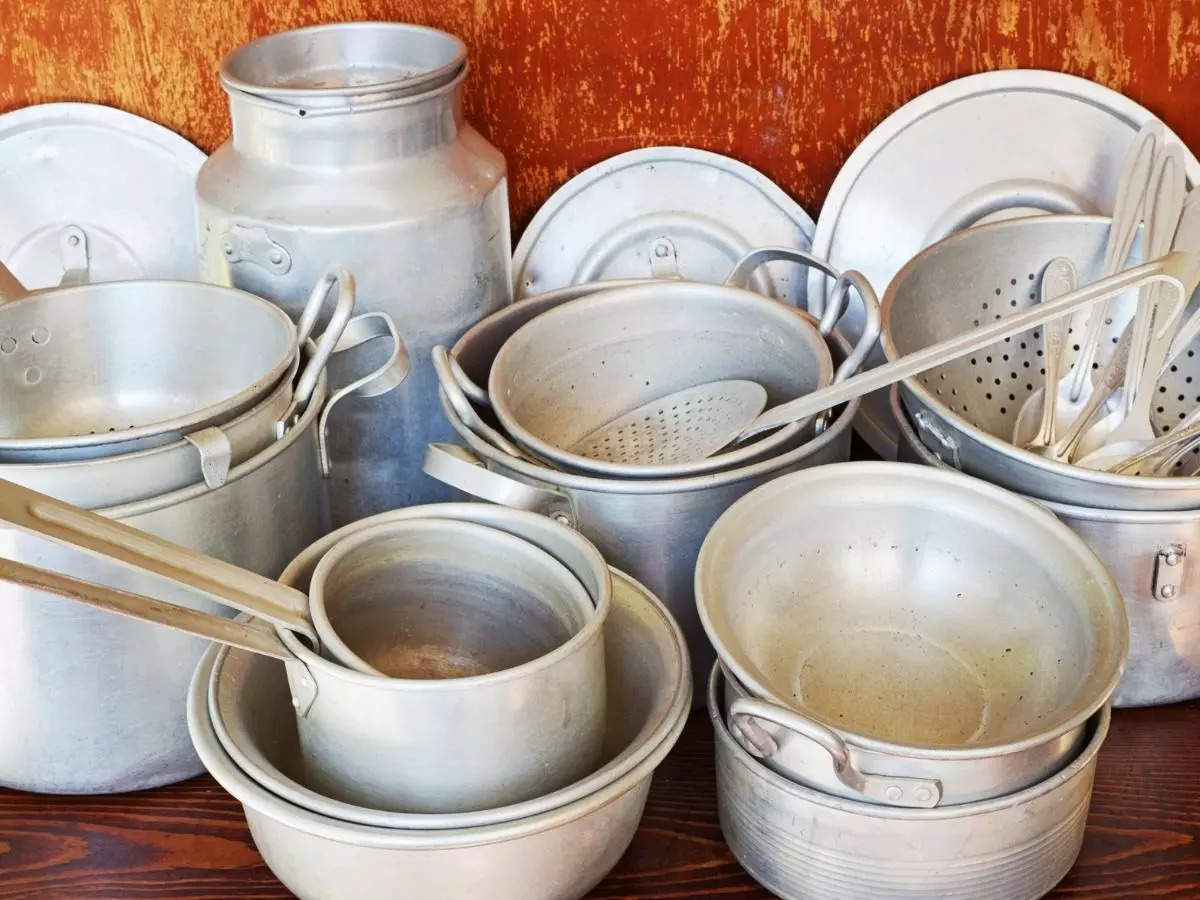
Aluminum cookware is lightweight, affordable, and conducts heat well. It is a popular choice for both home cooks and professional chefs.
Aluminum cookware has gained popularity due to its excellent heat conductivity and durability. This type of cookware heats up quickly, allowing for efficient cooking. Many chefs appreciate its lightweight design, making it easy to handle. Aluminum cookware often comes with non-stick coatings, enhancing food release and simplifying cleanup.
However, it’s essential to choose high-quality aluminum products to avoid potential health concerns. Some aluminum cookware can react with acidic foods, affecting taste and safety. Understanding the pros and cons of aluminum cookware can help you make informed decisions for your kitchen. Embrace this versatile option for a range of cooking techniques, from frying to baking.
Introduction To Aluminum Cookware
Aluminum cookware has gained immense popularity among home cooks. Its lightweight nature and affordability make it a go-to choice. This type of cookware heats quickly and evenly, helping you cook meals faster.
Popularity In Modern Kitchens
Aluminum cookware is widely used in many kitchens today. Here are some reasons for its popularity:
- Lightweight: Easy to handle and store.
- Affordable: Budget-friendly for everyone.
- Variety: Available in many shapes and sizes.
- Versatile: Suitable for various cooking methods.
Many chefs and home cooks prefer aluminum for these reasons. It fits well in both professional and home environments.
Benefits For Everyday Cooking
Aluminum cookware offers several benefits for daily use:
| Benefit | Description |
|---|---|
| Quick Heating | Heats up faster than other materials. |
| Even Cooking | Cooks food evenly without hot spots. |
| Durability | Can last for years with proper care. |
| Easy to Clean | Non-stick varieties make cleanup simple. |
Using aluminum cookware can make cooking easier and more enjoyable. It allows you to focus on creating delicious meals.
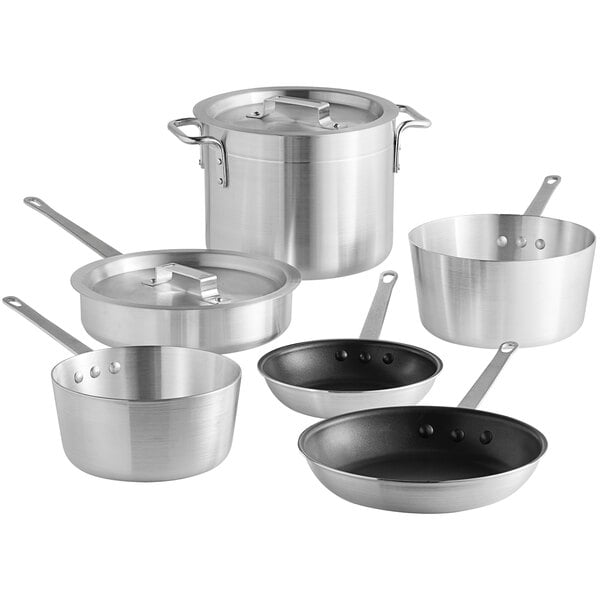
Credit: www.webstaurantstore.com
History Of Aluminum In Cookware
The history of aluminum in cookware showcases its journey from discovery to kitchen staple. This lightweight metal has transformed cooking practices across the globe. Understanding its evolution helps appreciate the modern aluminum cookware we use today.
Early Use And Development
Aluminum was discovered in the early 19th century. It quickly gained attention for its unique properties:
- Lightweight
- Corrosion-resistant
- Excellent heat conductor
In 1854, the first aluminum cookware appeared. It was expensive and rare, often seen as a luxury item. By the late 1800s, advancements in extraction methods made aluminum more accessible.
Rise To Kitchen Prominence
The 20th century marked aluminum’s rise in kitchens worldwide. Key factors contributed to its popularity:
- Affordability: Mass production lowered costs.
- Versatility: Suitable for various cooking techniques.
- Durability: Resistant to rust and wear.
Aluminum cookware became a household essential. Cookware brands introduced various products, including:
| Type of Cookware | Features |
|---|---|
| Skillets | Lightweight and quick heating |
| Pots | Even heat distribution |
| Bakeware | Non-stick surfaces |
Today, aluminum cookware remains popular. It combines modern technology with traditional cooking methods, ensuring delicious meals for everyone.
Advantages Of Aluminum Cookware
Aluminum cookware offers many benefits for every kitchen. Its unique properties make it a popular choice for cooks of all levels. Here are some key advantages of using aluminum cookware.
Superior Heat Conductivity
Aluminum is known for its excellent heat conduction. This means it heats up quickly and evenly. Here are some benefits:
- Reduces cooking time.
- Prevents hot spots that can burn food.
- Helps maintain consistent cooking temperatures.
Lightweight And Easy Handling
Another great feature is the lightweight nature of aluminum. This makes it easy to lift and maneuver. Here are some reasons why this is important:
- Less strain on your wrists and arms.
- Perfect for everyday cooking.
- Easy to store in cabinets or drawers.
Affordability And Variety
Aluminum cookware is budget-friendly. It is available in many styles and sizes. Here are some options:
| Type | Price Range | Features |
|---|---|---|
| Basic Frying Pans | $10 – $30 | Lightweight and easy to clean. |
| Stock Pots | $20 – $50 | Great for soups and stews. |
| Baking Sheets | $5 – $25 | Perfect for cookies and pastries. |
With various options, everyone can find something that fits their needs.
Types Of Aluminum Cookware
Understanding the different types of aluminum cookware helps in making the right choice. Two main categories exist: anodized and non-anodized. Each has unique features. Another important distinction is between cast and pressed aluminum. Let’s explore these types further.
Anodized Vs. Non-anodized
Anodized aluminum cookware undergoes a special process. This process strengthens its surface. It creates a non-reactive layer. This means food flavors remain intact. Anodized cookware is more durable and resistant to scratches. It also offers better heat distribution.
Non-anodized aluminum cookware is softer. It may react with acidic foods. This could alter the taste of your meals. However, it is lighter and often more affordable. Many home cooks prefer it for everyday use.
| Feature | Anodized Aluminum | Non-Anodized Aluminum |
|---|---|---|
| Durability | High | Low |
| Reactivity | Non-reactive | Reactive |
| Heat Distribution | Even | Varies |
| Price | Higher | Lower |
Cast Vs. Pressed Aluminum
Cast aluminum cookware is made by pouring molten aluminum into a mold. This method creates thick and heavy cookware. It retains heat well and cooks food evenly. Many chefs prefer cast aluminum for its performance.
Pressed aluminum cookware is made by shaping flat sheets of aluminum. This makes it lightweight and easy to handle. Pressed aluminum heats up quickly but may cook unevenly. It is often less expensive compared to cast options.
- Cast Aluminum:
- Heavy and durable
- Excellent heat retention
- Best for slow cooking
- Pressed Aluminum:
- Lightweight and easy to use
- Quick heating
- Less expensive
Health And Safety Considerations
Choosing the right cookware impacts health and safety. Aluminum cookware offers benefits but raises concerns. Understanding these issues helps you cook safely and enjoy your meals.
Debunking Myths
Many myths surround aluminum cookware. Here are some common misconceptions:
- Aluminum causes Alzheimer’s disease: No solid evidence supports this claim.
- Aluminum leaches into food: Only acidic foods cause this, and it’s minimal.
- Aluminum cookware is unsafe: It’s safe when used correctly and maintained.
Research shows aluminum cookware is safe for daily use. Proper care reduces any risks.
Best Practices For Safe Usage
Follow these best practices to ensure safe use of aluminum cookware:
- Use non-acidic foods: Avoid cooking with tomatoes or citrus.
- Opt for anodized aluminum: This type is safer and non-reactive.
- Avoid high heat: Use medium or low heat settings.
- Clean properly: Use mild detergent and non-abrasive sponges.
- Store correctly: Keep cookware dry and avoid stacking heavily.
Following these practices helps maintain cookware quality and safety. Enjoy cooking with peace of mind!
Caring For Aluminum Cookware
Caring for your aluminum cookware is essential for its longevity. Proper care keeps it looking great and performing well. Follow these tips to maintain your cookware effectively.
Cleaning And Maintenance Tips
Clean your aluminum cookware after each use. Here are some easy cleaning tips:
- Use warm, soapy water.
- Use a soft sponge to avoid scratches.
- Do not use steel wool or harsh scrubbers.
- For stubborn stains, use baking soda paste.
Rinse well and dry immediately. This helps prevent water spots and discoloration.
Prolonging Your Cookware’s Lifespan
Take these steps to keep your cookware in top shape:
- Store cookware in a dry place.
- Avoid stacking heavy items on top.
- Use silicone or wooden utensils to prevent scratches.
- Season your cookware regularly to maintain its surface.
Following these tips can greatly enhance your cookware’s durability. Treat it well for delicious meals for years to come.
Cooking Techniques With Aluminum
Aluminum cookware is popular for its excellent cooking properties. It heats up quickly and evenly. This section explores techniques that maximize its benefits. Mastering these techniques can enhance your cooking experience.
Optimizing Heat Distribution
Aluminum provides great heat distribution. This quality helps prevent hot spots. Here are some tips to optimize heat distribution:
- Use medium heat for most cooking.
- Preheat your cookware before adding food.
- Choose the right thickness. Thicker aluminum distributes heat better.
For best results, follow these steps:
- Start with low heat.
- Gradually increase the temperature.
- Stir food regularly for even cooking.
These practices ensure your meals cook evenly and taste delicious.
Cooking Diverse Cuisines
Aluminum cookware suits many cooking styles. From frying to baking, it performs well. Here are some cuisines that benefit:
| Cuisine | Technique | Best Dish |
|---|---|---|
| Italian | Sautéing | Pasta Primavera |
| Indian | Simmering | Curry |
| Mexican | Frying | Tacos |
| American | Baking | Brownies |
Use aluminum for various techniques. Enjoy the diversity of flavors from around the world. This versatility is one of the main advantages of aluminum cookware.

Credit: www.zavoramerica.com
Aluminum Cookware In Professional Kitchens
Aluminum cookware is a staple in many professional kitchens. Chefs value its lightweight nature and excellent heat conductivity. This cookware is ideal for high-volume cooking and quick meal preparation.
Chef Preferences And Selection Criteria
Chefs have specific preferences for aluminum cookware. These preferences stem from performance, durability, and ease of use. Here are key factors that chefs consider:
- Weight: Lightweight aluminum is easy to handle.
- Heat Distribution: Aluminum heats quickly and evenly.
- Durability: High-quality aluminum withstands heavy use.
- Non-Stick Options: Non-stick coatings simplify cooking and cleaning.
- Cost: Aluminum cookware is often more affordable than other materials.
Many chefs prefer anodized aluminum for its extra durability. This type prevents scratches and corrosion. It is also less reactive with acidic foods.
Commercial Kitchen Stories
Many successful restaurants share their experiences with aluminum cookware. Here are a few noteworthy stories:
| Restaurant | Location | Signature Dish | Aluminum Cookware Use |
|---|---|---|---|
| The Bistro | New York | Pasta Primavera | Used for quick sautéing |
| Grill House | Chicago | Grilled Salmon | Perfect for even grilling |
| Pizza Corner | Los Angeles | Wood-Fired Pizza | Great for high heat |
These kitchens demonstrate how aluminum cookware enhances efficiency. Chefs appreciate the reliability and performance of this cookware. It plays a crucial role in their daily cooking routines.
Future Of Aluminum Cookware
The future of aluminum cookware is bright and exciting. Innovations and sustainability are shaping the industry. Cookware is evolving to meet modern needs. Consumers want safe, efficient, and eco-friendly options.
Innovations On The Horizon
New technologies are enhancing aluminum cookware. Here are some key innovations:
- Non-stick coatings: New, safer coatings are being developed.
- Induction compatibility: More aluminum cookware is designed for induction stoves.
- Enhanced durability: Improved materials make cookware last longer.
- Smart cookware: Technology integration allows for better cooking control.
These innovations promise to improve cooking experiences. They focus on convenience and performance. Consumers will enjoy better results with less effort.
Sustainability And Recycling Efforts
Sustainability is a major focus in the cookware industry. Many manufacturers emphasize recycling and eco-friendly practices. Here’s how the industry is adapting:
| Practice | Description |
|---|---|
| Recycled Materials | Using recycled aluminum reduces waste and energy use. |
| Eco-friendly Coatings | New coatings are free from harmful chemicals. |
| Energy-efficient Production | Manufacturers aim for lower energy consumption. |
| Longer Lifespan | Durable cookware reduces the need for replacements. |
These efforts reflect a commitment to our planet. Consumers are increasingly aware of their choices. They prefer brands that support sustainability.
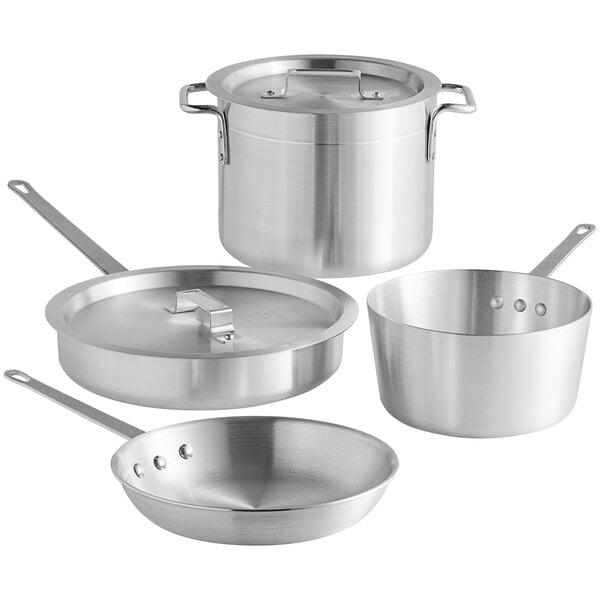
Credit: www.webstaurantstore.com
Aluminum Cookware: A Comprehensive Overview
Aluminum cookware has gained immense popularity among both home chefs and culinary professionals due to its lightweight design, exceptional heat conductivity, and cost-effectiveness. This article delves into the advantages and disadvantages of aluminum cookware, the different types available, essential maintenance tips, and a comparison with other cookware materials.
1. Understanding Aluminum Cookware
Aluminum cookware is crafted from aluminum, a lightweight metal renowned for its superior thermal conductivity. This characteristic enables aluminum pots and pans to heat quickly and evenly, enhancing cooking efficiency. However, it’s important to note that aluminum can react with acidic and alkaline foods, potentially altering the flavors of certain dishes.
1.1 Advantages of Aluminum Cookware
| Benefit | Description |
|---|---|
| Lightweight | Easy to handle, making it ideal for everyday cooking. |
| Excellent Heat Conductivity | Heats rapidly and distributes heat uniformly, which reduces cooking time. |
| Affordability | Generally more affordable than stainless steel and cast iron options. |
| Versatility | Suitable for various cooking methods such as sautéing, frying, and baking. |
1.2 Disadvantages of Aluminum Cookware
| Drawback | Description |
|---|---|
| Reactivity | Can react with acidic foods, which may lead to changes in flavor and discoloration. |
| Durability | More prone to scratching and denting compared to materials like stainless steel. |
| Not Dishwasher Safe | Many aluminum cookware items require hand washing to preserve their quality. |
| Limited Lifespan | May degrade faster than other materials if not properly maintained. |
2. Types of Aluminum Cookware
Aluminum cookware is available in several varieties:
2.1 Anodized Aluminum
Anodized aluminum has undergone a special treatment that creates a durable, non-reactive surface, reducing the risk of leaching. This type of cookware is typically more resistant to scratches and corrosion.
| Feature | Description |
|---|---|
| Durability | Highly resistant to scratching and corrosion. |
| Non-Reactive | Safe for cooking acidic and alkaline foods without altering flavors. |
| Ease of Cleaning | Generally dishwasher safe and easy to maintain. |
2.2 Non-Stick Aluminum
Non-stick aluminum cookware features a coated surface that allows for cooking with minimal oil, facilitating healthier meals and easy cleanup.
| Feature | Description |
|---|---|
| Reduced Oil Usage | Requires less fat for cooking, promoting healthier eating habits. |
| Easy Cleanup | Food easily releases from the surface, simplifying cleaning. |
| Potential Scratching | Can be scratched if metal utensils are used. |
2.3 Cast Aluminum
Cast aluminum cookware is heavier and offers improved heat retention, making it ideal for slow cooking and browning.
| Feature | Description |
|---|---|
| Heat Retention | Retains heat well, making it perfect for simmering and braising. |
| Sturdiness | More durable than stamped aluminum options. |
| Even Cooking | Ensures consistent temperatures for various recipes. |
3. Comparison with Other Cookware Materials
To provide a clearer picture of aluminum cookware’s benefits, here’s a comparison with other common materials:
| Material | Heat Conductivity | Weight | Reactivity | Durability | Cost |
|---|---|---|---|---|---|
| Aluminum | Excellent | Light | Reactive | Moderate | Low |
| Stainless Steel | Good | Medium | Non-reactive | High | Medium |
| Cast Iron | Good | Heavy | Non-reactive | Very High | High |
| Copper | Excellent | Medium | Reactive | Moderate | High |
4. Maintenance and Care Tips for Aluminum Cookware
To maximize the longevity of your aluminum cookware, follow these care tips:
- Avoid Abrasive Cleaners: Use gentle sponges and mild detergents to clean aluminum cookware. Steer clear of steel wool or harsh cleaners that may scratch the surface.
- Use Appropriate Utensils: Choose wooden, silicone, or plastic utensils to prevent scratching the non-stick coating.
- Season Non-Stick Cookware: Occasionally season non-stick aluminum cookware to maintain its non-stick properties.
- Limit Cooking Acidic Foods: When using uncoated aluminum, try to avoid cooking acidic foods (like tomatoes or vinegar) to prevent unwanted reactions.
Frequently Asked Questions
What Are The Benefits Of Aluminum Cookware?
Aluminum cookware is lightweight and heats quickly, providing excellent thermal conductivity. It’s also affordable and often non-stick, making cooking and cleaning easier. Additionally, aluminum is durable and resistant to rust, ensuring long-lasting use. This combination makes it a popular choice for both home cooks and professional chefs.
Is Aluminum Cookware Safe For Cooking?
Yes, aluminum cookware is generally safe for cooking. However, it’s important to avoid cooking acidic foods, which can react with aluminum. High-quality anodized aluminum cookware minimizes these concerns, providing a non-reactive surface. Always check for safety certifications to ensure you’re using a reliable product in your kitchen.
How To Maintain Aluminum Cookware?
To maintain aluminum cookware, avoid using harsh cleaners or steel wool. Instead, wash it with warm, soapy water and a soft sponge. Regular seasoning can also help maintain the non-stick surface. Store it in a dry place to prevent scratching and damage, ensuring its longevity.
Can Aluminum Cookware Be Used On Induction Cooktops?
Standard aluminum cookware is not compatible with induction cooktops. However, you can find aluminum cookware with a magnetic base designed for induction cooking. This feature allows efficient heating while maintaining the benefits of aluminum. Always check the manufacturer’s specifications before purchasing to ensure compatibility.
Conclusion
Aluminum cookware offers an excellent balance of performance and affordability. Its lightweight nature makes cooking a breeze. With proper care, these pots and pans can last for years. Embrace aluminum cookware for your kitchen needs. Enjoy quick heat distribution and easy cleaning, making every meal a delightful experience.
Upgrade your cooking today!

Leave a Reply