
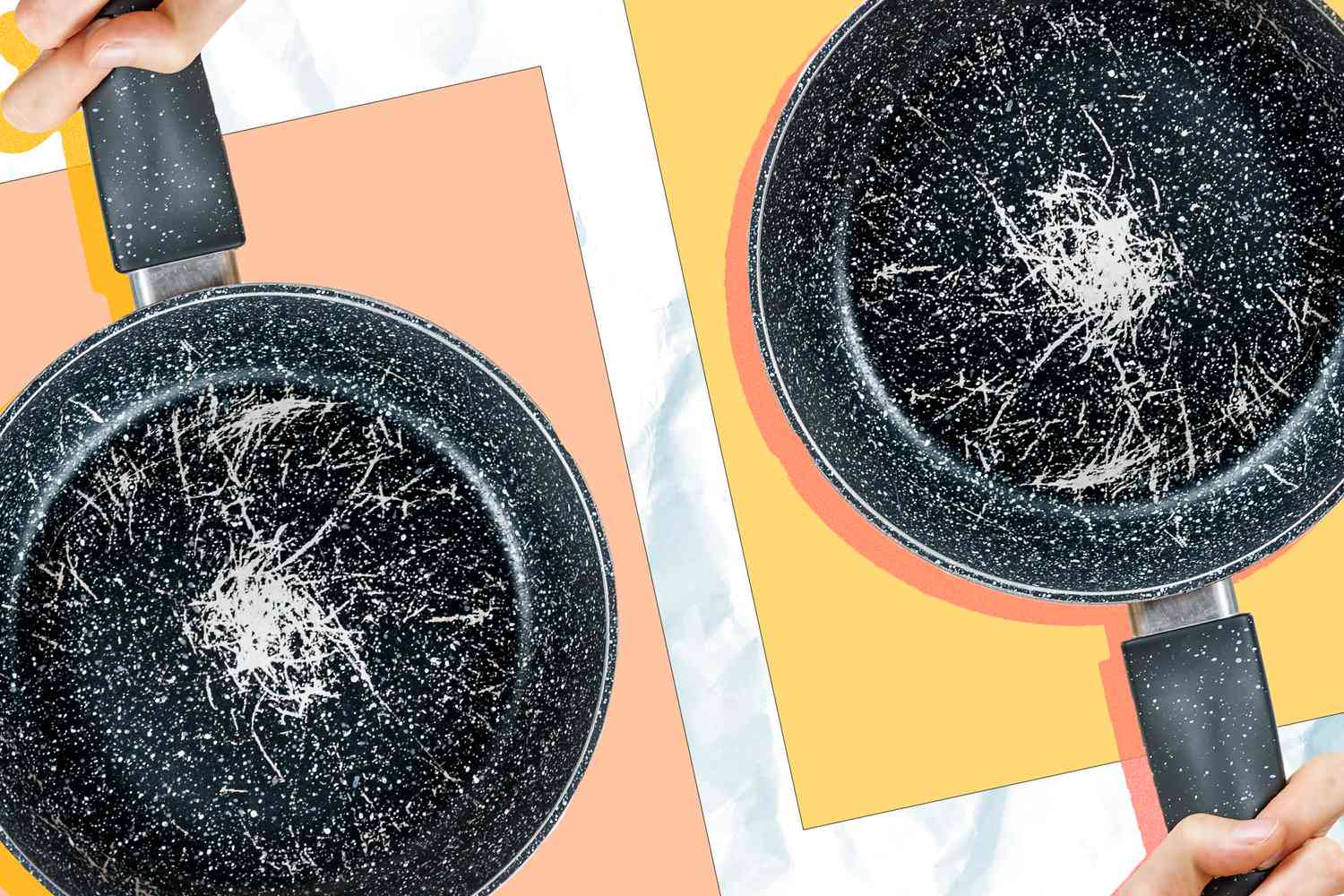
Nonstick cookware is considered safe for cooking at low to medium temperatures. Proper use and care can mitigate most safety concerns.
Are Nonstick Cookware Safe:Nonstick cookware has revolutionized the way we cook, offering a convenient solution for preparing meals without the hassle of food sticking to the pan. Its popularity stems from the ease of cleaning and the reduced need for cooking oils, promoting healthier cooking options.
However, the safety of nonstick cookware often comes into question due to concerns about the chemicals used in their coatings. It’s essential to understand that while older versions of nonstick pots and pans contained PFOA (perfluorooctanoic acid), a chemical linked to health issues, most modern nonstick cookware is PFOA-free. Consumers should follow manufacturer guidelines, such as avoiding high heat and using non-metallic utensils, to maintain the integrity of the coating and ensure the cookware remains safe to use. Regular inspections for scratches and wear can also help in determining when it’s time to replace your nonstick items.
The Rise Of Nonstick Cookware
The nonstick cookware revolution began not long ago. Kitchens everywhere transformed almost overnight. Chefs and home cooks alike celebrated the ease and convenience these new tools provided. But what exactly sparked this widespread adoption?
Popularity And Convenience
Nonstick pans became household favorites quickly. Their ability to let food slide off without sticking changed cooking. Eggs, pancakes, and delicate fish fillets turned out perfect. People spent less time scrubbing pans. This convenience made nonstick cookware a must-have in modern kitchens.
- Easy to use
- Minimal cleaning required
- Less cooking oil needed
Materials And Technology
The core of nonstick cookware’s success lies in its materials. Teflon, also known as PTFE, was the first to make waves. It’s a special coating applied over metal pans. This coating prevents food from sticking. Over time, advancements in technology have introduced ceramic and silicone coatings. These are alternatives to traditional Teflon.
| Material | Properties | Heat Resistance |
|---|---|---|
| PTFE (Teflon) | Non-reactive, slippery | Up to 260°C (500°F) |
| Ceramic | Toxin-free, hard | Up to 450°C (842°F) |
| Silicone | Flexible, non-toxic | Up to 230°C (446°F) |
Each material offers unique benefits. They cater to different cooking styles and preferences. Today, more options exist for safe and effective nonstick cooking.
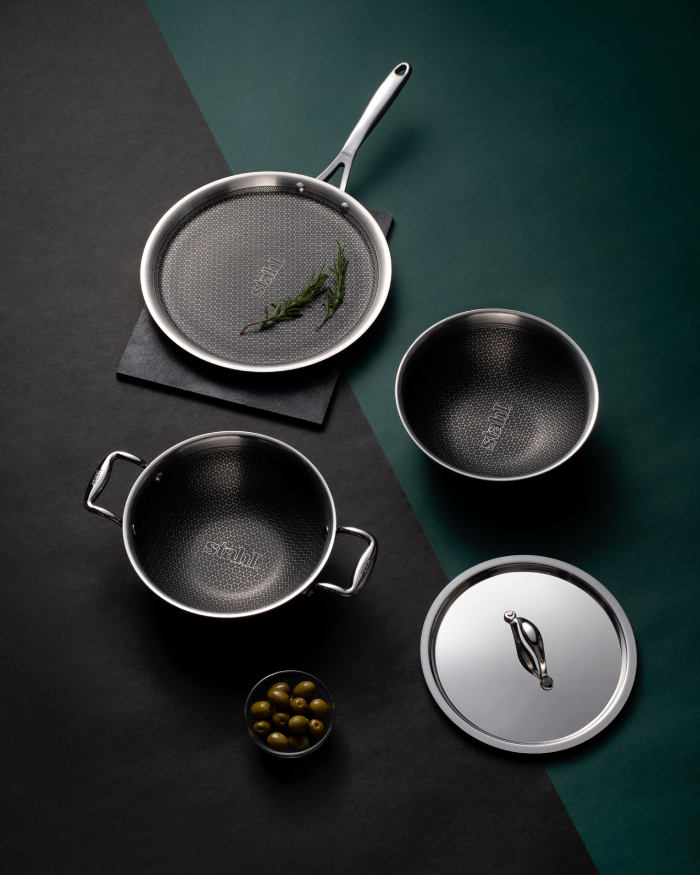
Credit: stahlkitchens.com
Health Concerns And Debates
Many people wonder about the safety of nonstick cookware. The debate often centers around the materials used to create the nonstick surface. Let’s delve into the main concerns.
Chemical Composition
Nonstick pans often contain a chemical called PTFE. PTFE, or polytetrafluoroethylene, is known for its nonstick properties. Another chemical of concern used to be PFOA, or perfluorooctanoic acid. Although PFOA was used in the past, most manufacturers have phased it out due to health risks. Here’s a quick look at these substances:
- PTFE – Provides a smooth surface
- PFOA – Previously used for easier manufacturing
Today, many brands offer PFOA-free products. This change aims to reduce potential health risks.
High-temperature Risks
When nonstick pans are overheated, they may release fumes. These fumes come from the breakdown of PTFE at high temperatures. Breathing in these fumes can cause flu-like symptoms. This condition is often called “Teflon flu.” It is important to keep nonstick cookware at recommended temperatures:
| Temperature | Effect on Nonstick Pans |
|---|---|
| 500°F (260°C) | Starts to degrade |
| 660°F (349°C) | Significant degradation |
Using nonstick pans on low to medium heat helps avoid these risks. Always follow the manufacturer’s guidelines.
Key Controversies: Pfoa And Ptfe
The safety of nonstick cookware often sparks debate. Two chemicals, PFOA and PTFE, are at the heart of these discussions. Consumers and experts raise concerns about the potential health risks associated with these substances.
What Are Pfoa And Ptfe?
PFOA, short for Perfluorooctanoic Acid, was once widely used in making nonstick coatings. PTFE, or Polytetrafluoroethylene, is the slick substance that lets food slide off pans. PFOA has been phased out due to health concerns, but PTFE remains in use today.
Studies And Findings
Research on PFOA links it to several health issues. PTFE, however, is considered safe at normal cooking temperatures. Problems arise when pans overheat, potentially releasing harmful fumes. Here are some key findings:
- PFOA exposure may increase cancer risk.
- PTFE starts to degrade above 260°C (500°F).
- Inhalation of fumes from overheated PTFE can cause flu-like symptoms.
Manufacturers now offer PFOA-free products. They aim to ensure safety while maintaining nonstick convenience.
Regulations And Industry Standards
When it comes to kitchen safety, nonstick cookware stands out. But are they safe? Let’s delve into the regulations and industry standards that govern these products. This will help us understand what keeps our cookware safe.
Global Regulations
Worldwide, governments set safety standards for nonstick cookware. These regulations ensure that manufacturers produce safe and reliable products. For instance, many countries have restricted the use of PFOA. PFOA is a chemical once common in nonstick coatings. Let’s look at some key global regulations:
- US EPA – initiated a program to eliminate PFOA use by 2015.
- EU – banned PFOA in all consumer products since 2020.
- China – imposed strict limits on PFOA in cookware since 2019.
Manufacturer Compliance
Manufacturers must comply with these standards. Compliance ensures that nonstick cookware is safe for everyday use. Brands often perform rigorous testing on their products. They do this before they reach your kitchen. Some compliance methods include:
- Using alternative materials like ceramic coatings.
- Testing for toxins to meet safety thresholds.
- Applying quality control measures during manufacturing.
It’s not just about following the rules. Companies strive to build trust with consumers. They do this by meeting or exceeding safety standards.
Alternatives To Traditional Nonstick Cookware
Concerns around traditional nonstick pots and pans have sparked interest in safer alternatives. Durable and less toxic options exist for health-conscious cooks. Discover cookware that combines safety with performance.
Ceramic Coatings
Ceramic-coated cookware offers a non-toxic alternative. It is free from PTFE and PFOA, chemicals found in traditional nonstick surfaces. Ceramic coatings provide an excellent nonstick experience.
- Heats evenly
- Resistant to scratches
- Easy to clean
Cast Iron
Cast iron is a time-tested favorite. It boasts natural nonstick properties when seasoned properly. Cast iron improves with age, making it a sustainable choice for your kitchen.
- Retains heat well
- Versatile for various cooking methods
- Boosts iron intake
Stainless Steel
Stainless steel stands out for its non-reactive nature. It does not release harmful toxins, ensuring your meals are safe. Cook with confidence on this durable surface.
- Withstands high temperatures
- Preferred for browning and searing
- Long-lasting with proper care
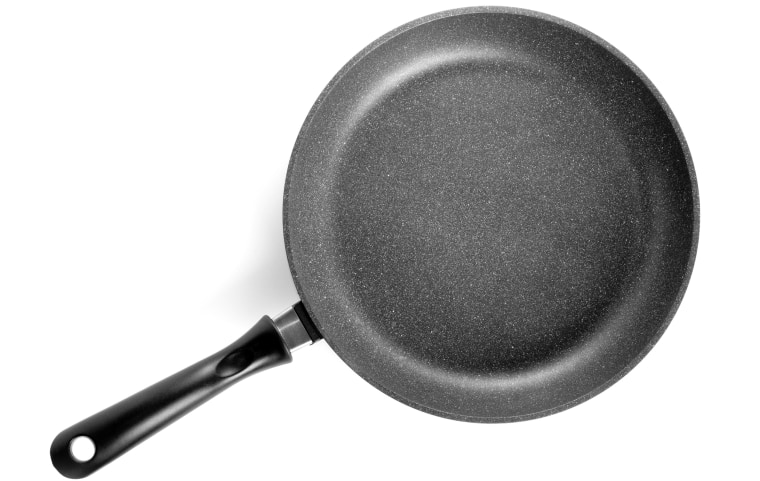
Credit: www.today.com
Safe Usage Tips For Nonstick Cookware
Nonstick cookware revolutionized home cooking with its convenient features. Yet, safety remains a hot topic. To ensure a safe cooking experience, follow these guidelines.
Cooking Temperatures
- Keep heat moderate to protect the nonstick surface.
- Avoid high heat to prevent coating breakdown.
- Use low to medium settings for most cooking tasks.
- Never preheat an empty nonstick pan.
- Opt for silicone or wooden utensils over metal.
Care And Maintenance
Proper care extends the life of nonstick pans.
- Wash with warm, soapy water after each use.
- Use a soft sponge to keep the surface scratch-free.
- Store carefully to avoid scratches from other cookware.
- Replace cookware if the nonstick coating shows signs of wear.
- Follow manufacturer guidelines for dishwasher use.
Expert Opinions And Research
When it comes to cooking, nonstick pans are popular. They’re easy to use and clean. But are they safe? Let’s look at what health experts and ongoing research say.
Health Experts’ Views
Health professionals have raised concerns about nonstick cookware. The main issue is chemicals used in coatings. Some of these, like PFOA, are linked to health problems.
Most companies now use PFOA-free materials. Health experts suggest using these safer options. They also recommend cooking at lower temperatures to prevent coating breakdown.
Experts advise against overheating nonstick pans. High heat can release harmful fumes. They also suggest replacing any scratched or damaged cookware.
Ongoing Research
Scientists continue to study nonstick coatings. They want to ensure safety for everyday use. New materials like ceramic coatings are under investigation.
- Research focuses on long-term effects of nonstick chemicals.
- Studies examine alternative materials for nonstick surfaces.
- Scientists test the impact of high heat on pan coatings.
Early findings are promising for newer, safer coatings. But research is ongoing. It aims to provide clear guidelines for safe cookware use.
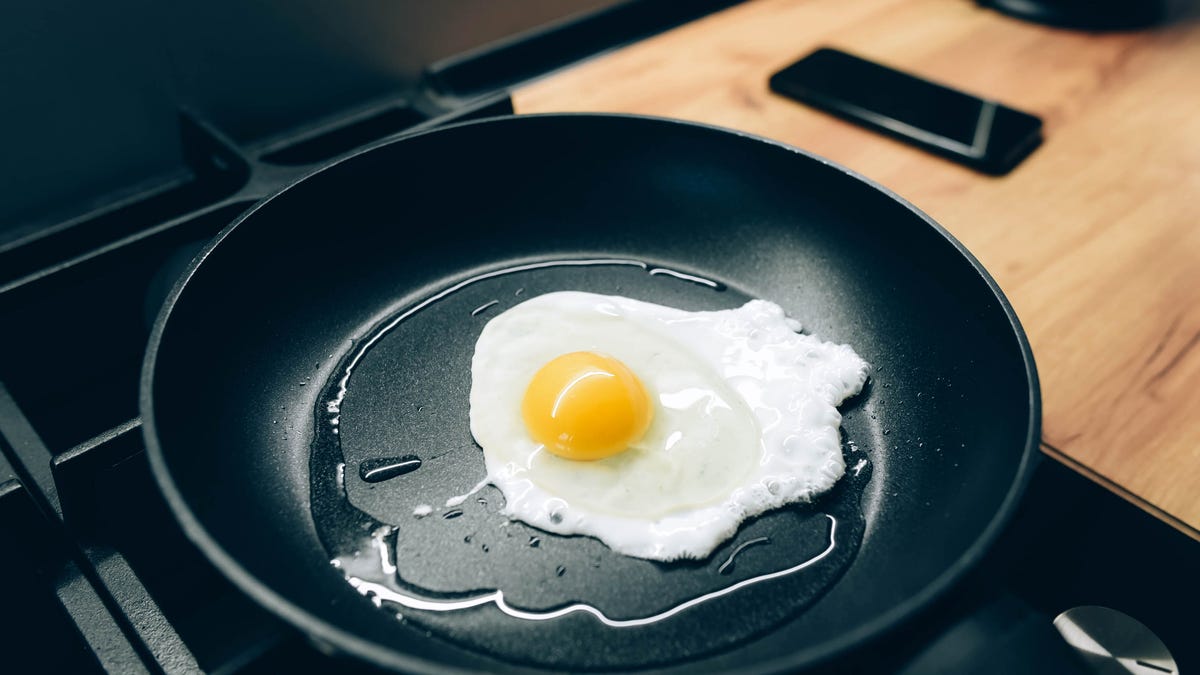
Credit: www.cnet.com
Making An Informed Decision
Many cooks love nonstick pans for easy cooking and cleaning. Yet, safety concerns arise. Let’s explore the facts to make a wise choice.
Balancing Convenience And Health
Nonstick cookware offers quick food release and simple clean-up. It needs less oil, aiding healthy cooking. But, certain chemicals in nonstick coatings raise health questions. Cookware made before 2013 might have PFOA, a substance linked to health issues. Modern alternatives claim to be safer, yet research continues. Users should follow manufacturer guidelines to prevent coating breakdown at high temperatures.
Choosing The Right Cookware
When selecting cookware, consider material safety and durability. Look for PFOA-free and PTFE-free options for safer cooking. Ceramic coatings are popular as a safe, nonstick choice. Cast iron and stainless steel are long-lasting and non-toxic. Check temperature thresholds to prevent accidental overheating. Use wooden or silicone utensils to avoid scratches. Remember, proper care extends your cookware’s life and safety.
| Material | Nonstick | Safe Use | Utensils |
|---|---|---|---|
| Ceramic | Yes | Low to medium heat | Wood, Silicone |
| Cast Iron | No | Any heat | Any |
| Stainless Steel | No | Any heat | Any |
Remember to check reviews and ratings before buying. Certifications from recognized health organizations add trust. Research brands for their safety claims and customer feedback.
Frequently Asked Questions
Is Non-stick Cookware Safe For Health?
Non-stick cookware is safe for health as long as it’s used properly. Avoid overheating, as high temperatures can break down the non-stick coating. Use wooden or silicone utensils to prevent scratches. Keep your cookware in good condition to ensure its safety and longevity.
What Is The Safest Cookware For Your Health?
The safest cookware for your health includes ceramic, stainless steel, and cast iron options. These materials avoid releasing harmful chemicals into food. Opt for high-quality, non-toxic brands to ensure safety and durability in your cooking.
Should I Get Rid Of My Non-stick Pans?
Consider replacing non-stick pans if they’re peeling or scratched, as they may release harmful chemicals. Safe use involves low to medium heat and avoiding metal utensils.
Is There Such A Thing As Non Toxic Non Stick Cookware?
Yes, non-toxic non-stick cookware exists, typically made with ceramic or silicone coatings instead of traditional Teflon (PTFE).
Conclusion
Navigating the safety of nonstick cookware doesn’t have to be daunting. By choosing products with care and using them as recommended, you can enjoy the convenience they offer without worry. Remember, the key lies in informed choices and proper usage.
Embrace the ease of nonstick surfaces while prioritizing your health and safety.

Leave a Reply