
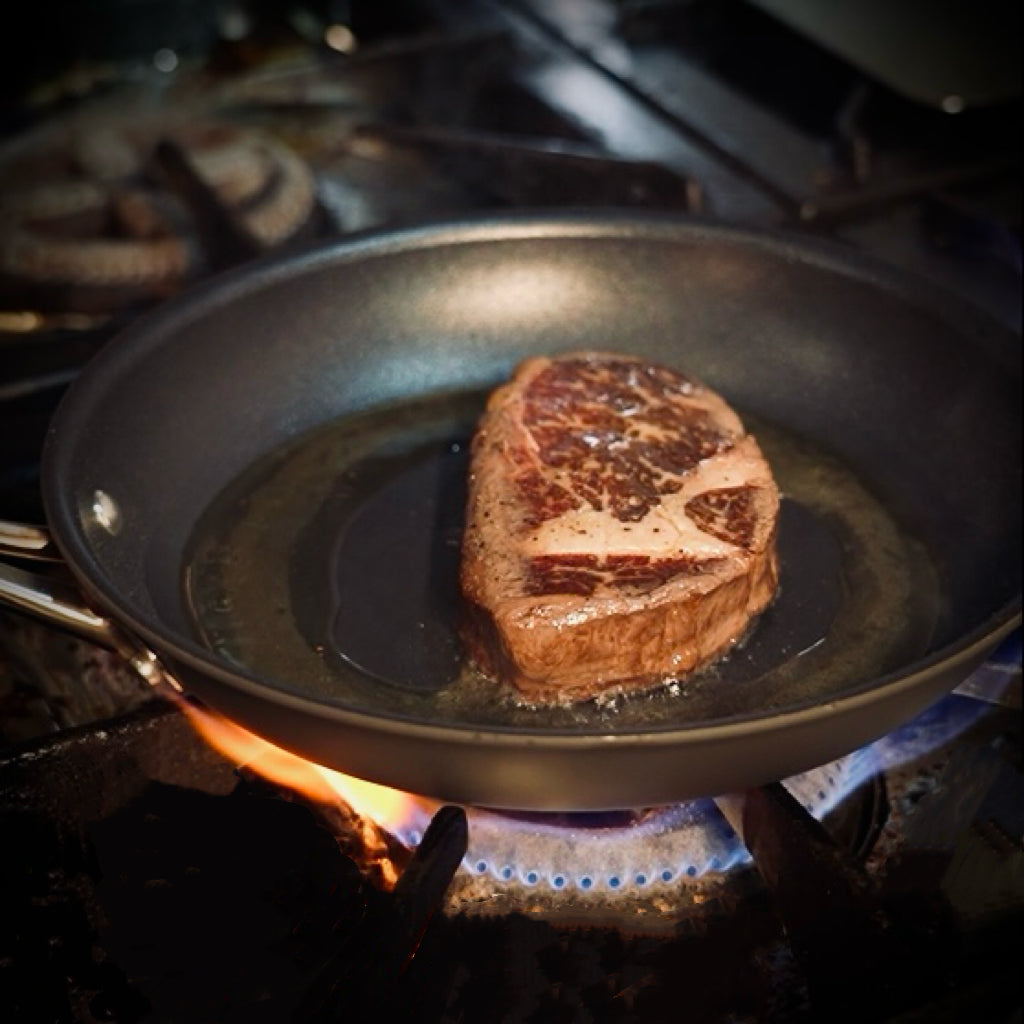
Hard anodized cookware is popular for its durability and non-stick properties. But many people wonder if it poses health risks, especially regarding cancer.
This question is important for anyone who cooks regularly. Cookware safety impacts our health and cooking experience. Hard anodized cookware is made by treating aluminum to create a hard, protective layer. This process improves its strength and resistance to scratches.
Yet, some worry about the materials used in this process. Are they safe? Do they leach harmful substances into food? Understanding these concerns helps you make informed choices about your kitchen tools. Let’s explore the facts about hard anodized cookware and its potential health risks.
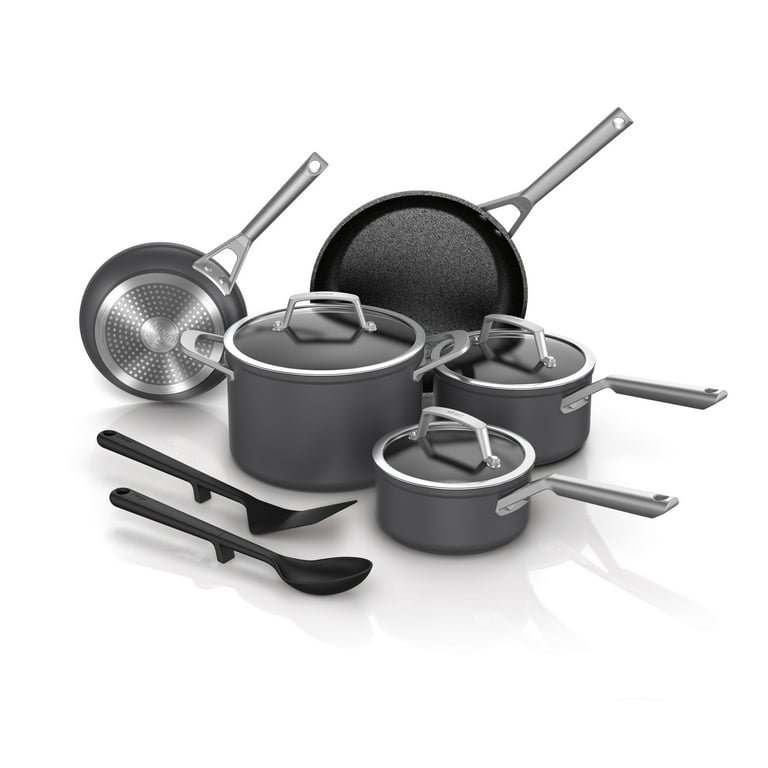
Credit: www.walmart.com
Introduction To Hard Anodized Cookware
Hard anodized cookware is a popular choice for many kitchens. It offers durability and non-stick properties. This cookware is made from aluminum. The aluminum is treated to create a hard surface. This process makes it resistant to scratches and wear.
Brief History
The history of hard anodized cookware dates back to the 1920s. Scientists discovered a process to oxidize aluminum. This made it stronger and more durable. The cookware became popular in the 1960s. Home cooks began to appreciate its benefits. Today, many brands offer hard anodized options.
Popularity And Common Uses
Hard anodized cookware is very popular. It is used by both home cooks and professional chefs. Here are some common uses:
- Frying pans for sautéing vegetables
- Stockpots for soups and stews
- Grill pans for indoor grilling
People like it for its non-stick surface and easy cleanup. It heats evenly, which helps with cooking. The cookware is also lightweight, making it easy to handle.
Many choose hard anodized cookware for healthy cooking. It does not release harmful chemicals. This cookware is safe for everyday use.

Credit: prudentreviews.com
The Anodization Process
The anodization process enhances cookware durability. It transforms aluminum into a strong surface. This makes it resistant to scratches and corrosion. Understanding how this process works is essential.
Electrochemical Transformation
During anodization, aluminum undergoes an electrochemical transformation. This process includes:
- Cleaning the aluminum surface.
- Submerging it in an acid electrolyte.
- Applying an electrical current.
This current causes the aluminum to react with oxygen. It forms a thick layer of aluminum oxide. This layer is non-toxic and safe for cooking.
Surface Hardening And Benefits
The hard anodized layer provides many benefits:
| Benefit | Description |
|---|---|
| Durability | Highly resistant to scratches and dents. |
| Non-reactive | Does not react with food or acids. |
| Easy to Clean | Surface repels food particles and stains. |
| Heat Conduction | Even heat distribution for better cooking. |
These features make hard anodized cookware a popular choice. It is safe and effective for daily cooking.
Safety Concerns With Cookware
Many people worry about the safety of cookware. Hard anodized cookware is popular for its durability and non-stick properties. Still, some concerns exist about its safety. Are there risks? Let’s explore two main concerns: chemical leaching and high heat stability.
Chemical Leaching Fears
Chemical leaching is a major concern for many cooks. This happens when materials from cookware seep into food. It can occur with certain types of cookware, including some anodized items. Hard anodized cookware is generally safe. However, it’s important to understand what could happen.
Here are some points to consider:
- Anodized aluminum forms a protective layer.
- This layer prevents aluminum from entering food.
- Most studies show minimal leaching.
- Leaching usually happens at high temperatures.
Using hard anodized cookware correctly can reduce risks. Avoid using metal utensils, as they can scratch the surface. Choose wooden or silicone utensils instead.
High Heat And Material Stability
High heat can affect cookware materials. Hard anodized cookware is designed to withstand high temperatures. Still, extreme heat can cause issues.
Here are key facts:
| Temperature | Effect on Cookware |
|---|---|
| Up to 500°F (260°C) | Generally safe for cooking. |
| Above 500°F (260°C) | May damage non-stick coating. |
Always check the manufacturer’s guidelines. Use medium to high heat for best results. Avoid using hard anodized cookware under extreme conditions.
Understanding these safety concerns helps you make informed choices. Cookware safety is important for health and peace of mind.
Cancer Risks And Cooking Surfaces
When it comes to cookware, many people worry about health risks. One big concern is whether certain materials can lead to cancer. Understanding how cooking surfaces can affect our health is important. This post explores the risks linked to hard anodized cookware.
Understanding Carcinogens
Carcinogens are substances that may cause cancer. They can be found in many everyday items, including cookware. Not all cooking surfaces contain harmful chemicals. Knowing what to avoid helps in making safer choices.
- Common Carcinogens:
- Asbestos
- Arsenic
- Formaldehyde
- Some non-stick coatings
Not every cooking surface releases carcinogens. Many modern cookware options are designed to be safe. Hard anodized cookware is known for its durability and non-reactivity.
Cookware Materials Under Scrutiny
Different cookware materials are often examined for safety. Here are some common types:
| Cookware Type | Health Risks |
|---|---|
| Non-stick coatings | May release harmful chemicals at high heat. |
| Aluminum | Linked to Alzheimer’s, but not directly to cancer. |
| Stainless steel | Generally safe, but may leach nickel or chromium. |
| Hard anodized | Considered safe; does not flake or chip easily. |
Hard anodized cookware is made by treating aluminum. This process creates a strong, non-reactive surface. It does not contain harmful chemicals like some non-stick options. Many experts consider it a safe choice.
Choose your cookware carefully. Always look for trusted brands and materials. Knowledge is key to making healthy decisions in the kitchen.
Debunking The Cancer Myth
Many people worry about the safety of their cookware. Hard anodized cookware often faces scrutiny. The big question: Does it cause cancer? Let’s explore the facts. Understanding the science helps clear up these fears.
Scientific Studies And Findings
Numerous studies have examined hard anodized cookware. Most research shows it is safe for cooking. Here are some key findings:
- No harmful chemicals leach into food.
- Hard anodized surfaces do not release toxic particles.
- Many experts agree it is a safe option for cooking.
These studies consistently show that using hard anodized cookware does not increase cancer risk. The materials used are stable and non-reactive. A few studies compared different cookware types. Here’s a brief summary:
| Cookware Type | Results |
|---|---|
| Hard Anodized | No cancer risk found |
| Non-stick | Safe when used correctly |
| Stainless Steel | Safe for cooking |
Regulatory Standards And Compliance
Hard anodized cookware meets strict safety standards. Organizations like the FDA regulate cookware materials. They ensure materials used are safe for food contact. Here are some key points:
- Manufacturers must follow safety guidelines.
- Materials pass rigorous testing.
- Products must not pose health risks.
Hard anodized cookware has passed these tests. It is compliant with safety regulations. Using this type of cookware is considered safe. No evidence links it to cancer.
Comparing Cookware Materials
Choosing the right cookware is essential for your health. Different materials have unique properties. This section explores various cookware types. We will focus on their safety and usability. Understanding each material helps you make better choices.
Nonstick Vs. Anodized
Nonstick cookware is popular for its ease of use. Food slides off easily. Cleaning is quick and simple. However, some nonstick coatings may contain harmful chemicals. These chemicals can release toxic fumes at high temperatures.
Hard anodized cookware is different. It is made from aluminum that undergoes a special process. This process creates a hard, non-reactive surface. It does not flake or peel like traditional nonstick. Hard anodized cookware is generally safe. It is durable and resistant to scratches.
| Feature | Nonstick Cookware | Hard Anodized Cookware |
|---|---|---|
| Surface | Coated with nonstick material | Hard, non-reactive aluminum |
| Durability | Can scratch or peel | Highly durable and scratch-resistant |
| Cooking Temperature | Lower heat recommended | Higher heat tolerance |
| Health Concerns | Possible toxic chemicals | Generally considered safe |
Cast Iron And Stainless Steel
Cast iron cookware is a classic choice. It is heavy and retains heat well. Cast iron can last a lifetime with proper care. It can be seasoned for a nonstick surface. However, it requires more maintenance. It may rust if not cared for properly.
Stainless steel cookware is another option. It is strong and resistant to rust. Stainless steel does not react with food. It is easy to clean and maintain. But, it can stick without proper oil or moisture.
- Cast Iron: Great heat retention, requires seasoning, heavy
- Stainless Steel: Non-reactive, easy to clean, can stick
Proper Use And Care
Taking care of your hard anodized cookware is essential. Proper use can extend its life. It also ensures safe cooking. Here are some tips to help you maintain your cookware.
Maximizing Cookware Lifespan
To get the most out of your hard anodized cookware, follow these simple steps:
- Use low to medium heat: High heat can damage the surface.
- Choose appropriate utensils: Use silicone, wood, or plastic utensils.
- Clean gently: Avoid abrasive pads or harsh chemicals.
- Store properly: Stack with care to avoid scratches.
Avoiding Common Mistakes
Many people make mistakes with their cookware. Avoid these common errors:
- Using metal utensils: They can scratch the surface.
- Cooking on high heat: This leads to warping.
- Dishwasher use: Hand wash to protect the finish.
- Storing damp cookware: This can cause rust or stains.
By following these guidelines, you can keep your hard anodized cookware in great shape. Enjoy safe and healthy cooking!
Making Informed Choices
Choosing cookware is essential for health. Many people worry about safety. Hard anodized cookware is popular. But does it pose any risks? Understanding the facts helps make better choices.
Assessing Health Claims
Health claims about cookware can be confusing. Some say hard anodized cookware is safe. Others warn of potential risks. Here are key points to consider:
- Material Safety: Hard anodized cookware is aluminum that has been treated. This process makes it tougher and less reactive.
- Non-stick Coatings: Check if the cookware has a non-stick layer. Some coatings can release harmful chemicals when overheated.
- Scientific Studies: Research shows hard anodized cookware is generally safe. No strong evidence links it to cancer.
Look for reputable sources when assessing claims. Make choices based on facts, not fears.
Recommendations For Health-conscious Consumers
Staying healthy is a priority. Here are some recommendations for safe cookware use:
- Choose Quality Brands: Buy from trusted manufacturers. They often meet safety standards.
- Read Labels: Always check product labels for materials and safety information.
- Avoid High Heat: Use low to medium heat when cooking. This prevents damaging the cookware.
- Regular Maintenance: Clean cookware properly to extend its life. Follow manufacturer instructions.
- Consider Alternatives: Explore other cookware types. Options include stainless steel and cast iron.
Making informed choices about cookware helps maintain health. Be proactive and well-informed.
Credit: www.reddit.com
Frequently Asked Questions
Does Hard Anodized Cookware Release Toxic Chemicals?
No, hard anodized cookware does not release toxic chemicals during cooking. The anodization process creates a durable surface that is non-reactive and safe. It is designed to withstand high temperatures without leaching harmful substances. This makes it a safe option for daily cooking.
Is Hard Anodized Cookware Safe For Health?
Yes, hard anodized cookware is considered safe for health. Its non-stick surface prevents food from sticking without harmful chemicals. Unlike traditional non-stick coatings, hard anodized surfaces do not emit toxic fumes. Therefore, it is a healthier alternative for cooking various meals.
Can Hard Anodized Cookware Cause Food Contamination?
No, hard anodized cookware does not cause food contamination. The anodized layer is non-porous and prevents bacteria buildup. It is also easy to clean and maintain. This ensures that your food remains safe and uncontaminated during the cooking process.
How Does Hard Anodized Cookware Compare To Teflon?
Hard anodized cookware is more durable and scratch-resistant than Teflon. Unlike Teflon, it does not contain potentially harmful chemicals like PFOA. While Teflon can degrade at high temperatures, hard anodized cookware can withstand greater heat without releasing toxins. This makes it a safer choice for everyday cooking.
Conclusion
Hard anodized cookware is generally safe for cooking. It does not contain harmful chemicals linked to cancer. Many studies show no cancer risk from using this type of cookware. Always follow the manufacturer’s care instructions to ensure safety. Choosing high-quality cookware can help you cook healthier meals.
Trust your instincts and stay informed about what you use in your kitchen. Cooking should be enjoyable and safe. Make wise choices for your health and well-being.

Leave a Reply