
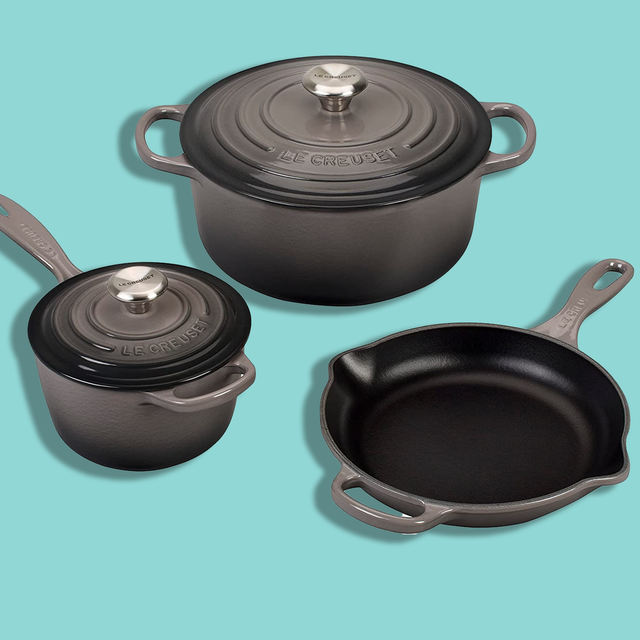
Choosing the right cookware material can make a big difference in your kitchen. Each type has its own strengths and weaknesses.
With so many options available, it can be overwhelming to decide which material is best for your cooking needs. Stainless steel, cast iron, nonstick, and ceramic are just a few of the popular choices. Each type impacts your cooking style, food taste, and even health.
Understanding the qualities of each material helps you make informed decisions. This guide will explore the best cookware materials, highlighting their benefits and ideal uses. Whether you’re a novice cook or a seasoned chef, the right cookware can enhance your culinary experience. Let’s dive in and find out which material suits you best.
Introduction To Cookware Materials
Choosing the right cookware is important for cooking. Different materials affect how food cooks and tastes. This section explores various cookware materials. Understanding these options helps in making informed choices.
Diversity In Cookware Choices
Cookware comes in various materials. Each material has its own features. Here are some common types:
- Stainless Steel: Durable and resistant to rust.
- Cast Iron: Great heat retention and even cooking.
- Nonstick: Easy to clean and reduces sticking.
- Copper: Excellent heat conductivity for precise cooking.
- Aluminum: Lightweight and heats quickly.
Choosing the right type depends on cooking style. Each material serves a unique purpose. Mixing and matching can enhance cooking experiences.
Importance Of Material Selection
Selecting the right cookware material affects cooking quality. Here are some key points:
- Heat Conductivity: Some materials heat evenly, while others do not.
- Durability: A good material lasts longer and withstands wear.
- Maintenance: Some materials require special care to maintain.
- Health Safety: Choose materials that are safe for food.
Understanding these factors can guide choices. Good cookware enhances cooking efficiency. It also improves food flavor and texture.
Credit: madeincookware.com
The Classic Choice: Stainless Steel
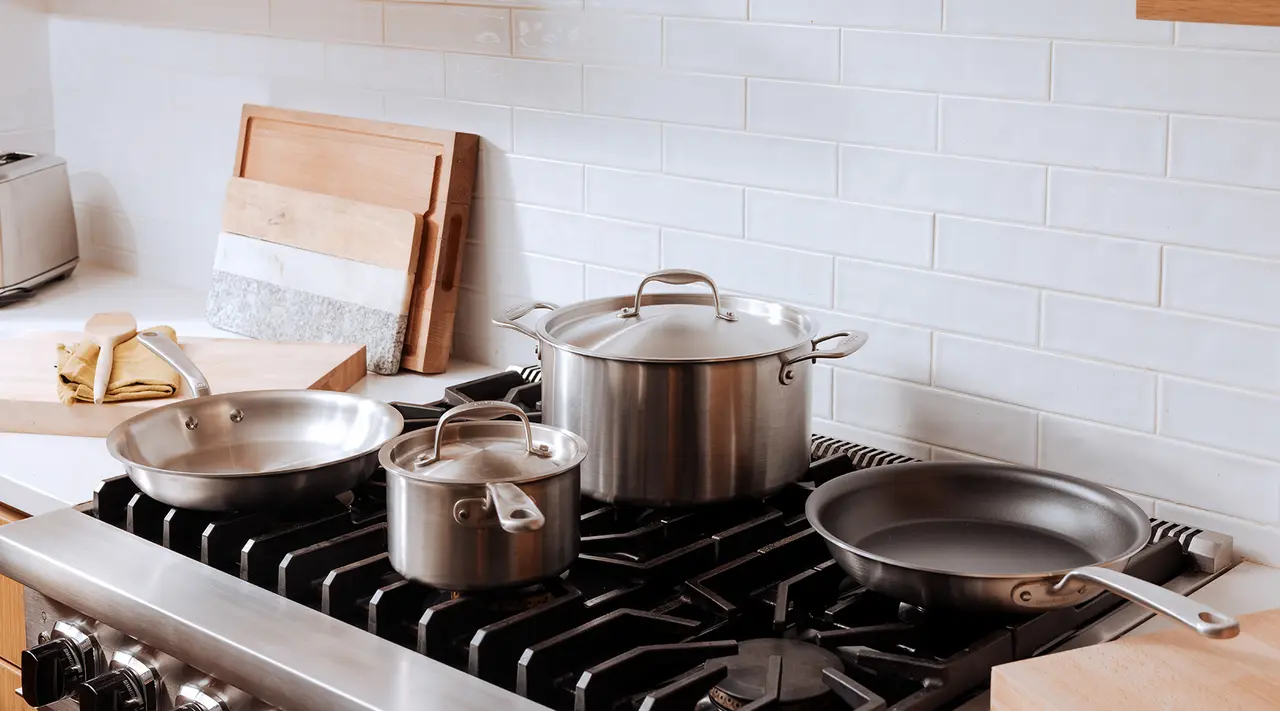
Stainless steel cookware is a popular choice among home cooks. Its durability and sleek look make it a staple in many kitchens. This material is known for its ability to withstand high heat and resist rust. Let’s explore the benefits and considerations of using stainless steel cookware.
Benefits Of Stainless Steel
- Durability: Stainless steel is tough and long-lasting.
- Non-reactive: It won’t react with acidic foods.
- Easy to clean: Most stainless steel cookware is dishwasher safe.
- Even heating: Good quality stainless steel distributes heat evenly.
- Versatile: Suitable for all cooktops, including induction.
Considerations When Using Stainless Steel
- Heat control: Stainless steel can get very hot. Use medium to low heat.
- Food sticking: Food may stick if not enough oil is used.
- Weight: Some stainless steel cookware can be heavy.
- Cost: High-quality stainless steel may be more expensive.
Choosing stainless steel cookware is a smart investment. It offers a blend of style and functionality. Keep these benefits and considerations in mind. Enjoy cooking with this classic material!
Non-stick Essentials: Teflon And Alternatives
Non-stick cookware is popular for many kitchens. It makes cooking easier and cleanup simpler. Teflon is a well-known brand. But there are also other options. Let’s explore the advantages and concerns of non-stick surfaces.
Advantages Of Non-stick Surfaces
Non-stick surfaces offer several benefits:
- Easy Cleanup: Food slides off easily, saving time.
- Less Oil Needed: Use less oil or butter for healthier meals.
- Even Cooking: Distributes heat evenly for better results.
- Lightweight: Easier to handle than heavy cookware.
These advantages make non-stick cookware a favorite for many home cooks.
Health Concerns And Safe Usage
There are some health concerns with non-stick surfaces, especially Teflon:
- PFOA: Older Teflon pans contained this chemical. It can be harmful.
- Scratching: Damaging the surface can release particles into food.
- High Heat: Using non-stick pans at high temperatures can be unsafe.
To ensure safe usage:
- Use silicone or wooden utensils.
- Avoid overheating the pan.
- Replace scratched or damaged cookware.
Consider alternatives like ceramic or stainless steel. They are safe and durable options. Each type has its benefits. Choose the one that fits your cooking style.

Credit: cosmiccookware.com.au
Elegance Of Cast Iron
Cast iron cookware is a classic choice for many kitchens. It combines beauty and function. The rich, dark finish looks stunning on any stove. It also brings a unique cooking experience. Many chefs love it for its heat retention and even cooking. Let’s explore its benefits.
Longevity And Performance
Cast iron cookware lasts a long time. With proper care, it can last for generations. Here are some key points:
- Durable material that withstands high heat.
- Even heat distribution for consistent cooking.
- Improves with age; develops a natural non-stick surface.
Many chefs use cast iron for various dishes. It is perfect for searing meats, baking bread, and frying. The versatility makes it a favorite among home cooks.
Seasoning And Maintenance
Seasoning is crucial for cast iron. It creates a protective layer. This layer prevents rust and keeps food from sticking. Here are the steps to season your cast iron:
- Wash the pan with mild soap and water.
- Dry it thoroughly to avoid rust.
- Apply a thin layer of vegetable oil.
- Heat the pan upside down in the oven for an hour.
Regular maintenance ensures your cookware stays in top shape. After each use, clean it without harsh soaps. Rinse with hot water and dry it well. A little oil after cleaning keeps it seasoned.
Cast iron is not just practical. It adds elegance to your kitchen. With proper care, it becomes a treasured piece of cookware.
Copper Cookware: Precision Cooking
Copper cookware is known for its precision cooking. Chefs value it for its ability to heat quickly and evenly. This means better control over cooking temperatures. The right cookware can enhance your cooking experience.
Superior Heat Conductivity
Copper is one of the best materials for heat conductivity. It heats up fast and cools down quickly. This allows for precise temperature control. Here are some benefits of copper cookware:
- Even heat distribution
- Responsive to temperature changes
- Reduces the risk of hot spots
Many professional chefs choose copper. They appreciate its ability to cook delicate sauces. It helps maintain the perfect temperature. This precision can elevate your dishes.
Challenges With Copper
Despite its benefits, copper cookware has some challenges. It requires more maintenance than other materials. Here are some key points:
- Needs regular polishing to maintain shine.
- Can react with acidic foods.
- Generally more expensive than other cookware.
Some copper pans have a stainless steel lining. This helps prevent reactions with food. Cleaning can be a bit tricky. Use a gentle cleaner to avoid scratches.
Ceramic Coated Wonders
Ceramic cookware offers a unique blend of style and functionality. It provides a non-stick surface that makes cooking easier. This cookware is popular among health-conscious cooks. It is made with a ceramic layer that is free of harmful chemicals. Let’s explore why ceramic coated cookware is a great choice for your kitchen.
Eco-friendly And Non-toxic
Ceramic coated cookware is eco-friendly. It does not contain harmful chemicals like PFOA or PTFE. This makes it safer for you and the environment.
Key benefits include:
- Safe materials – No toxic fumes when heated.
- Biodegradable – Better for the planet.
- Healthier cooking – Less oil needed due to the non-stick surface.
Many brands focus on sustainable practices. This ensures a lower impact on the environment. Choosing ceramic cookware supports these efforts.
Durability And Care Tips
Ceramic coated cookware is known for its durability. However, proper care is important to maintain its quality.
Follow these tips:
- Use wooden or silicone utensils. Avoid metal to prevent scratches.
- Clean with soft sponges. Harsh scrubbers can damage the coating.
- Store carefully. Avoid stacking unless separated by cloth.
- Heat slowly. High temperatures can harm the ceramic layer.
With proper care, ceramic cookware can last for many years. It combines beauty with functionality in your kitchen.
Hard-anodized Aluminum: The Modern Option
Hard-anodized aluminum cookware is becoming very popular. It offers a blend of durability and style. Many home cooks and chefs prefer it. This option has many benefits. It cooks food evenly. It also resists scratches and dents. Let’s explore its advantages more closely.
Strength And Lightweight Nature
Hard-anodized aluminum is known for its strength. It is made from aluminum that has been treated. This process makes it tougher than regular aluminum. Here are some key points:
- Resistant to warping and scratching.
- Lightweight, making it easy to handle.
- Durable, with a long lifespan.
This cookware performs well under high heat. It distributes heat evenly. This means no hot spots. Cooking becomes more efficient. Many users appreciate its easy-to-clean surface.
Is It Worth The Investment?
Investing in hard-anodized aluminum cookware can be smart. Here are some reasons why:
| Feature | Hard-Anodized Aluminum | Other Cookware Types |
|---|---|---|
| Durability | High | Varies |
| Weight | Lightweight | Heavy (like cast iron) |
| Heat Distribution | Even | Varies |
| Maintenance | Easy | Can be difficult |
While hard-anodized aluminum may cost more, it lasts longer. This means you save money over time. Many cooks find it a worthwhile choice.
Glass Cookware: A Clear Contender
Glass cookware is gaining popularity among home cooks. It offers a unique blend of style and functionality. Many chefs love it for its transparency. You can see your food as it cooks. This feature makes it easy to monitor your meals.
Heat Resistance And Versatility
Glass cookware is known for its excellent heat resistance. It can handle high temperatures well. Many glass dishes can withstand temperatures up to 500°F (260°C). This makes them suitable for baking, roasting, and even microwaving.
Versatility is another strong point. You can use glass cookware for:
- Baking casseroles
- Roasting vegetables
- Microwaving leftovers
- Serving directly on the table
Glass does not react with food. It keeps flavors pure. This is a big plus for those who love cooking healthy meals.
Limitations Of Glass In Cooking
Despite its benefits, glass cookware has some limitations. It can be fragile. Dropping a glass dish may cause it to shatter. Care is needed when handling it.
Glass cookware does not heat evenly. This can lead to hot spots. Some dishes may cook faster than others. This can affect the final taste.
Another concern is temperature shock. Rapid changes in temperature can crack glass. For example, moving a hot dish to cold water can be risky.
Here’s a quick summary of glass cookware:
| Pros | Cons |
|---|---|
| High heat resistance | Fragile material |
| Non-reactive with food | Uneven heating |
| Easy to monitor cooking | Risk of temperature shock |
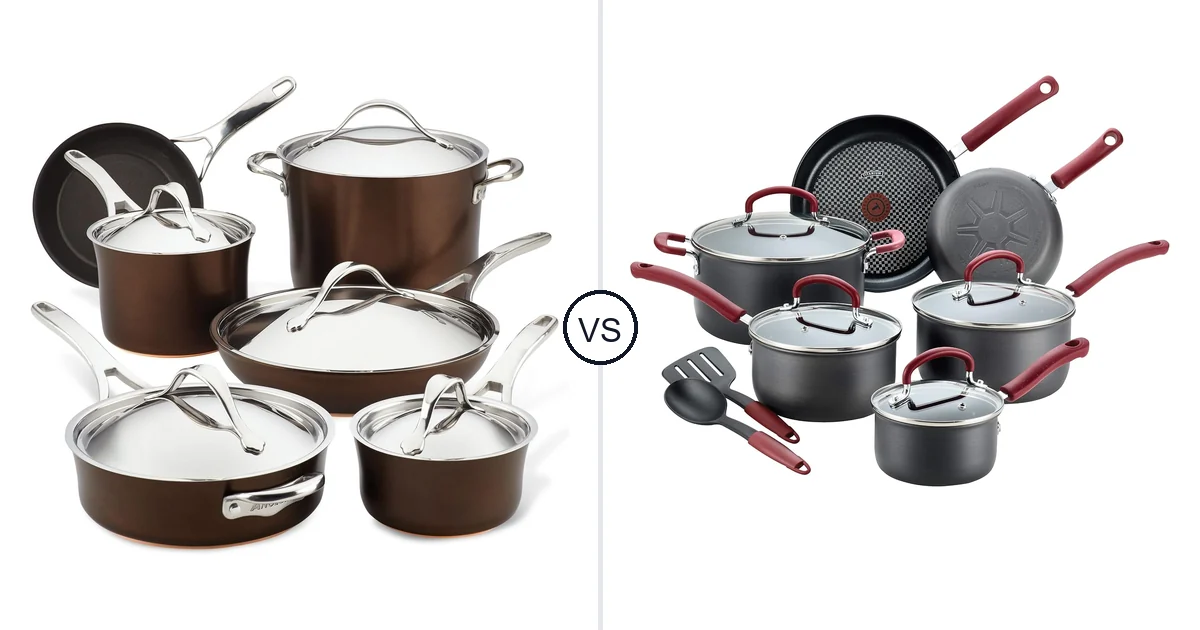
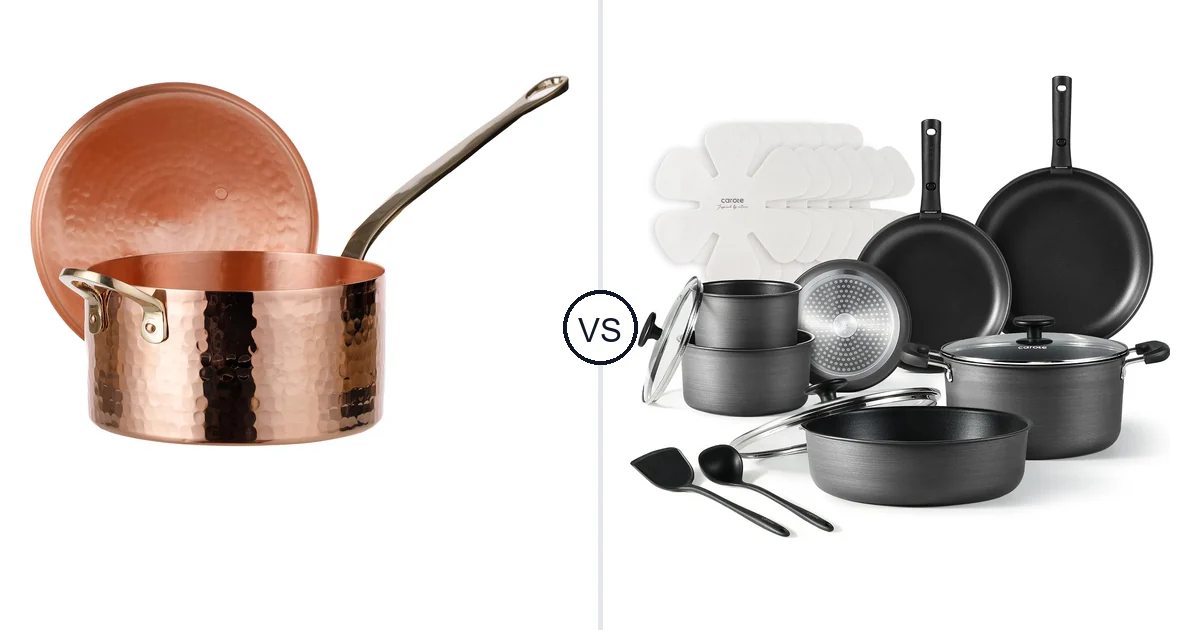
Comparative Analysis
Choosing the right cookware is essential. Different materials offer unique benefits. This section explores key factors like cost, performance, and health. Understanding these aspects helps you make an informed decision.
Cost Versus Performance
Cost plays a significant role in cookware selection. Below is a comparison of various materials:
| Cookware Material | Average Cost | Performance |
|---|---|---|
| Stainless Steel | Moderate | Durable, even heating |
| Non-Stick | Low | Easy to clean, less durable |
| Cast Iron | Moderate to High | Excellent heat retention |
| Copper | High | Great heat conductivity |
Stainless steel and cast iron offer durability. Non-stick pans are cheaper but wear out faster. Copper cookware heats quickly but costs more. Choose based on your cooking needs and budget.
Health Implications
Your choice of cookware can impact health. Here are key points to consider:
- Non-Stick: Some coatings can release harmful chemicals.
- Stainless Steel: Safe and does not react with food.
- Cast Iron: Adds iron to food, beneficial for some.
- Copper: Requires a lining to prevent copper leaching.
Use high-quality cookware to avoid health risks. Ensure you follow manufacturer guidelines. Regular maintenance keeps cookware safe and effective.
Expert Opinions And Reviews
Choosing the right cookware material is essential. Expert opinions offer valuable insights. Reviews from chefs and consumers help identify the best options. Below are recommendations from both groups.
Chef Recommendations
Chefs often share their favorite cookware materials. Here are some common choices:
- Stainless Steel: Durable and non-reactive. Great for browning and deglazing.
- Cast Iron: Excellent heat retention. Ideal for frying and baking.
- Copper: Provides precise temperature control. Used by professional chefs.
Many chefs emphasize the importance of quality. High-quality materials last longer and perform better.
Consumer Favorites
Consumers have their own preferences based on daily use. Popular materials include:
| Material | Pros | Cons |
|---|---|---|
| Non-Stick | Easy to clean, less oil needed | May scratch easily, less durable |
| Aluminum | Lightweight, heats quickly | Can warp, may react with acidic foods |
| Enamel Coated Cast Iron | Versatile, colorful options | Heavy, requires careful handling |
Consumer reviews highlight the ease of use. Many prefer lightweight and easy-to-clean options.
Choosing cookware depends on personal needs. Consider both expert insights and consumer experiences.
Final Verdict: Top Picks For Your Kitchen
Choosing the right cookware is essential for every kitchen. The right material can make cooking easier and more enjoyable. Here are the top picks for your kitchen, based on quality, price, and cooking techniques.
Best Overall
The best overall cookware is stainless steel. It is durable and versatile. Stainless steel pans heat evenly. They can handle high temperatures and are easy to clean.
- Pros:
- Non-reactive with food
- Long-lasting
- Good heat distribution
- Cons:
- May require oil to prevent sticking
- Can be pricey
Best Budget Option
The best budget option is non-stick cookware. It is affordable and easy to use. Non-stick pans are great for beginners. They require less oil for cooking.
| Brand | Price | Key Feature |
|---|---|---|
| Brand A | $30 | Lightweight and easy to clean |
| Brand B | $25 | Durable coating |
Best For Specific Cooking Techniques
For specific cooking techniques, consider cast iron cookware. It excels at heat retention. This makes it perfect for frying and baking. Cast iron pans can go from stovetop to oven.
- Pros:
- Great for searing
- Improves with use
- Very durable
- Cons:
- Heavier than other options
- Requires seasoning
These options will help you create a well-equipped kitchen. Choose the material that fits your cooking style and budget.

Credit: seebainternational.com
Maintenance And Care Tips
Taking care of your cookware is essential. Proper maintenance extends its life. Each material has unique needs. Understanding these can help keep your pots and pans in top shape.
Extending The Life Of Your Cookware
To keep your cookware lasting longer, follow these simple tips:
- Store Properly: Use separators to avoid scratches.
- Heat Wisely: Avoid high heat for non-stick pans.
- Use Appropriate Utensils: Opt for silicone or wooden tools.
- Avoid Cooking Sprays: They can leave a sticky residue.
Cleaning Do’s And Don’ts
Cleaning cookware correctly is crucial. Here are the do’s and don’ts:
| Do’s | Don’ts |
|---|---|
| Hand wash with mild soap. | Use abrasive scrubbers on non-stick surfaces. |
| Dry immediately after washing. | Soak cookware for long periods. |
| Use warm water for cleaning. | Use extreme temperatures for cleaning. |
| Regularly check for damage. | Ignore scratches or chips. |
Following these tips will help maintain your cookware. Good care ensures better cooking experiences.
Frequently Asked Questions
What Cookware Material Is Safest For Cooking?
Ceramic and stainless steel are generally considered the safest cookware materials. They are free from harmful chemicals and do not leach toxins into food. Additionally, they are non-reactive, ensuring that your meals maintain their flavor. Always look for high-quality options for the best results.
Is Non-stick Cookware Harmful To Health?
Non-stick cookware can be harmful if overheated or scratched. Many non-stick coatings contain chemicals that may release toxic fumes. Opt for PFOA-free options and avoid using metal utensils. Regularly inspect your cookware for damage and replace it if necessary to ensure safety while cooking.
Which Cookware Material Retains Heat Best?
Cast iron is renowned for its excellent heat retention. It heats evenly and holds warmth for extended periods, making it ideal for slow cooking. However, it requires proper seasoning and maintenance. Other materials like stainless steel with copper or aluminum layers also perform well in heat retention.
What Is The Most Versatile Cookware Material?
Stainless steel is considered the most versatile cookware material. It can handle high temperatures and is suitable for various cooking methods. Additionally, it does not react with acidic or alkaline foods. With proper care, stainless steel cookware can last a lifetime, making it a worthwhile investment.
Conclusion
Choosing the best material for cookware is important. Each type has its pros and cons. Consider what you cook most often. Think about ease of cleaning and heat distribution. Remember, good cookware lasts longer and helps you cook better. Invest in quality materials for delicious meals.
Your kitchen deserves the best tools. Take time to find what works for you. Happy cooking!

Leave a Reply