

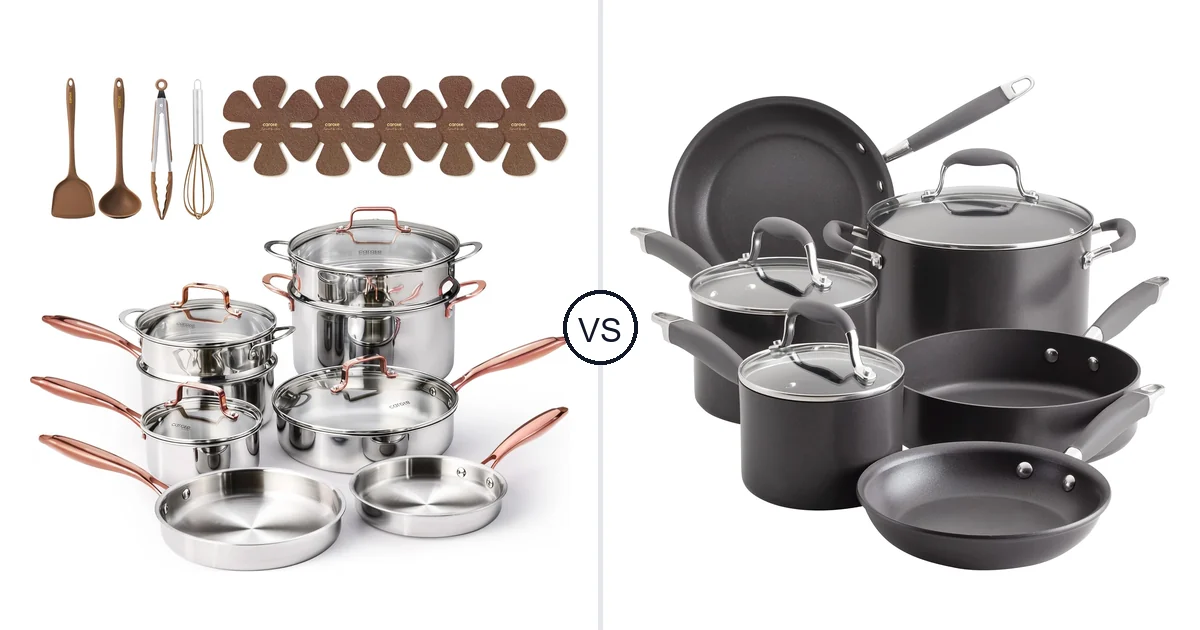
Stainless steel cookware is durable and resistant to rust, while titanium cookware is lightweight and offers excellent heat conduction. Both materials have unique advantages, making them suitable for different cooking needs.
Choosing the right cookware can significantly impact your culinary experience. Stainless steel and titanium are two popular materials, each offering distinct benefits. Stainless steel is known for its strength, resistance to staining, and versatility across various cooking methods. It’s ideal for browning, sautéing, and making sauces.
On the other hand, titanium cookware is favored for its lightweight nature and superior heat distribution. This makes it perfect for tasks requiring quick temperature changes. Understanding the strengths of each material can help you select the best cookware for your kitchen, ensuring delicious meals and a more enjoyable cooking process.
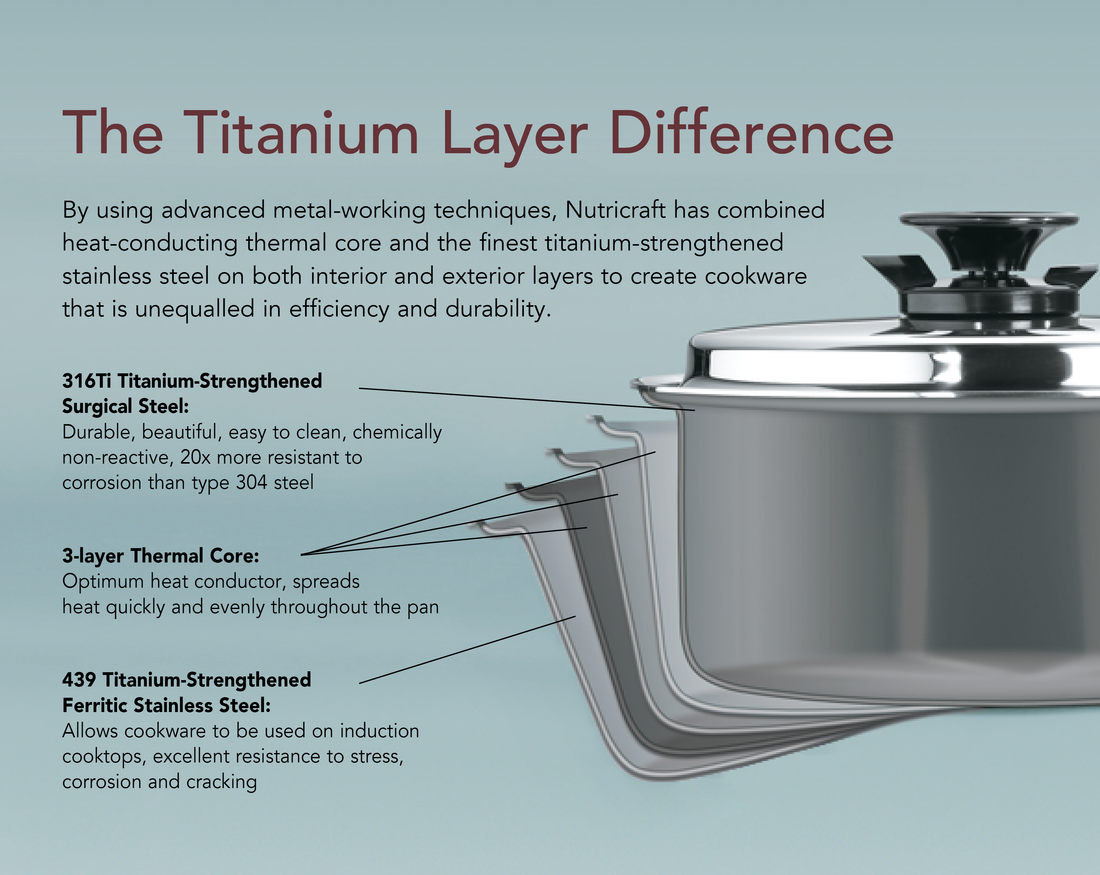
Credit: nutricraftcookware.com
Introduction To Metals In Cookware
Choosing the right cookware is vital for every kitchen. The material affects cooking performance, durability, and safety. Two popular metals in cookware are stainless steel and titanium. Each has unique benefits and drawbacks that influence cooking experiences.
Popularity Of Stainless Steel
Stainless steel cookware is a kitchen staple. Its popularity stems from several key features:
- Durability: Stainless steel resists rust and corrosion.
- Non-reactive: It does not react with acidic foods.
- Heat distribution: Excellent for even cooking.
- Easy to clean: Most are dishwasher safe.
Many chefs prefer stainless steel for its versatility. It works well on all heat sources. This includes gas, electric, and induction. The sleek appearance also appeals to many home cooks.
Rise Of Titanium In Kitchenware
Titanium cookware is gaining popularity. It offers distinct advantages over traditional materials:
- Lightweight: Easy to handle and maneuver.
- Strong: Extremely durable and resistant to scratching.
- Non-stick properties: Naturally non-stick without harmful coatings.
- Hypoallergenic: Safe for those with metal allergies.
This metal is often combined with other materials. This enhances performance and durability. Titanium cookware heats quickly and evenly. It is also easy to maintain.

Credit: firemaplegear.com
Material Properties
Understanding the material properties of cookware is essential. Both stainless steel and titanium have unique features. These features influence cooking performance, safety, and longevity. Let’s explore the differences in composition, durability, heat conductivity, and retention.
Composition And Durability
Stainless steel is an alloy made of iron, carbon, and chromium. The chromium content prevents rust and corrosion. Its durability makes it a popular choice for cookware.
Titanium is a pure metal known for its strength. It does not rust or corrode. This makes titanium cookware very durable and long-lasting. Both materials can withstand high temperatures without damage.
| Material | Composition | Durability |
|---|---|---|
| Stainless Steel | Iron, Carbon, Chromium | High; resistant to rust and corrosion |
| Titanium | Pure Metal | Very High; does not rust or corrode |
Heat Conductivity And Retention
Heat conductivity is vital for cooking performance. Stainless steel has moderate heat conductivity. It heats evenly but may take time to reach high temperatures.
Titanium has lower thermal conductivity. It heats up slowly but retains heat well. This is beneficial for slow cooking and maintaining temperature.
- Stainless Steel: Good for searing and browning.
- Titanium: Excellent for slow cooking and food retention.
Choosing between stainless steel and titanium cookware depends on your cooking style. Consider the material properties to find the best fit for your kitchen.
Health And Safety Concerns
Choosing the right cookware involves understanding health and safety issues. Stainless steel and titanium cookware both have unique properties. Knowing these properties helps you make informed choices.
Toxicity In Cooking Surfaces
Cookware materials can affect your health. Here’s a quick look at stainless steel and titanium:
| Material | Toxicity Level | Health Risks |
|---|---|---|
| Stainless Steel | Low | Generally safe, but some people may react to nickel. |
| Titanium | Very Low | Highly biocompatible, safe for most people. |
Stainless steel usually contains nickel. Some people have allergies to nickel. Titanium does not have this issue. It is safe for everyone.
Reactivity With Foods
Cookware materials can react with different foods. Here are some important points:
- Stainless Steel: Non-reactive with most foods. Safe for acidic foods like tomatoes.
- Titanium: Completely non-reactive. Does not alter food taste.
Reactivity can affect food quality. Use stainless steel for versatile cooking. Choose titanium for pure taste and safety.
Weight And Handling
Choosing between stainless steel and titanium cookware often comes down to weight and handling. Both materials offer unique advantages. Understanding these factors helps in making an informed decision.
Ease Of Use In The Kitchen
Weight affects how easy cookware is to handle. Here’s a comparison:
| Material | Weight | Ease of Handling |
|---|---|---|
| Stainless Steel | Heavier | Stable but can be difficult for some |
| Titanium | Lighter | Easy to lift and maneuver |
Titanium cookware is lightweight. It is easy to lift and move. This makes it great for daily cooking tasks. On the other hand, stainless steel is heavier. It provides stability but can be cumbersome for some users.
Impact On Cooking Experience
The weight of cookware influences cooking experience. Here are some key points:
- Heat Distribution: Stainless steel heats evenly but retains heat longer.
- Control: Lighter titanium allows for quicker adjustments.
- Fatigue: Heavy cookware may cause fatigue during long cooking sessions.
Handling lightweight cookware reduces strain. It enhances comfort during meal preparation. Stainless steel may require more effort, especially with larger pots. Consider your cooking style and habits when choosing.
Maintenance And Longevity
Choosing between stainless steel and titanium cookware involves understanding their maintenance and longevity. Each material has unique care requirements that affect how long they last. Proper maintenance ensures your cookware remains functional and looks good.
Cleaning And Care
Cleaning methods differ between stainless steel and titanium cookware. Here’s a simple guide:
- Stainless Steel:
- Use warm soapy water and a soft sponge.
- For tough stains, use baking soda paste.
- Avoid steel wool to prevent scratches.
- Titanium:
- Wash with warm, soapy water after use.
- Use non-abrasive sponges for cleaning.
- Ensure complete drying to avoid water spots.
Resistance To Wear And Tear
Both stainless steel and titanium offer high resistance to wear. Here’s how they compare:
| Feature | Stainless Steel | Titanium |
|---|---|---|
| Scratch Resistance | Moderate | High |
| Corrosion Resistance | High | Very High |
| Durability | Good | Excellent |
Titanium cookware tends to last longer. It resists scratches and corrosion better than stainless steel. This makes titanium a great choice for heavy use.
Cost Analysis
Understanding the cost differences between stainless steel and titanium cookware is essential. This analysis explores the initial investment and long-term value of each material. Making an informed choice helps maximize your budget.
Initial Investment
The upfront cost can vary significantly between stainless steel and titanium cookware. Here’s a breakdown:
| Cookware Type | Average Price Range |
|---|---|
| Stainless Steel | $20 – $200 |
| Titanium | $100 – $300 |
Stainless steel offers a lower price point. It fits many budgets. Titanium cookware is more expensive but provides unique benefits.
Value Over Time
Consider the long-term benefits of each type. Here are some key factors:
- Durability: Titanium lasts longer than stainless steel.
- Maintenance: Stainless steel is easier to clean.
- Performance: Titanium heats evenly and quickly.
Investing in titanium may save money in the long run. Its durability reduces the need for replacements.
Stainless steel remains a popular choice. Its affordability and ease of use make it a great option for many cooks.
Ultimately, the best choice depends on your cooking style and budget. Evaluate both options based on your needs.
Cooking Performance Comparison
Understanding the cooking performance of stainless steel and titanium cookware is essential. Each material offers unique benefits. Choosing the right one impacts your cooking experience and the quality of your meals.
Suitability For Different Cooking Techniques
Both stainless steel and titanium cookware excel in various cooking methods.
- Stainless Steel: Great for browning, sautéing, and deglazing. Ideal for searing meats and preparing sauces.
- Titanium: Best for high-heat cooking. Excellent for frying and boiling. Lightweight and easy to handle.
Here’s a quick comparison of their cooking techniques:
| Technique | Stainless Steel | Titanium |
|---|---|---|
| Searing | ✔️ | ✔️ |
| Boiling | ✔️ | ✔️ |
| Frying | ✔️ | ✔️ |
| Simmering | ✔️ | ❌ |
| Oven Use | ✔️ | ✔️ |
Taste And Quality Of Food
The materials used in cookware affect the taste and quality of food.
- Stainless Steel: Non-reactive surface. Great for cooking acidic foods. Preserves flavors well.
- Titanium: Does not react with food. Retains pure flavors. Ideal for delicate dishes.
Common food outcomes in both types:
- Stainless steel enhances the flavor of meats.
- Titanium keeps vegetables crisp and fresh.
Both materials offer unique advantages. Your choice may depend on personal preference.
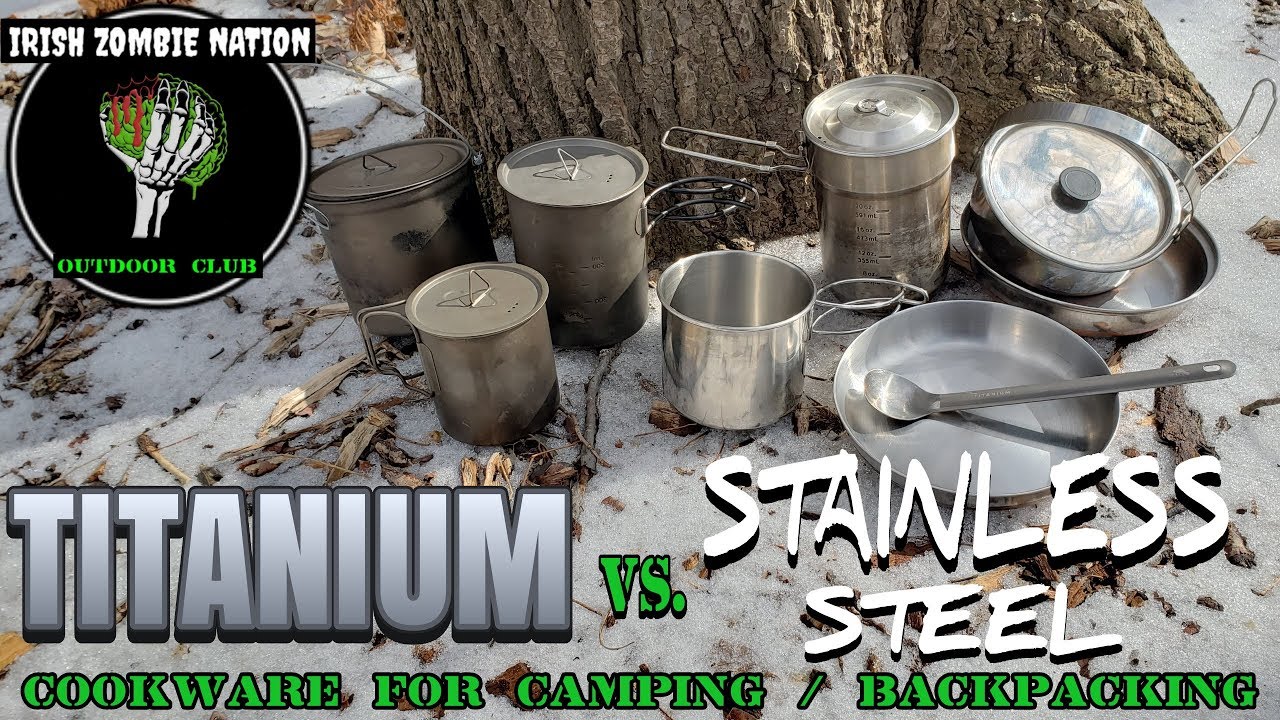
Credit: www.youtube.com
Environmental Impact
The choice between stainless steel and titanium cookware affects the environment. Understanding their sustainability and recyclability is essential for eco-conscious consumers.
Sustainability Of Materials
Both materials offer unique benefits in sustainability:
- Stainless Steel: Made from iron, nickel, and chromium. These elements are abundant.
- Titanium: A lightweight metal. Extracting titanium is energy-intensive but offers durability.
Stainless steel has a longer lifespan. It resists corrosion and can last for decades. Titanium is also durable but can be more expensive. The environmental impact during production varies greatly.
Recyclability And Disposal
Recycling is crucial for reducing waste. Here’s how both materials perform:
| Material | Recyclability | Disposal Impact |
|---|---|---|
| Stainless Steel | Highly recyclable; can be reused indefinitely | Minimal impact; reduces landfill waste |
| Titanium | Recyclable but less common | Higher impact if not recycled |
Stainless steel wins in recyclability. Most recycling centers accept it. Titanium recycling is limited but growing.
Both materials need responsible disposal. Stainless steel creates less waste. Choosing recyclable options helps the planet.
User Reviews And Testimonials
User feedback plays a vital role in choosing cookware. Home cooks and professional chefs share their experiences. Their insights help others make informed decisions. Let’s explore what they have to say about stainless steel and titanium cookware.
Home Cooks’ Insights
Home cooks appreciate the durability of stainless steel. Here are some common themes from their reviews:
- Easy to Clean: Most users find stainless steel easy to maintain.
- Even Heating: Cooks enjoy consistent heat distribution.
- Affordable: Many consider it budget-friendly.
Conversely, home cooks also share thoughts on titanium cookware:
- Lightweight: Users love how easy it is to handle.
- Non-Stick Surface: Many appreciate the cooking experience without sticking.
- Durable: Users report long-lasting performance.
Professional Chefs’ Opinions
Professional chefs provide a different perspective. Their reviews focus on performance and quality:
| Cookware Type | Chef Feedback |
|---|---|
| Stainless Steel | Highly rated for searing and browning. |
| Titanium | Favored for delicate dishes and easy cleanup. |
Chefs highlight the following points:
- Temperature Control: Stainless steel allows precise temperature adjustments.
- Versatility: Titanium is great for various cooking methods.
- Professional Quality: Both options meet high standards.
Final Verdict
Choosing between stainless steel and titanium cookware can be tough. Each material has unique features. Understanding these can help you make the right choice.
Summarizing The Showdown
| Feature | Stainless Steel | Titanium |
|---|---|---|
| Durability | Highly durable but can scratch | Extremely durable, resistant to scratches |
| Weight | Heavier than titanium | Lightweight and easy to handle |
| Heat Distribution | Good heat distribution | Excellent heat distribution |
| Reactivity | Non-reactive with foods | Non-reactive, safe for all foods |
| Price | Generally more affordable | Typically more expensive |
Both options have their pros and cons. Stainless steel is budget-friendly. Titanium offers premium features at a higher price. Your choice depends on your cooking needs.
Recommendations For Different Users
- Home Chefs: Choose stainless steel for versatile everyday cooking.
- Professional Chefs: Opt for titanium for its durability and light weight.
- Health-Conscious Cooks: Either option works since both are non-reactive.
- Budget-Conscious Buyers: Stainless steel is the best economical choice.
- Outdoor Enthusiasts: Titanium is perfect for camping due to its lightweight nature.
Consider your cooking style and budget. Each material shines in different situations.
Frequently Asked Questions
What Are The Main Differences Between Stainless Steel And Titanium Cookware?
Stainless steel cookware is known for its durability and resistance to rust and corrosion. Titanium cookware is lighter, offers excellent heat conductivity, and is non-reactive. While stainless steel is great for browning and searing, titanium excels in lightweight cooking and is often favored for camping and outdoor use.
Is Stainless Steel Cookware Better Than Titanium?
The choice between stainless steel and titanium cookware depends on your cooking needs. Stainless steel offers superior heat retention and durability. Titanium, on the other hand, is lighter and easier to handle. If you prioritize weight and portability, titanium may be better for you.
Which Cookware Is More Affordable, Stainless Steel Or Titanium?
Generally, stainless steel cookware is more affordable than titanium. It is widely available and comes in various price ranges. Titanium cookware tends to be pricier due to its lightweight properties and advanced manufacturing process. Consider your budget and cooking style when choosing between the two.
Can I Use Metal Utensils On Stainless Steel And Titanium Cookware?
Yes, you can use metal utensils on both stainless steel and titanium cookware. Stainless steel is resistant to scratching, making it safe for metal tools. Titanium is also durable but may have a coating that can scratch. Always check the manufacturer’s guidelines for best practices.
Conclusion
Choosing between stainless steel and titanium cookware depends on your cooking style and preferences. Stainless steel offers durability and versatility, while titanium is lightweight and resistant to corrosion. Both materials have unique advantages. Consider your cooking needs to make the best choice for your kitchen.
Happy cooking!

Leave a Reply