
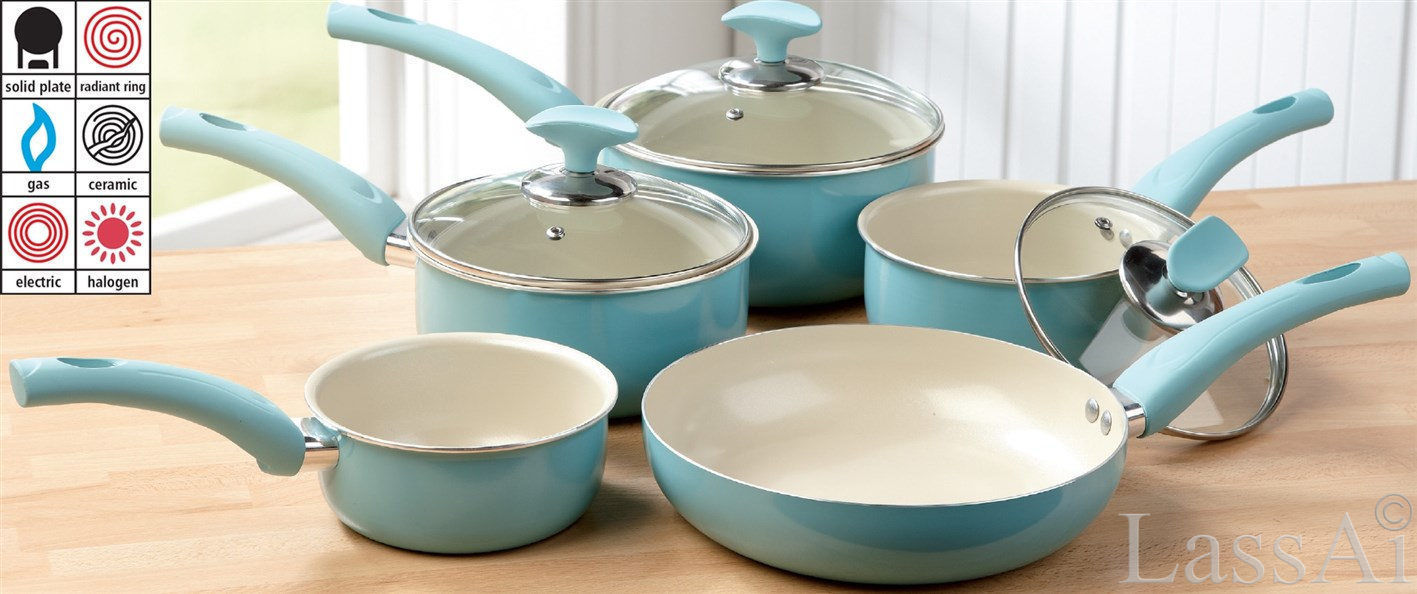
Safe cookware for birds includes stainless steel, ceramic, and glass. Avoid non-stick coatings, aluminum, and Teflon, as they can be harmful.
Bird owners often overlook the importance of using safe cookware. Many common materials can release toxic fumes or chemicals harmful to birds. Stainless steel is a durable and non-reactive option, making it ideal for food preparation. Ceramic and glass cookware are also safe, as they don’t leach harmful substances.
Non-stick coatings may seem convenient, but they can release toxic gases when overheated, posing a serious health risk to birds. Understanding which materials are safe for your feathered friends is crucial for their well-being. Choosing the right cookware ensures a healthy environment and promotes the longevity of your beloved pets.
The Risks Of Non-stick Coatings
Non-stick cookware is popular for its convenience. Many people don’t realize the dangers it poses to birds. It’s essential to understand these risks to keep your feathered friends safe.
Hidden Dangers In The Kitchen
Non-stick coatings can release harmful fumes. These fumes are often invisible and odorless. Birds have sensitive respiratory systems. Even small amounts can cause serious health issues.
- Symptoms of exposure include:
- Difficulty breathing
- Weakness
- Sudden death
Many bird owners are unaware of these hidden dangers. Always check your cookware before cooking.
Teflon And Bird Safety
Teflon is a common non-stick coating. It can be extremely dangerous for birds. When heated to high temperatures, Teflon releases toxic particles.
| Temperature (°F) | Effect on Birds |
|---|---|
| 350 | Safe for most cooking |
| 400 | Potentially harmful |
| 500+ | Highly toxic fumes released |
Choose bird-safe cookware options. Consider ceramic, glass, or stainless steel. These materials do not emit harmful fumes.
Ensure your bird’s environment is safe. Opt for cookware that protects their health.
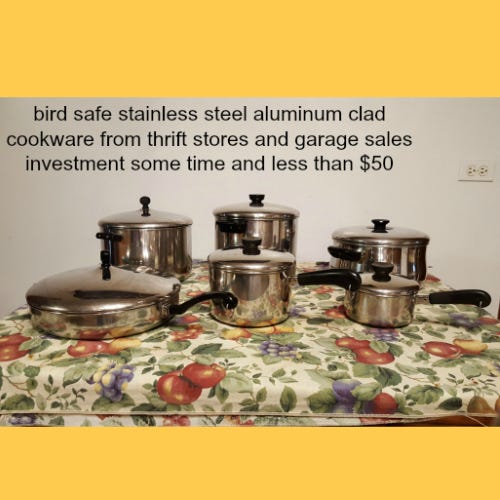
Credit: medium.com
Bird-safe Cookware Materials
Choosing the right cookware is vital for bird owners. Some materials can harm your feathered friends. Here are the best bird-safe cookware options to keep your kitchen safe.
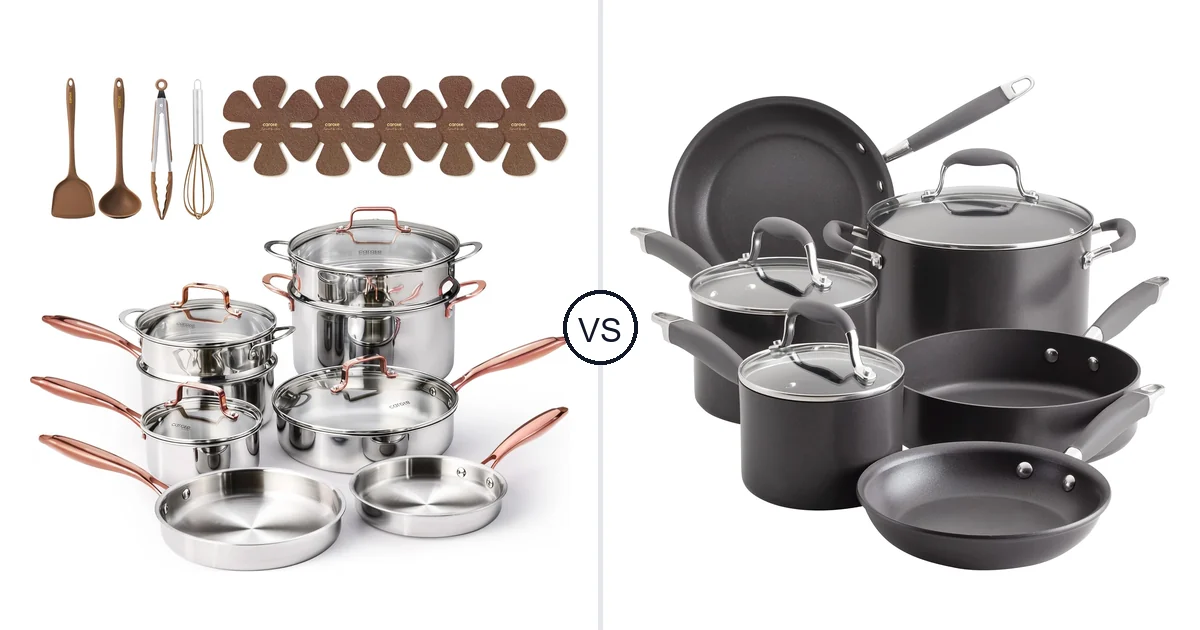
Stainless Steel Essentials
Stainless steel is a top choice for bird-safe cookware. It is non-reactive and durable. Here are its key benefits:
- Resistant to rust and corrosion.
- Does not leach harmful chemicals.
- Easy to clean and maintain.
- Available in various shapes and sizes.
Opt for high-quality stainless steel. Look for products marked as 18/8 or 18/10 for best results.
Cast Iron Benefits
Cast iron cookware is safe for birds. It can withstand high heat. Here are some advantages:
- Durable and long-lasting.
- Provides even heat distribution.
- Can enrich food with iron.
- Natural non-stick surface when seasoned.
Season cast iron properly. This will prevent sticking and rusting. Avoid using non-stick sprays with cast iron.
Ceramic Options
Ceramic cookware is another bird-safe choice. It is non-toxic and eco-friendly. Here are its features:
- Free from harmful chemicals like PTFE and PFOA.
- Variety of colors and designs available.
- Non-reactive with food.
- Easy to clean and dishwasher safe.
Choose ceramic cookware with a durable coating. This ensures longevity and safety for your birds.
Identifying Unsafe Cookware
Choosing safe cookware for your birds is crucial. Certain materials can harm them. Recognizing unsafe cookware helps protect your feathered friends.
Warning Signs
Look for these warning signs to identify unsafe cookware:
- Peeling or chipping: Cookware that shows wear can release harmful materials.
- Smoke or fumes: If cookware emits smoke, it may contain toxic substances.
- Unusual smells: Strong chemical odors can indicate unsafe materials.
- Discoloration: Changes in color may signal degradation of the cookware.
Common Toxic Materials
Be aware of these common toxic materials in cookware:
| Material | Risk |
|---|---|
| Teflon | Releases toxic fumes at high temperatures. |
| Aluminum | May leach into food and harm health. |
| Non-stick coatings | Can contain harmful chemicals like PFOA. |
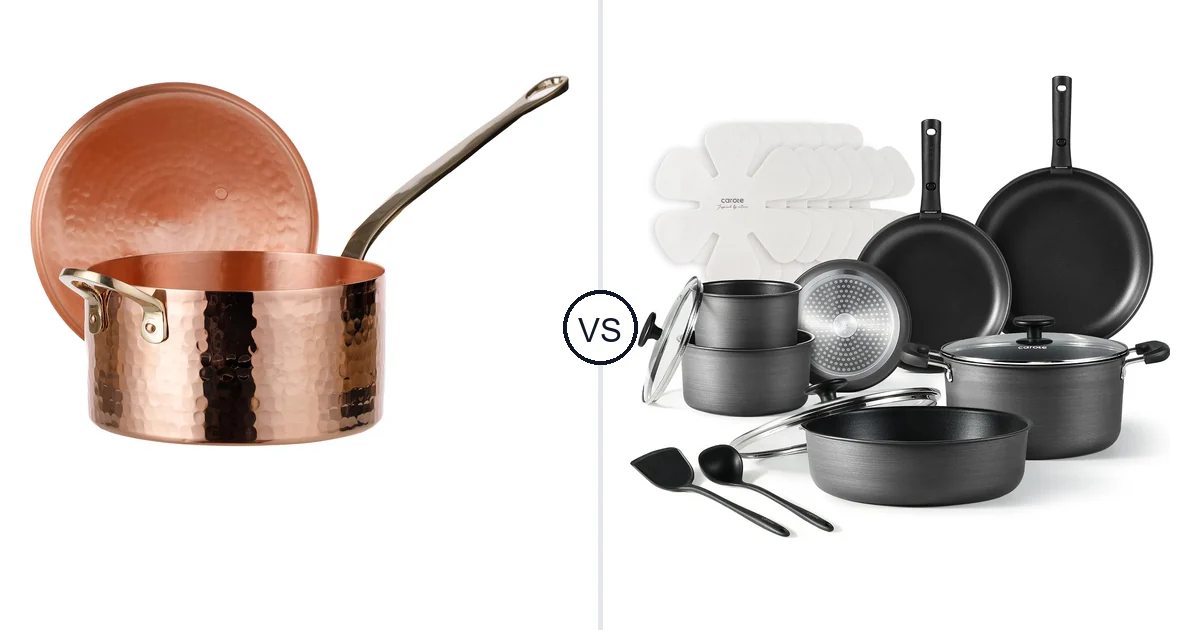
| Copper | Excessive exposure can cause toxicity. |
Choosing the right cookware is essential for bird safety. Always check the labels. Opt for stainless steel, ceramic, or glass instead.
Ventilation And Bird Health
Proper ventilation is crucial for the health of your pet bird. Good air circulation helps maintain a safe environment. It reduces harmful fumes that can arise from cooking and cleaning. Birds have sensitive respiratory systems. They can easily suffer from poor air quality.
Importance Of Air Circulation
Air circulation is essential for several reasons:
- Reduces stale air: Stale air can harbor toxins.
- Promotes fresh air: Fresh air supports bird health.
- Helps regulate temperature: Proper temperatures keep birds comfortable.
- Minimizes airborne irritants: Fewer irritants lead to healthier birds.
Reducing Fume Exposure
Fume exposure can harm birds. Here are ways to reduce it:
- Use safe cookware: Opt for non-toxic materials.
- Open windows: Allow fresh air to enter.
- Use exhaust fans: Fans help eliminate smoke and fumes.
- Cook outside: If possible, use a grill or outdoor stove.
Consider the following table for safe cookware options:
| Cookware Material | Safety for Birds |
|---|---|
| Stainless Steel | Safe |
| Cast Iron | Safe |
| Teflon | Not Safe |
| Aluminum | Use with caution |
Monitoring air quality is vital. Keep your bird’s living space healthy and safe.
Alternatives To Non-stick Pans
Choosing safe cookware is vital for your birds’ health. Non-stick pans can release harmful chemicals. Thankfully, there are great alternatives available. These options are eco-friendly and safe for your feathered friends.
Eco-friendly Solutions
Eco-friendly cookware helps protect the environment and your birds. Here are some popular choices:
- Cast Iron: Durable and retains heat well.
- Stainless Steel: Non-reactive and long-lasting.
- Ceramic Cookware: Safe and non-toxic coating.
- Glass Cookware: Non-toxic and easy to clean.
These materials provide safe cooking surfaces. They do not emit harmful fumes. They also minimize the risk of accidents.
Diy Non-stick Surfaces
Creating your own non-stick surfaces can be fun and easy. Here are some simple methods:
- Seasoning Cast Iron: Apply oil and heat it to create a natural non-stick surface.
- Using Baking Soda: Mix baking soda with water to form a paste. Use it to scrub your pans.
- Flaxseed Oil Coating: Coat your pans with flaxseed oil. Heat them in the oven to create a non-stick layer.
- Apple Cider Vinegar: Mix with water to clean pans naturally. It helps remove residue.
These DIY methods promote safety and sustainability. They keep your cookware bird-friendly and effective.

Credit: www.reddit.com
Cooking Techniques For Bird Safety
Cooking safely around your pet birds is essential. Certain techniques help keep them safe. Below are some key practices to follow.
Low-heat Cooking
Low-heat cooking is best for bird safety. High temperatures release harmful fumes. Use these methods:
- Simmering
- Steaming
- Sautéing on low
These techniques preserve nutrients and flavor. They also minimize risks for your feathered friends. Always monitor the cooking temperature. Aim for below 350°F (175°C).
Avoiding Aerosol Sprays
Aerosol sprays can be dangerous for birds. Many contain harmful chemicals. Instead, use these alternatives:
- Non-aerosol cooking oils
- Natural oils like olive or coconut
- Butter or margarine
Always apply oil directly to pans. This avoids airborne particles. Keep birds in a separate room while cooking. Make sure the area is well-ventilated.
Cleaning And Maintenance Of Cookware
Keeping cookware clean is crucial for your bird’s health. Safe cookware requires special care. Regular cleaning prevents harmful residue buildup. It ensures a safe cooking environment for your feathered friends.
Natural Cleaning Agents
Using natural cleaning agents is best for bird-safe cookware. Chemical cleaners can be harmful. Here are some effective natural options:
- Baking Soda: A great scrubbing agent.
- White Vinegar: Removes grease and disinfects.
- Lemon Juice: Acts as a natural bleach.
Mix these agents with water. Use a soft cloth to scrub cookware. Rinse thoroughly to remove all residues. Avoid using harsh chemicals or abrasive sponges.
Proper Storage Practices
Proper storage of cookware is essential for longevity. Follow these tips for safe storage:
- Store cookware in a dry area.
- Avoid stacking pots and pans to prevent scratches.
- Use cloths or paper towels between items.
Keep lids separate to prevent rust. Ensure cookware is completely dry before storing. This prevents bacteria growth and prolongs the life of your cookware.
Creating A Bird-friendly Kitchen
Designing a kitchen for your feathered friend is essential. A safe kitchen ensures your bird stays healthy and happy. Follow these tips to create a bird-friendly environment.
Safe Kitchen Layout
Arrange your kitchen to keep your bird safe. Here are some important tips:
- Keep cooking areas away from bird cages.
- Store hazardous items out of reach.
- Avoid using non-stick cookware. It can release harmful fumes.
Use stainless steel, glass, or ceramic cookware. These materials are safe. Make sure to check for any coatings that might be harmful.
Monitoring Your Bird During Cooking
Always keep an eye on your bird while cooking. Here’s how to monitor effectively:
- Place your bird’s cage in a safe spot.
- Use a playstand nearby for your bird.
- Engage your bird with toys or treats while you cook.
Be aware of your bird’s reactions. Signs of distress include:
- Flapping wings excessively
- Chirping loudly
- Hiding in corners
These signs indicate your bird feels unsafe. Stop cooking and check on your bird immediately.
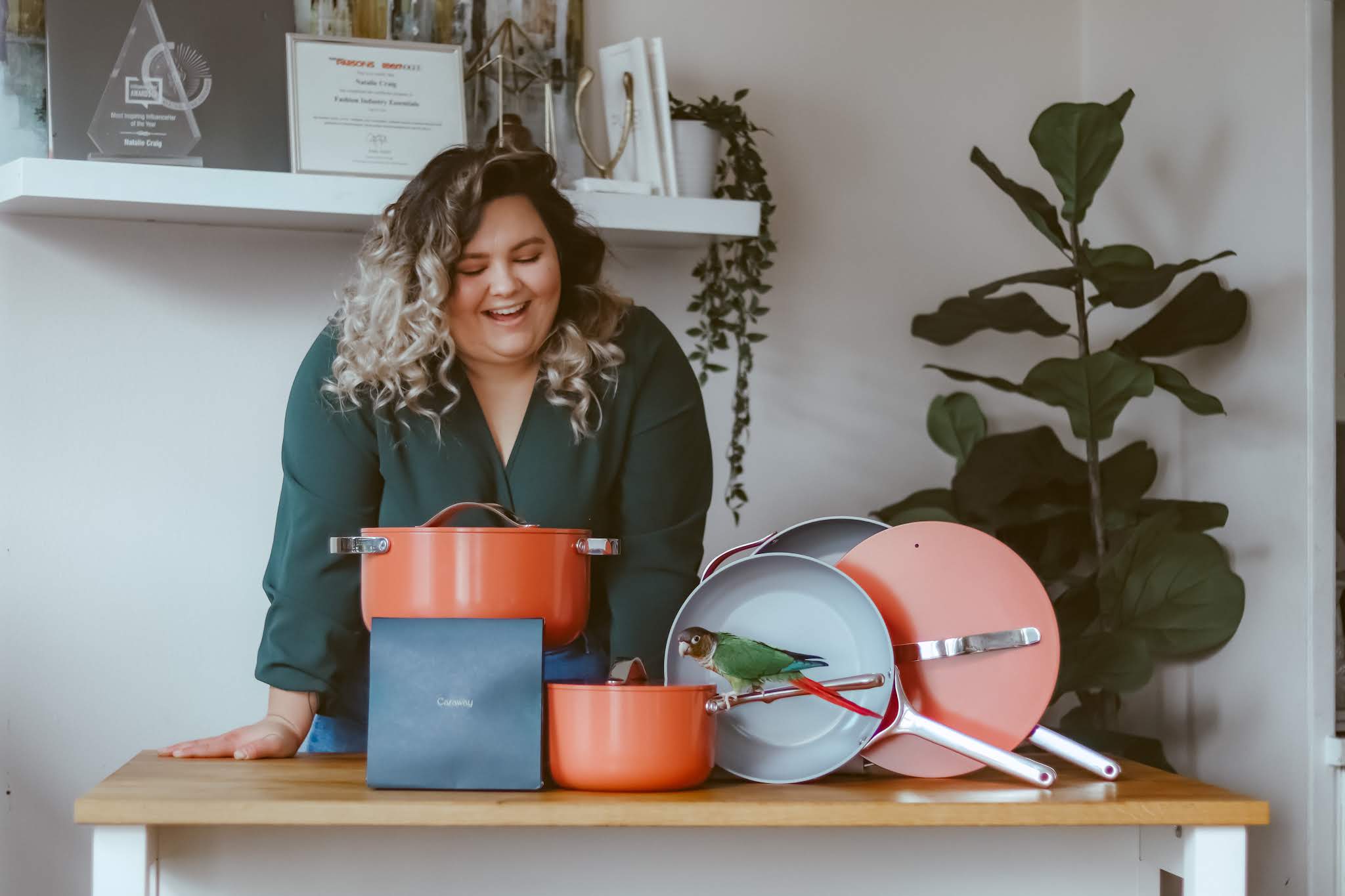
Credit: natalieinthecity.com
Frequently Asked Questions
What Cookware Is Safe For Birds?
Birds are sensitive to materials that release toxic fumes. Safe cookware includes stainless steel, cast iron, and ceramic. Avoid non-stick coatings, as they can emit harmful chemicals. Always ensure your cookware is free from scratches or damages that could release toxins.
Can I Use Aluminum Cookware For Birds?
Aluminum cookware is not recommended for birds. It can react with acidic foods, potentially releasing harmful substances. Instead, opt for safer alternatives like stainless steel or glass. Your bird’s health should always be a priority when choosing cookware materials.
Is Non-stick Cookware Harmful To Birds?
Yes, non-stick cookware can be dangerous for birds. The coatings can release toxic fumes when overheated. These fumes can lead to serious health issues or even death in birds. It’s best to avoid non-stick options entirely for the safety of your feathered friends.
How To Clean Bird-safe Cookware?
To clean bird-safe cookware, use mild soap and water. Avoid harsh chemicals or abrasive cleaners, as they can leave residues. Rinse thoroughly to remove any soap remnants. Always dry your cookware completely before using it again to ensure it’s safe for your birds.
Conclusion
Choosing safe cookware for your birds is essential for their health and well-being. Non-toxic materials like stainless steel and ceramic are excellent options. Always avoid harmful coatings and chemicals. By prioritizing safe cookware, you create a nurturing environment. Your feathered friends deserve the best for a happy and healthy life.

Leave a Reply