
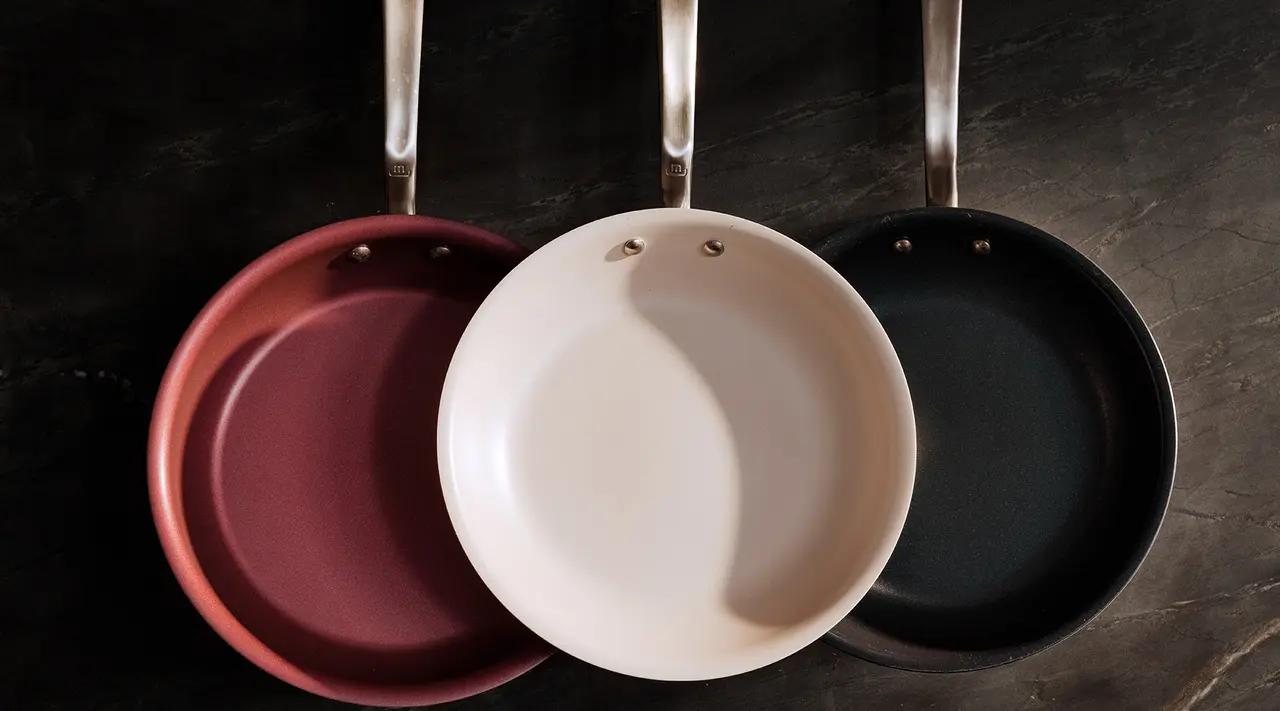
Non-stick cookware is generally not recyclable due to its coating materials. Most recycling facilities cannot process items with non-stick surfaces.
Non-stick cookware has become a staple in many kitchens, offering convenience and easy cleanup. The popularity of these pans stems from their ability to cook with less oil and prevent food from sticking. However, concerns about their environmental impact arise, especially when it comes to disposal.
Many non-stick cookware options are made with coatings that are not recyclable, posing challenges for eco-conscious consumers. Understanding the recyclability of non-stick cookware is essential for making informed choices about kitchen tools. This article explores the recyclability of non-stick cookware and offers tips on sustainable alternatives for environmentally friendly cooking.
The Rise Of Non-stick Cookware
Non-stick cookware has transformed cooking in homes worldwide. Its convenience appeals to busy cooks and food enthusiasts alike. The ability to cook with less oil makes it healthier. Clean-up becomes easy with non-stick surfaces. This cookware has gained immense popularity in modern kitchens.
Popularity In Modern Kitchens
Non-stick cookware is found in almost every kitchen today. Here are some reasons for its popularity:
- Easy food release
- Less oil needed for cooking
- Quick and easy cleaning
- Lightweight and easy to handle
Many people appreciate the time saved during meal preparation. Non-stick pans cook food evenly and reduce the risk of burning. They suit various cooking styles, from frying to baking.
Components And Construction
Understanding the materials in non-stick cookware is crucial. Most non-stick pans have a metal base coated with a non-stick layer. Common materials include:
| Material | Properties |
|---|---|
| Teflon | Durable, easy to clean |
| Ceramic | Non-toxic, eco-friendly |
| Cast Iron | Long-lasting, retains heat well |
Each material has unique benefits and drawbacks. Teflon is popular for its excellent non-stick properties. Ceramic offers a healthier option but may wear out faster.
Manufacturers use various coatings to enhance performance. These coatings affect cooking efficiency and longevity. Understanding these materials helps consumers make informed choices.
Environmental Impact Of Non-stick Surfaces
Non-stick cookware has become a staple in many kitchens. Its convenience makes cooking easier. Yet, the environmental impact is a concern. Understanding the production process and end-of-life considerations is vital.
Production Process
The production of non-stick cookware involves several steps. Manufacturers use a chemical called PTFE (polytetrafluoroethylene). This chemical creates the non-stick surface.
Here are key points about the production process:
- PTFE is derived from fossil fuels.
- Manufacturing emits greenhouse gases.
- Production uses significant energy and water resources.
These factors contribute to environmental degradation. Sustainable practices are needed in production.
End Of Life Considerations
Disposing of non-stick cookware poses challenges. Traditional recycling programs often do not accept it.
Here are options for disposal:
- Contact local recycling centers for guidance.
- Consider donating usable cookware.
- Use proper waste disposal methods for damaged items.
Recycling non-stick surfaces is complex. They often end up in landfills, contributing to pollution.
Some manufacturers now offer eco-friendly non-stick options. These alternatives may be more recyclable.
Choosing sustainable cookware can reduce environmental impact. Awareness of these issues promotes better choices.
Debunking Myths Around Non-stick Recycling
Many people wonder about the recyclability of non-stick cookware. Misunderstandings can lead to confusion. Let’s clear up these myths to understand the truth about recycling.
Common Misconceptions
- Myth 1: Non-stick pans cannot be recycled at all.
- Myth 2: All non-stick coatings are the same.
- Myth 3: Throwing non-stick cookware in the trash is better.
These misconceptions can mislead consumers. Many think non-stick pans are completely non-recyclable. This is not true. Some recycling programs can handle them. Understanding the materials is key.
Truth Behind Recycling Processes
Non-stick cookware often uses a coating made from polytetrafluoroethylene (PTFE). This material can complicate recycling. However, some facilities process these items effectively.
| Material | Recyclable? | Comments |
|---|---|---|
| PTFE | Yes, in some areas | Check local guidelines. |
| Aluminum | Yes | Commonly accepted in most programs. |
| Steel | Yes | Check with local recycling centers. |
It’s essential to check local recycling regulations. Some places accept non-stick cookware, while others do not. Always contact your local recycling program.
By debunking myths and understanding the recycling process, you can make informed choices. This helps the environment and promotes responsible disposal.

Credit: www.instagram.com
Challenges In Recycling Non-stick Pans
Recycling non-stick pans presents various challenges. These issues stem from the materials used and the processes involved. Understanding these challenges helps consumers make informed choices.
Material Complexity
Non-stick cookware often contains multiple layers. These layers include metals and non-stick coatings. Common materials include:
- Aluminum – Lightweight and conductive.
- Stainless Steel – Durable and resistant to rust.
- Teflon – The most common non-stick coating.
Each material requires different recycling methods. This complexity makes it hard to recycle non-stick pans effectively.
Separation And Recovery
Separating materials in non-stick cookware is challenging. Most recycling facilities lack the equipment for this. As a result, many pans end up in landfills.
Recovery rates for non-stick pans are often low. Below are some reasons:
- Pans are usually mixed with other materials.
- Non-stick coatings can release harmful chemicals.
- Facilities might not accept non-stick items.
Recycling processes become inefficient due to these factors. Consumers should consider alternatives to reduce waste.
Alternatives To Non-stick Cookware
Many people seek alternatives to non-stick cookware. Health concerns and environmental impact drive this interest. Several options provide effective cooking without harmful chemicals.
Eco-friendly Options
Consider these eco-friendly cookware alternatives:
- Cast Iron: Durable and long-lasting. Develops a natural non-stick surface.
- Stainless Steel: Safe and non-reactive. Great for browning and searing.
- Ceramic Cookware: Non-toxic and easy to clean. Offers good heat distribution.
- Glass Cookware: Non-reactive and microwave-safe. Ideal for baking and storage.
- Silicone Bakeware: Flexible and easy to use. Great for baking without sticking.
Pros And Cons
| Cookware Type | Pros | Cons |
|---|---|---|
| Cast Iron | Durable, naturally non-stick, retains heat well | Heavy, requires seasoning, can rust |
| Stainless Steel | Non-reactive, dishwasher safe, long-lasting | Food can stick, poor heat conductivity |
| Ceramic Cookware | Non-toxic, easy to clean, good heat distribution | Can chip, less durable than cast iron |
| Glass Cookware | Non-reactive, microwave safe, versatile | Breakable, not suitable for stovetop cooking |
| Silicone Bakeware | Flexible, easy to store, non-stick | Can warp, not suitable for high heat |

Credit: www.amazon.com
Proper Disposal Of Non-stick Cookware
Disposing of non-stick cookware requires careful consideration. Many people wonder if it can be recycled. Most non-stick pans contain materials that complicate recycling. Knowing how to dispose of them properly helps the environment.
Local Recycling Programs
Some local recycling programs accept non-stick cookware. Check with your local waste management authority. They often have guidelines for recycling kitchen items.
- Contact your local recycling center.
- Inquire about non-stick cookware policies.
- Ask about drop-off locations.
Specialized Recycling Centers
Specialized recycling centers focus on specific materials. Some of these centers accept non-stick cookware. They can handle the unique materials in these items.
| Center Name | Location | Materials Accepted |
|---|---|---|
| GreenEarth Recycling | City A | Metal, Plastic, Non-stick Cookware |
| Eco-Friendly Disposal | City B | Glass, Cookware, Electronics |
| SafeRecycle | City C | Non-stick Cookware, Cardboard, Plastics |
Find a specialized recycling center near you. They can provide the best options for disposal.
The Future Of Cookware Sustainability
The cookware industry is evolving. Consumers demand eco-friendly options. Non-stick cookware faces scrutiny for its recyclability. Innovations are emerging to create sustainable solutions.
Innovations In Recyclable Materials
New materials are changing the landscape of cookware. Companies explore safer, recyclable options. Some innovations include:
- Biodegradable coatings: These coatings break down naturally.
- Recycled metals: Cookware made from recycled aluminum or stainless steel.
- Plant-based materials: Using materials derived from plants.
These innovations aim to reduce environmental impact. They offer effective alternatives to traditional non-stick coatings.
Industry Shifts
The cookware industry is shifting towards sustainability. Major brands adopt eco-friendly practices. Some key trends include:
- Increased use of recyclable materials.
- Transparent supply chains to ensure eco-friendly sourcing.
- Focus on durability to extend product life.
Consumers support brands that prioritize sustainability. This trend drives innovation in cookware design.
As more companies embrace sustainable practices, the future looks promising. The cookware industry is set to change for the better.
How Consumers Can Make A Difference
Consumers have power. Every choice impacts the environment. Understanding non-stick cookware can help. Here are ways to make a difference.
Buying Decisions
Choosing the right cookware is crucial. Here are key factors:
- Material Matters: Select stainless steel or cast iron.
- Look for Certifications: Choose eco-friendly brands.
- Quality Over Quantity: Invest in durable cookware.
Research brands before buying. Check for recycling programs. Some brands offer take-back options. This helps keep cookware out of landfills.
Advocating For Change
Consumers can push for better practices. Here are ways to advocate:
- Share Knowledge: Educate friends and family.
- Support Sustainable Brands: Promote eco-friendly companies.
- Contact Manufacturers: Ask about recycling options.
Join community groups focused on sustainability. Participate in local events. Every action counts in promoting better cookware choices.
:max_bytes(150000):strip_icc()/old-cast-iron-pan-getty-0519-d6f2ef505bae4a84b9c8adc80ffb8486.jpg)
Credit: www.marthastewart.com
Frequently Asked Questions
Is Non-stick Cookware Safe For The Environment?
Non-stick cookware is not entirely safe for the environment. Most non-stick coatings are made from polytetrafluoroethylene (PTFE) and perfluorooctanoic acid (PFOA). These chemicals can release harmful substances when heated. However, some brands offer eco-friendly options. Always check for certifications to ensure safety for both you and the planet.
Can I Recycle Non-stick Cookware?
Recycling non-stick cookware can be challenging. Many recycling facilities do not accept it due to the coating materials. However, some specialized recycling programs can handle non-stick items. It’s best to check local guidelines or contact recycling centers for specific instructions on disposal.
How Long Does Non-stick Cookware Last?
The lifespan of non-stick cookware varies by usage and care. Generally, with proper maintenance, it can last between 3 to 5 years. Avoid using metal utensils, which can scratch the surface. Regularly inspect for wear and tear to determine when it needs replacement.
What Are Eco-friendly Alternatives To Non-stick Cookware?
Eco-friendly alternatives include cast iron, stainless steel, and ceramic cookware. These materials do not have harmful coatings and are durable. They also offer excellent heat retention and cooking performance. Investing in these options can benefit your health and the environment.
Conclusion
Non-stick cookware presents a challenge for recyclability. Many materials used in these products are not easily recyclable. To minimize environmental impact, consider alternatives like stainless steel or cast iron. Always check local recycling guidelines. Making informed choices helps reduce waste and promotes sustainability in your kitchen.
Every small step counts.

Leave a Reply