
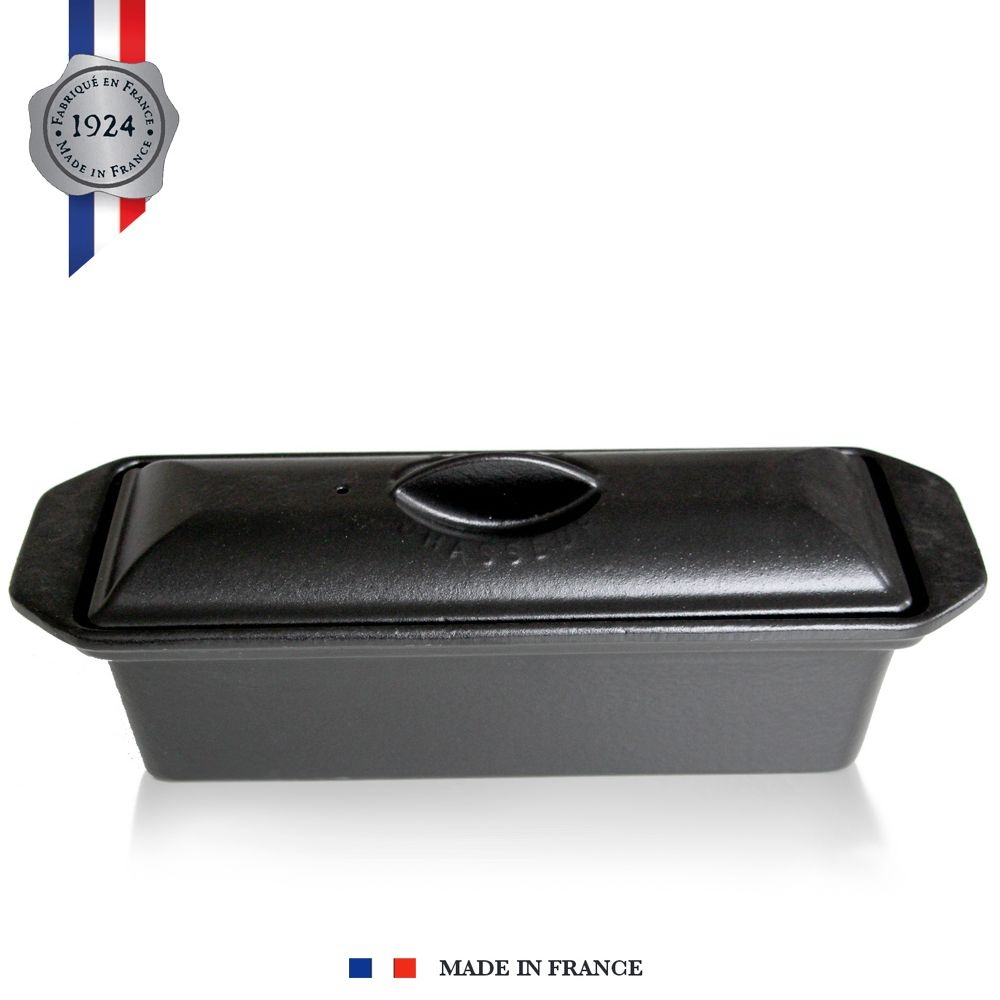
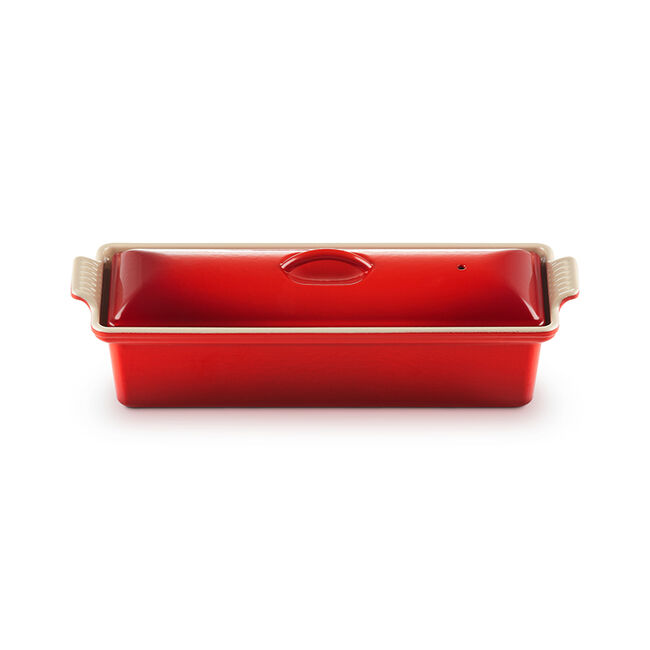
Terrine cookware is a specialized dish designed for making terrines, pâtés, and other molded dishes. It often features a tight-fitting lid and is typically made from ceramic, glass, or metal.
Terrine cookware serves both functional and aesthetic purposes in the kitchen. This versatile dish allows chefs to create beautifully layered recipes that can be served straight from the mold. Terrines can be savory or sweet, often showcasing rich flavors and vibrant colors.
These cookware pieces are usually designed to retain heat evenly, ensuring consistent cooking results. With a variety of styles and sizes available, terrine cookware can enhance any culinary experience. Using high-quality materials, these dishes not only perform well but also present beautifully on the table, making them a favorite for entertaining.
Credit: www.chasseur-brandshop.com
Introduction To Terrine Cookware
Terrine cookware is a unique kitchen tool. It helps create delicious, layered dishes. This cookware is perfect for making terrines, pâtés, and more. Understanding terrine cookware can elevate your culinary skills.
The Basics Of Terrine
A terrine is a dish made by cooking ingredients in a mold. The mold is usually ceramic or metal. It gives the dish its shape. Here are some key points about terrine:
- Material: Terrines can be made of ceramic, glass, or metal.
- Shape: They are often rectangular or oval.
- Cooking method: They can be baked in a water bath.
- Versatility: Use for meats, vegetables, or desserts.
Terrines are often served chilled or at room temperature. They showcase beautiful layers of ingredients. They are ideal for special occasions or family dinners.
Why Terrine Belongs In Your Kitchen
Every kitchen can benefit from having a terrine. Here are some reasons why:
- Creative cooking: Make unique dishes that impress guests.
- Flavor infusion: Layers allow flavors to blend well.
- Presentation: Beautifully shaped dishes add elegance.
- Meal prep: Cook ahead and store in the fridge.
Investing in terrine cookware opens up new cooking possibilities. It encourages experimentation with different ingredients. Make your meals more exciting and delicious.
Choosing The Right Terrine Mold
Choosing the perfect terrine mold is essential for successful cooking. The right mold can enhance flavors and improve presentation. Consider material, size, and shape for the best results.
Material Matters: Cast Iron Vs. Ceramic
When selecting a terrine mold, material plays a crucial role. Here are the key differences between cast iron and ceramic:
| Material | Advantages | Disadvantages |
|---|---|---|
| Cast Iron |
|
|
| Ceramic |
|
|
Size And Shape Considerations
The size and shape of your terrine mold affect cooking time and presentation. Here are some tips:
- Choose the right size: Ensure the mold fits your recipe.
- Consider the shape: Rectangular molds are traditional, while oval molds offer a unique look.
- Match your serving needs: Select a size based on portion sizes.
Common sizes include:
- Small (1-2 cups): Great for appetizers.
- Medium (3-5 cups): Perfect for family meals.
- Large (6 cups or more): Ideal for gatherings.
Choosing the right terrine mold ensures delicious dishes and beautiful presentations.
Prepping Your Terrine
Prepping your terrine is essential for great flavor and texture. Proper preparation enhances the dish’s taste and presentation. Follow these simple steps to ensure your terrine is perfect.
Seasoning Your Mold
Seasoning your mold prevents sticking and adds flavor. Here’s how to do it:
- Choose a non-stick terrine mold.
- Brush the inside with melted butter or oil.
- Sprinkle a thin layer of salt evenly.
- Optionally, line the mold with parchment paper.
Using these techniques helps your terrine release easily. This step is crucial for a smooth presentation.
Layering Ingredients For Optimal Flavor
Layering ingredients creates depth in flavor. Follow these tips for the best results:
- Start with a flavorful base like seasoned meats.
- Add vegetables for texture and color.
- Include herbs and spices for extra taste.
- Finish with a layer of rich fat, like bacon.
Use a table to track your layers:
| Layer Number | Ingredient | Purpose |
|---|---|---|
| 1 | Ground Meat | Base flavor |
| 2 | Vegetables | Texture and color |
| 3 | Herbs | Enhanced taste |
| 4 | Bacon | Richness |
Layering thoughtfully boosts the overall taste of your terrine. Enjoy experimenting with different combinations.

Credit: en.wikipedia.org
Cooking Techniques For Perfect Terrines
Creating a perfect terrine requires precise techniques. Understanding temperature and time is crucial. The right methods ensure a smooth texture and rich flavor.
Temperature And Time Tips
Temperature control is key in terrine cooking. Here are essential tips:
- Preheat your oven to 325°F (160°C).
- Use a food thermometer to check internal temperature.
- Cook until the center reaches 150°F (65°C).
- Let terrines rest for better flavor.
Timing also affects the final product. Follow these guidelines:
- Small terrines take about 45-60 minutes.
- Medium-sized terrines need 1-1.5 hours.
- Large terrines may take up to 2 hours.
Water Bath Method Explained
The water bath method helps cook terrines evenly. It prevents direct heat from drying out the dish.
Here’s how to use the water bath:
- Fill a large baking dish with hot water.
- Place your terrine mold inside the water bath.
- Ensure the water reaches halfway up the sides of the mold.
- Cover the terrine with foil to trap moisture.
This method leads to a creamy texture. It also enhances flavors by cooking slowly. Follow these steps for best results.
Creative Terrine Recipes To Try
Terrine cookware opens doors to delicious and unique dishes. Explore these creative recipes that showcase the versatility of terrines. Impress your family and friends with these delightful options.
Classic Meat Terrine
This traditional dish is rich in flavor and perfect for gatherings. Use a variety of meats for a unique taste. Follow this simple recipe:
- Ingredients:
- 500g minced pork
- 250g minced beef
- 100g bacon, diced
- 2 eggs
- 1 onion, chopped
- 2 cloves garlic, minced
- 1 tsp thyme
- Salt and pepper to taste
- Instructions:
- Preheat the oven to 180°C (350°F).
- In a bowl, combine all ingredients.
- Mix until well blended.
- Transfer the mixture into a greased terrine mold.
- Cover with foil and place in a water bath.
- Bake for 1 hour or until cooked through.
- Let it cool before serving.
Vegetarian And Vegan Options
Terrines aren’t just for meat lovers. Create tasty vegetarian and vegan terrines. Here’s a wonderful recipe:
- Ingredients:
- 1 cup cooked lentils
- 1 cup grated carrots
- 1 cup chopped spinach
- 1/2 cup walnuts, chopped
- 2 tbsp olive oil
- 1 tsp cumin
- Salt and pepper to taste
- Instructions:
- Preheat the oven to 180°C (350°F).
- Mix all ingredients in a large bowl.
- Press the mixture into a greased terrine mold.
- Bake for 40 minutes.
- Cool and refrigerate for a few hours.
- Slice and serve with a fresh salad.
These terrine recipes are easy to make. They bring excitement to your dining table. Enjoy the variety and flavors!
Credit: www.lecreuset.com
Serving And Presentation
Terrine cookware elevates your dining experience. Proper serving and presentation make a big difference. A well-presented terrine not only looks appealing but also enhances flavor anticipation.
Unmolding Without A Hitch
Unmolding your terrine can be simple. Follow these steps for a smooth process:
- Chill the terrine in the refrigerator for a few hours.
- Run a knife around the edges to loosen it.
- Place a plate on top and flip it upside down.
- Gently tap the bottom to release the terrine.
Ensure the terrine is firm enough. A well-chilled terrine unmolds easily. For extra help, use parchment paper in the mold.
Accompaniments And Garnishes
Enhance your terrine with tasty accompaniments. Pair it with:
- Fresh bread or crackers
- Pickles and olives
- Salads with vinaigrette
- Fruit chutneys or compotes
Garnishes add beauty and flavor. Consider these options:
| Garnish | Flavor Profile |
|---|---|
| Herbs (like parsley or chives) | Fresh and vibrant |
| Edible flowers | Colorful and unique |
| Microgreens | Earthy and crunchy |
Use a drizzle of sauce or oil for extra flair. These elements make your terrine visually stunning and delicious. Enjoy every bite!
Care And Maintenance Of Terrine Cookware
Proper care and maintenance of your terrine cookware ensure its longevity and performance. Following simple cleaning techniques and storage solutions keeps your terrine in great shape. This guide helps you maintain your terrine mold effectively.
Cleaning Your Terrine Mold
Cleaning your terrine mold is essential to maintain its quality. Follow these steps for effective cleaning:
- Let the mold cool down before cleaning.
- Use warm water and mild soap.
- Soak for a few minutes if food sticks.
- Use a soft sponge or cloth.
- Avoid abrasive cleaners to protect the surface.
After washing, rinse thoroughly. Dry the mold completely with a soft towel. If your mold is made of ceramic or glass, check for any chips or cracks. Regular inspection helps prevent further damage.
Storage Solutions For Longevity
Proper storage of your terrine cookware can extend its life. Consider these tips:
- Store in a cool, dry place.
- Use a soft cloth or paper between molds to avoid scratches.
- Avoid stacking heavy items on top of your terrine.
- Keep away from direct sunlight to prevent fading.
| Storage Tip | Description |
|---|---|
| Cool, Dry Place | Prevents moisture buildup and keeps mold safe. |
| Soft Cloth | Protects surfaces from scratches during storage. |
| Avoid Heavy Stacking | Prevents warping and damage to the mold. |
| No Direct Sunlight | Prevents fading and deterioration of material. |
These simple care and storage methods keep your terrine cookware looking new. Enjoy your cooking adventures with well-maintained tools!
Expanding Your Culinary Horizons
Terrine cookware opens doors to new cooking experiences. This versatile tool allows chefs to explore flavors and textures. With terrines, you can create stunning dishes that impress guests. Let’s dive into advanced techniques and wine pairings.
Advanced Terrine Techniques
Mastering terrine techniques elevates your culinary skills. Here are some advanced methods to try:
- Layering Flavors: Use different ingredients for each layer. This adds depth to your dish.
- Using Gelatin: Incorporate gelatin for a firmer texture. This helps your terrine hold its shape.
- Smoking Ingredients: Infuse smoky flavors. Use a stovetop smoker for great results.
- Vegetarian Terrines: Experiment with vegetables and grains. Create colorful and healthy options.
| Technique | Description |
|---|---|
| Layering Flavors | Different ingredients in each layer enhance taste. |
| Using Gelatin | Creates a firmer texture, keeping shape intact. |
| Smoking Ingredients | Adds a rich, smoky flavor to your terrine. |
| Vegetarian Terrines | Healthy and colorful options using vegetables and grains. |
Pairing Wines With Terrines
Choosing the right wine enhances your terrine experience. Here are some pairing suggestions:
- Chicken Terrine: Pair with Chardonnay. Its richness complements the dish.
- Duck Terrine: Opt for Pinot Noir. The fruitiness balances the flavors.
- Vegetable Terrine: Sauvignon Blanc works well. Its acidity brightens the meal.
- Seafood Terrine: Choose a dry Riesling. It adds a refreshing touch.
Experiment with these pairings. Each wine brings out unique flavors in your terrine. Enjoy the journey of expanding your culinary horizons!
Frequently Asked Questions
What Is Terrine Cookware Used For?
Terrine cookware is primarily designed for making terrines, a type of dish that combines meat, fish, or vegetables. It allows for even cooking and helps to retain moisture. Many cooks also use it for baking, pâté, and even desserts, making it a versatile kitchen essential.
How Do I Clean Terrine Cookware?
Cleaning terrine cookware is straightforward. Most models are dishwasher-safe, but hand washing is often recommended. Use warm soapy water and a soft sponge to avoid scratches. For stubborn stains, a baking soda paste can be effective. Always dry it thoroughly to prevent moisture buildup.
Can I Use Terrine Cookware In The Oven?
Yes, terrine cookware is oven-safe. Most terrines can withstand high temperatures, making them ideal for baking and roasting. Ensure to check the manufacturer’s guidelines for specific temperature limits. Using it in the oven helps achieve a perfect texture for your dishes.
Is Terrine Cookware Non-stick?
Terrine cookware is available in both non-stick and traditional materials. Non-stick options facilitate easy food release and cleaning. However, traditional ceramic or stoneware provides excellent heat distribution. Choose according to your cooking style and preferences for optimal results.
Conclusion
Terrine cookware offers versatility and style for any kitchen. It excels in preparing savory dishes and desserts alike. With various materials and designs available, you can find the perfect fit for your culinary needs. Embrace the art of terrine cooking and elevate your dining experience with this essential kitchen tool.

Leave a Reply