
Titanium cookware is known for its durability and resistance to corrosion. It offers a non-reactive surface, making it a safe choice for cooking.
Titanium cookware has gained popularity among home cooks and professional chefs alike. Its unique properties make it a favorite for those seeking a long-lasting, reliable option in their kitchens. This type of cookware is lightweight yet strong, making it easy to handle.
It heats evenly, ensuring that food cooks uniformly. Importantly, titanium is non-toxic, which means it won’t leach harmful chemicals into your food. With a non-stick surface, cooking and cleaning become hassle-free. Many chefs appreciate how titanium cookware can withstand high temperatures without warping. Understanding the benefits of titanium cookware can help you decide if it’s the right choice for your culinary needs.
Titanium Cookware Popularity
Titanium cookware has gained significant traction in recent years. Many consumers seek healthier cooking options. They prefer materials that are safe and durable. This trend has boosted titanium’s popularity in the kitchen.
Rise In Health-conscious Consumers
Health-conscious consumers are driving the demand for titanium cookware. They prioritize non-toxic and safe cooking materials. Titanium cookware offers several benefits:
- Non-reactive: It doesn’t react with food.
- Durable: It lasts longer than traditional cookware.
- Lightweight: Easy to handle and store.
- Non-stick properties: Reduces the need for oils.
Many people want to avoid harmful chemicals. Titanium cookware is free from harmful substances. This makes it a popular choice for families and health enthusiasts.
Shift Towards Lightweight Materials
Consumers favor lightweight materials in cookware. Titanium is much lighter than stainless steel or cast iron. This shift offers several advantages:
- Easy to lift and maneuver.
- Ideal for camping and outdoor cooking.
- Less strain on wrists and arms.
Lightweight cookware simplifies cooking for everyone. It appeals to busy parents and outdoor adventurers. Titanium cookware meets these needs perfectly.
Myths Surrounding Titanium Cookware
Titanium cookware has gained popularity, but many myths exist. Understanding these myths helps consumers make informed choices. Let’s debunk some common misconceptions about titanium cookware.
Myth: Completely Made Of Titanium
Many people believe titanium cookware is made entirely from titanium. This is not true. Most titanium cookware is a blend of materials. It often features a core of aluminum or stainless steel, coated with titanium.
- Benefits of titanium coating:
- Durable and scratch-resistant
- Non-stick surface
- Lightweight and easy to handle
- Core materials:
- Aluminum offers excellent heat conduction.
- Stainless steel provides strength and durability.
Myth: Indestructible Kitchenware
Another common myth is that titanium cookware is indestructible. While it is strong, it can still be damaged. Scratches can occur, especially on non-stick surfaces.
- Use wooden or silicone utensils to avoid scratches.
- Avoid high heat settings to prevent warping.
- Clean carefully to maintain the surface.
Understanding these myths helps you choose the right cookware. Titanium cookware has benefits, but it also requires proper care.
Key Benefits Of Titanium Cookware
Titanium cookware offers several advantages that make it a great choice for cooking enthusiasts. Its unique properties enhance cooking performance and ensure safety. Here are some key benefits of titanium cookware.
Exceptional Durability
Titanium cookware is known for its strength and long-lasting nature. It can withstand high temperatures without warping or scratching. This durability leads to:
- Long Lifespan: Titanium cookware lasts many years.
- Scratch Resistance: It resists scratches from utensils.
- Corrosion Resistance: It does not rust or corrode easily.
This means you spend less on replacements. You can trust titanium cookware to perform well over time.
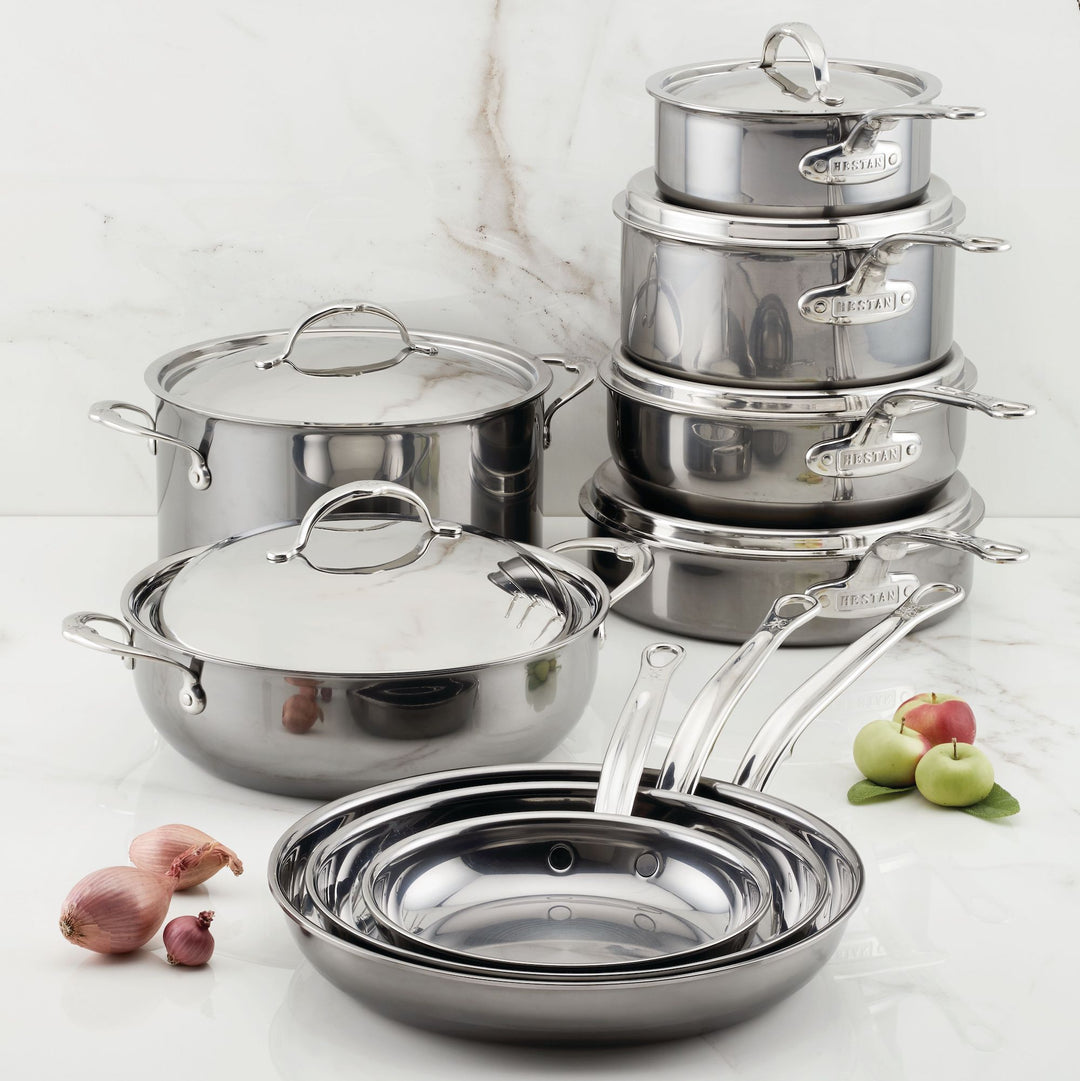
Non-reactive And Safe For Food
Titanium is a non-reactive metal. This property ensures that your food stays safe and healthy. Here are some reasons why this matters:
- No Chemical Leaching: It does not release harmful chemicals.
- Flavor Preservation: It does not alter the taste of food.
- Easy to Clean: Food does not stick easily, making cleanup simple.
Using titanium cookware keeps your meals tasty and safe. Enjoy cooking without worrying about harmful reactions.
Credit: hestanculinary.com
Analyzing The Safety Of Titanium Cookware
Many people wonder about the safety of using titanium cookware. This section explores important safety aspects. We will address common concerns and provide facts.
Toxicity Concerns Debunked
Some worry about the toxicity of titanium cookware. It is essential to know that titanium is generally safe for cooking.
- Titanium is non-toxic and biocompatible.
- It does not leach harmful chemicals into food.
- No evidence shows titanium cookware poses health risks.
Many studies confirm titanium’s safety in cookware. It is a stable metal that does not react with food.
Fda’s Stance On Titanium In Cookware
The FDA has specific guidelines for cookware safety. They approve titanium for cooking use.
| Material | FDA Approval | Common Uses |
|---|---|---|
| Titanium | Approved | Cookware, medical devices, implants |
| Aluminum | Approved with limitations | Cookware, packaging |
| Stainless Steel | Approved | Cookware, utensils |
The FDA recognizes titanium’s safety in cookware. Using titanium pots and pans can be a healthy choice.
Understanding the safety of titanium cookware helps consumers make informed decisions. Trust in titanium’s long-lasting and safe cooking capabilities.
Comparing Titanium With Other Cookware Materials
Choosing the right cookware is important for every kitchen. Different materials offer unique benefits. This section compares titanium with stainless steel and cast iron. Each material has strengths and weaknesses.
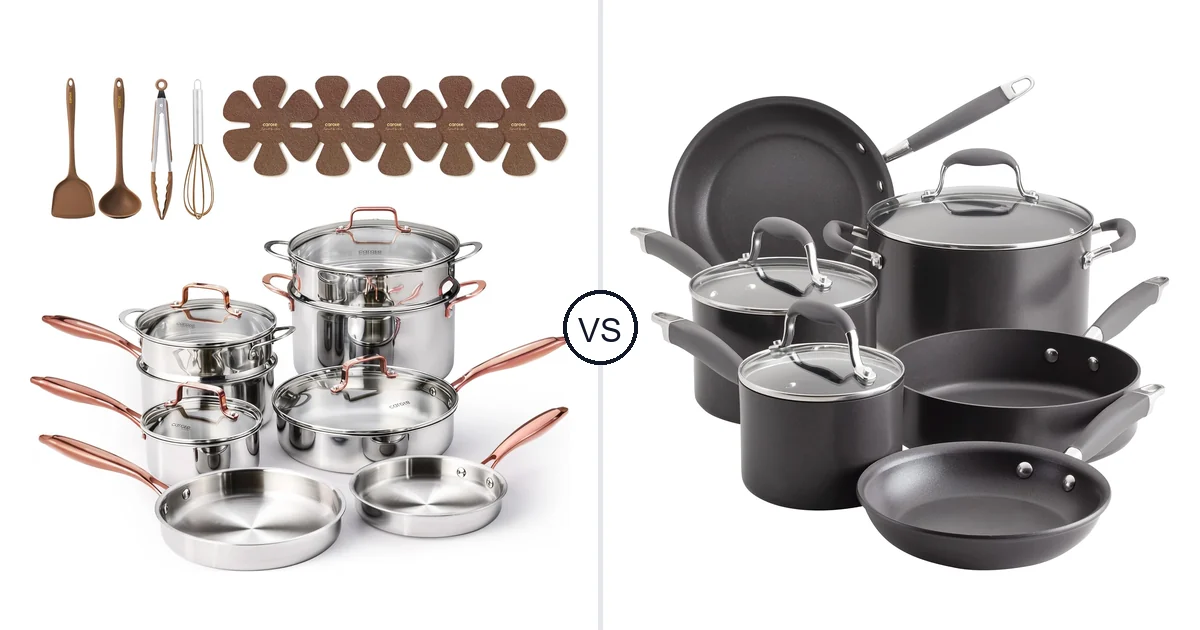
Titanium Vs. Stainless Steel
Titanium and stainless steel are popular cookware choices. Here’s how they compare:
| Feature | Titanium | Stainless Steel |
|---|---|---|
| Weight | Lightweight | Heavier |
| Durability | Highly durable | Durable but can dent |
| Reactivity | Non-reactive | Reacts with acidic foods |
| Heat Conductivity | Poor conductor | Good conductor |
| Maintenance | Easy to clean | Requires special care |
Titanium is lightweight and easy to handle. It is also highly durable. Stainless steel offers good heat conduction. It can react with acidic foods, changing their taste. For low weight and durability, choose titanium.
Titanium Vs. Cast Iron
Cast iron cookware is known for its heat retention. Here’s how titanium stacks up against it:
| Feature | Titanium | Cast Iron |
|---|---|---|
| Weight | Lightweight | Heavy |
| Heat Retention | Poor | Excellent |
| Cooking Surface | Non-stick options available | Requires seasoning |
| Versatility | Good for various dishes | Best for slow cooking |
| Maintenance | Easy to clean | More maintenance needed |
Titanium is much lighter than cast iron. It does not retain heat as well. Cast iron is perfect for slow cooking and frying. It requires more maintenance compared to titanium. For ease of use, titanium is the better option.

Credit: therationalkitchen.com
Fact Check: Titanium Cookware’s Heat Conductivity
Titanium cookware is popular among chefs and home cooks. Many claim it has great heat conductivity. Let’s explore the facts behind this claim.
Myth Vs. Reality Of Heat Distribution
A common myth is that titanium cookware heats evenly. In reality, titanium is not a great conductor of heat.
Here’s a quick comparison:
| Material | Heat Conductivity (W/mK) |
|---|---|
| Aluminum | 205 |
| Copper | 398 |
| Stainless Steel | 16 |
| Titanium | 22 |
This table shows titanium has lower heat conductivity than other materials.
How It Affects Cooking Performance
The lower conductivity affects cooking performance. Here’s what to know:
- Uneven heating may cause hot spots.
- Foods may cook differently on titanium surfaces.
- Longer cooking times might be necessary.
Chefs often prefer materials with better conductivity. Aluminum and copper pans heat quickly and evenly.
For best results, consider combining materials. Titanium cookware may work well with aluminum or copper bases.
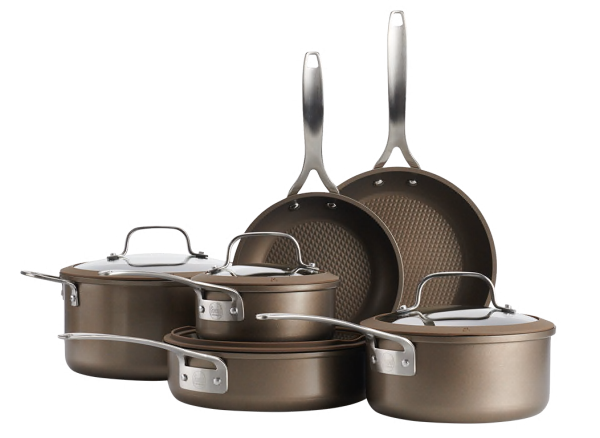
Maintenance And Care For Titanium Cookware
Proper maintenance and care can extend the life of your titanium cookware. Following simple practices keeps your pans looking new. Enjoy cooking with minimal hassle!
Cleaning Best Practices
Cleaning titanium cookware is easy and straightforward. Here are some best practices:
- Hand wash: Use warm, soapy water and a soft sponge.
- Avoid abrasive cleaners: Do not use steel wool or harsh chemicals.
- Dry immediately: Wipe with a soft cloth to prevent water spots.
- Use baking soda: For tough stains, make a paste with water.
Following these practices helps maintain the cookware’s non-stick surface.
Longevity Tips
To ensure your titanium cookware lasts, consider these longevity tips:
- Use low to medium heat: High heat can damage the surface.
- Use wooden or silicone utensils: Prevent scratches and damage.
- Store carefully: Stack with cloth or paper between pans.
- Avoid sudden temperature changes: Prevent warping by not immersing hot pans in cold water.
Implementing these tips ensures your cookware remains in excellent condition for years.
Credit: www.consumerreports.org
The Cost-effectiveness Of Investing In Titanium Cookware
Titanium cookware offers a blend of durability and performance. Many people wonder about its cost-effectiveness. Understanding the initial costs and long-term value helps in making informed decisions.
Initial Costs Vs. Long-term Value
Titanium cookware often comes with a higher price tag. However, this investment pays off over time.
- Durability: Titanium cookware lasts longer than traditional options.
- Non-Stick Properties: Food releases easily, reducing the need for oil.
- Heat Distribution: Cooks food evenly, saving energy.
Consider the following table showing cost comparisons:
| Cookware Type | Initial Cost | Expected Lifespan | Annual Cost (over lifespan) |
|---|---|---|---|
| Stainless Steel | $100 | 10 years | $10 |
| Non-Stick | $80 | 3 years | $26.67 |
| Titanium | $150 | 20 years | $7.50 |
Titanium cookware shows a lower annual cost. This makes it a smart choice for long-term savings.
Resale Value And Sustainability
Titanium cookware holds its value well in the resale market. Many buyers appreciate its durability and performance.
- High Demand: Many people seek used titanium cookware.
- Eco-Friendly: Titanium is recyclable, reducing waste.
- Longevity: High-quality materials lead to less frequent replacements.
Investing in titanium cookware benefits both your wallet and the planet. It is a sustainable choice for eco-conscious consumers.
Frequently Asked Questions
Is Titanium Cookware Safe To Use?
Yes, titanium cookware is considered safe for cooking. It is non-reactive and does not leach harmful chemicals into food. Additionally, titanium is a durable material that resists corrosion and wear, making it a long-lasting option for your kitchen. This makes it suitable for various cooking methods.
Does Titanium Cookware Have Non-stick Properties?
Titanium cookware often features a non-stick coating. This enhances its cooking performance and makes it easier to clean. However, it’s important to check the specific product details, as not all titanium cookware is non-stick. Proper care will help maintain its non-stick qualities over time.
How Does Titanium Cookware Compare To Stainless Steel?
Titanium cookware is lighter than stainless steel, offering easier handling. It heats evenly and is resistant to scratches, making it durable. However, stainless steel is generally better for high-heat cooking and browning. Ultimately, the choice depends on your cooking style and preferences.
Can I Use Metal Utensils On Titanium Cookware?
It is not recommended to use metal utensils on titanium cookware with a non-stick coating. Metal utensils can scratch the surface and damage the coating. Instead, opt for wooden or silicone utensils to prolong the life of your cookware. This will help maintain its performance and appearance.
Conclusion
Titanium cookware offers durability and excellent heat conduction. It’s lightweight, making it easy to handle. Many users appreciate its non-reactive surface, which is great for cooking a variety of foods. While it may come at a higher price, the long-term benefits can outweigh the initial investment.
Consider your cooking needs before making a choice.

Leave a Reply