
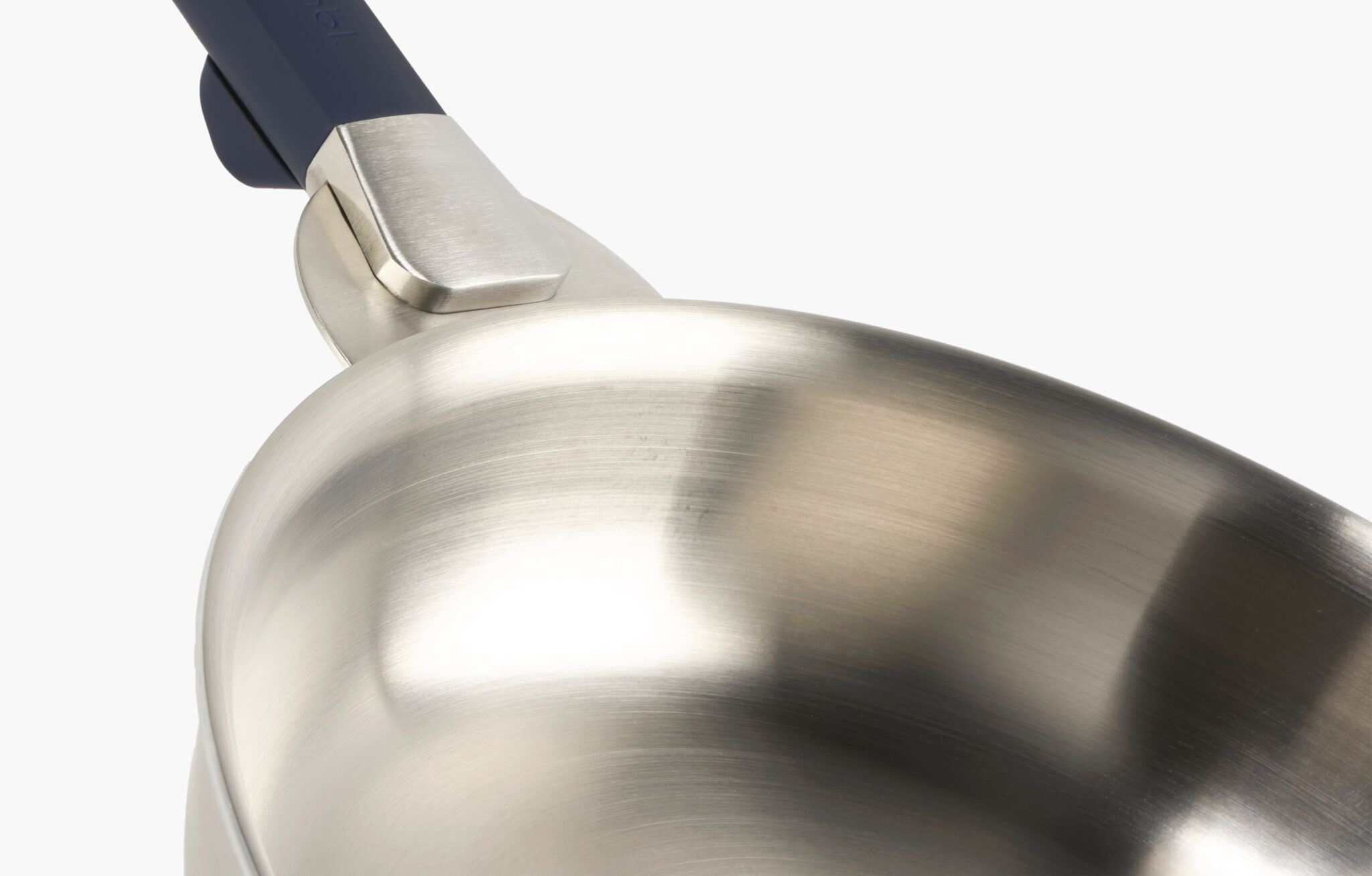
Cookware without rivets offers a seamless design, making it easier to clean and maintain. This type of cookware is often more durable and hygienic than traditional options.
Choosing cookware without rivets can significantly enhance your cooking experience. Unlike traditional cookware, rivet-free designs eliminate food traps, reducing the risk of bacteria buildup. These smooth surfaces are not only easier to clean but also provide a more aesthetically pleasing look in your kitchen.
Many brands offer high-quality options made from materials like stainless steel or non-stick coatings, ensuring even heat distribution and excellent cooking results. With increasing awareness about kitchen hygiene, rivet-free cookware is becoming a popular choice among home cooks and professional chefs alike. Investing in this type of cookware means enjoying durability, convenience, and improved food safety for years to come.
The Rise Of Rivetless Cookware
Cookware without rivets has gained popularity recently. Many chefs and home cooks prefer this sleek style. Rivetless cookware offers many advantages that enhance cooking experiences. Its smooth surface makes cooking and cleaning easier. This modern approach meets the needs of today’s culinary enthusiasts.
Benefits Of A Smooth Interior
Rivetless cookware features a smooth interior that offers several benefits:
- Easy Cleaning: No rivets trap food particles.
- Better Cooking Performance: Heat distributes evenly across the surface.
- Durability: Fewer joints reduce wear and tear.
- Non-Stick Qualities: Smooth surfaces help prevent sticking.
The smooth interior promotes healthier cooking. Less oil or butter is required. This approach supports a healthier lifestyle.
How Modern Design Enhances Cooking
Modern rivetless cookware incorporates innovative designs:
- Streamlined Shapes: Sleek, elegant lines improve aesthetics.
- Lightweight Materials: Easier to handle and maneuver.
- Ergonomic Handles: Comfortable grips enhance control.
This cookware aligns with contemporary kitchens. It complements various kitchen styles. Chefs appreciate how it simplifies cooking tasks.
Rivetless cookware represents a shift in culinary trends. It combines functionality with modern design. This evolution caters to both professionals and home cooks.
Crafting The Perfect Rivetless Piece
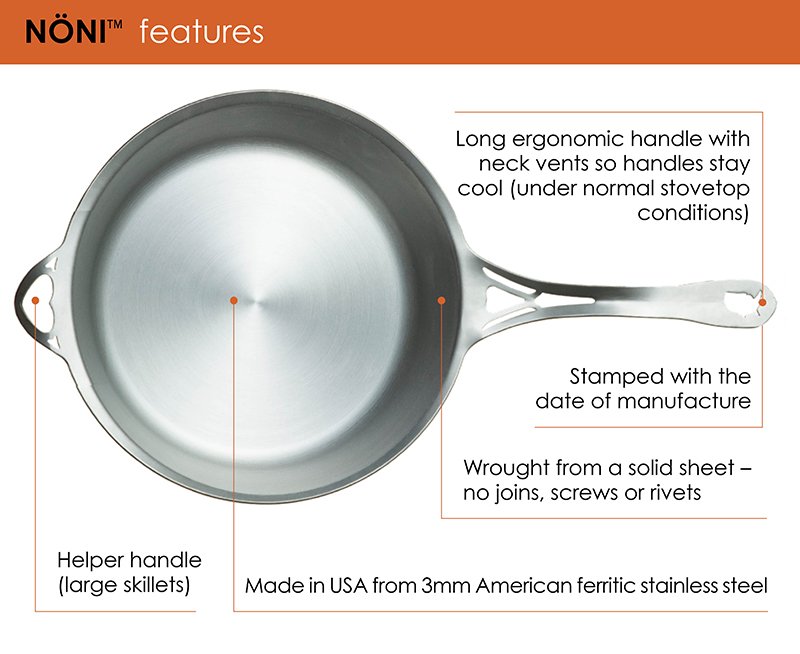
Creating the ideal rivetless cookware involves precision and innovation. Chefs and home cooks love these pieces for their durability and ease of cleaning. Without rivets, food does not stick as easily. This design also helps maintain a sleek look.
Material Choices For Seamless Cookware
Choosing the right material is essential for rivetless cookware. Different materials provide unique benefits. Here are some popular options:
- Stainless Steel: Durable, resistant to rust and staining.
- Copper: Excellent heat conduction, stylish appearance.
- Aluminum: Lightweight, heats up quickly, often coated for non-stick properties.
- Cast Iron: Retains heat well, perfect for slow cooking.
- Non-Stick Coatings: Easy food release, ideal for low-fat cooking.
Innovations In Cookware Manufacturing
Manufacturers focus on innovative designs for better performance. New techniques eliminate rivets while keeping pieces strong. Some recent advancements include:
- Welding Technology: Joins materials without rivets, creating a smooth surface.
- Forged Construction: Increases strength and durability through intense heat and pressure.
- Advanced Non-Stick Coatings: Provide better food release and resistance to scratches.
- Eco-Friendly Materials: Use sustainable options to reduce environmental impact.
| Material | Benefits | Best For |
|---|---|---|
| Stainless Steel | Durable, rust-resistant | All cooking styles |
| Copper | Excellent heat conduction | Precise temperature control |
| Aluminum | Lightweight, heats quickly | Everyday cooking |
| Cast Iron | Retains heat, versatile | Slow cooking, baking |
| Non-Stick Coatings | Easy to clean | Low-fat cooking |
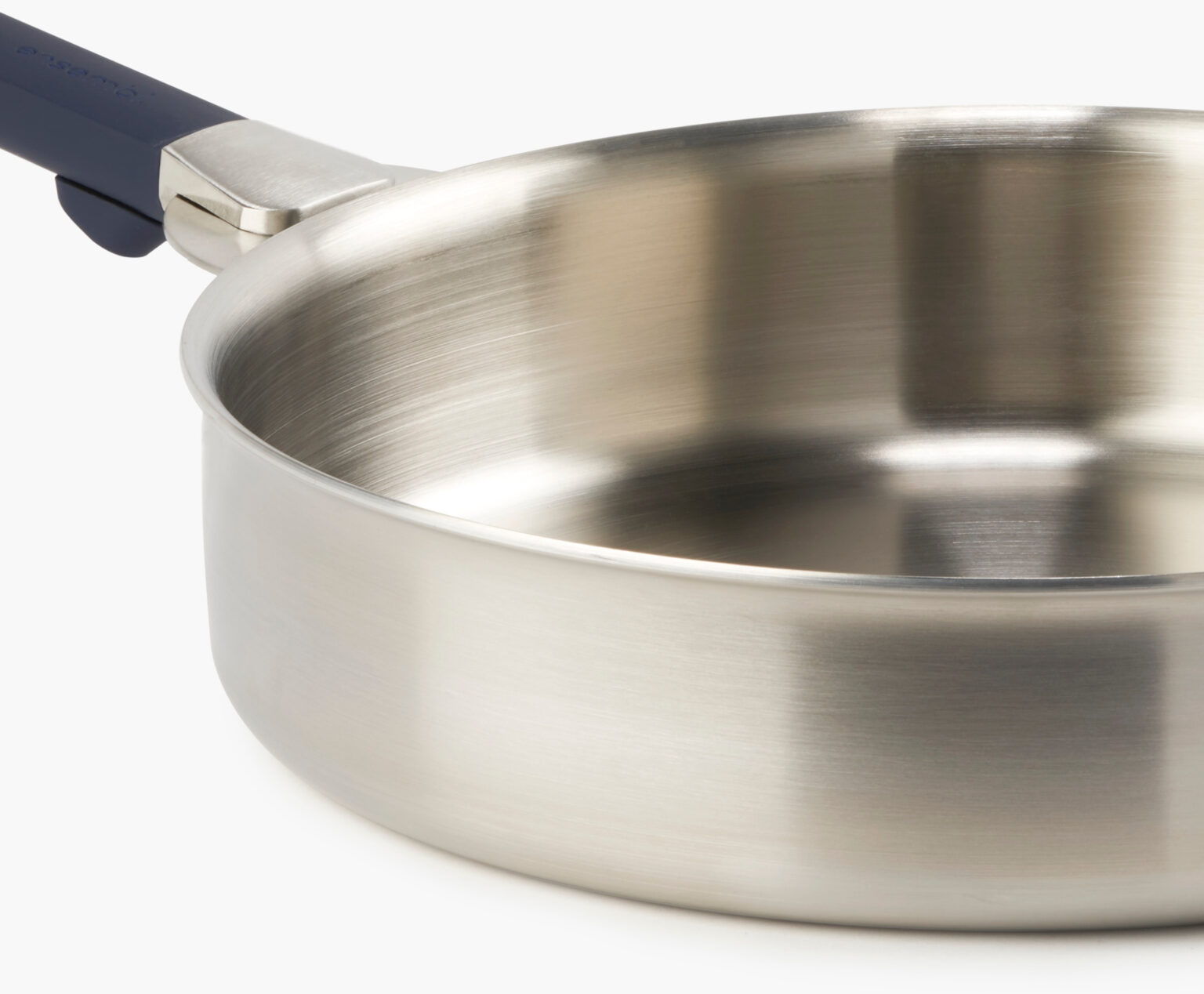
Comparing Riveted Vs Rivetless Cookware
Choosing between riveted and rivetless cookware is essential for cooking enthusiasts. Both types have unique features. Understanding these differences helps you make an informed decision.
Durability Concerns
Durability is a major factor in cookware choice. Here’s how riveted and rivetless cookware compare:
| Feature | Riveted Cookware | Rivetless Cookware |
|---|---|---|
| Longevity | More prone to wear and tear | Generally lasts longer |
| Strength | Rivets may loosen over time | No rivets means fewer weak points |
| Material Integrity | Risk of rust near rivets | Better resistance to rust |
Ease Of Cleaning
Cleaning cookware can be a chore. Here’s how riveted and rivetless options stack up:
- Riveted Cookware:
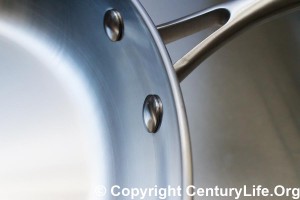
- Food particles can get stuck in rivets.
- Requires more scrubbing.
- Rivetless Cookware:
- Smooth surface makes cleaning easy.
- Less chance of food residue build-up.
Aesthetic And Functional Differences
Cookware design impacts your kitchen’s look. Here’s how both types differ:
- Appearance:
- Riveted cookware often has a classic, traditional look.
- Rivetless cookware offers a sleek, modern design.
- Weight:
- Riveted pieces can be heavier due to additional hardware.
- Rivetless cookware is usually lighter and easier to handle.
- Heat Distribution:
- Riveted designs may have uneven heat spots.
- Rivetless cookware provides consistent heat distribution.
Credit: getensembl.com
Top Brands In The Rivetless Market
Rivetless cookware is gaining popularity among home chefs. Many brands focus on creating durable and easy-to-clean products. Here, we explore the top brands in the rivetless market.
Leading Innovators In Kitchenware
Several brands have emerged as leaders in rivetless cookware. Their designs emphasize cleanliness and functionality.
- All-Clad: Known for high-quality stainless steel. All-Clad offers a range of rivetless options.
- Cuisinart: Combines affordability with performance. Their rivetless cookware is popular among home cooks.
- Calphalon: Features non-stick surfaces. Calphalon’s rivetless cookware is easy to maintain.
- Scanpan: Renowned for eco-friendly products. Scanpan offers rivetless cookware that is both stylish and practical.
- Le Creuset: Famous for colorful enameled cast iron. Their rivetless options add flair to any kitchen.
Customer Reviews And Ratings
Customer feedback plays a significant role in choosing cookware. Here are some highlights from customer reviews:
| Brand | Average Rating | Customer Feedback |
|---|---|---|
| All-Clad | 4.8/5 | Exceptional quality and durability. |
| Cuisinart | 4.5/5 | Great value for the price. |
| Calphalon | 4.6/5 | Non-stick surface works wonders. |
| Scanpan | 4.7/5 | Eco-friendly and easy to clean. |
| Le Creuset | 4.9/5 | Beautiful design, excellent heat retention. |
Overall, customers appreciate the performance of rivetless cookware. They highlight ease of cleaning and durability as major benefits.
Maintaining Your Rivetless Cookware
Rivetless cookware is popular for its sleek design and ease of cleaning. Proper maintenance keeps it durable and looking great. Follow these tips to ensure your cookware lasts.
Best Practices For Longevity
- Use Non-Abrasive Tools: Stick to silicone, wood, or plastic utensils.
- Hand Wash: Avoid the dishwasher. Wash with warm soapy water.
- Dry Immediately: Prevent water spots by drying your cookware right away.
- Store Carefully: Use cloth or paper towels between pieces to prevent scratches.
- Avoid High Heat: Use medium to low heat settings for cooking.
Common Mistakes To Avoid
- Using Metal Utensils: This can scratch the surface.
- Overheating: Excessive heat can warp the cookware.
- Ignoring Manufacturer Instructions: Always follow care guidelines.
- Stacking Without Protection: This can cause dents and scratches.
- Using Harsh Cleaners: Avoid bleach or abrasive powders.
| Maintenance Tip | Why It Matters |
|---|---|
| Use Non-Abrasive Tools | Protects the surface from scratches. |
| Hand Wash Only | Preserves the finish and avoids damage. |
| Dry Immediately | Prevents water spots and rust. |
Credit: solidteknicsusa.com
Cooking With Rivetless Pans
Rivetless pans are becoming popular among home cooks and chefs. These pans have a smooth surface, making them easy to clean. They also provide better heat distribution. Cooking with rivetless pans can enhance your culinary experience.
Recipe Adaptations
Rivetless pans can adapt to many recipes. Here are some ideas:
- Stir-frying: The smooth surface allows for easy stirring.
- Pan-searing: Achieve a perfect crust without sticking.
- Sauces: Use the fond left in the pan for rich flavors.
Try these adjustments for better results:
- Use medium heat to prevent food from sticking.
- Preheat the pan before adding oil for better cooking.
- Experiment with different oils for unique flavors.
Techniques For Even Heat Distribution
Even heat distribution is essential for cooking. Here are some techniques to achieve it:
- Preheating: Always preheat your rivetless pan.
- Use a Thermometer: Check the temperature for accuracy.
- Adjust Heat: Use lower heat settings for delicate foods.
Follow these tips for optimal cooking:
| Technique | Description |
|---|---|
| Layering Ingredients | Start with denser items at the bottom. |
| Stirring Regularly | Keep food moving for even cooking. |
| Covering the Pan | Trap heat and moisture for better results. |
These techniques ensure that your food cooks evenly. Enjoy the benefits of cooking with rivetless pans!
The Future Of Cookware Design
The cookware industry is evolving rapidly. New designs focus on efficiency and sustainability. Cookware without rivets leads this change. It offers a seamless surface, making cleaning easier. This innovation also enhances durability and style.
Sustainable Materials And Practices
Eco-friendly materials are becoming popular. Many manufacturers use recycled metals. Others choose biodegradable materials for their products.
- Recycled aluminum reduces waste and energy use.
- Cast iron lasts longer and has a timeless appeal.
- Ceramic coatings are non-toxic and safe for cooking.
These materials contribute to a healthier planet. They help reduce the carbon footprint of cooking. Many brands emphasize sustainable practices in their production processes.
Predictions For Kitchen Trends
Future kitchen designs will prioritize functionality and style. Here are some expected trends:
- Minimalist designs with sleek cookware.
- Smart cookware that connects to apps.
- Multi-functional tools to save space.
Consumers will seek versatile solutions. Cookware that performs multiple tasks will gain popularity. Expect more colorful and stylish options that enhance kitchen aesthetics.
As the industry advances, cookware without rivets will become the standard. It combines modern design with practicality. Sustainable practices will shape the future of cooking.
Rivetless Cookware In Professional Kitchens
Rivetless cookware is gaining popularity in professional kitchens. Chefs appreciate its smooth surfaces and easy cleaning. The absence of rivets eliminates food traps, enhancing hygiene.
Professional chefs rely on this cookware for its durability. It withstands high temperatures and rigorous use. This cookware can improve workflow and food quality significantly.
Chef Testimonials
Many chefs share their positive experiences with rivetless cookware:
- Chef Maria: “I love how easy it is to clean. No more scrubbing around rivets!”
- Chef James: “The heat distribution is excellent. My dishes cook evenly every time.”
- Chef Lisa: “It looks great in the kitchen and performs even better.”
Impact On Workflow And Food Quality
Rivetless cookware improves workflow in several ways:
- No food residue gets stuck in rivets.
- Faster cleaning means more time for cooking.
- Lightweight design eases lifting and moving.
Benefits for food quality include:
- Consistent cooking temperatures enhance flavor.
- Fewer scratches mean better heat retention.
- Non-stick surfaces reduce the need for excess oil.
| Benefit | Description |
|---|---|
| Easy Cleaning | No rivets mean fewer food traps. |
| Durability | Resistant to wear and tear. |
| Hygiene | Smooth surfaces promote better sanitation. |
Credit: www.centurylife.org
Frequently Asked Questions
What Are The Benefits Of Rivet-free Cookware?
Rivet-free cookware offers a smooth surface, making it easier to clean. It reduces the risk of food sticking to crevices and harboring bacteria. Additionally, these pans often have a more modern aesthetic and can improve heat distribution, resulting in better cooking performance.
Is Rivet-free Cookware Safe For Cooking?
Yes, rivet-free cookware is safe for cooking. Many brands use high-quality materials like stainless steel or non-stick coatings. Always check for certifications that ensure the cookware is free from harmful chemicals. Proper care and maintenance enhance safety and longevity, making it a reliable choice.
How Do I Clean Rivet-free Cookware?
Cleaning rivet-free cookware is straightforward. Most can be washed with warm, soapy water and a soft sponge. For tough stains, a baking soda paste can be effective. Avoid abrasive cleaners that can scratch the surface, and always follow the manufacturer’s care instructions for the best results.
Can I Use Rivet-free Cookware On All Cooktops?
Most rivet-free cookware is versatile and compatible with various cooktops. However, always check the manufacturer’s specifications. Many are suitable for gas, electric, and induction cooktops. Ensuring compatibility helps you achieve optimal cooking results and prolongs the lifespan of your cookware.
Conclusion
Choosing cookware without rivets offers numerous benefits, including easier cleaning and improved durability. These seamless designs enhance both functionality and aesthetics in your kitchen. By investing in rivet-free cookware, you simplify your cooking experience. Embrace this innovative approach and elevate your culinary adventures today!

Leave a Reply