
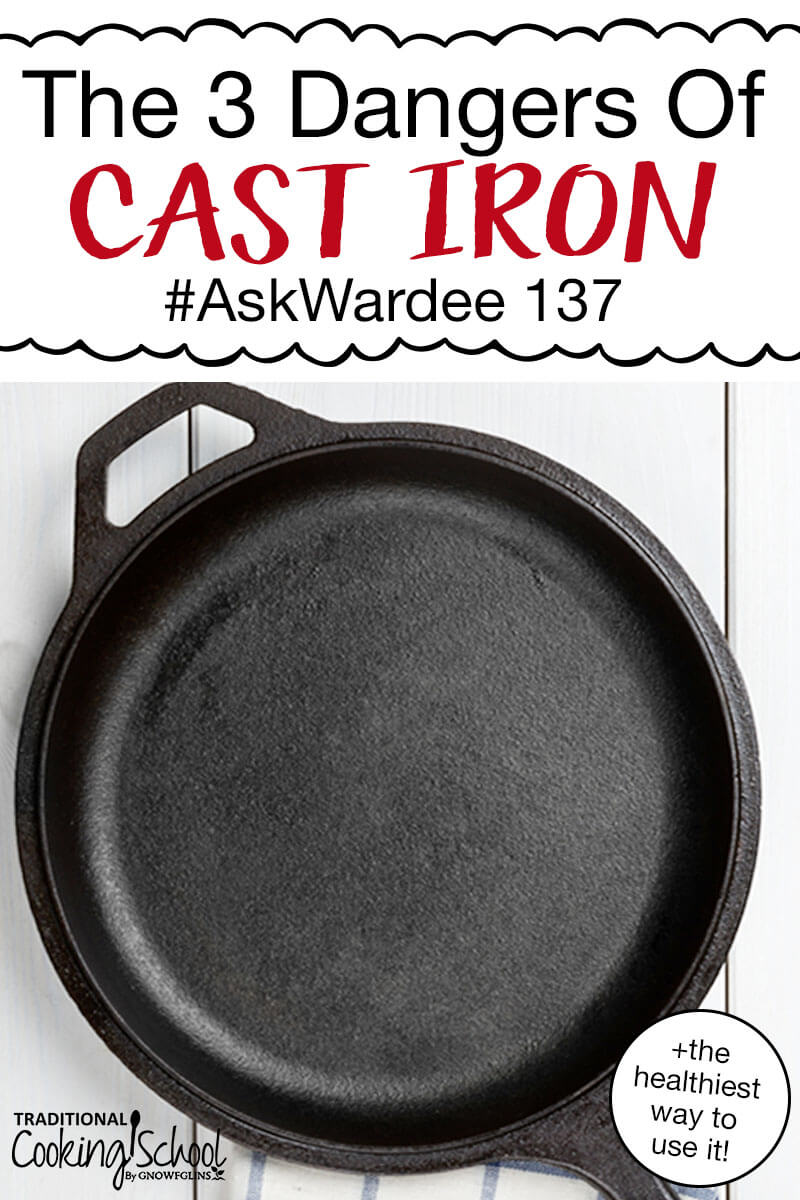
Enamel cookware is generally safe for cooking, as it is non-reactive and free from harmful chemicals. Always inspect for chips or cracks, as damaged enamel can lead to contamination.
Enamel cookware has become a popular choice for many home cooks due to its durability and aesthetic appeal. This type of cookware features a cast iron or steel base coated with a glass-like enamel surface. The enamel not only prevents food from sticking but also protects the underlying metal from rust and corrosion.
Many people appreciate its vibrant colors and designs, which can enhance kitchen decor. Understanding enamel cookware safety is crucial for ensuring healthy cooking practices. By following proper usage and care guidelines, you can enjoy the benefits of enamel cookware while minimizing any potential risks.
Credit: www.reddit.com
The Composition Of Enamel Cookware
Understanding the composition of enamel cookware helps ensure safe cooking. Enamel cookware is known for its durability and aesthetic appeal. It combines metal and glass materials to create a unique cooking surface.
Materials Used In Manufacturing
Enamel cookware mainly consists of two materials:
- Base Metal: Usually cast iron or steel.
- Enamel Coating: A glass-like substance derived from silica.
Each material serves a specific purpose:
| Material | Function |
|---|---|
| Cast Iron | Excellent heat retention and distribution. |
| Steel | Lightweight and rust-resistant. |
| Enamel | Non-reactive surface prevents food interaction. |
Coating Process And Materials
The coating process is vital for enamel cookware safety. It involves multiple steps:
- The base metal is cleaned and prepped.
- A primer layer is applied to enhance adhesion.
- The enamel coating is sprayed or dipped on the surface.
- The cookware is fired in a kiln to bond the enamel.
Key materials in the coating process include:
- Silica: The main ingredient for glass formation.
- Alumina: Increases strength and durability.
- Flux: Lowers the melting point of enamel.
This careful process creates a durable, non-stick surface ideal for cooking.
Popular Myths About Enamel Cookware
Enamel cookware is loved for its beauty and functionality. Despite its popularity, many myths surround its safety. Let’s debunk these myths to better understand enamel cookware.
Myth: Enamel Coatings Release Toxins
Many people believe that enamel coatings can release harmful toxins. This myth is not true. Enamel is made from natural minerals. It does not contain PTFE, PFOA, or other harmful chemicals.
Enamel cookware is safe for cooking. It can withstand high temperatures without releasing toxins. Unlike some non-stick coatings, enamel remains stable and safe.
Myth: Easily Prone To Chipping And Contamination
Another common myth is that enamel cookware chips easily. While enamel can chip, it is generally durable. Here are some tips to prevent chipping:
- Avoid using metal utensils.
- Do not stack heavy cookware.
- Handle with care when washing.
Chipping does not mean contamination. If a chip occurs, it does not release harmful substances. Clean the chipped area properly to maintain safety.
Enamel cookware is still a safe choice for cooking. It offers a non-reactive surface for all types of food. Enjoy the beauty and functionality without worry.
Examining The Facts: Is Enamel Cookware Safe?
Enamel cookware is popular for its vibrant colors and durability. Many people wonder about its safety. This section explores key facts about enamel cookware safety.
Heat Resistance And Chemical Stability
Enamel cookware can withstand high temperatures. It is designed for stovetops and ovens. Here are some important points:
- Heat Resistance: Enamel can handle heat up to 500°F (260°C).
- Even Heating: It distributes heat evenly. This prevents hot spots.
- Durability: It does not warp or crack easily.
Chemical stability is crucial. Enamel is non-reactive. It does not leach harmful substances into food.
Food Safety And Enamel Wear
Food safety is a primary concern. Enamel cookware is generally safe for cooking. However, wear and tear can happen over time. Here are some key considerations:
- Surface Integrity: Inspect for chips or cracks.
- Cleaning: Use non-abrasive cleaners. This preserves the enamel surface.
- Non-Stick Properties: Older enamel may lose non-stick qualities.
Follow these tips for safe use:
- Avoid metal utensils.
- Store carefully to prevent damage.
- Do not heat empty cookware.
By taking these precautions, you can ensure your enamel cookware remains safe for food preparation.
Comparative Safety: Enamel Vs. Other Cookware
Choosing safe cookware is vital for healthy cooking. Each type has unique safety features. Enamel cookware stands out in several ways. Let’s compare enamel with other popular cookware options.
Non-stick And Aluminum Alternatives
Non-stick and aluminum cookware are widely used. They offer convenience and easy cleaning. However, safety concerns exist.
- Non-stick coatings: Some contain chemicals like PTFE and PFOA.
- Heat sensitivity: High temperatures can release harmful fumes.
- Durability: Non-stick surfaces can scratch easily.
Aluminum cookware is lightweight but has its drawbacks. Uncoated aluminum can react with acidic foods. This may lead to metal leaching into meals.
In contrast, enamel cookware is non-reactive. It does not leach chemicals into food. Enamel is safer for cooking acidic dishes.
Cast Iron And Stainless Steel Options
Cast iron is popular for its heat retention. It requires seasoning to maintain its surface. This can be a hassle for some cooks.
- Iron leaching: Cast iron can leach iron into food.
- Weight: Cast iron cookware is heavy and hard to handle.
Stainless steel is another option. It is durable and resistant to rust. However, it can react with acidic foods.
Enamel-coated cast iron combines benefits. It offers the heat retention of cast iron. It also provides a non-reactive cooking surface.
| Cookware Type | Safety Features | Drawbacks |
|---|---|---|
| Enamel Cookware | Non-reactive, easy to clean | Can chip if dropped |
| Non-stick | Easy release, less oil needed | Can release harmful fumes |
| Aluminum | Lightweight, good heat conduction | Can react with acidic foods |
| Cast Iron | Excellent heat retention | Heavy, needs seasoning |
| Stainless Steel | Durable, resistant to rust | Can react with acidic foods |
Proper Usage To Ensure Safety
Using enamel cookware safely is important for your health. Understanding proper usage can prevent accidents. Follow these guidelines to enjoy cooking without worry.
Temperature Guidelines
Enamel cookware can handle high heat, but it’s best to follow specific temperature limits. Here are the temperature guidelines:
| Cookware Type | Max Temperature (°F) | Max Temperature (°C) |
|---|---|---|
| Enamel Coated Cast Iron | 500 | 260 |
| Enamel Coated Steel | 450 | 232 |
| Non-Stick Enamel | 400 | 204 |
Keep temperatures within these limits. High heat can damage enamel. Use medium heat for best results.
Avoiding Mechanical Damage
Mechanical damage can harm enamel cookware. Follow these tips to prevent chipping or cracking:
- Use wooden or silicone utensils.
- Avoid metal utensils that can scratch.
- Do not drop or bang the cookware.
- Store carefully to prevent collisions.
Inspect your cookware regularly. Look for chips or cracks. Replace damaged cookware to stay safe.
Credit: www.reddit.com
Maintenance And Longevity Of Enamel Cookware
Proper care keeps your enamel cookware in great condition. Regular maintenance enhances its lifespan. Follow these tips to ensure your cookware remains safe and effective.
Cleaning Best Practices
Cleaning enamel cookware requires gentle methods. Use soft materials to avoid scratches. Here are some effective cleaning tips:
- Let cookware cool before cleaning.
- Use warm, soapy water for routine washing.
- Use a soft sponge or cloth for scrubbing.
- Avoid steel wool or abrasive cleaners.
- For tough stains, soak cookware in warm water.
Dry the cookware immediately after washing. This prevents moisture buildup. Store it completely dry to avoid rusting.
Storing Techniques To Prevent Damage
Store enamel cookware safely to avoid chipping. Follow these storing techniques:
- Stack cookware with cloth or paper between pieces.
- Avoid stacking heavy items on top.
- Store in a cool, dry place.
- Keep away from sharp objects and edges.
Using these techniques will help maintain the beauty of your enamel cookware. It ensures your cookware lasts longer, providing safe and healthy cooking.
Potential Health Risks And How To Avoid Them
Enamel cookware is popular for its durability and aesthetic appeal. However, some safety concerns exist. Understanding these risks helps you make safe choices for your kitchen.
Lead And Cadmium Concerns
Some enamel cookware may contain harmful metals like lead and cadmium. These metals can leach into food, especially when cooking at high temperatures.
- Lead: Found in older or poorly made cookware.
- Cadmium: Often used in bright, colorful glazes.
Consuming food with these metals can lead to serious health issues. Symptoms include:
- Fatigue
- Headaches
- Abdominal pain
Long-term exposure can cause more severe problems, such as kidney damage and developmental issues in children.
Mitigating Risk Through Informed Purchasing
Choosing safe enamel cookware is crucial. Follow these tips to reduce risk:
- Look for products labeled as lead-free and cadmium-free.
- Buy from reputable brands with safety certifications.
- Research customer reviews for quality assurance.
- Avoid vintage or antique pieces unless certified safe.
Check for the following certifications:
| Certification | Description |
|---|---|
| FDA Approved | Meets safety and health standards. |
| NSF Certified | Ensures products meet public health and safety standards. |
By following these guidelines, you can enjoy enamel cookware safely.
Environmental Impact And Sustainability
Enamel cookware is popular for its durability and aesthetic appeal. Its impact on the environment matters. Understanding its lifecycle helps us make better choices.
Lifecycle Of Enamel Cookware
The lifecycle of enamel cookware involves several key stages:
- Raw Material Extraction: Enamel cookware begins with metals like steel or cast iron.
- Manufacturing: The metal is coated with a glass-like enamel layer.
- Usage: Enamel cookware lasts for years with proper care.
- End of Life: Eventually, it needs to be disposed of or recycled.
Each stage has its environmental footprint. Sustainable practices in manufacturing can reduce waste.
Recycling And Disposal
Disposing of enamel cookware requires careful consideration. Here are some options:
- Recycling: Some local recycling centers accept enamel cookware.
- Repurposing: Use old pieces as planters or decorative items.
- Landfill: If recycling is not possible, landfill is the last resort.
Check with local authorities for recycling options. Proper disposal helps reduce environmental impact.
Enamel cookware can last a lifetime. Choosing quality brands increases sustainability. Make informed choices for a healthier planet.
Expert Opinions And Regulatory Standards
Understanding enamel cookware safety involves expert insights and regulatory standards. Experts examine materials and manufacturing processes. Regulations ensure cookware is safe for food preparation.
Certifications To Look For
Choosing safe enamel cookware requires awareness of certifications. Here are some important certifications:
| Certification | Description |
|---|---|
| FDA Approved | Confirms materials are safe for food contact. |
| NSF Certified | Indicates meeting public health and safety standards. |
| LFGB | German standard ensuring food safety in cookware. |
| ISO 9001 | Quality management standard for consistent manufacturing. |
Industry Expert Insights
Industry experts emphasize several key points regarding enamel cookware safety:
- Durability: Quality enamel lasts longer and resists chipping.
- Non-reactive: Enamel coatings prevent reactions with acidic foods.
- Heat Distribution: Enamel cookware evenly distributes heat during cooking.
- Cleaning: Smooth surfaces make cleaning easy and safe.
Experts also recommend avoiding cookware with cracks or chips. Such damage can lead to contamination. Always inspect your cookware before use.
Making An Informed Decision: Choosing Safe Cookware
Choosing the right cookware is essential for your health and safety. Enamel cookware offers a great balance of style and functionality. Understanding its safety features helps you make informed choices.
Key Features To Consider
When selecting safe enamel cookware, consider these important features:
- Non-Toxic Materials: Ensure the enamel is free of harmful chemicals.
- Durability: Look for cookware that withstands high temperatures.
- Scratch Resistance: Choose cookware that resists chips and scratches.
- Oven Safety: Check if it is safe for oven use.
- Dishwasher Safe: Find options that are easy to clean.
Reliable Brands And Products
Selecting trusted brands ensures quality and safety. Here are some reliable enamel cookware brands:
| Brand | Key Features | Price Range |
|---|---|---|
| Le Creuset | High durability, vibrant colors | $$$ |
| Staub | Excellent heat retention, stylish design | $$$ |
| Cuisinart | Affordable, good quality | $$ |
| Emile Henry | Unique clay material, oven safe | $$$ |
Research customer reviews before making a purchase. Choose enamel cookware that fits your cooking style and safety needs.

Credit: www.reddit.com
Frequently Asked Questions
Is Enamel Cookware Safe For Cooking?
Yes, enamel cookware is safe for cooking. It is made from a metal base coated with a vitreous enamel finish. This coating prevents food from reacting with the metal. Additionally, it is non-toxic and free from harmful chemicals like PFOA and PTFE, making it a healthy choice for your kitchen.
Can Enamel Cookware Be Used On Induction Stoves?
Yes, enamel cookware can be used on induction stoves. However, ensure that the base of the cookware is magnetic. If it contains a magnetic layer, it will work efficiently on induction cooktops. Always check the manufacturer’s instructions for compatibility to ensure optimal performance.
How To Care For Enamel Cookware Safely?
To care for enamel cookware, avoid using metal utensils that can scratch the surface. Instead, opt for wooden or silicone tools. Hand wash your enamel cookware with mild soap and avoid abrasive cleaners. Proper care helps maintain the cookware’s integrity and extends its lifespan.
Does Enamel Cookware Chip Easily?
Enamel cookware can chip, but it is durable when handled properly. Avoid dropping or banging it against hard surfaces. Chips may occur from rough handling or using metal utensils. If chipped, it’s best to replace the cookware to ensure safe cooking.
Conclusion
Ensuring enamel cookware safety is essential for a healthy cooking experience. Always check for chips or cracks before use. Avoid high heat to maintain the integrity of your cookware. Proper care will extend its lifespan and keep your food safe.
Enjoy cooking with confidence and peace of mind using enamel cookware.

Leave a Reply