
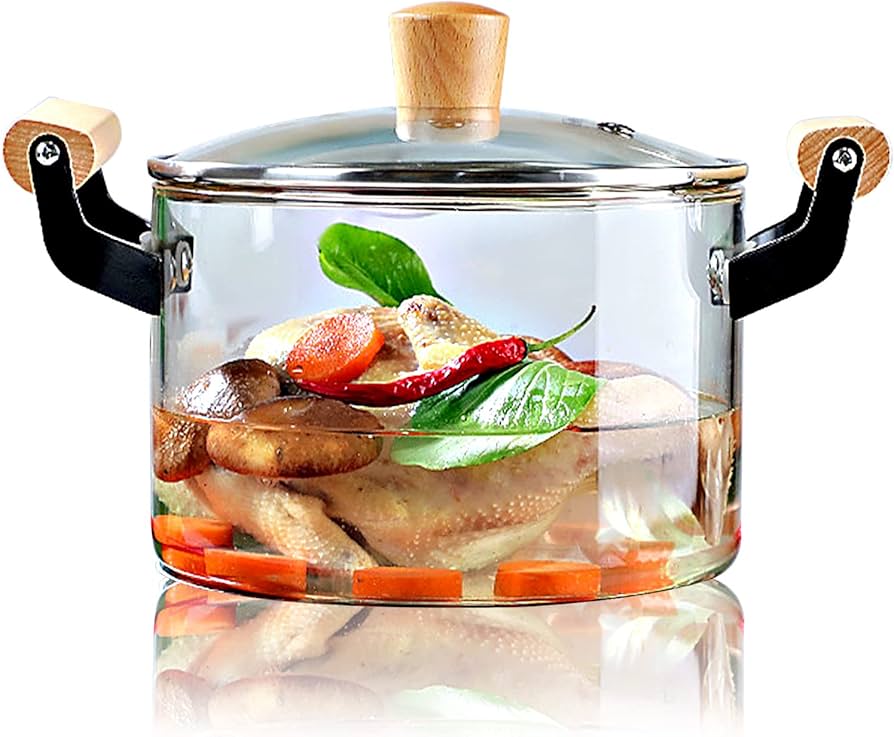
Glass pots and pans are cookware made from tempered glass, offering a unique alternative to traditional materials. They are non-reactive, allowing for healthy cooking without leaching chemicals.
Glass cookware has gained popularity among health-conscious individuals and culinary enthusiasts alike. This innovative material allows you to monitor food while cooking, ensuring perfect results every time. Glass pots and pans are versatile and can be used in the oven or microwave, making meal preparation easier.
They are easy to clean and often dishwasher-safe, promoting convenience in the kitchen. As more people seek eco-friendly options, glass cookware stands out for its durability and reusability. Explore the benefits of glass pots and pans to enhance your cooking experience while promoting a healthier lifestyle.
The Appeal Of Glass Cookware
Glass cookware has gained popularity for many reasons. Its unique features attract both amateur cooks and professional chefs. The combination of aesthetics and functionality makes glass pots and pans a smart choice.
Aesthetic And Functional Benefits
Glass cookware is not just pretty; it offers many practical benefits:
- Visual Appeal: The clear design enhances kitchen decor.
- Versatility: Suitable for baking, roasting, and stovetop cooking.
- Easy to Clean: Non-stick surfaces make cleanup simple.
- Durability: Resistant to scratches and stains.
Using glass can change how meals look. It allows you to serve directly from the oven to the table. Guests will admire the food in its clear dish.
Seeing Is Believing: Cooking With Transparency
One of the best features of glass cookware is visibility. You can see your food as it cooks. This transparency helps you monitor the cooking process easily.
Here are some advantages of cooking with glass:
- Monitor Cooking: Watch your food without lifting the lid.
- Even Heating: Glass heats evenly, preventing hot spots.
- Healthier Cooking: No chemicals leach into food.
- Easy to Store: Stackable and lightweight for convenient storage.
Glass cookware allows for creative presentation. You can showcase colorful dishes. Guests appreciate the effort and beauty in each meal.
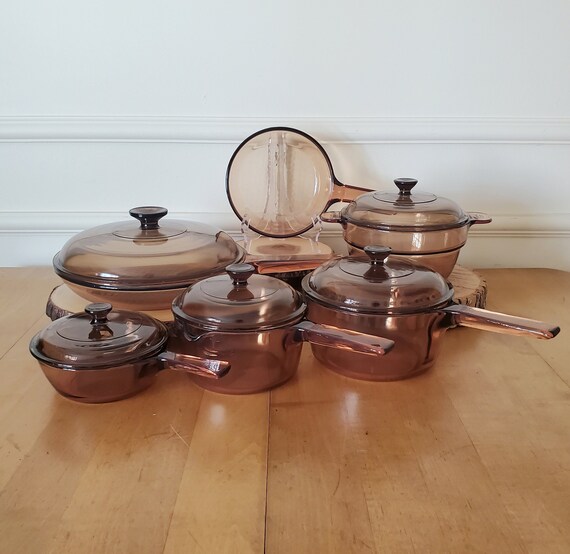
Credit: www.etsy.com
Types Of Glass Cookware
Glass cookware offers many options for cooking and baking. This section explores the various types of glass pots and pans available. Each type has unique features and benefits, making them suitable for different culinary tasks.
From Baking Dishes To Stovetop Pots
Glass cookware is diverse. Here are the common types:
- Baking Dishes: Perfect for casseroles and desserts.
- Measuring Cups: Ideal for precise ingredient measurements.
- Mixing Bowls: Great for combining ingredients.
- Stovetop Pots: Suitable for soups and stews.
- Storage Containers: Keeps food fresh and visible.
Each type serves a specific purpose. Glass cookware can also go from oven to table. This feature adds convenience and elegance to meal serving.
Choosing The Right Glass For Your Kitchen
Selecting the right glass cookware is essential. Here are some tips:
- Consider Heat Resistance: Ensure glass can withstand high temperatures.
- Check for Non-porosity: Non-porous glass doesn’t absorb odors.
- Look for Durability: Choose tempered glass for extra strength.
- Assess Size: Pick sizes that fit your cooking needs.
- Think About Design: Choose styles that match your kitchen decor.
Choosing wisely can enhance your cooking experience. Glass cookware is not only functional but also stylish.
Safety First: Understanding Glass Cookware
Glass cookware offers many benefits, but safety is key. Knowing how to use it properly ensures a great cooking experience. Let’s explore essential safety aspects of glass pots and pans.
Heat Resistance And Thermal Shock
Glass cookware can withstand high temperatures. However, it has limits. Here are some important points:
- Heat Resistance: Most glass cookware can handle temperatures up to 500°F (260°C).
- Thermal Shock: Rapid temperature changes can cause glass to break.
To avoid thermal shock:
- Do not place a cold glass dish in a hot oven.
- Avoid pouring cold liquids into hot glass cookware.
- Let glass cookware cool down before washing with cold water.
Tips For Safe Handling
Using glass cookware safely is simple. Follow these guidelines:
- Inspect Before Use: Check for cracks or chips.
- Use Oven Mitts: Always use oven mitts to handle hot glass.
- Avoid Extreme Temperature Changes: Keep glass at stable temperatures.
- Store Carefully: Stack glass items with padding in between.
Staying safe helps you enjoy cooking with glass cookware. Follow these tips for a worry-free experience.
Cooking With Glass: A How-to Guide
Cooking with glass pots and pans can be a delightful experience. They offer a unique way to prepare meals while showcasing your culinary skills. This guide covers essential tips for using glass cookware effectively.
Temperature Management
Glass cookware requires careful temperature management. It heats up quickly and retains heat well. Follow these tips for best results:
- Preheat the oven: Always preheat your oven before cooking.
- Avoid sudden temperature changes: Never move hot glass cookware to a cold surface.
- Use medium heat: Start with medium heat to prevent cracking.
- Check for temperature ratings: Ensure your glass cookware is oven-safe.
Using these tips ensures your glass cookware lasts longer and performs better.
Cleaning And Maintenance
Proper cleaning and maintenance are crucial for glass cookware. Follow these steps to keep your pots and pans in top shape:
- Let it cool: Allow glass cookware to cool before washing.
- Use gentle cleaners: Avoid harsh chemicals. Use mild soap and warm water.
- Soft sponges only: Use soft sponges or cloths to prevent scratches.
- Check for chips: Inspect for any chips or cracks before use.
Regular care keeps your glass cookware looking new and functional.
Why Chefs Love Glass Cookware
Chefs appreciate glass cookware for its unique qualities. It enhances cooking experiences and improves dish outcomes. Here are two key reasons why glass pots and pans are favored.
Flavor Preservation
Glass cookware excels in maintaining the natural flavors of food. Its non-reactive surface keeps the taste intact. This is especially important for:
- Delicate sauces
- Marinated dishes
- Vegetables
Unlike metal, glass does not impart any unwanted flavors. This leads to a more authentic taste. Chefs can enjoy full flavor profiles without interference.
Presentation Perfection
Glass pots and pans also shine in presentation. Their transparent nature allows chefs to showcase their culinary creations. Here are some benefits:
- Beautifully display vibrant colors
- Serve directly from oven to table
- Attractively showcase layered dishes
Many chefs prefer glass for its aesthetic appeal. It turns everyday cooking into an art form. Glass cookware adds style to any kitchen.

Credit: www.amazon.com
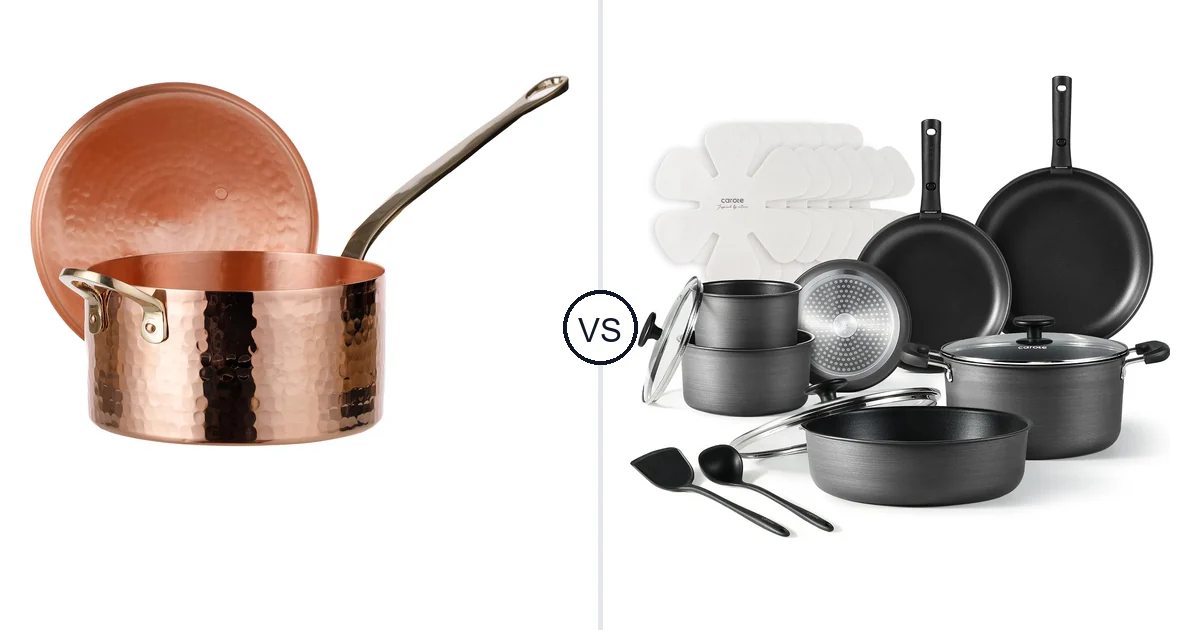
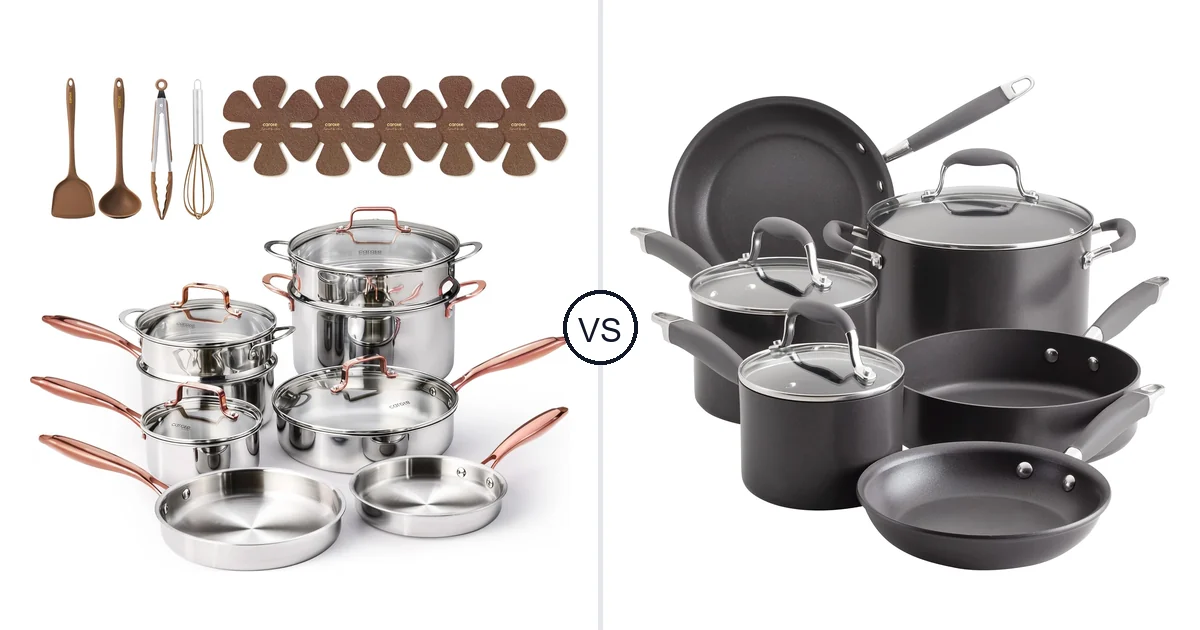
Comparing Glass To Other Cookware Materials
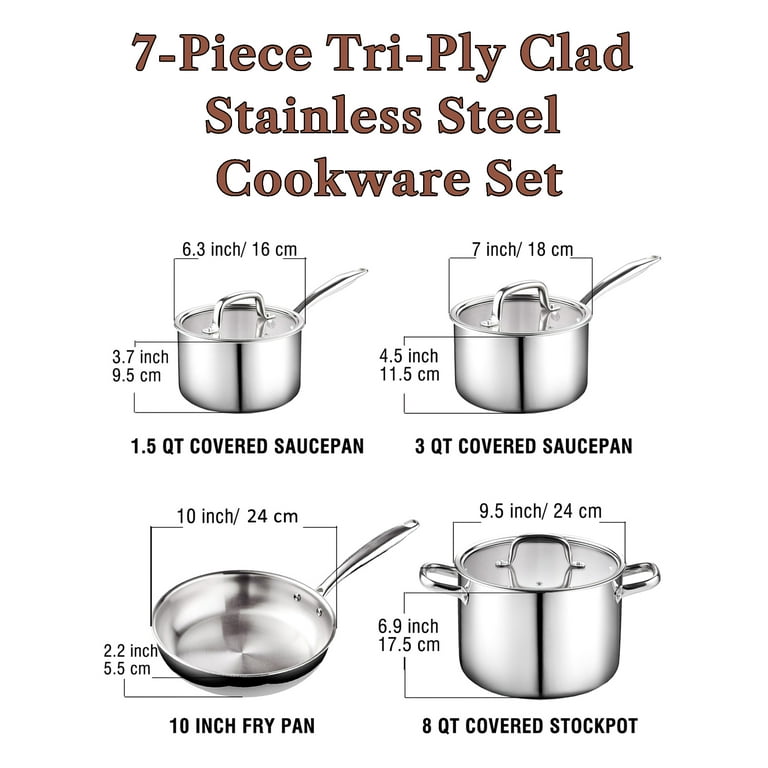
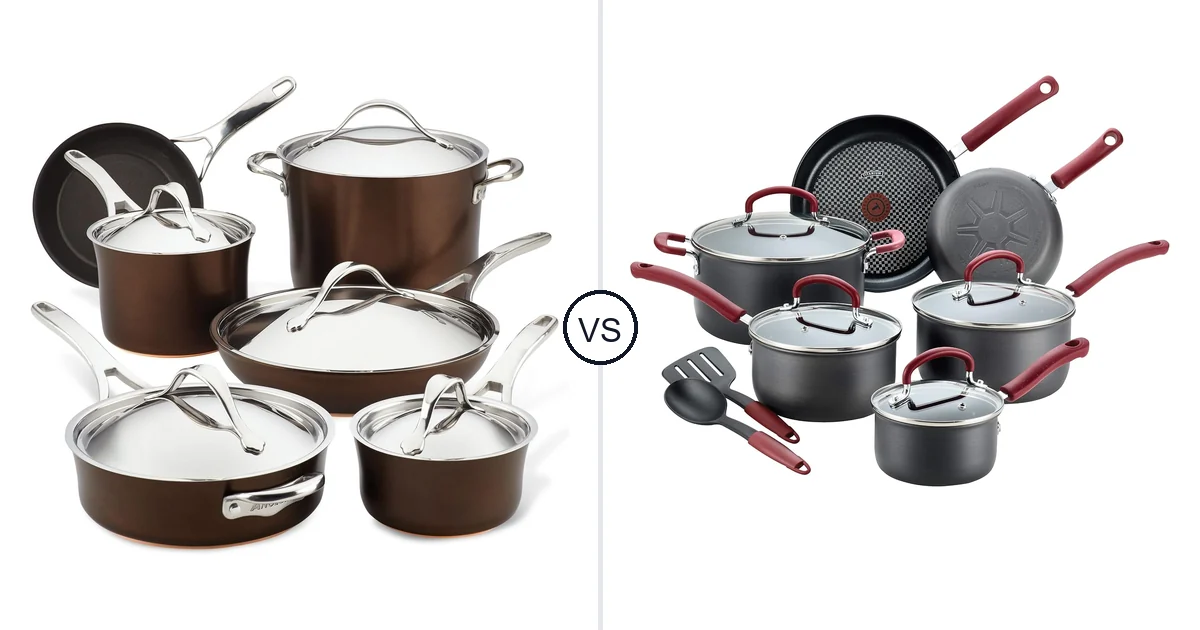
Choosing the right cookware can change your cooking experience. Glass pots and pans offer unique benefits. Comparing them to materials like stainless steel, cast iron, and non-stick can help you decide.
Pros And Cons
Every cookware material has its strengths and weaknesses. Here’s a quick overview:
| Material | Pros | Cons |
|---|---|---|
| Glass |
|
|
| Stainless Steel |
|
|
| Cast Iron |
|
|
| Non-Stick |
|
|
Making The Best Choice For Your Cooking Needs
Your cooking style influences the best cookware choice. Here are some questions to consider:
- What type of dishes do you often prepare?
- Do you prefer easy cleanup?
- Are you cooking on the stovetop or in the oven?
- How much weight can you comfortably handle?
Glass cookware is perfect for baking and roasting. It allows you to see your food as it cooks. If you need durability, consider stainless steel or cast iron. For easy flipping, non-stick pans are ideal. Choose based on your cooking habits and preferences.
Innovations In Glass Cookware
Glass cookware has seen remarkable innovations in recent years. These advancements enhance cooking performance and safety. Modern glass pots and pans offer new features for everyday cooking.
New Technologies And Designs
Recent technologies have transformed glass cookware. Here are some notable innovations:
- Thermal Shock Resistance: New glass materials can handle rapid temperature changes.
- Non-Stick Coatings: Some glass cookware now features non-stick surfaces for easy cleaning.
- Microwave-Safe Options: Many designs are safe for microwave use, adding convenience.
- Stackable Designs: Space-saving shapes help organize kitchen cabinets.
Innovative designs improve functionality. They also enhance aesthetic appeal, making glass cookware stylish.
Future Trends
The future of glass cookware looks promising. Here are expected trends:
- Smart Cookware: Integration with smart technology for precise cooking.
- Eco-Friendly Materials: Focus on sustainable materials that reduce environmental impact.
- Customizable Designs: Options for personalization in color and size.
- Health-Conscious Features: Cookware that promotes healthy cooking methods.
As innovation continues, glass cookware will evolve. These trends will create a better cooking experience.
Selecting Your Glass Cookware Set
Choosing the right glass cookware set can enhance your cooking experience. Glass pots and pans are versatile and safe. They allow you to monitor your food while cooking. Understanding the key factors helps in making an informed choice.
Factors To Consider
Several factors influence your selection of glass cookware. Here are the main points to keep in mind:
- Material Quality: Look for tempered glass for durability.
- Compatibility: Ensure compatibility with your stove type.
- Size: Choose sizes that suit your cooking needs.
- Heat Resistance: Check the temperature limits for safe cooking.
- Design: Aesthetic appeal can enhance your kitchen decor.
- Maintenance: Opt for dishwasher-safe options for easy cleaning.
Top Picks And Recommendations
Here are some top-rated glass cookware sets to consider:
| Cookware Set | Material | Size | Price |
|---|---|---|---|
| Pyrex Classic 10-Piece Set | Tempered Glass | Various Sizes | $49.99 |
| Anchor Hocking 5-Piece Set | High-Quality Glass | Small to Medium | $29.99 |
| Cuisinart Glass 7-Piece Set | High-Temperature Glass | Medium to Large | $79.99 |
Consider these options based on your cooking style. Each set offers unique features and benefits. Ensure you select one that meets your needs best.
Credit: www.walmart.com
Frequently Asked Questions
What Are The Benefits Of Glass Cookware?
Glass cookware offers several advantages, including non-reactivity with food. It is safe for cooking and does not leach harmful chemicals. Additionally, glass pots and pans provide excellent heat retention and allow for easy monitoring of cooking progress. They are also dishwasher-safe for easy cleanup.
Is Glass Cookware Safe For All Cooking Methods?
Yes, glass cookware is safe for various cooking methods. It can be used in the oven, microwave, and even the stovetop in some cases. However, avoid rapid temperature changes to prevent breakage. Always check manufacturer guidelines for specific usage instructions to ensure safety.
How To Care For Glass Pots And Pans?
Caring for glass cookware is simple. Always allow it to cool before washing to prevent thermal shock. Use mild detergents and avoid abrasive cleaners. Regularly check for scratches or cracks, and replace damaged items to ensure safe cooking. Proper care extends the life of your cookware.
Can Glass Cookware Go In The Oven?
Yes, glass cookware is oven-safe. Most glass pots and pans can withstand high temperatures. However, always confirm the manufacturer’s guidelines for maximum temperature limits. Avoid placing cold glass directly into a hot oven to prevent shattering due to thermal shock.
Conclusion
Glass pots and pans offer a unique cooking experience. Their non-reactive nature ensures flavors remain pure. Easy to clean and visually appealing, they enhance any kitchen. Choosing glass cookware promotes healthier cooking options. Embrace glass pots and pans for your next culinary adventure, and enjoy the benefits they bring to your meals.

Leave a Reply