
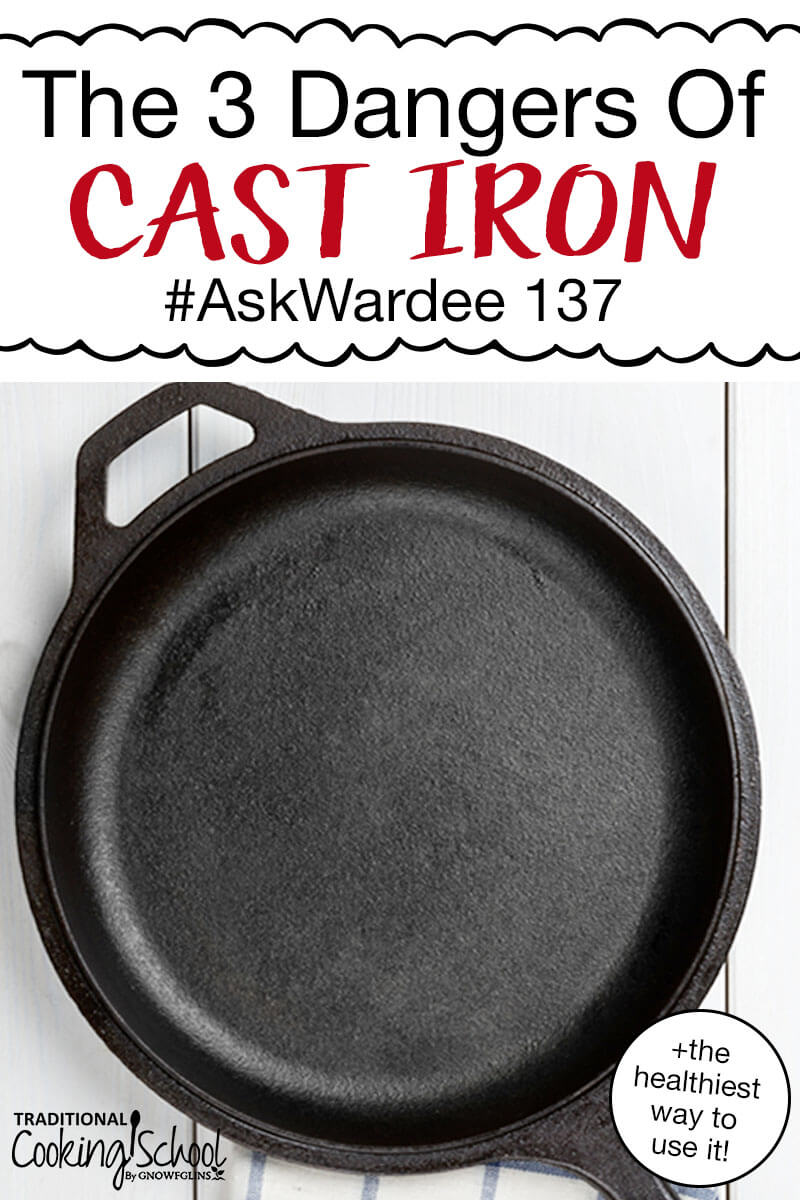
Cast iron cookware is generally safe for cooking. It can even add beneficial iron to your diet.
Cast iron cookware has gained popularity for its durability and heat retention properties. Many home cooks appreciate its ability to develop a natural non-stick surface over time. This type of cookware is suitable for various cooking methods, including frying, baking, and sautéing.
While concerns about rust and proper seasoning exist, these issues can be easily managed with proper care. Cast iron is also known for its ability to withstand high temperatures, making it ideal for searing meats. Understanding its benefits and maintenance tips can help you enjoy safe and delicious meals. Embracing cast iron cookware can elevate your culinary experience while ensuring food safety.
Introduction To Cast Iron Cookware
Cast iron cookware has been used for centuries. It is loved for its durability and heat retention. Many people are rediscovering its benefits today.
Popularity And Resurgence
Cast iron cookware is experiencing a revival. Home cooks and chefs are turning to it for various reasons:
- Versatility: It can be used on the stove, in the oven, or over a campfire.
- Flavor: Food cooked in cast iron often has a unique taste.
- Longevity: With proper care, it can last a lifetime.
- Non-toxic: Unlike some non-stick options, it contains no harmful chemicals.
Social media has fueled this resurgence. Beautiful images of cast iron dishes inspire many to try it.
Basic Composition
Cast iron cookware consists primarily of iron and carbon. Here are some key points:
| Component | Percentage |
|---|---|
| Iron | 95% |
| Carbon | 3% |
| Other Elements | 2% |
This simple composition makes cast iron strong. It also allows for excellent heat distribution.
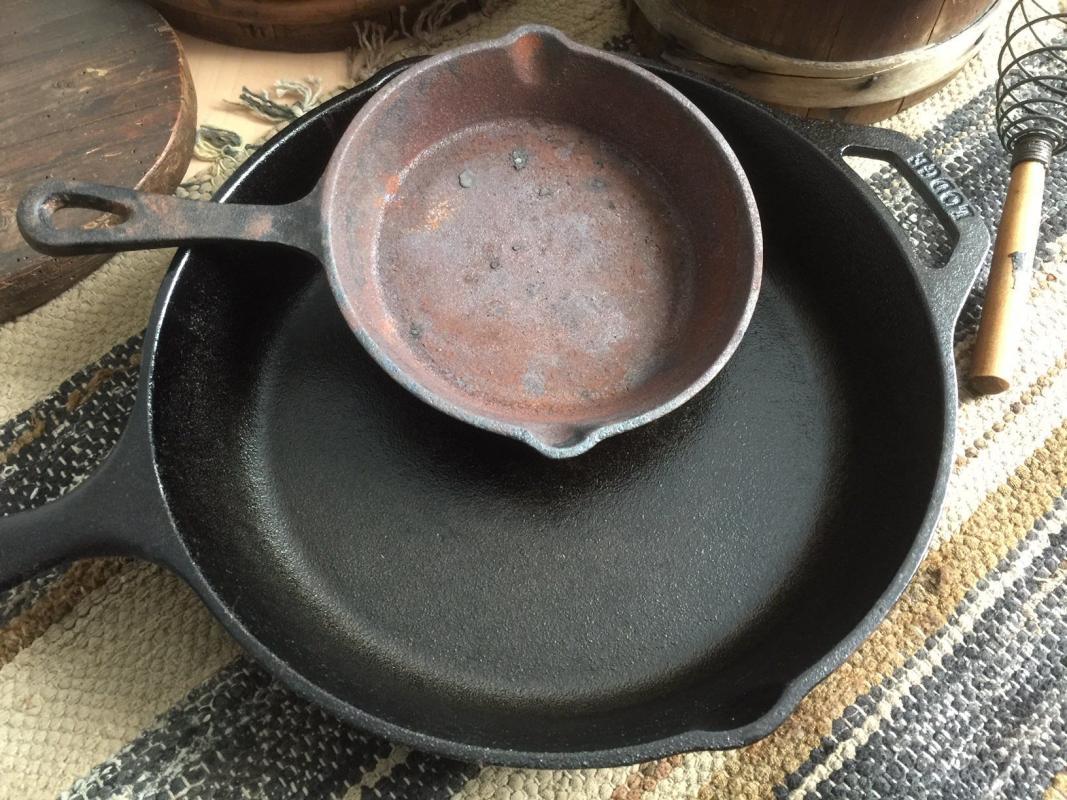
Cast iron can be seasoned. Seasoning creates a natural non-stick surface. This process involves applying oil and heating it. The oil bonds to the iron.
Credit: www.booniehicks.com
Historical Use And Longevity
Cast iron cookware has a rich history. It has been used for centuries. People appreciate its durability and versatility. Many cooks prefer cast iron for its unique cooking properties.
Roots In Cooking History
Cast iron cookware dates back to ancient times. Here are some key points:
- Originated in China around the 5th century BC.
- Made its way to Europe by the 16th century.
- Popularized in American kitchens during the 18th century.
Early cast iron pots and pans were made for durability. They could withstand high temperatures. This made them ideal for various cooking methods.
Durability Over Time
Cast iron cookware is known for its strength. Here’s why:
| Feature | Description |
|---|---|
| Longevity | Can last for generations with proper care. |
| Resilience | Resists chipping and cracking. |
| Versatility | Suitable for stovetops, ovens, and campfires. |
With proper maintenance, cast iron cookware remains functional. It can even improve with age. Seasoning the surface enhances its non-stick properties. Many users pass down their cast iron pans to family.
Investing in cast iron is a long-term choice. It combines historical significance with lasting performance. Enjoy the benefits of cooking with a timeless tool.
Health Implications
Understanding the health implications of using cast iron cookware is crucial. Many people wonder about the safety of iron leaching into food. Let’s explore how it affects our health.
Iron Leaching Into Food
Cast iron cookware can release small amounts of iron into food. This leaching happens during cooking, especially with acidic foods. The amount of iron that leaches varies based on:
- Cooking time
- Food type
- Condition of the cookware
Foods like tomatoes or citrus can increase iron leaching. However, leaching is generally low and safe for most people.
Impact On Dietary Iron
For some, cast iron cookware can positively influence dietary iron intake. It can be beneficial for:
- People with low iron levels
- Vegetarians and vegans
Using cast iron cookware may help meet daily iron needs. Here’s a simple overview:
| Food Type | Iron Content (mg) | Potential Leaching |
|---|---|---|
| Tomato Sauce | 2.5 | High |
| Eggs | 1.2 | Low |
| Rice | 0.5 | Moderate |
Overall, cooking with cast iron can improve iron intake. It is especially useful for those needing extra iron.
Safety Concerns Addressed
Cast iron cookware is popular. Many people enjoy its durability and heat retention. Still, some safety concerns exist. This section clarifies these concerns and provides important information.
Myths Vs. Facts
Common myths can create confusion about cast iron cookware. Let’s debunk some of these myths:
| Myth | Fact |
|---|---|
| Cast iron leaches too much iron. | Most people need iron in their diets. Small amounts are safe. |
| It’s hard to clean cast iron. | With proper care, cleaning is easy and quick. |
| Cast iron is too heavy to use. | Many find the weight helps with even cooking. |
| Cooking acidic foods in cast iron is dangerous. | Short cooking times are safe. Long-term use may affect flavor. |
Proper Maintenance And Care
Taking care of cast iron cookware keeps it safe and functional. Here are some simple tips:
- Season regularly: This creates a non-stick layer.
- Clean promptly: Rinse with hot water right after use.
- Avoid soap: Soap can remove the seasoning.
- Dry thoroughly: Prevent rust by drying it completely.
- Store properly: Keep it in a dry place with a light coating of oil.
Following these tips ensures your cast iron cookware remains safe. Enjoy cooking with confidence!
The Seasoning Secret
Cast iron cookware is popular for its durability and heat retention. The secret to its effectiveness lies in proper seasoning. Seasoning creates a non-stick surface and protects the cookware from rust.
Why Seasoning Is Key
Seasoning is essential for several reasons:
- Non-stick surface: Seasoning creates a natural non-stick coating.
- Rust prevention: A well-seasoned pan resists moisture.
- Enhanced flavor: Seasoning can add depth to your dishes.
- Increased lifespan: Proper care extends the life of cast iron.
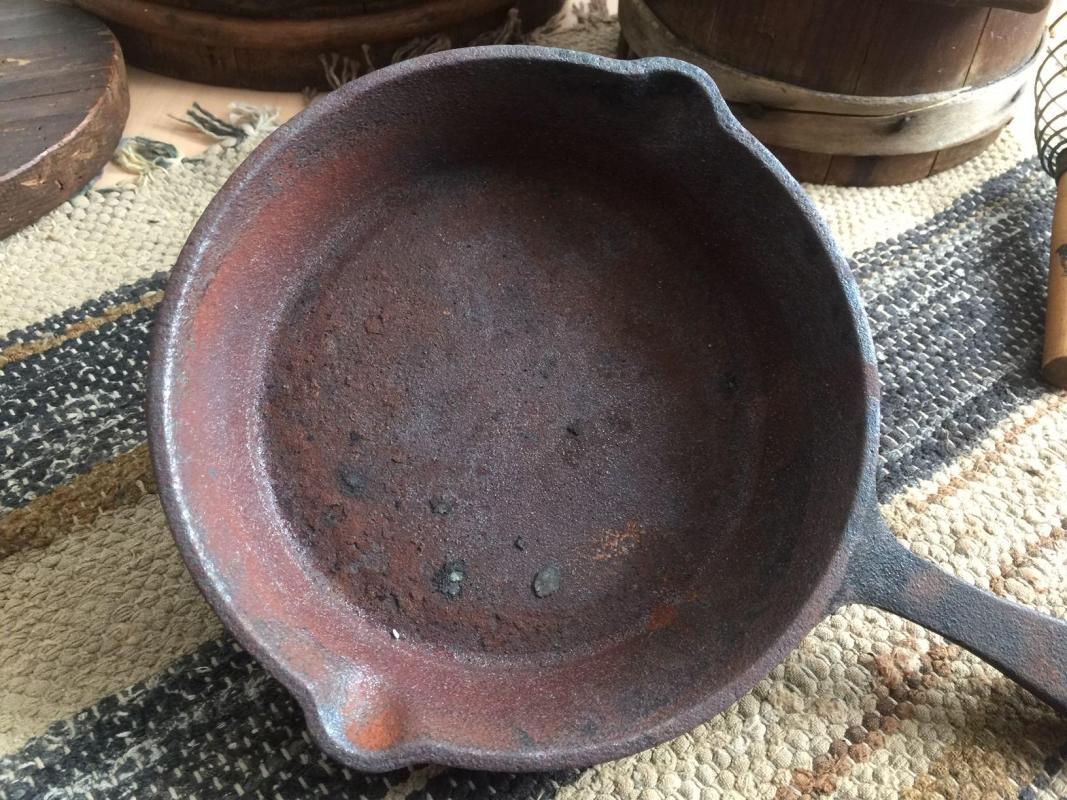
Without seasoning, cast iron pans can rust easily and food may stick. Proper seasoning ensures your cookware remains in top shape.
How To Season Effectively
Seasoning your cast iron is simple. Follow these steps:
- Clean: Wash the pan with hot, soapy water. Rinse well.
- Dry: Completely dry the pan with a clean cloth.
- Oil: Apply a thin layer of vegetable oil or flaxseed oil.
- Heat: Place the pan upside down in an oven at 375°F (190°C).
- Bake: Bake for about 1 hour to allow seasoning to set.
- Cool: Turn off the oven and let the pan cool inside.
Repeat this process several times for best results. Properly seasoned cast iron cookware enhances your cooking experience.
Credit: www.booniehicks.com
Comparative Analysis With Other Cookware
Understanding cookware safety is crucial for healthy cooking. Each type of cookware has its advantages and disadvantages. This section compares cast iron cookware with non-stick and stainless steel options. Let’s explore the safety aspects of each.
Cast Iron Vs. Non-stick
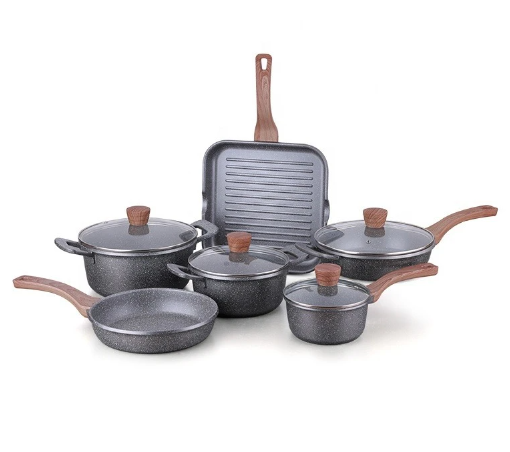
Cast iron and non-stick cookware serve different purposes. Here’s a quick comparison:
| Feature | Cast Iron | Non-stick |
|---|---|---|
| Durability | Highly durable, can last decades | Less durable, can scratch easily |
| Health Safety | Safe, no harmful chemicals | May release toxins at high temperatures |
| Heat Retention | Excellent, retains heat well | Less effective, heats quickly |
| Maintenance | Requires seasoning and care | Easy to clean, no seasoning needed |
Cast iron is safe and durable, while non-stick has potential health risks. Choose according to your cooking style and safety preferences.
Cast Iron Vs. Stainless Steel
Cast iron and stainless steel are popular choices. Here’s how they compare:
| Feature | Cast Iron | Stainless Steel |
|---|---|---|
| Heat Distribution | Even heat distribution | Good, but can create hot spots |
| Cooking Surface | Natural non-stick when seasoned | Does not have non-stick properties |
| Reactivity | Reacts with acidic foods | Non-reactive, safe for all foods |
| Weight | Heavy, can be cumbersome | Lightweight, easy to handle |
Cast iron offers excellent heat retention, while stainless steel is non-reactive. Both are safe options, but they have different cooking characteristics.
Environmental Impact
Cast iron cookware has a noticeable effect on the environment. Understanding its sustainability and energy efficiency is vital. This section explores these key factors.
Sustainability Factors
Cast iron cookware is known for its long lifespan. It can last for generations with proper care. Here are some sustainability factors:
- Made from recycled materials.
- Durable and repairable.
- Less waste compared to disposable cookware.
Buying cast iron reduces the need for frequent replacements. This choice supports sustainable living. Cast iron also holds heat well, minimizing energy waste during cooking.
Energy Efficiency
Energy efficiency is a crucial aspect of cast iron cookware. It heats evenly and retains heat effectively. This means:
- Less energy needed for cooking.
- Shorter cooking times.
- Lower energy bills over time.
Using cast iron can lead to substantial energy savings. It works well on various heat sources, including:
- Gas stoves
- Electric cooktops
- Induction burners
Choosing cast iron cookware is an eco-friendly decision. It promotes energy efficiency and sustainability.
Credit: www.diecasting-mould.com
Final Verdict
Deciding on the safety of cast iron cookware involves weighing several factors. Understanding the benefits and drawbacks is essential. Let’s explore the pros and cons to help you make an informed decision.
Balancing Pros And Cons
| Pros | Cons |
|---|---|
| Durable and long-lasting. | Heavy and may require special handling. |
| Improves with age and seasoning. | Can react with acidic foods. |
| Retains heat well for cooking. | Requires regular maintenance. |
| Adds iron to your diet. | Not dishwasher safe. |
Cast iron has many advantages, such as durability and heat retention. On the downside, they can be heavy and need care to maintain. Balance these points based on your cooking habits.
Making An Informed Choice
- Consider your cooking style.
- Think about how often you cook.
- Assess your willingness to maintain the cookware.
Cast iron cookware can be safe for many users. Those who enjoy the benefits may find it a great addition to their kitchen. However, some may prefer lighter options. Knowing your preferences helps make the best choice for your cooking needs.
Frequently Asked Questions
Are Cast Iron Pans Safe For Cooking?
Yes, cast iron pans are safe for cooking. They are durable and can withstand high temperatures. Proper seasoning creates a non-stick surface and prevents rusting. Just ensure they are cleaned and dried properly after use to maintain their safety and longevity.
Do Cast Iron Skillets Leach Chemicals?
Cast iron skillets do not leach harmful chemicals. They are made from natural materials, primarily iron and carbon. Cooking with seasoned cast iron can even add trace amounts of iron to your food. This can be beneficial for those needing dietary iron.
Can You Use Cast Iron On An Induction Cooktop?
Yes, cast iron works well on induction cooktops. Its magnetic properties allow for efficient heat transfer. Ensure your cast iron cookware has a flat bottom for best performance. This ensures even cooking and helps maintain the integrity of the cookware.
Is Cooking With Cast Iron Healthy?
Cooking with cast iron can be healthy. It allows for high-temperature cooking without releasing harmful substances. Additionally, it can increase your iron intake, which is beneficial for many individuals. Just remember to maintain the seasoning to keep the cooking surface safe.
Conclusion
Cast iron cookware offers a safe and versatile cooking experience. With proper care, it can last for generations. Enjoy the benefits of even heating and natural non-stick properties. Embrace the tradition of cast iron cooking for healthier meals. Prioritize safety and maintenance for a wonderful culinary journey.
Your kitchen deserves it!

Leave a Reply