
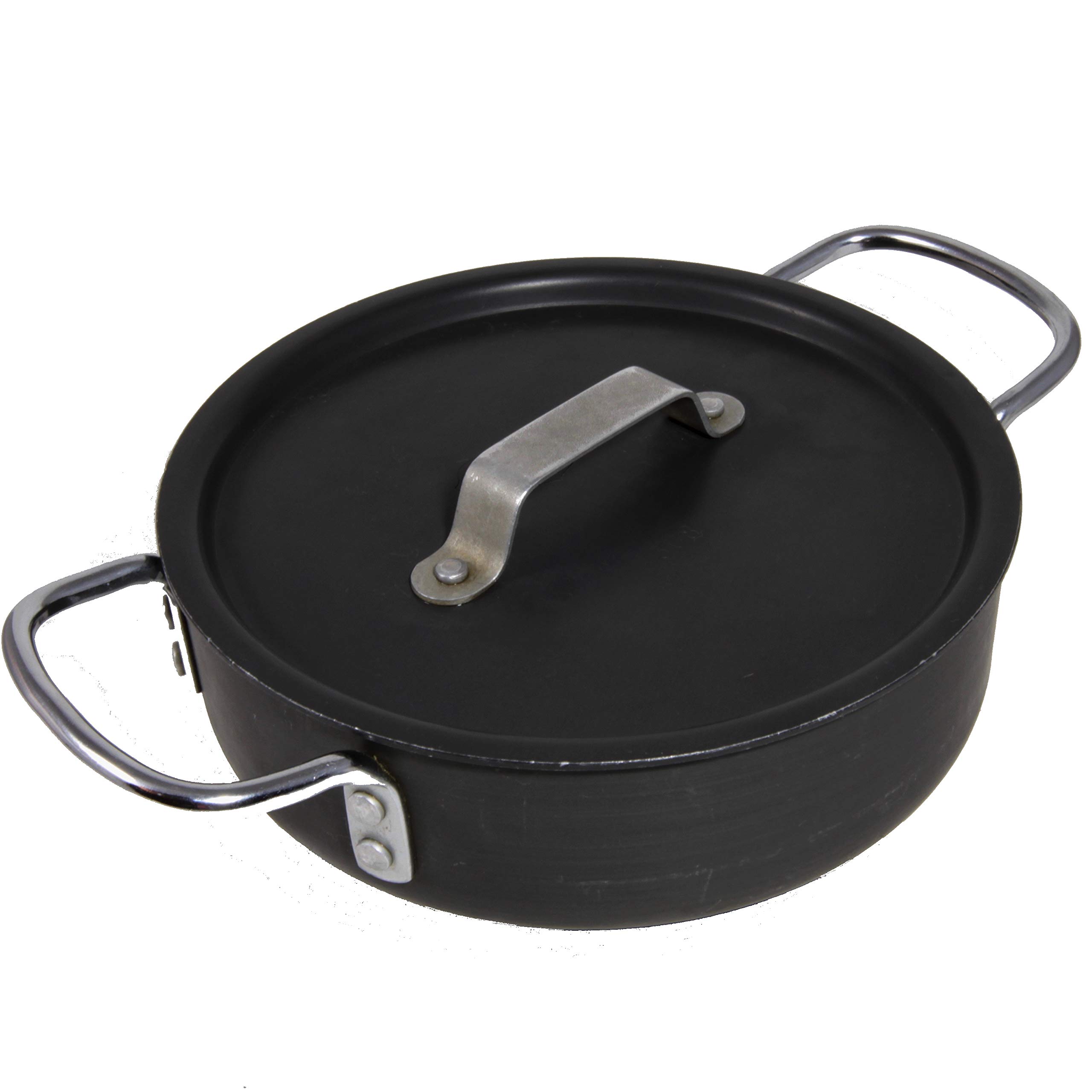
Commercial aluminum cookware is lightweight, durable, and highly conductive. It is ideal for professional kitchens due to its ability to distribute heat evenly.
Commercial aluminum cookware offers numerous benefits, making it a staple in many professional kitchens. Renowned for its excellent heat conductivity, aluminum cookware ensures that food cooks evenly, reducing the chances of hot spots that can lead to uneven cooking. This type of cookware is also lightweight, which makes it easy to handle, especially during busy service hours.
Additionally, aluminum is resistant to rust and corrosion, enhancing its longevity in a fast-paced environment. Many chefs appreciate the affordability of aluminum options, allowing for a cost-effective solution without compromising on quality. Overall, commercial aluminum cookware is a practical choice for chefs aiming for efficiency and performance.
Introduction To Commercial Aluminum Cookware
Commercial aluminum cookware has gained popularity among chefs and restaurateurs. Its lightweight nature and excellent heat conduction make it a favorite. Many kitchens now rely on aluminum cookware for efficiency and durability.
The Rise Of Aluminum In Kitchens
Aluminum cookware has become a staple in professional kitchens. It offers numerous advantages over other materials. Here are key reasons for its rise:
- Lightweight: Easy to handle during busy service times.
- Quick Heating: Heats up fast, reducing cooking time.
- Even Heat Distribution: Ensures consistent cooking results.
- Cost-Effective: Affordable option for restaurants.
Many chefs prefer aluminum for its versatility. It works well for frying, baking, and roasting. This adaptability makes it essential in commercial kitchens.
Benefits For Professional Settings
Using aluminum cookware offers distinct benefits in professional environments. Here are some notable advantages:
| Benefit | Description |
|---|---|
| Durability | Resistant to warping and corrosion, lasts for years. |
| Non-Stick Surface | Many aluminum pans come with a non-stick coating. |
| Easy to Clean | Wipes clean quickly, saving time after service. |
| Versatile Cooking Methods | Suitable for stovetops and ovens alike. |
Chefs enjoy the responsiveness of aluminum to temperature changes. This feature helps in mastering various cooking techniques. Many restaurants trust aluminum cookware for daily operations.
Key Features Of Aluminum Cookware
Aluminum cookware is a popular choice in many kitchens. It offers various advantages that enhance cooking experiences. Understanding its key features helps in making informed decisions.
Lightweight Nature
One of the standout features of aluminum cookware is its lightweight nature. This makes it easy to handle and maneuver.
- Easy to lift and pour
- Reduces fatigue during cooking
- Ideal for large meals
Heat Conductivity
Aluminum is known for its excellent heat conductivity. This means it heats up quickly and evenly.
Key benefits of this feature include:
- Faster cooking times
- Uniform heat distribution
- Reduces hot spots
Cooking with aluminum ensures food cooks perfectly every time.
Rust Resistance
Aluminum cookware is naturally rust-resistant. It doesn’t corrode easily, making it durable.
This feature offers several advantages:
| Feature | Benefit |
|---|---|
| Durability | Long-lasting performance |
| Low maintenance | Easy to clean and care for |
| Safe storage | Prevents food contamination |
Comparing Aluminum With Other Cookware Materials
Choosing the right cookware can be challenging. Many materials are available, each with unique benefits. This section compares aluminum with popular materials like stainless steel, cast iron, and copper. Understanding these differences helps in making informed cooking decisions.
Aluminum Vs. Stainless Steel
Both aluminum and stainless steel are popular choices. Here are some key differences:
| Feature | Aluminum | Stainless Steel |
|---|---|---|
| Weight | Lightweight | Heavier |
| Heat Conductivity | Excellent | Good |
| Durability | Less durable | Highly durable |
| Cost | Less expensive | More expensive |
Aluminum heats up quickly. Stainless steel holds heat well. Aluminum is cheaper but less durable. Stainless steel is strong and resists scratches.
Aluminum Vs. Cast Iron
Cast iron is famous for its heat retention. Here’s how it compares to aluminum:
- Weight: Cast iron is heavy. Aluminum is light.
- Heat Distribution: Aluminum heats evenly. Cast iron takes time to heat.
- Maintenance: Cast iron requires seasoning. Aluminum is easy to clean.
- Versatility: Cast iron works on stovetops and ovens. Aluminum is mainly for stovetop use.
Cast iron is great for slow cooking. Aluminum is better for quick meals.
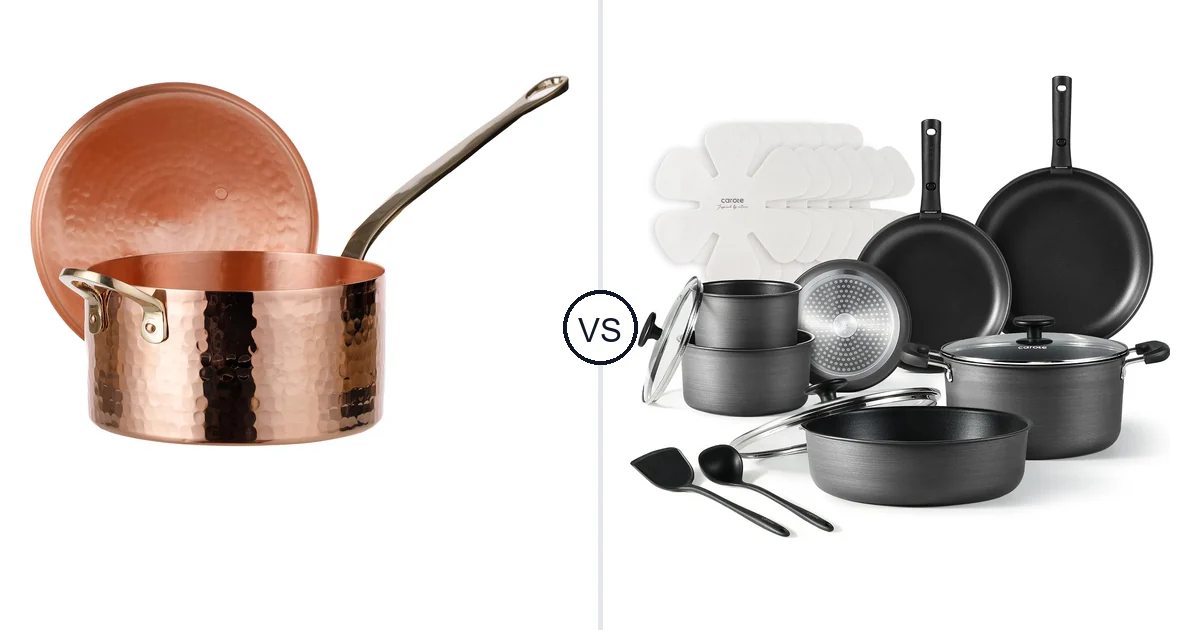
Aluminum Vs. Copper
Copper cookware is known for its excellent heat conductivity. Here’s a quick comparison:
- Conductivity: Copper conducts heat better than aluminum.
- Weight: Copper is heavier than aluminum.
- Cost: Copper is more expensive than aluminum.
- Reactivity: Aluminum can react with acidic foods. Copper also reacts but needs a lining.
Copper provides precise temperature control. Aluminum is more budget-friendly.

Credit: www.reddit.com
Essential Aluminum Cookware For Every Kitchen
Aluminum cookware is a must-have for any kitchen. It is lightweight, durable, and conducts heat well. This cookware helps you prepare meals quickly and efficiently. Here are the essential types of aluminum cookware that every kitchen needs.
Skillets And Frying Pans
Skillets and frying pans are versatile tools in any kitchen. They are perfect for frying, sautéing, and searing. Look for these features:
- Non-stick coating: Easy to clean and reduces food sticking.
- Even heat distribution: Cooks food uniformly.
- Ergonomic handle: Comfortable grip for easy handling.
Popular sizes include:
| Size | Best Uses |
|---|---|
| 8 inches | Cooking eggs or small portions. |
| 10 inches | Perfect for sautéing vegetables. |
| 12 inches | Ideal for family meals and larger dishes. |
Saucepans And Stockpots
Saucepans and stockpots are essential for boiling and simmering. They are great for soups, sauces, and pasta. Key features to consider:
- Thick base: Prevents warping and promotes even heating.
- Lid availability: Helps retain moisture and heat.
- Capacity options: Choose sizes that fit your cooking needs.
Common sizes include:
| Size | Best Uses |
|---|---|
| 1 quart | Making sauces or heating small servings. |
| 3 quart | Cooking grains or simmering soups. |
| 6 quart | Preparing large batches of food. |
Bakeware Essentials
Bakeware made of aluminum is lightweight and heats evenly. It is perfect for baking cakes, cookies, and breads. Essential items include:
- Baking sheets: Great for cookies and roasting veggies.
- Cake pans: Essential for layered cakes.
- Loaf pans: Perfect for breads and meatloaf.
Choose bakeware that is:
- Durable: Resists warping and scratching.
- Non-stick: Ensures easy food release.
Caring For Your Aluminum Cookware
Proper care extends the life of your aluminum cookware. It keeps them looking new and performing well. Follow these guidelines for cleaning, avoiding wear, and ensuring longevity.
Cleaning Tips
Cleaning your aluminum cookware is simple. Use the following steps:
- Allow cookware to cool before cleaning.
- Use warm, soapy water and a soft sponge.
- Avoid steel wool or abrasive cleaners.
- Rinse thoroughly and dry immediately.
For tough stains:
- Mix baking soda with water to form a paste.
- Apply the paste to the stain and let it sit.
- Gently scrub with a soft cloth.
Avoiding Wear And Tear
To prevent damage to your aluminum cookware, follow these tips:
- Store cookware stacked with a soft cloth in between.
- Avoid using metal utensils.
- Don’t cook on high heat for long periods.
- Use non-stick spray to prevent sticking.
Longevity Practices
Implement these practices for a longer lifespan:
| Practice | Description |
|---|---|
| Regular Seasoning | Apply a thin layer of oil before use. |
| Proper Storage | Keep cookware in a dry place. |
| Routine Inspections | Check for scratches or dents regularly. |
Following these tips will ensure your aluminum cookware remains in great shape. Enjoy cooking with your well-maintained pots and pans!

Credit: www.reddit.com
The Environmental Impact Of Aluminum Cookware
Aluminum cookware has gained popularity for its lightweight and durable nature. However, its environmental impact raises important questions. Understanding how aluminum affects our planet helps us make better choices.
Recycling And Sustainability
Aluminum is highly recyclable. About 75% of all aluminum produced is still in use today. Recycling aluminum saves energy and reduces waste. Here are some benefits:
- Energy Savings: Recycling uses 95% less energy than making new aluminum.
- Less Waste: Recycled aluminum reduces landfill waste significantly.
- Resource Conservation: Recycling helps preserve natural resources.
Many manufacturers focus on creating products with recycled aluminum. This supports sustainability and reduces environmental footprints.
Energy Consumption In Production
Producing aluminum cookware requires significant energy. The process involves mining, refining, and manufacturing. Here’s a breakdown of energy consumption:
| Process | Energy Use (per ton) |
|---|---|
| Bauxite Mining | 1.5 MWh |
| Refining | 15 MWh |
| Smelting | 13.5 MWh |
| Manufacturing | 2 MWh |
These processes contribute to greenhouse gas emissions. Choosing energy-efficient cookware can mitigate these effects.
Opting for commercial aluminum cookware made from recycled materials can help. It supports a circular economy and reduces the need for new resources.
Myths And Facts About Aluminum Cookware
Many people have misconceptions about aluminum cookware. These myths can lead to confusion. It is important to separate fact from fiction. Understanding these can help you make informed choices.
Health Concerns Debunked
One common myth is that aluminum cookware is harmful to health. Studies show that aluminum is safe for cooking. Here are some key points:
- Aluminum exposure: Regular cooking does not increase aluminum levels in food.
- Alzheimer’s disease: No direct link between aluminum and Alzheimer’s has been proven.
- Government guidelines: Organizations like the FDA endorse aluminum cookware.
Some people worry about acidic foods. They believe these react with aluminum. This is not entirely true. Modern aluminum cookware is often anodized. This process makes it safe for all types of cooking.
Performance Misconceptions
Another myth involves the performance of aluminum cookware. Many think it is not durable. This is incorrect. Here are some facts about performance:
| Myth | Fact |
|---|---|
| Aluminum cookware warps easily. | High-quality aluminum cookware is very durable. |
| Food sticks to aluminum pans. | Non-stick coatings improve food release. |
| Aluminum heats unevenly. | Aluminum conducts heat well and cooks evenly. |
Many chefs prefer aluminum cookware for its heat conductivity. It allows for quick cooking. This means less energy used. It also ensures dishes are cooked evenly.
Separate fact from myth. Choose aluminum cookware with confidence.
Choosing The Right Aluminum Cookware For Your Business
Selecting the best aluminum cookware is essential for any commercial kitchen. The right choice enhances cooking efficiency and food quality. Consider key factors before making your purchase.
Budget Considerations
Budget plays a vital role in your cookware selection. Here are some tips to manage your budget:
- Determine your total budget for cookware.
- Compare prices across different suppliers.
- Consider bulk purchasing for savings.
Investing in quality cookware may cost more upfront. However, it can save money in the long run due to durability.
Quality And Brand Reputation
Quality and brand reputation matter greatly. Trusted brands often provide better products. Consider these factors:
- Look for aluminum cookware with a non-stick surface.
- Choose brands known for durability.
- Read customer reviews and ratings.
Research brands that specialize in commercial cookware. High-quality options can improve cooking performance.
Specific Cooking Needs
Your cooking requirements dictate the type of cookware you need. Identify your specific needs:
- What types of dishes do you prepare most?
- Do you need lightweight or heavy-duty cookware?
- Consider the heat sources you use.
Different cookware serves various purposes. Choose aluminum pots and pans that match your cooking style.
| Cookware Type | Best For | Durability |
|---|---|---|
| Fry Pans | Searing and frying | High |
| Stock Pots | Soups and stews | Medium |
| Baking Sheets | Baking and roasting | Medium |

Credit: www.reddit.com
Frequently Asked Questions
What Are The Benefits Of Aluminum Cookware?
Aluminum cookware is lightweight and conducts heat evenly. It heats quickly, reducing cooking time and energy consumption. Additionally, it’s often more affordable than other materials. Many aluminum pots and pans are also durable and resistant to warping, making them ideal for everyday use in busy kitchens.
Is Aluminum Cookware Safe For Cooking?
Yes, aluminum cookware is generally safe for cooking. However, some studies suggest that excessive aluminum exposure may pose health risks. To minimize this, choose anodized or coated aluminum cookware, which reduces leaching. Always follow manufacturer guidelines for safe use and care to ensure optimal performance and safety.
How To Clean Commercial Aluminum Cookware?
To clean commercial aluminum cookware, use warm, soapy water and a non-abrasive sponge. Avoid harsh cleaners or steel wool, as they can scratch the surface. For tough stains, a mixture of baking soda and water works effectively. Rinse thoroughly and dry immediately to prevent discoloration.
Can Aluminum Cookware Be Used On Induction Cooktops?
Standard aluminum cookware is not compatible with induction cooktops. Induction cooking requires magnetic materials, like stainless steel or cast iron. However, some aluminum cookware comes with a magnetic base, making it induction-friendly. Always check product specifications before purchasing to ensure compatibility with your induction cooktop.
Conclusion
Commercial aluminum cookware offers durability and efficiency for professional kitchens. Its lightweight design and excellent heat conductivity make cooking a breeze. Chefs appreciate its versatility and easy maintenance. Investing in quality aluminum cookware can elevate your culinary creations. Choose wisely to enhance your cooking experience and achieve consistent results every time.

Leave a Reply