
Ceramic coated cookware is generally safe for cooking. It does not release harmful chemicals when used correctly.
Ceramic coated cookware has gained popularity in modern kitchens for its non-stick properties and ease of cleaning. Made from a metal base coated with a layer of ceramic, it offers a healthier alternative to traditional non-stick pans. Unlike some non-stick surfaces that may release harmful substances, ceramic coatings are free from PTFE and PFOA.
This makes them a safer choice for cooking at high temperatures. Many users appreciate their ability to retain heat evenly while preventing food from sticking. As more people seek healthier cooking options, understanding the safety and benefits of ceramic coated cookware becomes essential for informed culinary decisions.
Introduction To Ceramic Coated Cookware
Ceramic coated cookware has gained popularity in recent years. It offers a non-stick cooking surface without harmful chemicals. Many people wonder about its safety and durability. This post explores the rise of ceramic cookware and compares it with other materials.
The Rise Of Ceramic Cookware
Ceramic cookware became popular due to its advantages:
- Non-toxic: Free from PTFE and PFOA.
- Eco-friendly: Made from natural materials.
- Versatile: Suitable for various cooking methods.
- Easy to clean: Non-stick surface simplifies cleanup.
Consumers appreciate these benefits. Many switch from traditional non-stick options. The appeal lies in healthier cooking without sacrificing convenience.
Comparing Materials
Choosing the right cookware is essential. Below is a comparison of different materials:
| Material | Non-Stick | Durability | Safety |
|---|---|---|---|
| Ceramic | Yes | Moderate | Non-toxic |
| Cast Iron | No | High | Safe |
| Stainless Steel | No | High | Safe |
| Traditional Non-Stick | Yes | Low | Potentially harmful |
Ceramic cookware offers a good balance of safety and usability. It stands out among non-toxic options. Cast iron and stainless steel are durable alternatives.
Choosing the right cookware enhances your cooking experience. Understanding the benefits of ceramic coated cookware is crucial.

Credit: thecookwareadvisor.com
The Composition Of Ceramic Coated Cookware
Ceramic coated cookware is popular for its non-stick properties. Understanding its composition helps in assessing its safety and durability. Let’s explore the core materials and the ceramic coating process.
Core Materials
The core materials of ceramic coated cookware can vary. Most cookware uses metal as the base. Common metals include:
- Aluminum: Lightweight and heats quickly.
- Stainless Steel: Durable and resistant to rust.
- Cast Iron: Excellent heat retention and even cooking.
Each material has unique benefits. Aluminum is great for quick cooking. Stainless steel offers longevity. Cast iron provides superior heat distribution.
The Ceramic Coating Process
The ceramic coating process involves several steps. First, the metal surface is cleaned and prepared. Then, a liquid ceramic mixture is applied. This mixture often includes:
- Silica
- Oxygen
- Other inorganic materials
After applying the mixture, the cookware is heated. This step helps bond the ceramic layer to the metal. The result is a smooth, non-stick surface.
Some coatings are reinforced with other materials. This enhances durability and scratch resistance. Always check for safe and reliable brands.
Benefits Of Using Ceramic Coated Cookware
Ceramic coated cookware offers many advantages for home cooks. It combines functionality with style. Here are some key benefits:
Non-stick Properties
Ceramic coated cookware has excellent non-stick properties. Food easily slides off the surface. This feature reduces the need for excessive oil or butter.
- Healthier cooking options.
- Less sticking means fewer burnt meals.
- Perfect for delicate foods like eggs and pancakes.
Ease Of Cleaning
Cleaning ceramic coated cookware is simple and quick. Most food residue wipes away effortlessly. Many pieces are dishwasher safe, too.
- Use a soft sponge or cloth.
- Avoid harsh chemicals to protect the coating.
- No need for scrubbing or soaking.
Aesthetic Appeal
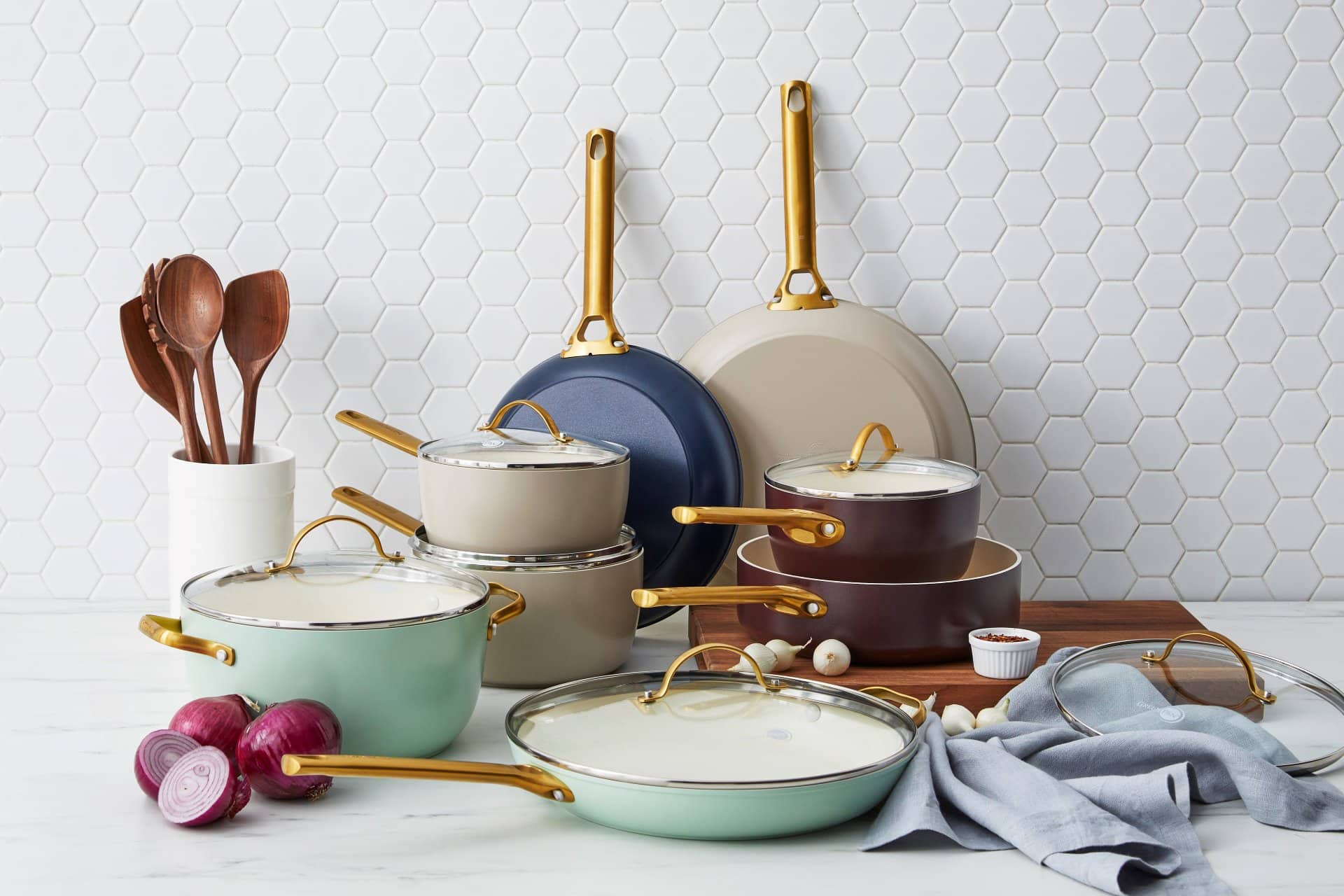
Ceramic cookware comes in various colors and designs. It adds a vibrant touch to your kitchen. Many people love displaying it on their countertops.
| Color | Style | Material |
|---|---|---|
| Red | Modern | Ceramic |
| Blue | Classic | Ceramic |
| Green | Rustic | Ceramic |
Choose ceramic coated cookware to enjoy these benefits. It enhances your cooking experience.
Health Concerns And Safety
Many people wonder about the safety of ceramic coated cookware. Understanding potential health risks helps consumers make informed choices. Here are some important aspects to consider.
Potential Toxins
Ceramic coated cookware is generally considered safe. However, some concerns exist about toxins. Here are a few points to note:
- PTFE and PFOA: Some non-stick coatings contain these chemicals. They may cause health issues.
- Heavy metals: Some cheaper ceramic coatings might have traces of lead or cadmium. Always check for certification.
- High temperatures: Overheating can release harmful substances. Avoid extreme heat to minimize risks.
Temperature Limits
Ceramic cookware has specific temperature limits. Exceeding these limits can affect safety and performance. Here’s a quick overview:
| Cookware Type | Temperature Limit |
|---|---|
| Ceramic Non-Stick | Up to 450°F (232°C) |
| Pure Ceramic | Up to 500°F (260°C) |
| Stoneware | Up to 400°F (204°C) |
Always check manufacturer guidelines. Staying within these limits helps maintain safety.
Leaching Issues
Leaching refers to substances moving from cookware into food. Here are key points about leaching with ceramic cookware:
- Safe materials: High-quality ceramic coatings are designed to be non-leaching.
- Low-quality products: They may leach chemicals, especially at high temperatures.
- Testing: Look for independent testing results. This ensures product safety.
Choosing certified ceramic cookware can reduce leaching risks. Prioritize brands with a good reputation for safety.
Comparative Analysis With Other Cookware
Understanding the safety of ceramic coated cookware involves comparing it with other popular options. Each type has its unique properties and safety features. Let’s dive into a detailed comparison.
Ceramic Vs. Teflon
Ceramic and Teflon are both non-stick options. Here’s how they stack up:
| Feature | Ceramic | Teflon |
|---|---|---|
| Safety | Free from PTFE and PFOA | Can release toxic fumes at high heat |
| Durability | More scratch-resistant | Less durable, prone to scratching |
| Heat Resistance | Higher heat tolerance | Lower heat tolerance |
Ceramic Vs. Stainless Steel
Ceramic and stainless steel cookware serve different cooking needs. Here are key differences:
- Non-stick quality: Ceramic is non-stick, while stainless steel requires oil.
- Heat distribution: Stainless steel provides even heat, ceramic may have hot spots.
- Safety: Both are generally safe but stainless steel can leach nickel.
Ceramic Vs. Cast Iron
Ceramic and cast iron cookware are popular choices. Here’s how they compare:
- Weight: Ceramic is lighter than cast iron.
- Maintenance: Ceramic is easier to clean; cast iron needs seasoning.
- Cooking style: Cast iron excels at high-heat cooking; ceramic is better for low to medium heat.
Both ceramic and cast iron have unique advantages and disadvantages. Choosing the right one depends on your cooking style and safety preferences.
User Experiences And Feedback
Consumer feedback provides valuable insights into the safety and usability of ceramic coated cookware. Users share their experiences, highlighting both benefits and concerns. This section covers consumer reviews and long-term durability, helping you make informed choices.
Consumer Reviews
Many users praise ceramic coated cookware for its non-stick properties. Cooking and cleaning are easier, leading to a better cooking experience. Here are some common points from user reviews:
- Easy to clean: Most users find ceramic cookware easy to wash.
- Safe cooking: Many appreciate the absence of toxic chemicals.
- Versatile: Users enjoy using it for various cooking methods.
- Even heating: Several reviews mention consistent cooking results.
Some users express concerns about durability. A few report scratches or chips after regular use. These issues may arise from using metal utensils or high heat. Always follow the manufacturer’s care instructions for best results.
Long-term Durability
Long-term durability is a significant factor for many consumers. Users often wonder how well ceramic coated cookware holds up over time. Here’s a summary of user experiences:
| Durability Factor | User Rating (out of 5) |
|---|---|
| Scratch Resistance | 3.5 |
| Chip Resistance | 4.0 |
| Non-Stick Longevity | 4.2 |
| Heat Resistance | 4.5 |
Many users report that ceramic cookware lasts longer than traditional non-stick options. Regular maintenance helps preserve its quality. Avoiding metal utensils and using low to medium heat extends its life. Overall, user feedback emphasizes that ceramic coated cookware can be a safe and reliable choice for your kitchen.
Proper Care And Maintenance
Proper care and maintenance of ceramic coated cookware ensure its longevity and safety. With the right techniques, you can keep your cookware in top shape. This section covers effective cleaning tips and methods to prevent wear and tear.
Cleaning Tips
Cleaning ceramic coated cookware is essential for maintaining its performance. Follow these simple tips:
- Use soft sponges: Avoid steel wool or abrasive pads.
- Hand wash: Clean with warm soapy water after each use.
- Dry immediately: Prevent water spots by drying cookware quickly.
- Avoid cooking sprays: These can leave residue.
- Use a gentle cleanser: Choose non-abrasive options for tough stains.
Preventing Wear And Tear
Preventing wear and tear helps extend the life of your cookware. Consider these strategies:
- Use low to medium heat: High heat can damage the coating.
- Use wooden or silicone utensils: Protect the coating from scratches.
- Store carefully: Stack cookware with cloth or paper in between.
- Avoid sudden temperature changes: Let cookware cool before washing.
- Follow manufacturer’s instructions: Each brand may have specific care guidelines.
By following these care tips, your ceramic coated cookware will remain safe and effective for years.

Credit: madeincookware.com
Conclusion: Making An Informed Choice
Choosing the right cookware impacts health and the environment. Understanding the safety of ceramic coated cookware is essential. This section examines both sides to help you decide wisely.
Weighing The Pros And Cons
Consider the benefits and drawbacks of ceramic coated cookware:
| Pros | Cons |
|---|---|
| Non-stick surface reduces the need for oil. | Can chip or scratch with metal utensils. |
| Free from harmful chemicals like PTFE. | May not withstand high heat. |
| Easy to clean and maintain. | Durability varies by brand and quality. |
| Environmentally friendly options available. | Some products may contain heavy metals. |
Personal And Environmental Considerations
Evaluate how cookware affects personal health and the planet. Think about these factors:
- Personal health: Choose cookware free from harmful substances.
- Durability: Select products that last longer to reduce waste.
- Environmental impact: Look for eco-friendly materials.
- Research brands with transparent safety standards.
- Read reviews from trusted sources.
- Consider your cooking style and needs.
Making a wise choice involves balancing health, safety, and environmental impact.
Credit: learn.surlatable.com
Frequently Asked Questions
Is Ceramic Coated Cookware Toxic?
Ceramic coated cookware is generally considered safe. Unlike traditional non-stick pans, they do not contain harmful chemicals like PTFE or PFOA. However, it’s essential to choose high-quality brands to ensure the coatings are free from heavy metals and other toxins.
Can Ceramic Cookware Withstand High Temperatures?
Yes, ceramic cookware can withstand high temperatures. Most ceramic coatings are designed to handle heat up to 500°F (260°C). However, extreme temperature changes can cause cracking, so avoid sudden shifts from hot to cold.
How Do I Clean Ceramic Coated Cookware?
Cleaning ceramic coated cookware is straightforward. Use warm, soapy water and a soft sponge to avoid scratching the surface. For stubborn stains, baking soda can be effective. Always avoid abrasive cleaners to maintain the coating’s integrity.
Does Ceramic Cookware Need Special Utensils?
While ceramic cookware is durable, it’s best to use non-metal utensils. Silicone, wood, or plastic utensils help prevent scratches and preserve the coating. This will extend the lifespan of your cookware and keep it looking new.
Conclusion
Ceramic coated cookware offers a safe and effective cooking option for many. It provides a non-stick surface without harmful chemicals. Regular care and proper usage will enhance its longevity. Always choose high-quality brands to ensure safety. Enjoy cooking with peace of mind, knowing your cookware supports healthy meal preparation.

Leave a Reply