
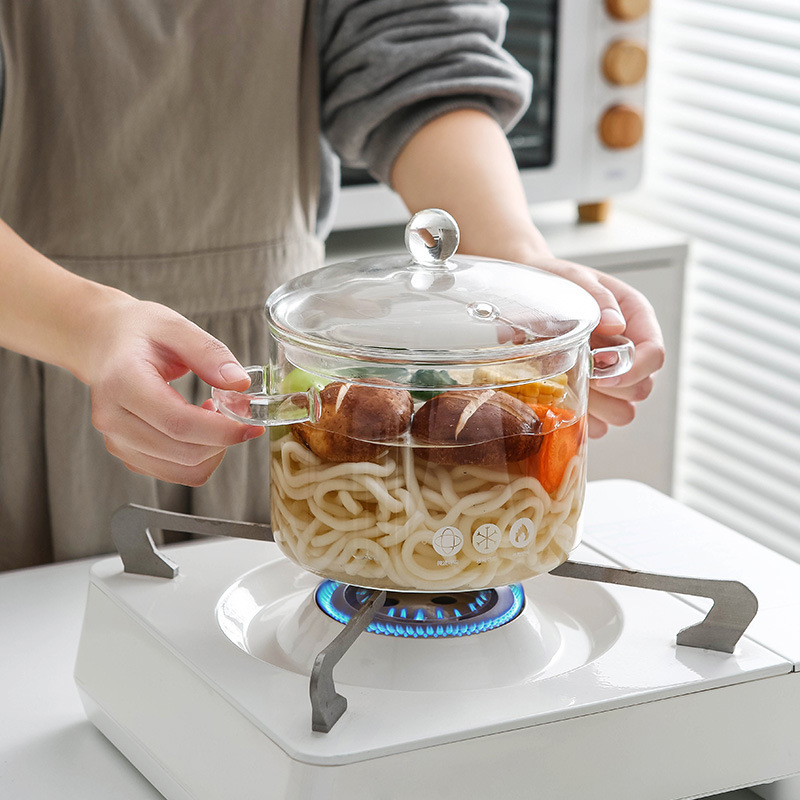
Borosilicate glass cookware is known for its durability and resistance to thermal shock. It is ideal for both cooking and baking, offering versatility in the kitchen.
Borosilicate glass cookware stands out as a popular choice among home cooks and professional chefs alike. Made from silica and boron trioxide, this glass can withstand extreme temperature changes without cracking. Its non-porous surface doesn’t retain odors or stains, making it easy to clean.
Safe for use in ovens, microwaves, and dishwashers, borosilicate cookware provides excellent heat distribution for even cooking. With its transparent design, monitoring food while cooking becomes effortless. Choosing borosilicate glass cookware enhances your culinary experience, combining practicality with aesthetic appeal. Enjoy a healthier cooking option with this innovative material that supports all your culinary adventures.
Introduction To Borosilicate Glass Cookware
Borosilicate glass cookware is gaining popularity in kitchens. It offers durability and versatility. This type of glass is known for its ability to withstand high temperatures. Let’s explore what makes borosilicate glass cookware special.
The Basics
Borosilicate glass is made from silica and boron trioxide. This unique combination gives it special properties. Here are some key features:
- Heat Resistant: Can handle extreme temperatures.
- Durable: Less likely to break or shatter.
- Non-reactive: Safe for all types of food.
- Easy to Clean: Dishwasher safe and stain-resistant.
Why It Stands Out
Borosilicate glass cookware stands out for several reasons:
| Feature | Benefit |
|---|---|
| Versatile Use | Can be used in ovens, microwaves, and freezers. |
| Safe for Health | No leaching of chemicals into food. |
| Stylish Design | Looks great for serving at the table. |
This cookware is perfect for baking, roasting, and storing. Enjoy the benefits of cooking with borosilicate glass!

Credit: www.iferi.com
Historical Evolution
The history of Borosilicate Glass Cookware reveals a fascinating journey. It showcases the blend of science and cooking. This cookware has transformed kitchens worldwide.
Early Inventions
The story begins in the late 19th century. Scientists aimed to create a glass that could withstand high temperatures. In 1893, German chemist Otto Schott developed borosilicate glass. This glass was strong and resistant to thermal shock.
In the early 20th century, borosilicate glass found its way into kitchens. It was used in laboratory equipment first. Soon, manufacturers saw its potential for cookware.
- 1900s: Initial use in laboratories.
- 1915: First borosilicate glass cookware introduced.
- 1920s: Popularity grew among home cooks.
Modern Advancements
Today, borosilicate glass cookware is a kitchen essential. Modern technology has enhanced its design and durability. Manufacturers focus on safety and style.
Key advancements include:
- Tempered Glass: Increased strength and resistance.
- Microwave Safe: Suitable for various cooking methods.
- Dishwasher Friendly: Easy to clean and maintain.
| Year | Development | Impact |
|---|---|---|
| 1893 | Creation of borosilicate glass | Foundation for cookware |
| 1915 | First cookware launched | Increased cooking efficiency |
| 2000s | Modern designs introduced | Enhanced user experience |
Key Properties Of Borosilicate Glass
Borosilicate glass is popular in kitchens. It has unique properties. These features make it a favorite for cookware. Let’s explore its key properties.
Chemical Composition
Borosilicate glass consists of silica and boron trioxide. This special mixture gives it strength. Here are some important points about its composition:
- Silica (SiO2): Makes up 80% of the glass.
- Boron Trioxide (B2O3): Accounts for 13-15%.
- Alumina (Al2O3): Added for extra durability.
- Other Oxides: Small amounts of sodium and potassium.
This unique blend makes borosilicate glass resistant to chemicals. It does not react with food or liquids. This ensures safe cooking and storage.
Temperature Resistance
Borosilicate glass can handle extreme temperatures. It can go from the freezer to the oven. Here are key facts about its temperature resistance:
| Temperature Range | Usage |
|---|---|
| -40°C to 300°C | Safe for baking and roasting. |
| Freezer Safe | Good for storing food. |
| Microwave Safe | Convenient for reheating meals. |
This durability prevents breakage. It minimizes thermal shock. Borosilicate glass cookware lasts longer than regular glass. Choose it for reliable kitchen use.
Comparing Durability
Borosilicate glass cookware stands out for its strength and resilience. This section compares the durability of borosilicate glass with soda-lime glass. Understanding these differences helps in choosing the right cookware.
Borosilicate Vs. Soda-lime Glass
Borosilicate glass and soda-lime glass differ in composition and durability:
| Property | Borosilicate Glass | Soda-lime Glass |
|---|---|---|
| Thermal Resistance | High | Low |
| Resistance to Chemicals | Excellent | Good |
| Weight | Lightweight | Heavier |
| Cost | Higher | Lower |
Borosilicate glass is more durable. It withstands extreme temperatures without breaking. Soda-lime glass can shatter easily under thermal stress. This makes borosilicate the better choice for cooking.
Impact And Scratch Resistance
Impact and scratch resistance are vital for cookware durability. Here’s how the two types compare:
- Borosilicate Glass:
- Highly resistant to impacts
- Does not easily scratch
- Maintains clarity over time
- Soda-lime Glass:
- More prone to chips
- Scratches easily
- May become cloudy over time
Borosilicate glass remains clear and undamaged. This makes it ideal for everyday cooking. Choosing borosilicate glass helps ensure long-lasting cookware.
Versatility In The Kitchen
Borosilicate glass cookware is a kitchen game-changer. It adapts to many cooking methods. This material withstands heat and temperature changes well. You can use it for baking, cooking, or serving. Its versatility saves time and space in your kitchen.
From Oven To Table
Borosilicate glass cookware is perfect for oven use. It can handle high temperatures without breaking. You can bake casseroles, lasagna, and desserts easily.
Once cooked, you can serve directly from the dish. This reduces the number of dishes to wash. Plus, borosilicate glass is stylish. It looks great on any table setting.
- Safe for oven: Can withstand high heat.
- Attractive design: Enhances table presentations.
- Easy to clean: Non-stick surface helps with cleanup.
Freezing And Microwaving
Borosilicate glass is freezer safe. You can store leftovers without worry. It won’t crack or warp in cold temperatures.
Microwaving is simple too. Just cover the dish and heat your food. The glass evenly distributes heat, cooking food thoroughly.
Benefits of using borosilicate glass for freezing and microwaving:
| Feature | Benefit |
|---|---|
| Freezer Safe | Store food without cracking. |
| Microwave Safe | Even heating for better results. |
| Durable | Lasts longer than regular glass. |
Choose borosilicate glass cookware for its amazing versatility. It makes cooking, serving, freezing, and microwaving easy.
Health And Safety Benefits
Borosilicate glass cookware offers many health and safety benefits. It is a smart choice for your kitchen. This material ensures safe cooking without harmful side effects.
Non-toxic Material
Borosilicate glass is made from natural materials. It does not contain harmful chemicals. Here are some key points about its safety:
- Lead-Free: Safe for food contact.
- BPA-Free: No harmful plastics involved.
- Non-Reactive: Won’t alter food taste.
Avoiding Chemical Leaching
Many cookware options leach chemicals into food. Borosilicate glass prevents this. Here’s how:
| Cookware Type | Chemical Leaching Risk |
|---|---|
| Non-Stick Cookware | High |
| Aluminum Cookware | Medium |
| Borosilicate Glass | Very Low |
Borosilicate glass does not interact with food. It keeps your meals safe. Choose this cookware for a healthier cooking experience.
Caring For Borosilicate Cookware
Proper care for borosilicate cookware ensures its longevity and performance. This type of glass is sturdy and heat-resistant. However, it still requires special attention to maintain its quality. Follow these tips for cleaning and avoiding thermal shock.
Cleaning Tips
Cleaning borosilicate cookware is easy. Here are some effective methods:
- Use warm, soapy water for routine cleaning.
- For tough stains, soak the cookware in warm water.
- Use a soft sponge to avoid scratches.
- Never use steel wool or harsh chemicals.
- Rinse thoroughly and dry with a soft cloth.
For baked-on food, try this:
- Fill the dish with hot water.
- Add a few drops of dish soap.
- Let it soak for 30 minutes.
- Scrub gently with a sponge.
Avoiding Thermal Shock
Thermal shock can damage borosilicate glass. Follow these tips to prevent it:
- Do not place cold cookware into a hot oven.
- Let hot cookware cool down before washing.
- Avoid sudden temperature changes.
- Use oven mitts to handle hot items.
- Store cookware in a stable environment.
By following these care tips, your borosilicate cookware will last longer and perform better.

Credit: www.amazon.com
Exploring The Market
Borosilicate glass cookware has gained popularity. It offers durability and versatility. Many brands provide various options. Choosing the right one can be challenging. Let’s explore top brands and compare costs and value.
Top Brands
- Pyrex – A trusted name in glass cookware. Known for its durability and heat resistance.
- Anchor Hocking – Offers a wide range of glass dishes. Great for baking and serving.
- Visions – Known for its beautiful amber glass. Microwave and stovetop safe.
- OvenSafe – Specializes in oven-safe glass cookware. Perfect for those who love baking.
Cost Vs. Value
Price varies among brands. Here’s a simple table to help you compare:
| Brand | Average Price | Value Rating |
|---|---|---|
| Pyrex | $20-$50 | High |
| Anchor Hocking | $15-$40 | Medium |
| Visions | $25-$60 | High |
| OvenSafe | $30-$70 | Medium |
Choosing a brand depends on your needs. Consider how often you cook. Look for durability and heat resistance. Higher prices often mean better quality.
Evaluate your budget. Invest in reliable cookware. You will enjoy cooking more with quality products.
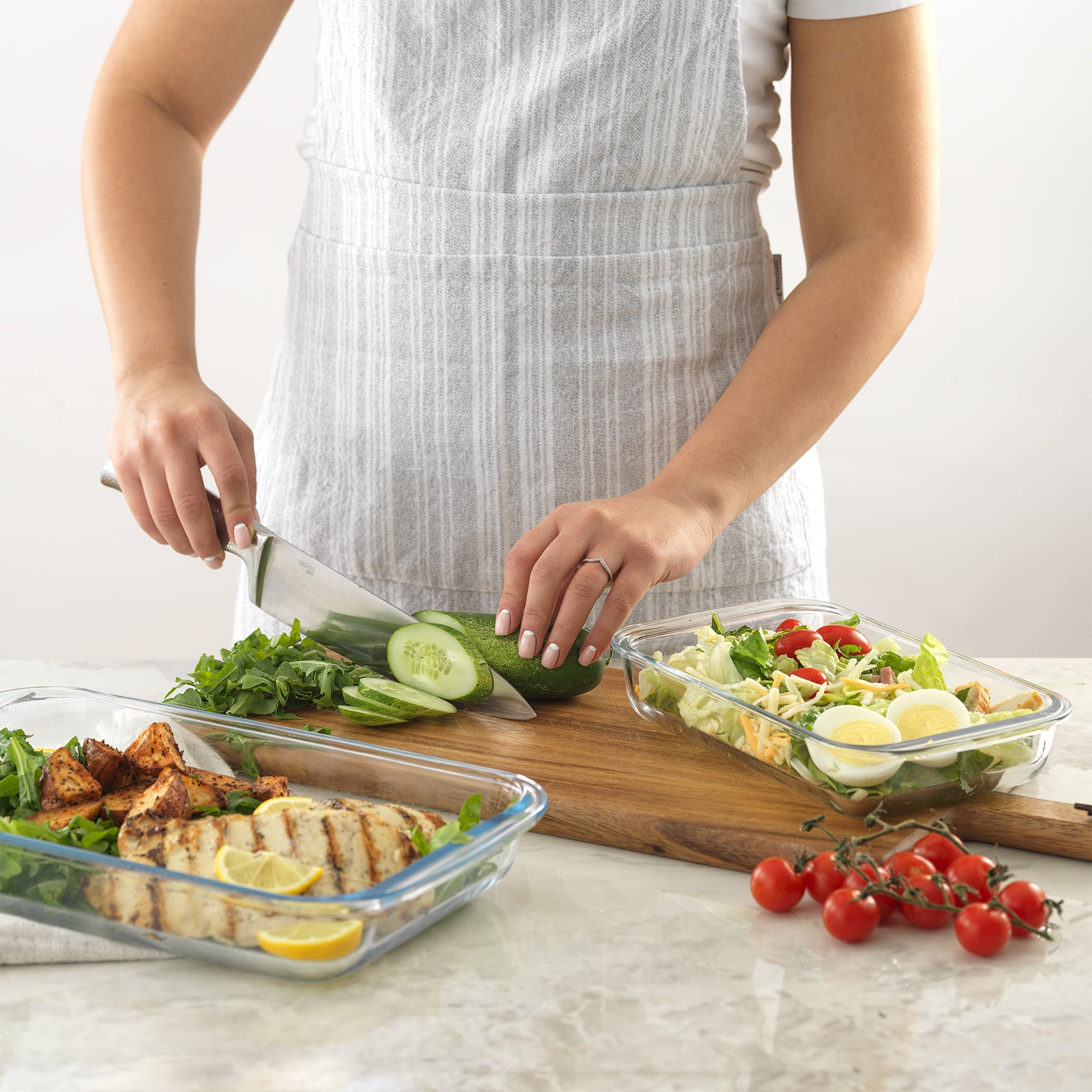
Credit: joyjolt.com
Frequently Asked Questions
What Is Borosilicate Glass Cookware?
Borosilicate glass cookware is a type of kitchenware made from silica and boron trioxide. This composition makes it resistant to thermal shock, allowing it to withstand sudden temperature changes. It’s ideal for baking, microwaving, and serving, ensuring durability and versatility in your cooking.
Is Borosilicate Glass Cookware Safe?
Yes, borosilicate glass cookware is safe for food use. It is non-toxic and free from harmful chemicals like BPA. Additionally, it doesn’t leach substances into your food, making it a healthy option for cooking and storage. Always ensure it’s labeled as food-safe for best practices.
Can Borosilicate Glass Go In The Oven?
Absolutely! Borosilicate glass cookware can be safely used in the oven. Its high resistance to heat allows it to endure oven temperatures without breaking or warping. Just make sure to follow the manufacturer’s guidelines for temperature limits to ensure optimal performance.
How To Clean Borosilicate Glass Cookware?
Cleaning borosilicate glass cookware is simple and straightforward. You can use warm, soapy water and a soft sponge. For tough stains, a baking soda paste can effectively remove residue without scratching the surface. Avoid harsh chemicals to maintain its integrity and longevity.
Conclusion
Borosilicate glass cookware stands out for its durability and versatility. It can withstand high temperatures, making it ideal for various cooking methods. Investing in this type of cookware enhances your kitchen experience. Enjoy the benefits of safe, non-toxic cooking while elevating your culinary creations.
Choose borosilicate glass for quality and performance.

Leave a Reply