
Non-stick cookware poses health risks due to harmful chemicals like PFOA and PTFE. These substances can release toxic fumes when overheated.
Non-Stick Cookware Dangers:Non-stick cookware is popular for its convenience and ease of cleaning. However, concerns about its safety have emerged, particularly regarding the chemicals used in its production. Many non-stick pans contain polytetrafluoroethylene (PTFE) and perfluorooctanoic acid (PFOA), both of which can release harmful fumes when heated excessively.
Over time, these chemicals may degrade and enter food. The potential risks include respiratory issues and other health problems. As consumers become more health-conscious, understanding the dangers of non-stick cookware is crucial. Exploring safer alternatives and proper usage can help mitigate these risks while enjoying the benefits of cooking with non-stick surfaces.
Introduction To Non-stick Cookware
Non-stick cookware has transformed the way we cook. It allows for easy food release and quick clean-up. But, some dangers lurk beneath its shiny surface. Understanding these dangers is essential for safe cooking.
Popularity And Convenience
Non-stick pans are popular in kitchens worldwide. Their convenience makes cooking enjoyable. Here are some reasons for their popularity:
- Easy Food Release: Foods slide off easily.
- Less Oil Required: Healthier cooking options.
- Quick Clean-Up: Saves time on washing dishes.
- Lightweight: Easy to handle and store.
The Basics Of Non-stick Technology
Non-stick cookware uses a special coating. This coating prevents food from sticking. The most common material is Teflon. It’s made of polytetrafluoroethylene (PTFE). Here’s what you should know:
| Material | Pros | Cons |
|---|---|---|
| Teflon (PTFE) | Easy to clean, great heat conductor | Can release toxic fumes at high heat |
| Ceramic | Eco-friendly, non-toxic | Less durable, can chip easily |
| Cast Iron (seasoned) | Highly durable, natural non-stick | Heavy, requires maintenance |
Understanding these materials helps in making informed choices. Some coatings can break down over time. It’s important to choose wisely for health and safety.
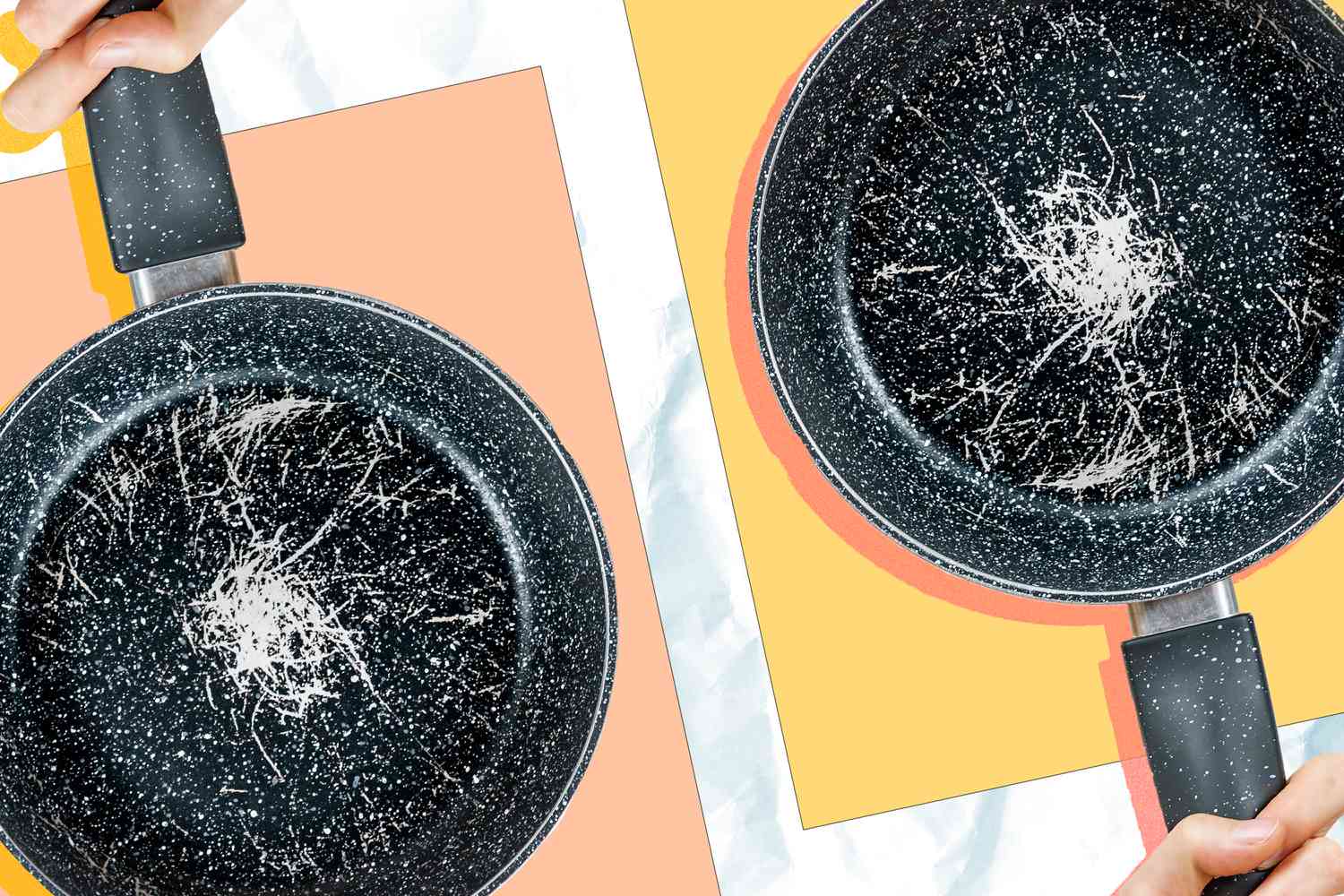
:max_bytes(150000):strip_icc()/Simply-Recipes-Scratched-Skillet-LEAD-01-b4ce97b15a994f2eacbb729aa4d99bc7.jpg)
Credit: www.simplyrecipes.com
Chemicals In Non-stick Coatings
Non-stick cookware often contains chemicals that raise health and safety concerns. These chemicals help food slide off easily. However, some can be harmful to our health and the environment. Understanding these chemicals is essential for safe cooking.
Ptfe And Its Risks
PTFE, or polytetrafluoroethylene, is a common non-stick coating. It’s known for its heat resistance and durability. However, heating PTFE to high temperatures can release toxic fumes. These fumes can cause flu-like symptoms in humans. This condition is known as “polymer fume fever.”
Here are some key points about PTFE:
- PTFE is stable at low temperatures.
- It breaks down above 500°F (260°C).
- Toxic fumes can harm birds and other pets.
- Using metal utensils can scratch PTFE surfaces.
Pfoa: Environmental And Health Concerns
PFOA, or perfluorooctanoic acid, was used to make PTFE. This chemical is linked to various health problems. Studies show it may increase the risk of cancer, thyroid disorders, and immune issues.
Here are some facts about PFOA:
| Health Risks | Environmental Impact |
|---|---|
| Cancer risk | Pollutes water sources |
| Thyroid problems | Affects wildlife |
| Immune system issues | Bioaccumulates in animals |
PFOA has been phased out in many products. However, some non-stick cookware still uses PTFE. Always check labels when buying cookware.
Temperature Thresholds And Toxicity
Non-stick cookware offers convenience but comes with risks. Understanding temperature thresholds is vital. High temperatures can release harmful toxins. Knowing safe cooking practices helps reduce health risks.
Safe Cooking Temperatures
To ensure safety, follow these temperature guidelines:
| Cookware Type | Safe Temperature (°F) |
|---|---|
| PTFE (Teflon) | Up to 500°F |
| Cast Iron | Up to 1,500°F |
| Ceramic Coated | Up to 650°F |
Staying below these temperatures keeps your food safe. Always monitor heat levels while cooking.
Effects Of Overheating
Overheating non-stick cookware can lead to serious issues:
- Release of Toxic Fumes: Fumes can cause flu-like symptoms.
- Damage to Cookware: Overheating can warp the surface.
- Health Risks: Long-term exposure may lead to health problems.
Signs of overheating include:
- Smoke rising from the pan.
- Change in the color of the surface.
- Strong chemical odors.
Always use moderate heat for cooking. Avoid high temperatures to protect your health and cookware.
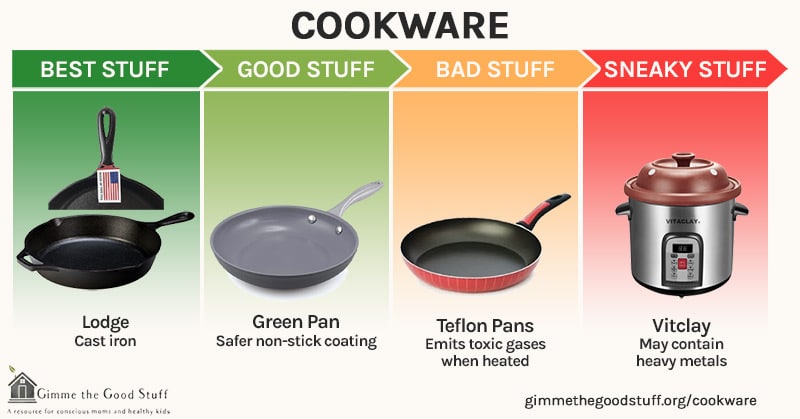
Credit: gimmethegoodstuff.org
Scratches And Wear: Compounding The Danger
Non-stick cookware makes cooking easy. Yet, scratches and wear can lead to dangers. Damage often happens over time. Understanding this helps keep you safe.
How Damage Occurs
Damage to non-stick pans occurs in several ways:
- Using metal utensils
- Cleaning with abrasive pads
- Storing pans stacked without protection
These actions can scratch the non-stick surface. Once scratched, the protective layer is compromised. Small particles may flake off during cooking.
Risks Of Using Damaged Pans
Using damaged non-stick cookware poses serious risks:
- Health Concerns: Scratched pans can release harmful chemicals.
- Food Safety: Flakes may mix with your food.
- Cooking Performance: Uneven heat distribution can ruin meals.
Regularly check your pans for scratches. Consider replacing them if they show wear. Protect your health and enjoy safe cooking.
Impact On The Environment
Non-stick cookware is popular for its convenience. However, its environmental impact raises serious concerns. The materials used and their disposal can harm the planet.
Manufacturing Process
The production of non-stick cookware involves several harmful materials. Many non-stick pans use polytetrafluoroethylene (PTFE). This chemical can release toxic fumes during manufacturing.
Here are key points about the manufacturing process:
- PTFE is derived from fluorine and carbon.
- Manufacturing releases greenhouse gases into the atmosphere.
- Water and soil contamination can occur from waste products.
Many factories do not follow eco-friendly practices. This increases the environmental footprint of non-stick cookware.
Disposal Concerns
Disposing of non-stick cookware poses serious challenges. Most non-stick pans are not recyclable. They often end up in landfills.
Here are some disposal issues:
- Non-stick coatings can take years to decompose.
- Burning non-stick pans releases harmful chemicals into the air.
- Landfills can become sites of toxic waste due to leaching.
Choosing eco-friendly alternatives can minimize these issues. Look for cookware made from natural materials. This helps protect our planet for future generations.
Research Findings On Health Implications
Recent studies reveal serious concerns about non-stick cookware. Many popular brands use PTFE and PFOA in their coatings. These chemicals can affect human health and the environment. Understanding these risks is crucial for safe cooking.
Long-term Studies
Long-term studies show potential dangers of non-stick cookware. Research indicates that chemicals can enter food during cooking. A few key findings include:
- Increased cholesterol levels: Some studies link non-stick cookware to higher cholesterol.
- Hormonal disruptions: Chemicals may interfere with hormone functions.
- Kidney damage: Long exposure can harm kidney health.
Participants in these studies often reported health issues. Regular use of non-stick cookware raises concerns over time.
Recent Discoveries
New research uncovers more risks associated with non-stick cookware. Recent findings highlight:
| Discovery | Health Impact |
|---|---|
| Release of toxic fumes | Can cause flu-like symptoms in humans and pets |
| Non-stick particles in food | May lead to long-term health issues |
| Environmental contamination | Risks to wildlife and ecosystems |
Awareness of these findings can help consumers make informed choices. Opt for safer alternatives to protect your health.
Alternatives To Non-stick Cookware
Non-stick cookware has its dangers. Choosing safer options helps protect your health. Explore some better alternatives that can enhance your cooking experience.
Safer Materials And Options
Several materials offer a safe cooking surface. Here are some popular alternatives:
- Stainless Steel: Durable and resistant to rust.
- Cast Iron: Excellent heat retention and natural non-stick properties.
- Glass: Non-reactive and easy to clean.
- Ceramic: Free from harmful chemicals and provides a non-stick surface.
- Silicone: Flexible and safe for baking without sticking.
Transitioning To Healthier Cookware
Switching to healthier cookware is simple. Follow these steps for a smooth transition:
- Start with one or two pieces of safe cookware.
- Replace non-stick items as they wear out.
- Explore various cooking methods that suit your cookware.
- Educate yourself on proper care for new materials.
- Encourage family and friends to join the change.
With these alternatives, you can cook safely. Enjoy your meals without worrying about harmful chemicals.
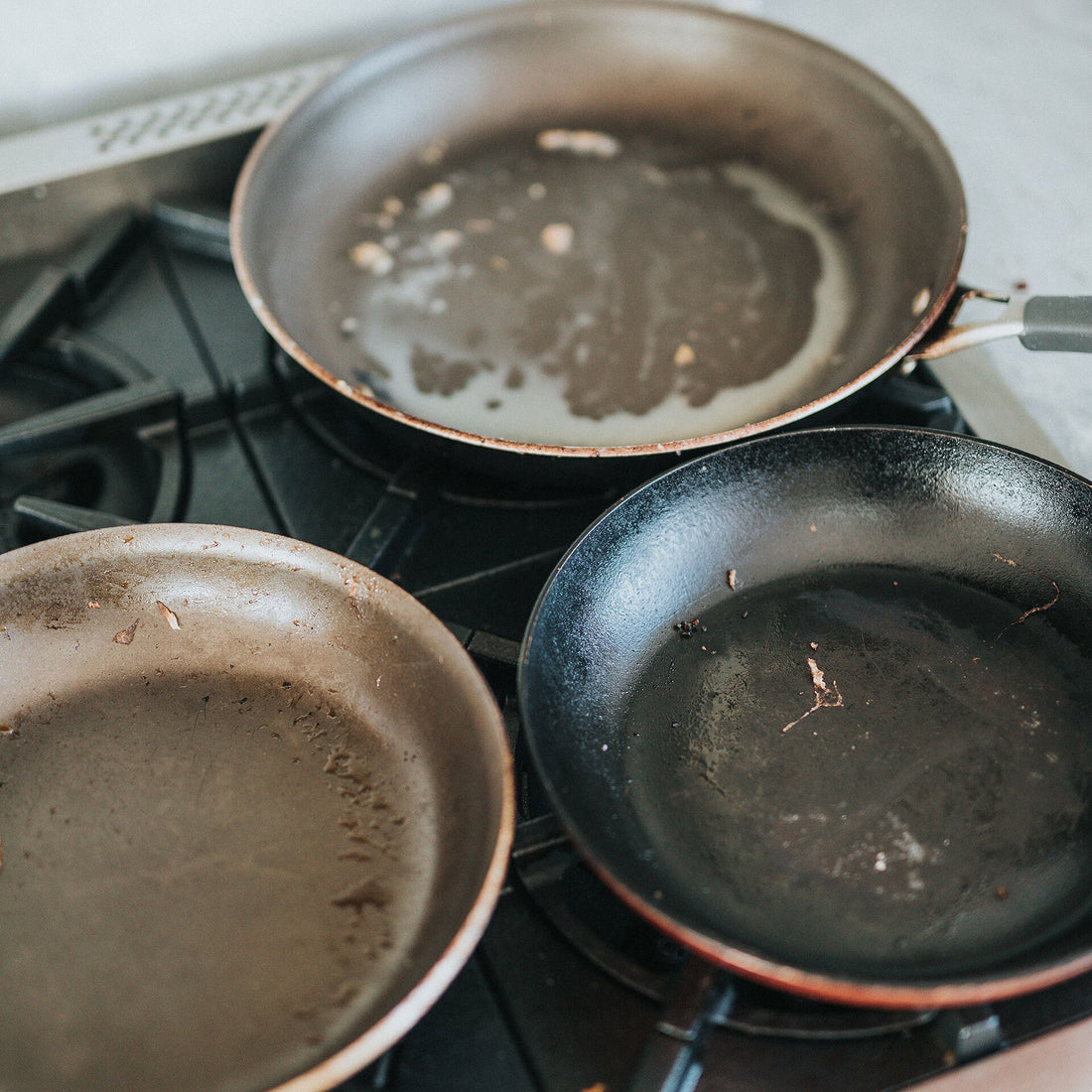
Credit: xtrema.com
Consumer Awareness And Safety Tips
Understanding the dangers of non-stick cookware is crucial for safety. Many consumers are unaware of the potential risks. Awareness can help you make better choices. Here are some essential tips for staying safe.
Recognizing Risk Factors
Non-stick cookware often contains harmful chemicals. These chemicals can leach into food during cooking. Here are some key risk factors:
- High temperatures: Non-stick coatings can break down above 500°F.
- Scratches: Damaged surfaces can release toxic particles.
- Old cookware: Older non-stick pans may contain harmful substances.
Look for labels that indicate safety standards. Choose cookware made without harmful chemicals.
Best Practices For Use And Care
Proper care can extend the life of your non-stick cookware. Follow these best practices:
- Use wooden or silicone utensils.
- Cook on low to medium heat.
- Avoid using metal scrubbers for cleaning.
- Store carefully to prevent scratches.
Check for peeling or flaking coatings. Replace any damaged cookware immediately.
| Tip | Importance |
|---|---|
| Use non-metal utensils | Prevents scratching |
| Cook at lower temperatures | Reduces toxic release |
| Regularly inspect cookware | Ensures safety |
Staying informed is key. Make smart choices for your kitchen and health.
Frequently Asked Questions
What Are The Risks Of Non-stick Cookware?
Non-stick cookware poses several risks, primarily due to the chemicals used in their coatings. When overheated, these coatings can release toxic fumes. Additionally, certain non-stick surfaces may degrade over time, leading to potential ingestion of harmful particles. Opting for safer alternatives is advisable for health-conscious cooks.
Is Non-stick Cookware Safe For Cooking?
While many non-stick cookware options are safe, concerns exist regarding certain materials. Cookware made with polytetrafluoroethylene (PTFE) is generally safe at low temperatures. However, at high heat, it can release harmful compounds. Always check for PFOA-free labels to ensure a safer cooking experience.
How Can I Tell If My Non-stick Cookware Is Damaged?
Signs of damage include scratches, peeling, or discoloration on the surface. If you notice these issues, it’s time to replace the cookware. Damaged non-stick surfaces can leach harmful chemicals into food. Regularly inspect your cookware to maintain safe cooking practices and prolong its lifespan.
What Are Safer Alternatives To Non-stick Cookware?
Safer alternatives include stainless steel, cast iron, and ceramic cookware. These materials do not contain harmful chemicals and are generally more durable. Additionally, they offer excellent heat retention and even cooking. Choosing these options can enhance your cooking experience while reducing health risks.
Conclusion
Non-stick cookware offers convenience but carries hidden dangers. Awareness is key to making informed choices. Consider alternatives like cast iron or stainless steel for safer cooking. Prioritize your health by understanding the risks associated with non-stick surfaces. Stay informed and protect your family while enjoying delicious meals.
Choose wisely for a healthier kitchen.

Leave a Reply