
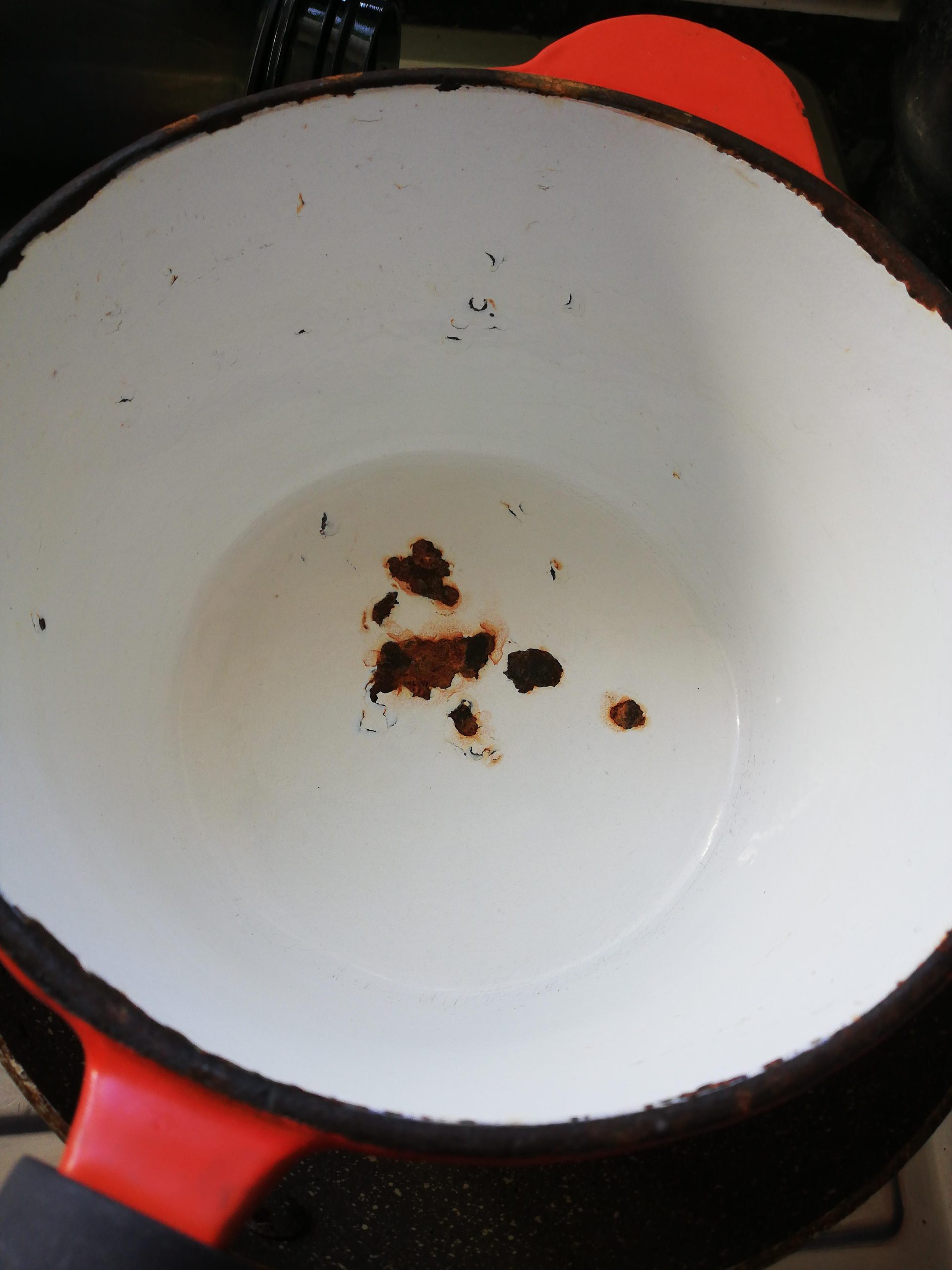
To fix cookware enamel, start by cleaning the area and then applying a food-safe enamel repair solution. Allow it to cure as per the product’s instructions for best results.
How to Fix Cookware Enamel:Enamel cookware, with its glossy and durable finish, is a kitchen favorite for many. Yet, over time, this tough exterior can chip or crack, leading to the need for repairs. Home chefs and cooking enthusiasts often seek quick and easy solutions to restore their beloved pots and pans.
Understanding the right techniques to mend enamel can extend the lifespan of these culinary tools, ensuring that flavors and cooking performance remain uncompromised. Tackling enamel repair doesn’t have to be daunting; a few simple steps can breathe new life into your cookware. This approach not only saves money but also maintains the aesthetic appeal of your kitchen arsenal. Let’s explore how to keep your enamel in top shape, keeping your cookware collection both functional and beautiful.
Introduction To Enamel Cookware Repair
Enamel cookware offers both beauty and durability. Yet, it’s not immune to damage.
Scratches or chips can occur over time. Understanding how to repair enamel can extend its life.
This guide provides simple steps to fix common enamel issues.
The Appeal Of Enamel Cookware
Enamel cookware, known for its hard-wearing surface, resists stains and odors.
Its vibrant colors and glossy finish add charm to any kitchen.
The cookware’s non-stick quality makes for easy cleaning.
Heat distribution is even, ensuring well-cooked meals.
Common Issues With Enamel Surfaces
- Chipping: A drop or knock can lead to chips.
- Cracking: Sudden temperature changes can cause cracks.
- Scratching: Metal utensils can leave marks.
- Staining: Some foods can leave behind colors.
Identifying Enamel Damage
Identifying Enamel Damage is crucial in maintaining your cookware’s longevity and functionality. Recognizing the type and severity of damage helps in applying the right fix.
Types Of Enamel Damage
Enamel cookware can suffer from various types of damage. Understanding each type is the first step to repair.
- Chips – Small pieces missing from the surface.
- Cracks – Fine lines that may appear on the surface or through the enamel.
- Scratches – Marks on the surface, often caused by metal utensils.
Assessing The Severity Of Chips And Cracks
Not all damage requires professional repair. Some can be fixed at home.
| Damage Type | Severity | Home Repair Possible? |
|---|---|---|
| Small Chips | Minor | Yes |
| Large Chips | Major | No |
| Small Cracks | Minor | Yes |
| Deep Cracks | Major | No |
To fix minor chips and cracks, specific enamel repair kits are available. For major damage, professional help is recommended.
Preparation For Repair
Before fixing cookware enamel, proper preparation is key. This step ensures a seamless repair. Follow these guidelines for best results.
Cleaning The Damaged Area
A clean surface is crucial for enamel repair. Begin by washing the cookware thoroughly. Use warm soapy water and a soft sponge. Avoid abrasive materials that could cause more damage. Dry the area completely with a soft cloth. This step is vital for the repair materials to adhere properly.
Gathering Necessary Materials
Collect all materials before starting the repair. You’ll need:
- Enamel repair kit: Matches your cookware’s color.
- Fine-grit sandpaper: Smoothens rough edges.
- Soft cloths: For cleaning and drying.
- Protective gloves: Keeps hands safe.
Ensure all materials are at hand to avoid disruptions during the repair process.
Diy Enamel Repair Techniques
Chipped enamel can make cookware look worn. Don’t rush to replace it. Try these DIY enamel repair techniques to fix your cookware.
Using Enamel Repair Kits
Enamel repair kits are ready to use. They come with instructions and color options. Here’s how to use them:
- Clean the damaged area with soapy water.
- Dry it thoroughly.
- Choose a color that matches your cookware.
- Apply the enamel to the chip.
- Let it dry for the recommended time.
Applying Epoxy For Minor Chips
Epoxy resin is great for small chips. Follow these steps:
- Clean the chipped area well.
- Mix the epoxy according to the package.
- Use a small brush to apply the epoxy.
- Smooth it out with a spatula.
- Allow it to cure as per instructions.
Remember, cured epoxy is heat resistant but not heatproof. Avoid high temperatures.
Professional Enamel Restoration Services
Professional Enamel Restoration Services breathe new life into damaged cookware. Chips, cracks, and fading in your favorite pots and pans are not the end. Experts in enamel repair can restore them to their former glory. This guide helps you understand when to seek professional help and the cost versus benefits of such services.
When To Seek Professional Help
Not all enamel damage requires a professional touch. Minor scratches may only need a good cleaning. But, for serious issues, professional help is best. These include:
- Deep chips that expose the base material
- Large cracks that risk further damage with use
- Significant fading that affects the cookware’s appearance
Such damage can make cookware unsafe for cooking. Professionals use special techniques to fix these problems.
Cost Vs. Benefits Of Professional Repair
Considering professional enamel restoration? Evaluate the cost against the benefits.
| Aspect | Details |
|---|---|
| Cost | Varies by damage extent and service provider |
| Benefits |
|
While costs can be high, the benefits often outweigh them. Restored cookware can last many more years. This saves money in the long run. Plus, there’s no need to part with a favored pot or pan.
Credit: medium.com
Preventing Future Enamel Damage
Preventing future enamel damage is key to keeping your cookware looking great and functioning well. With the right care, enamel cookware can last for years. Here’s how to maintain that fresh, glossy finish.
Proper Cookware Handling
Handle your enamel cookware with care to avoid chips and cracks. Use these tips:
- Avoid sudden temperature changes. Don’t shock your cookware.
- Use wooden or silicone utensils. They’re gentler on enamel.
- Lift, don’t slide pots on stovetops to prevent scratches.
- Store safely. Keep pots and pans where they won’t get knocked.
Maintenance Tips For Enamel Longevity
Regular maintenance can extend the life of your enamel cookware. Follow these steps:
- Clean gently. Use a soft sponge and mild detergent.
- Dry thoroughly. Water spots can mar enamel surfaces.
- Polish with care. A soft cloth can buff surfaces to a shine.
- Check for damage. Repair small chips before they grow.
Alternative Solutions
Finding alternative solutions for fixing cookware enamel can save both time and money. It is crucial to explore various methods before deciding on the best course of action. This section will delve into two significant alternatives: using silicone protectors and understanding when it’s time for cookware replacement.
Using Silicone Protectors
Silicone protectors offer a simple yet effective way to shield cookware enamel. These protectors can prevent further damage and are easy to use. Here’s how:
- Choose protectors that fit your cookware’s size and shape.
- Apply the protector to the damaged area securely.
- Use the cookware as usual, with the protector in place.
This method does not repair existing damage. But it prevents more harm.
Cookware Replacement: When It’s Time
Sometimes, fixing the enamel might not be cost-effective or practical. Recognizing when to replace your cookware is essential. Consider replacement if:
- The damage is extensive and affects cooking performance.
- Repairs cost more than the cookware’s current value.
- You notice rust formation or the enamel chips off into food.
Remember, investing in new cookware can be more beneficial in the long run.
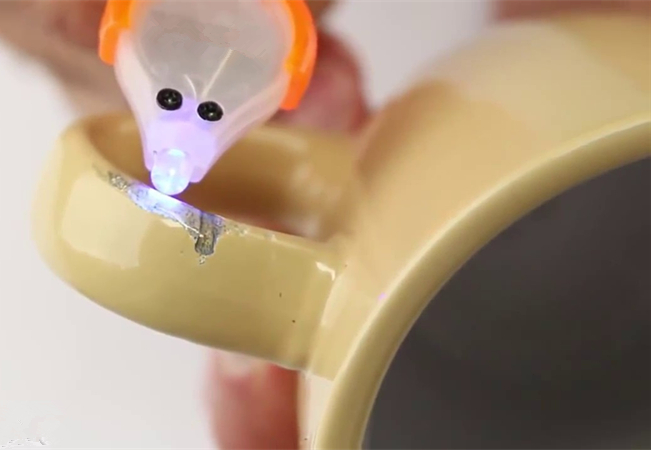
Credit: www.nolifrit.com
Credit: www.reddit.com
Frequently Asked Questions
How Do You Restore Enamel Pans?
To restore enamel pans, gently clean with baking soda paste, rinse well, and dry. For stubborn stains, soak in vinegar, then scrub lightly. Avoid metal utensils to prevent future damage.
How Do You Clean Discolored Enamel Cookware?
To clean discolored enamel cookware, soak it in warm, soapy water then gently scrub with a baking soda paste. Rinse thoroughly and dry.
How Do You Fix A Burnt Enamel Pan?
To fix a burnt enamel pan, soak it in warm, soapy water then scrub gently with baking soda. Avoid harsh chemicals or abrasive sponges that can damage the enamel. Rinse thoroughly and dry.
Why Does Food Stick To My Enamel Pan?
Food sticks to enamel pans due to high heat or insufficient oil. Preheat the pan and use enough oil or butter to prevent sticking. Ensure the food surface is dry before cooking to minimize sticking. Regular seasoning can also help create a natural non-stick layer.
Conclusion
Restoring your enamel cookware’s charm is simpler than you might think. With the right materials and a touch of patience, those pesky chips and scratches can vanish. Embrace the DIY spirit and give your beloved pots and pans a new lease on life.
Remember, a little effort now means more years of delightful cooking ahead.



Leave a Reply