
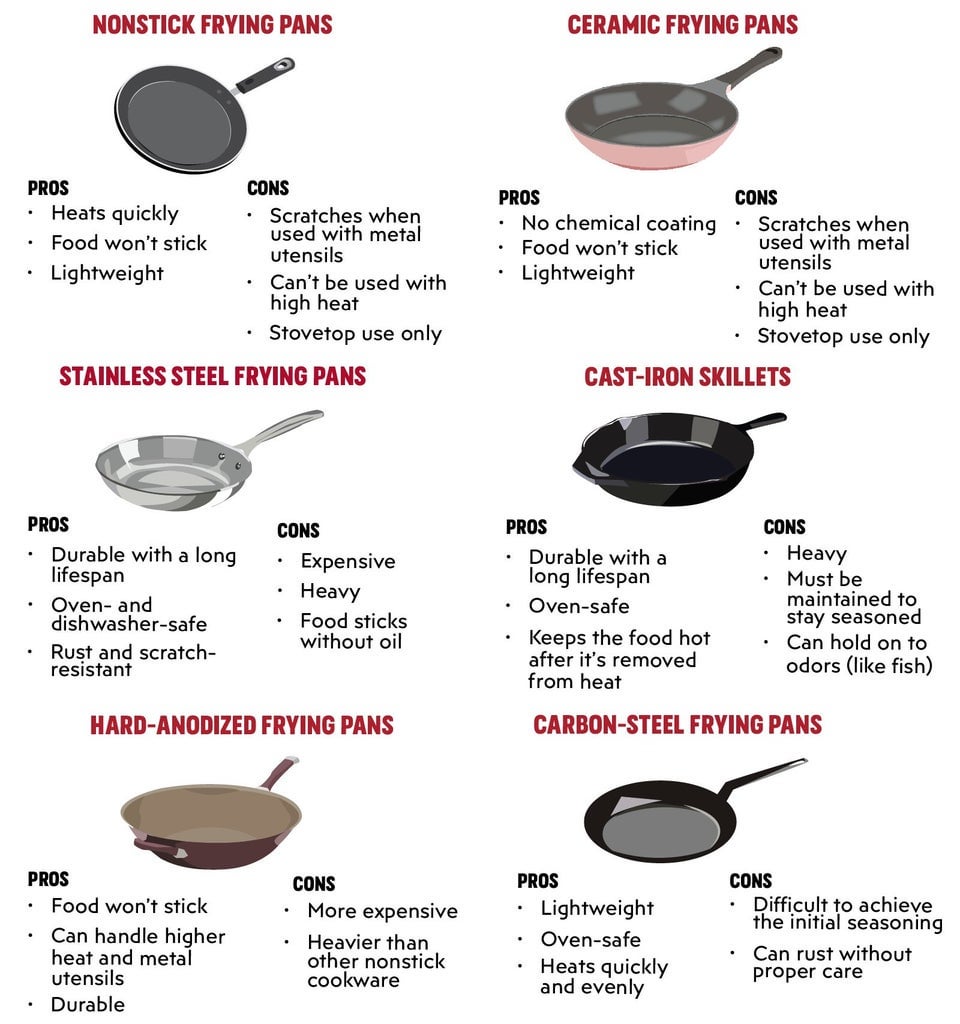
Pans are essential for cooking, but they come with pros and cons. The advantages include even heat distribution, while the drawbacks involve potential wear and tear.
Pros And Cons of Using Pans:Cookware is a crucial component of any kitchen, shaping the culinary experience. Selecting the right pan can make a significant difference in food preparation. Different materials, from cast iron to non-stick surfaces, offer varied cooking benefits and challenges. High-quality pans can enhance flavor and reduce cooking time, but they often require careful maintenance to preserve their functionality.
On the other hand, cheaper options may save money upfront but could cost more in the long run due to frequent replacements. Understanding the balance between cost, durability, and cooking performance is key for both novice cooks and seasoned chefs. This insight ensures meals are not only delicious but also prepared efficiently and safely.
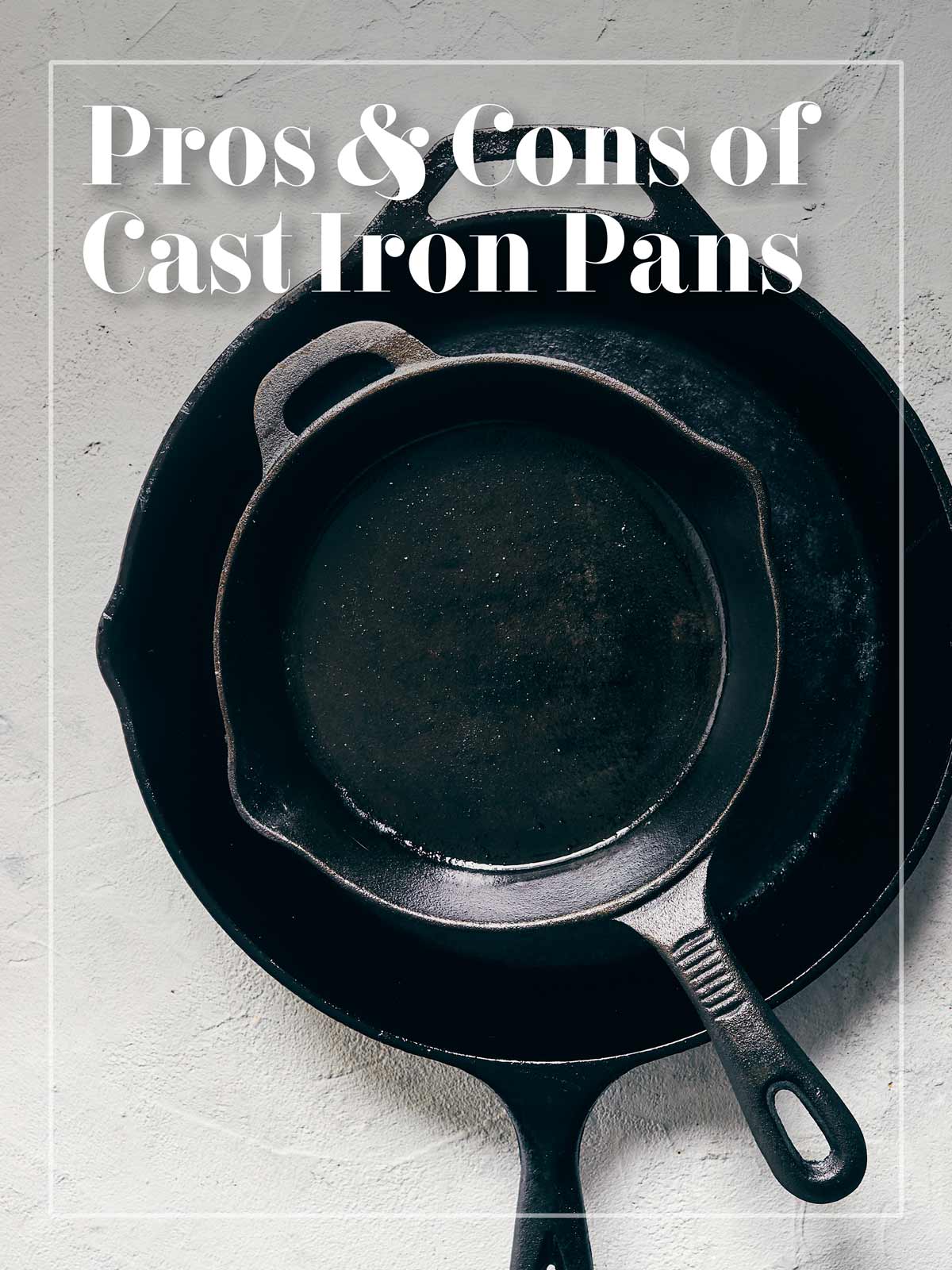
Credit: evergreenkitchen.ca
Introduction To Cookware Essentials
Cooking is an art and the pans you use are your tools.
Choosing the right cookware can make or break a meal.
Understanding the pros and cons of various pans is key.
Choosing The Right Pans
Pans are not one-size-fits-all.
The right choice depends on what you cook.
- Non-stick pans are great for eggs.
- Cast iron pans excel with steaks.
Consider pan size and handle comfort too.
Pan Materials And Their Impact On Cooking
Material choice affects your cooking.
It changes how heat spreads.
And how food tastes.
| Material | Heat Distribution | Taste Impact |
|---|---|---|
| Stainless Steel | Even | Minimal |
| Aluminum | Quick | Can React |
| Cast Iron | Slow | Enhances Flavors |
Each material has its own benefits.
And its own drawbacks.
- Stainless steel is durable.
- Aluminum is lightweight.
- Cast iron needs seasoning.
Benefits Of Non-stick Pans
Let’s dive into the Benefits of Non-Stick Pans. These pans make cooking and cleaning a breeze. They’re perfect for anyone who loves to cook but hates the cleanup. Here’s why:
Ease Of Cooking With Non-stick
- Less oil needed: Foods don’t stick, so you use less fat.
- Even cooking: Heat spreads evenly for great results.
- Gentle on food: Perfect for delicate dishes like eggs and fish.
Cleaning Made Simple
Cleaning non-stick pans is quick and easy. Here’s why:
- Wipe to clean: Often, a quick wipe is all you need.
- Less scrubbing: No hard scrubbing required to get them clean.
- Dishwasher safe: Many non-stick pans can go in the dishwasher.
With non-stick pans, cooking and cleanup are no longer chores. They’re a joy. These pans are a must-have in every kitchen. They save time and make cooking fun.
Drawbacks Of Non-stick Pans
Many kitchens feature non-stick pans for their convenience. Yet, they come with drawbacks worth considering.
Durability Concerns
Non-stick pans don’t last forever. Over time, their surfaces can scratch or chip, especially when using metal utensils. This reduces their non-stick ability, leading to more oil use or even pan replacement. Users should consider gentle utensils and proper care to extend pan life.
Health Risks From Coatings
The coatings on non-stick pans raise health concerns. Some contain chemicals like PFOA or PTFE, which can release toxic fumes if overheated. It’s essential to cook on low to medium heat and ventilate the kitchen to minimize risks. Look for pans certified free of these substances.
- Choose wisely: Not all non-stick pans are equal.
- Use correctly: Avoid high heat to protect the coating.
- Maintain regularly: Use soft tools and gentle cleaning.
Advantages Of Stainless Steel Pans
Stainless steel pans are a staple in many kitchens. Let’s explore their advantages.
Versatility In The Kitchen
Stainless steel pans excel in various cooking tasks. They heat evenly and can go from stovetop to oven with ease. Use them for frying, searing, or baking without worry.
- Great for all cooktops, including induction
- Perfect for high-heat techniques like stir-frying
- Oven-safe for versatile cooking options
Longevity And Durability
These pans last for years. They resist scratches, dents, and rust. Durable construction means they can handle daily use.
| Feature | Benefit |
|---|---|
| High-quality material | Resists wear and tear |
| Resistant to staining | Keeps pans looking new |
| Non-reactive surface | Safe for acidic foods |
Challenges Of Stainless Steel Pans
Challenges of Stainless Steel Pans can sometimes surprise new users. While these pans boast durability and versatility, they come with their own set of issues. Understanding these challenges helps in making an informed decision.
Food Sticking Issues
One common problem with stainless steel pans is food sticking. Unlike non-stick pans, stainless steel requires proper heat management. Without it, food easily sticks to the surface. This issue often discourages many from using these pans.
- Preheat the pan before adding oil.
- Wait for the oil to heat up before adding food.
- Use enough oil to create a barrier between the pan and food.
Maintenance And Care
Stainless steel pans need regular maintenance to prevent issues like rust and discoloration. Unlike other materials, they require a bit more effort to keep them looking new.
- Always wash after use to prevent food from drying on the surface.
- Use baking soda for tough stains.
- Dry immediately to avoid water spots.
Proper care ensures these pans last for years, making them a worthy investment for many kitchens.
Credit: www.reddit.com
Exploring Cast Iron Pans
Cast iron pans have been kitchen staples for centuries. They offer unique cooking benefits. But they also come with some drawbacks. Let’s dive into the details of using cast iron pans.
Heat Retention And Even Cooking
Cast iron pans excel in heat retention. This makes them ideal for searing meat. Foods cook evenly without hot spots. Once hot, these pans stay warm. This is perfect for keeping dishes warm at the table. Their heat-holding ability serves well for slow-cooking recipes.
- Excellent for high-heat cooking
- Keeps food warm for longer periods
- Reduces energy use by retaining heat
Yet, cast iron pans take time to heat up. They are heavy to handle. Users must be careful of burns from the hot handle.
Seasoning: A Critical Step
Seasoning cast iron is crucial. It builds a non-stick surface. This improves with each use. Seasoning also prevents rust and enhances flavor. Regular maintenance is needed to keep the pan performing well.
- Wash with mild soap and a brush.
- Dry completely after washing.
- Apply a light coat of oil and heat the pan to season.
Without proper seasoning, food sticks. The pan may rust. Some find the seasoning process labor-intensive. It can be a con for those preferring low-maintenance cookware.
The Downside Of Cast Iron
Cast iron pans are popular for cooking. Yet, they have downsides.
Weight And Handling
One main issue is their weight. Cast iron pans are heavy. This makes them hard to use for some people. Cooking with them can be a workout!
- Heavy to lift and move
- Can cause wrist strain for some
- Not easy to flip or shake foods
Rust And Maintenance
Keeping cast iron pans rust-free requires effort. They must be dry and oiled.
Without proper care, they can easily rust. This makes them less appealing and can affect taste.
- Wash gently without soap
- Dry immediately after washing
- Apply a thin layer of oil for protection
This care keeps them in good condition for years.
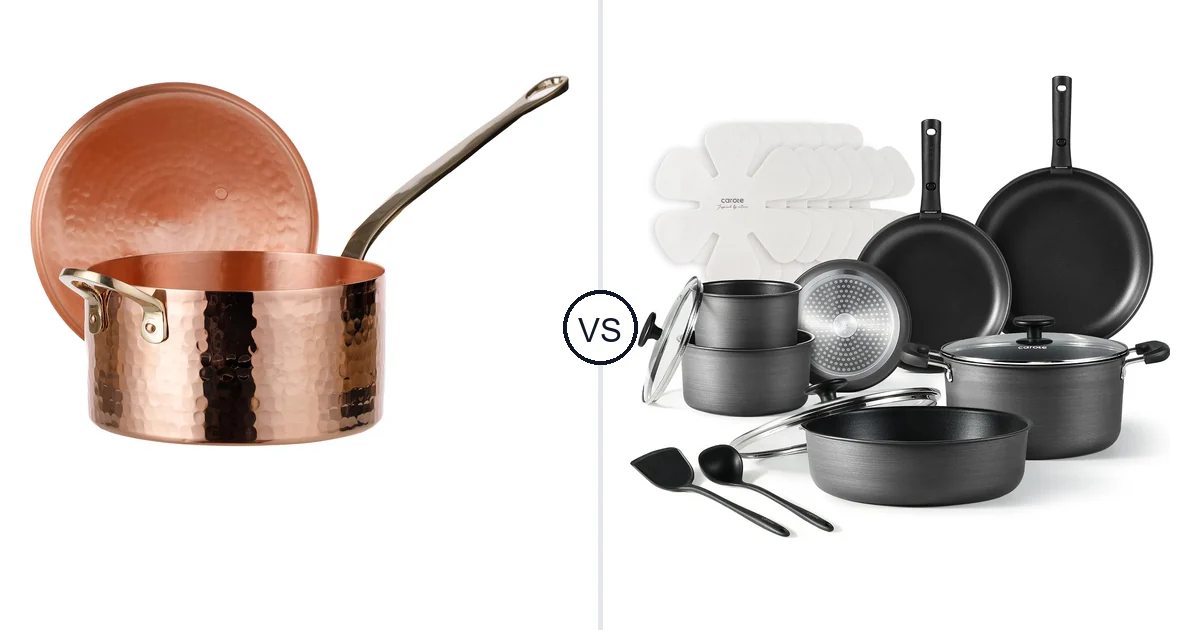
Copper Pans And Their Superiority
Let’s talk about copper pans and why they stand out. These pans offer unique benefits in the kitchen. They are not just tools but culinary treasures. Copper is known for its excellent heat control. This makes copper pans a top choice for chefs and home cooks alike.
Exceptional Conductivity
Copper pans heat up fast. They spread heat evenly. Your food cooks uniformly. No hot spots mean no burnt areas. They respond quickly to temperature changes. This gives you precise control when cooking.
- Fast heating saves time
- Even cooking for perfect results
- Responsive to heat for control
Aesthetic Appeal
Copper pans are beautiful. They shine like polished gold. They add elegance to any kitchen. Their rustic yet modern look is timeless. They are often displayed as part of kitchen decor. A well-maintained copper pan can last generations.
| Feature | Benefit |
|---|---|
| Shiny appearance | Enhances kitchen beauty |
| Timeless design | Never goes out of style |
| Durable | Lasts for many years |
Limitations Of Copper Pans
Copper pans are popular for their heat conductivity. But they have downsides. Let’s explore these limitations.
Price Point Considerations
Copper pans often come with a high price tag. This can deter home cooks. They are seen as an investment in your kitchen.
Compared to other materials, copper is more expensive. The cost reflects its quality and durability.
Reactivity With Certain Foods
Copper reacts with acidic foods. This can cause health issues. Foods like tomatoes can leach copper into your meal.
To prevent this, copper pans are often lined with other metals. Tin and stainless steel are common linings. They protect against food reactivity.
Ceramic Pans: A Healthier Alternative?
Many home cooks are turning to ceramic pans. Why? They offer a non-toxic, efficient cooking experience. Let’s explore their pros and cons.
Non-toxic Cooking Surfaces
Ceramic pans shine in health safety. Their surfaces contain no harmful chemicals. Traditional non-stick pans often have PTFE or PFOA. These substances can release toxic fumes at high temperatures. Ceramic coatings avoid these risks, offering peace of mind.
- No PTFE or PFOA – Safe for your family’s health
- Non-reactive surface – Keeps flavors intact
- Easy to clean – Effortless maintenance
Heat Distribution Properties
Even heating is crucial for perfect cooking results. Ceramic pans boast excellent heat distribution. They prevent hot spots that can burn food. This makes them ideal for a range of dishes.
| Material | Heat Distribution |
|---|---|
| Ceramic | Even and efficient |
| Traditional Non-Stick | Can be uneven |
Ceramic pans also retain heat well. They keep food warm after the heat is off. Remember to handle with care, as they can be delicate.
- Warm food longer
- Handle with care
- Use wooden or silicone utensils
Cons Of Ceramic Pans
While ceramic pans add a dash of style to the kitchen, they come with drawbacks. Understanding these cons helps make informed choices.
Durability Questions
Ceramic pans boast a non-stick surface but their lifespan falls short compared to other materials. The ceramic coating may chip or wear, especially if used frequently or cleaned with abrasive tools. Users should handle these pans with care to prevent damage. Proper maintenance is crucial for longevity.
Performance Over Time
Initially, ceramic pans perform well. Yet, over time, their non-stick qualities can diminish. This decline means food may start sticking, or the pan won’t heat as evenly. Users find themselves using more oil or butter to compensate. This change often leads to frustration and the need for replacement.
- Not metal utensil safe: Sharp tools scratch the surface.
- Heat sensitivity: High temperatures may damage the coating.
- Regular care needed: Gentle washing preserves the non-stick layer.
- Not for high-heat cooking: Ceramic pans aren’t suitable for searing.
Selecting The Right Pan For Your Needs
Choosing the right pan is key in the kitchen. It affects your food’s flavor and cooking efficiency. Different pans suit different needs. Let’s explore what to consider when picking a pan.
Cooking Style And Pan Choice
Your cooking style determines the pan you need. Fast cooking needs high heat. Stainless steel pans are perfect for this. They heat up quickly. For slow cooking, try cast iron. It retains heat well.
- Stir-frying – Use a wok.
- Searing – A heavy-bottomed skillet works best.
- Baking – Choose oven-safe pans.
Balancing Cost And Quality
Good pans are an investment. You don’t need to spend a lot for quality. Some affordable brands offer durable options. Check reviews and warranties before buying.
| Material | Price | Durability |
|---|---|---|
| Aluminum | Low | Medium |
| Stainless Steel | Medium | High |
| Cast Iron | High | Very High |
Remember to balance cost with pan quality. A good pan can last years. It makes cooking enjoyable and your food tasty.
Conclusion: Making An Informed Decision
Making an informed decision about cookware is key. Pros and cons exist for every pan type. Choose wisely for culinary success.
The Role Of Pans In Culinary Success
Pans are essential in cooking. They affect food taste, texture, and quality. Good pans can mean the difference between a failed dish and a masterpiece.
- Even heat distribution ensures consistent cooking.
- Non-stick surfaces make for easy clean-up.
- Durability means long-term use.
Investing In Quality Cookware
Quality pans are an investment. They last longer and perform better. Consider this when picking pans.
| Quality Level | Pros | Cons |
|---|---|---|
| High | Better heat conduction, durability | Higher cost |
| Medium | Good for everyday use | May wear faster |
| Low | Affordable | Poor performance, less durable |
Consider your needs and budget. Select pans that balance cost with quality. Your culinary success depends on it.
Credit: www.reddit.com
Frequently Asked Questions
What Are The Pros And Cons Of Non-stick Pans?
Pros of non-stick pans include easy food release and less cooking oil required. Cons involve potential scratching, a shorter lifespan, and concerns over chemical coatings at high temperatures.
What Are The Cons Of Made In Cookware?
Made in Cookware may be costly, and some users find their weight cumbersome. Limited designs and occasional stock shortages can frustrate shoppers.
What Are The Pros And Cons Of Aluminum Pots And Pans?
Aluminum pots and pans heat quickly and evenly, making them ideal for cooking. They’re lightweight and affordable, appealing for everyday use. On the downside, they can react with acidic foods, potentially altering flavor. Their durability falls short compared to stainless steel or cast iron options, requiring more frequent replacement.
What Are The Disadvantages Of A Cast Iron Pan?
Cast iron pans are heavy, can rust easily if not properly maintained, and require seasoning before use. They also have poor heat conductivity compared to other materials.
Conclusion
Choosing the right pans for your cooking needs is a balance of benefits and drawbacks. Non-stick surfaces offer convenience, while cast iron provides durability. Understanding these trade-offs ensures you select pans that align with your culinary preferences and lifestyle. Remember, the best pan is one that suits your cooking style and is a joy to use in the kitchen.

Leave a Reply