
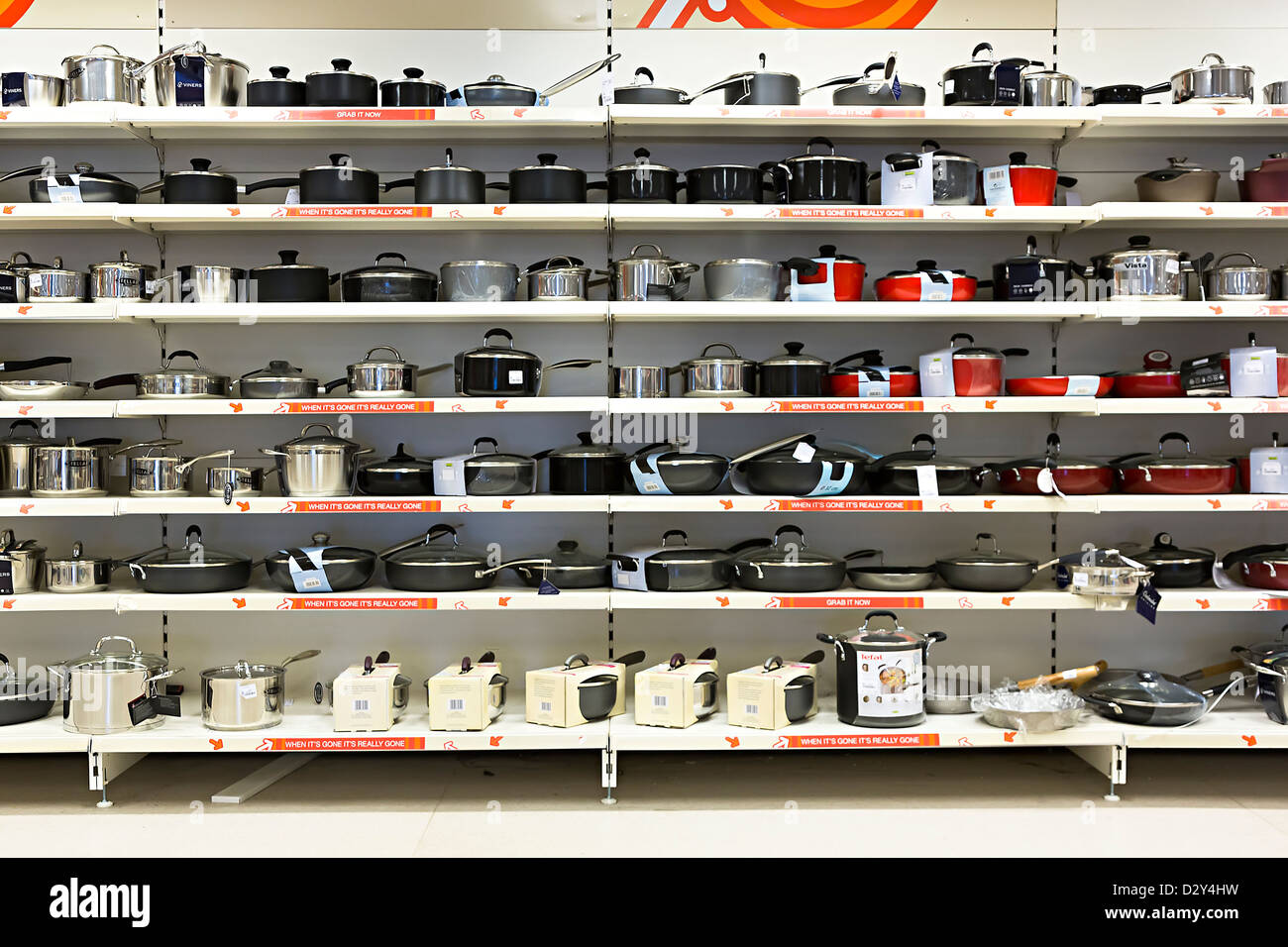
Shop cookware to find high-quality pots, pans, and kitchen tools that suit your cooking needs. Explore various materials and designs for optimal performance.
Cookware is essential for any kitchen, influencing the quality of your meals. From non-stick frying pans to heavy-duty cast iron pots, the right cookware enhances your cooking experience. Choosing the right items can elevate your culinary skills and make meal preparation easier.
With a vast selection available, consider factors like material, size, and heat distribution. Whether you’re a novice or a seasoned chef, investing in quality cookware is key. Discover options that fit your cooking style and budget. This guide will help you navigate the best choices for your kitchen, ensuring you create delicious meals with ease. Start your journey to better cooking today!
Essential Cookware For Every Kitchen
Every kitchen needs the right tools to create delicious meals. Cookware is essential for cooking, baking, and preparing food. Choosing the right items makes cooking easier and more enjoyable. Let’s explore the must-have items for your kitchen.
Must-have Pots And Pans
Pots and pans form the backbone of any kitchen. They come in various sizes and materials. Here are the essentials:
- Skillet: Great for frying and sautéing.
- Saucepan: Ideal for sauces, soups, and boiling.
- Stock Pot: Perfect for making large batches of food.
- Dutch Oven: Versatile for baking, roasting, and stewing.
- Non-Stick Pan: Makes cooking and cleaning easy.
| Cookware Type | Best Uses |
|---|---|
| Skillet | Frying, sautéing, and browning |
| Saucepan | Making sauces and boiling |
| Stock Pot | Soups, stews, and pasta |
| Dutch Oven | Baking, roasting, slow cooking |
| Non-Stick Pan | Easy cooking and cleanup |
Versatile Utensils For Daily Use
Utensils are just as important as pots and pans. They help you cook and serve food. Here’s a list of must-have utensils:
- Spatula: For flipping and turning food.
- Whisk: Perfect for mixing and beating.
- Wooden Spoon: Great for stirring sauces and soups.
- Tongs: Ideal for serving and flipping.
- Ladle: Perfect for serving soups and stews.
Choosing the right cookware and utensils makes cooking fun. Invest in quality items to create great meals every day.
Materials Matter: Choosing The Best For Your Cooking Style
Choosing the right cookware can make a big difference. The material affects heat distribution, cooking time, and even flavor. Understanding the pros and cons of various materials is essential for any cook.
Pros And Cons Of Nonstick, Stainless Steel, And Cast Iron
| Material | Pros | Cons |
|---|---|---|
| Nonstick |
|
|
| Stainless Steel |
|
|
| Cast Iron |
|
|
Ceramic And Copper Options For Specialized Cooking
Ceramic cookware offers a nonstick surface without chemicals. It’s great for baking and roasting. Keep in mind, it may chip easily.
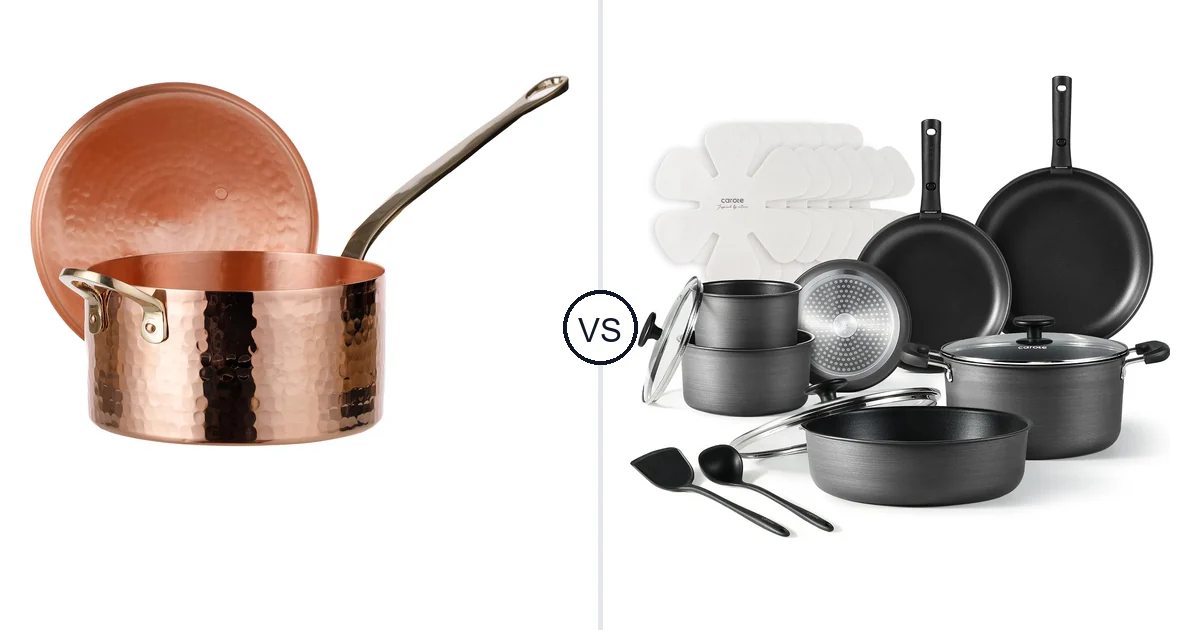
Copper cookware provides excellent heat conductivity. This allows for precise temperature control. It’s perfect for sauces and delicate dishes.
- Ceramic: Good for health-conscious cooks.
- Copper: Preferred by professional chefs.
Choose the right material based on your cooking style. Each has its unique benefits and drawbacks. Make the choice that fits your needs best.
Size And Shape Considerations
Choosing the right cookware size and shape is essential. It affects cooking efficiency and food quality. The right choice ensures even cooking and easy handling. Here’s how to make the best decisions.
Selecting The Right Cookware Sizes
Cookware comes in various sizes. Each size serves a different purpose. Here are some common sizes:
- Small: Ideal for single servings or side dishes.
- Medium: Perfect for family meals or batch cooking.
- Large: Best for parties or large gatherings.
Consider these factors:
- Number of people you cook for.
- Type of meals you prepare.
- Available storage space in your kitchen.
Using the right size can save time and energy. It ensures food cooks evenly and tastes delicious.
Shapes For Specific Culinary Tasks
Cookware shapes play a vital role in cooking. Different shapes are designed for specific tasks:
| Shape | Best For |
|---|---|
| Round | Soups, sauces, and pasta dishes. |
| Square | Baking and roasting dishes. |
| Rectangular | Casseroles and lasagnas. |
| Deep | Frying and stewing. |
Choosing the right shape enhances cooking performance. It helps you achieve the desired texture and flavor.
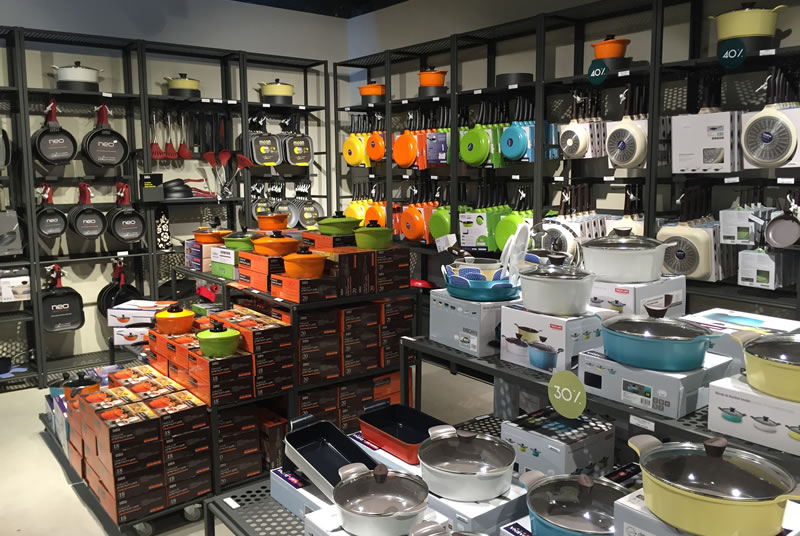
Credit: homagetobcn.com
Heat Conductivity And Cookware Performance
Heat conductivity plays a crucial role in cookware performance. The right material ensures even cooking and better flavor. Understanding how different materials conduct heat helps in choosing the best cookware.
Understanding Heat Distribution In Different Materials
Different cookware materials affect heat distribution. Here are some common materials:
| Material | Heat Conductivity | Best Use |
|---|---|---|
| Stainless Steel | Low | Slow cooking, simmering |
| Aluminum | High | Searing, frying |
| Cast Iron | Moderate | Baking, frying |
| Copper | Very High | Precise temperature control |
Choose materials wisely. They affect cooking times and food quality. For example, aluminum heats quickly, while cast iron retains heat well.
Matching Cookware To Your Stove Type
Your stove type impacts cookware choice. Use compatible materials for best results.
- Gas Stoves: Works well with all materials.
- Electric Stoves: Choose flat-bottomed cookware.
- Induction Stoves: Use magnetic materials like cast iron or stainless steel.
Ensure proper fit for efficient cooking. Mismatched cookware can lead to uneven heating and longer cooking times.
Understanding heat conductivity and stove compatibility makes cooking easier. Choose wisely for delicious meals.
Care And Maintenance For Longevity
Proper care and maintenance extend the life of your cookware. Each type requires unique handling. Following simple guidelines keeps your pots and pans in top shape.
Cleaning Tips For Various Cookware Surfaces
Different surfaces need different cleaning methods. Here are tips for common cookware types:
| Cookware Type | Cleaning Method |
|---|---|
| Stainless Steel |
|
| Non-stick |
|
| Cast Iron |
|
| Copper |
|
Storage Solutions To Prevent Damage
Proper storage keeps cookware safe. Follow these tips to prevent scratches and dents:
- Use Dividers: Insert dividers between pans.
- Hang Pots: Use hooks to hang heavy cookware.
- Avoid Stacking: Stack only if necessary. Use cloth or paper between items.
- Store Lids Separately: Keep lids in a dedicated space to avoid breakage.
Regular care ensures your cookware lasts. Follow these tips to maintain its quality. Enjoy cooking with your well-maintained pots and pans!

Credit: www.foodnetwork.com
Accessorizing Your Cookware Collection
Enhance your cooking experience by accessorizing your cookware collection. The right accessories can improve efficiency and enjoyment in the kitchen. From lids to specialty tools, each piece plays a crucial role.
Lids, Handles, And Inserts To Enhance Cooking
Proper lids, handles, and inserts can transform your cookware. They make cooking easier and safer. Here are some benefits:
- Lids: Keep moisture in and food flavorful.
- Handles: Offer a secure grip and heat resistance.
- Inserts: Provide versatility for steaming or baking.
Choose lids that fit tightly. This helps retain heat and speed up cooking. Select handles made from heat-resistant materials for safety.
Specialty Tools For The Aspiring Chef
Specialty tools can elevate your cooking skills. These tools help create gourmet dishes at home. Here are some must-have accessories:
| Tool | Purpose |
|---|---|
| Spatula: | Flipping and serving food easily. |
| Whisk: | Mixing and aerating ingredients smoothly. |
| Thermometer: | Ensuring food is cooked perfectly. |
| Grater: | Shredding cheese and vegetables effortlessly. |
Invest in quality specialty tools. They make cooking more enjoyable and efficient.
Budget-friendly Picks Vs. Luxury Investments
Choosing cookware can be tricky. Should you save money or invest? Budget-friendly options offer great value. Luxury cookware promises superior performance. Both have their place in your kitchen. Understanding each can help you decide.
Finding Quality Within Your Budget
Many affordable cookware options deliver excellent quality. Here are some tips to find the best:
- Check reviews online.
- Choose brands known for durability.
- Look for sales and discounts.
Consider these budget-friendly picks:
| Cookware Type | Recommended Brands | Price Range |
|---|---|---|
| Non-Stick Pans | Calphalon, T-fal | $20 – $50 |
| Stainless Steel Cookware | Cuisinart, Farberware | $30 – $70 |
| Cast Iron Skillets | Lodge, Le Creuset | $25 – $60 |
These options balance cost and quality. They help you cook delicious meals without breaking the bank.
When To Splurge On High-end Cookware
Sometimes, spending more is worth it. High-end cookware offers unique benefits:
- Superior heat distribution.
- Long-lasting durability.
- Enhanced cooking performance.
Consider splurging on:
- Professional-grade chef’s knives.
- High-quality Dutch ovens.
- Premium non-stick pans.
These items can elevate your cooking experience. Invest wisely to enjoy long-term benefits.
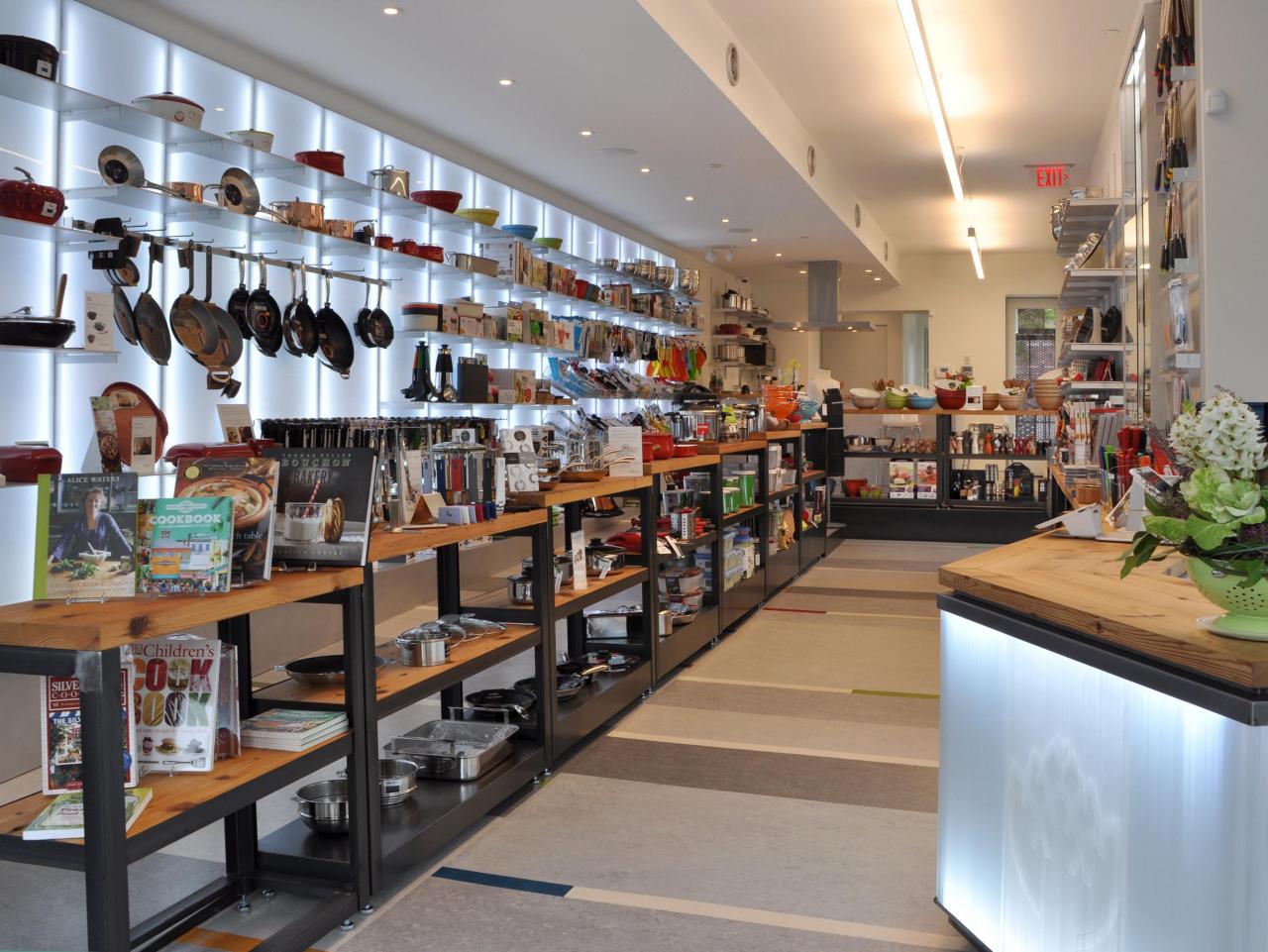
Credit: www.foodnetwork.com
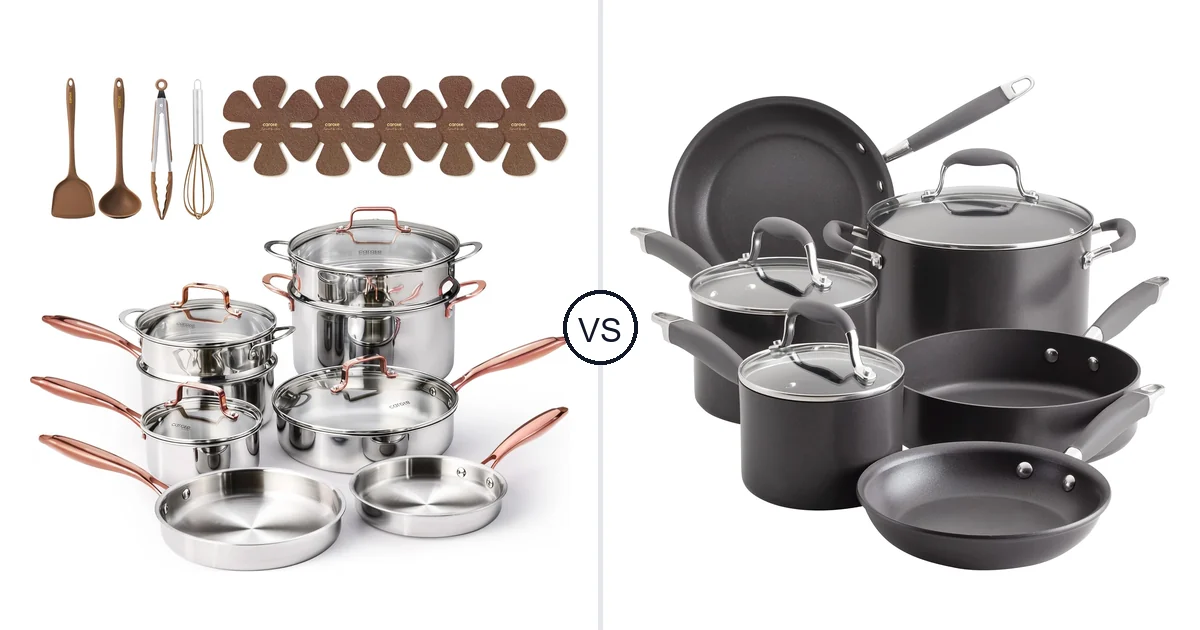
Cookware Sets Vs. Individual Pieces
Choosing between cookware sets and individual pieces can be tricky. Each option has its benefits and drawbacks. Understanding these can help you make an informed decision for your kitchen.
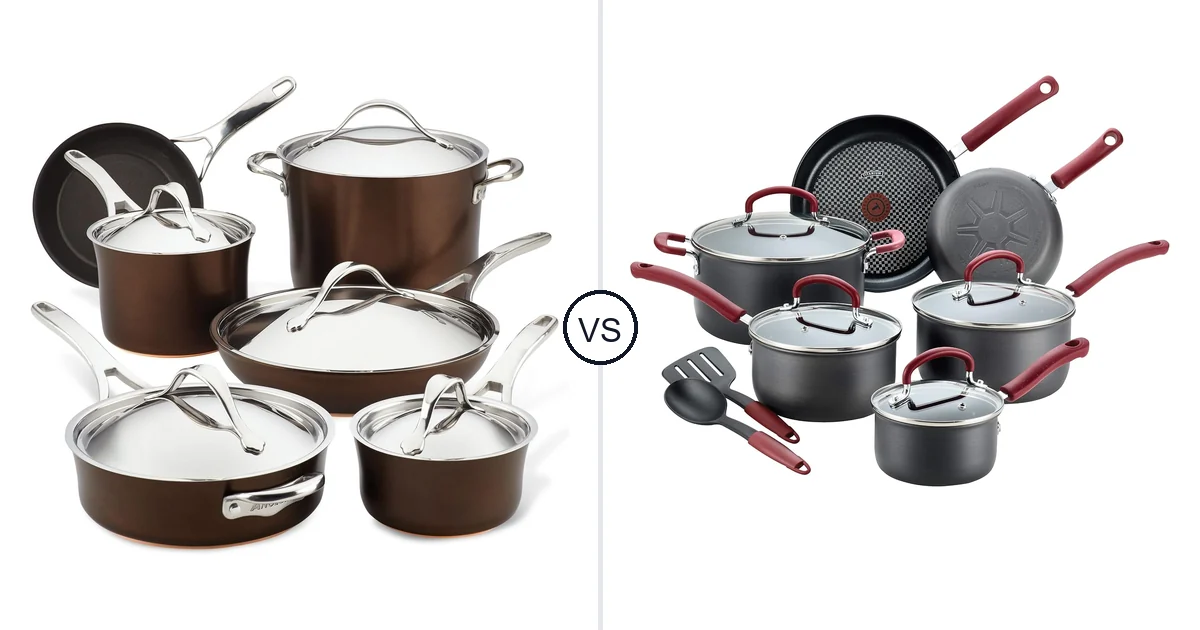
The Pros And Cons Of Cookware Sets
Cookware sets offer convenience and value. They include various pieces that work well together. However, they might not meet all your specific needs.
| Pros | Cons |
|---|---|
| Cost-effective compared to buying separately. | Includes pieces you may not use. |
| Uniform style and design. | Limited customization options. |
| Easy to find matching items. | Quality may vary between brands. |
Building A Customized Cookware Collection
Buying individual cookware pieces allows for personalization. You can choose items that fit your cooking style. This approach may cost more upfront.
- Select only the pieces you need.
- Mix and match styles and materials.
- Invest in high-quality items for durability.
- Replace worn-out pieces over time.
Consider your cooking habits. Do you often prepare large meals? A set might suit you better. Prefer experimenting with different dishes? Individual pieces could be the way to go.
Eco-friendly And Health-conscious Cookware Choices
Choosing the right cookware can significantly impact your health and the environment. Eco-friendly and health-conscious options are becoming popular. These choices help reduce waste and promote safer cooking practices. They are beneficial for both your family and the planet.
Cookware With A Lower Environmental Impact
Many cookware brands focus on reducing their environmental footprint. They use sustainable materials and eco-friendly practices. Here are some eco-friendly cookware materials:
- Stainless Steel: Durable and recyclable.
- Cast Iron: Long-lasting and energy-efficient.
- Ceramic: Made from natural materials, often free from harmful chemicals.
- Bamboo: A renewable resource, perfect for utensils.
Look for brands that emphasize sustainability. They often use recycled packaging and support eco-friendly initiatives.
Non-toxic Options For Healthier Cooking
Cookware can leach harmful chemicals into food. Choose non-toxic options to ensure safe cooking. Here are some popular non-toxic cookware materials:
| Material | Benefits |
|---|---|
| Glass | No chemicals, easy to clean, and versatile. |
| Silicone | Flexible, non-stick, and heat resistant. |
| Enamel-Coated Cast Iron | Non-reactive surface, retains heat well. |
Check labels for terms like “PFOA-free” and “PTFE-free.” These indicate safer cookware options. Prioritize brands that avoid toxic chemicals in their products.
Making the right cookware choices leads to healthier meals. Embrace eco-friendly and non-toxic cookware for a better lifestyle.
Innovations In Cookware Technology
Cookware technology has evolved rapidly. New materials and designs enhance cooking efficiency. Smart features make cooking easier and more enjoyable. Let’s explore the latest trends and innovations.
Latest Trends In Cookware Designs
Today’s cookware combines style and function. Here are some key trends:
- Non-stick surfaces: Easy to clean and use.
- Eco-friendly materials: Safe for the environment.
- Multi-functional designs: One pot can serve many purposes.
- Colorful options: Brighten up your kitchen.
| Material | Benefits | Considerations |
|---|---|---|
| Ceramic | Non-toxic, easy to clean | Can chip easily |
| Stainless Steel | Durable, non-reactive | Poor heat distribution |
| Cast Iron | Excellent heat retention | Heavy, requires seasoning |
Smart Cookware For The Tech-savvy Cook
Smart cookware makes cooking easier. Here are some exciting features:
- Temperature Control: Maintains the perfect heat.
- App Connectivity: Monitor cooking from your phone.
- Voice Commands: Control functions hands-free.
- Recipe Assistance: Guides you through cooking steps.
Smart cookware saves time and reduces guesswork. It’s perfect for busy cooks. Choose innovative options to enhance your kitchen experience.
Frequently Asked Questions
What Types Of Cookware Are Best For Beginners?
Beginner cooks should consider non-stick, stainless steel, and cast iron cookware. Non-stick pans are easy to use and clean. Stainless steel is durable and versatile for various cooking methods. Cast iron retains heat well and is great for searing. Start with these essentials for a solid cooking foundation.
How Do I Choose The Right Cookware Material?
Choosing the right cookware material depends on your cooking style. Stainless steel is excellent for browning and deglazing. Non-stick is perfect for low-fat cooking. Cast iron is ideal for slow cooking and frying. Consider your needs and preferences to select the best material for your kitchen.
Is Non-stick Cookware Safe To Use?
Yes, non-stick cookware is generally safe when used correctly. Opt for PFOA-free brands to avoid harmful chemicals. Avoid using metal utensils that can scratch the surface. Always follow care instructions to maintain the coating. Proper usage ensures a safe cooking experience without compromising quality.
How Should I Care For My Cookware?
Proper care extends the life of your cookware. Always hand wash non-stick and cast iron pieces to prevent damage. Use gentle sponges and avoid harsh chemicals. Regularly season cast iron to maintain its non-stick surface. Storing cookware properly also prevents scratches and wear over time.
Conclusion
Choosing the right cookware can elevate your cooking experience. Quality pots and pans enhance flavor and efficiency. Explore various materials to find what suits your style best. Investing in durable cookware pays off in the long run. Shop smart and enjoy delicious meals made with love.
Your kitchen deserves the best!

Leave a Reply