
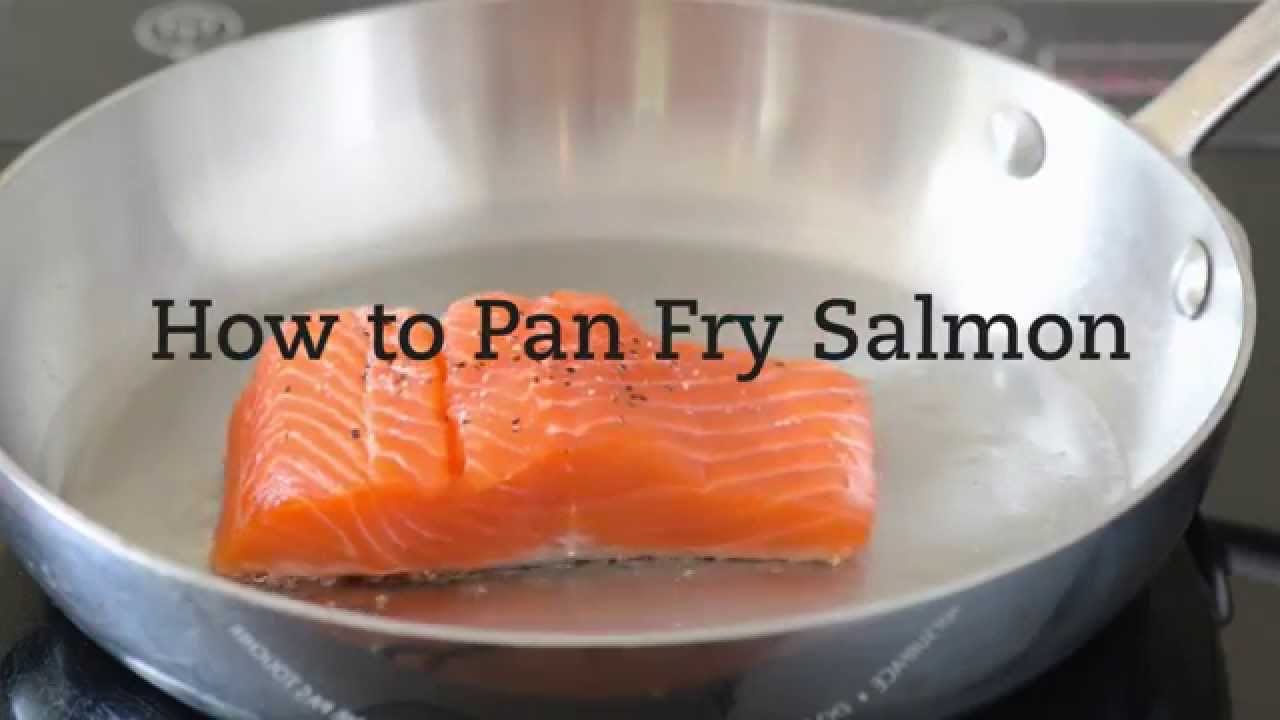
The best way to pan fry salmon is to cook it skin-side down in a preheated pan over medium-high heat. Ensure the salmon is seasoned and the pan is lightly oiled before cooking.
Pan-frying salmon is a quick and delicious way to enjoy this nutrient-rich fish. The method brings out the salmon’s natural flavors while achieving a crispy skin and tender, flaky flesh. It requires minimal preparation and is adaptable to various seasonings and marinades.
Whether you’re an experienced cook or trying your hand at seafood for the first time, pan frying offers an accessible and satisfying culinary experience. It’s a versatile technique that fits easily into a busy lifestyle, making it perfect for a wholesome weeknight dinner or an impressive meal for guests.

Credit: www.wellplated.com
Introduction To Pan-fried Salmon
Introduction to Pan-Fried Salmon brings the ocean’s bounty to your plate with ease. This method turns salmon into a crispy, tender delight. Perfect for quick dinners, it combines flavor and nutrition seamlessly.
Why Salmon Is A Culinary Favorite
Salmon stands out in the culinary world. Its rich, buttery taste and versatile nature make it a top choice. Packed with omega-3 fatty acids, it’s not only delicious but also incredibly healthy.
- Rich in Omega-3 for heart health
- High in protein for muscle repair
- Contains vitamins like B12 and D
Benefits Of Pan Frying
Pan frying salmon is simple and quick. It seals in flavors and ensures a golden crust. Here’s why it’s beneficial:
- Fast cooking method
- Creates a crispy texture
- Retains moisture inside
Using just a pan, oil, and seasonings, you can achieve a restaurant-quality dish at home. This method is perfect for any skill level, making it a go-to for delicious meals.
Choosing The Right Salmon
Mastering pan-fried salmon starts with the right choice of fish. The type and quality of salmon can make a world of difference. Let’s explore the best salmon for pan-frying and how to choose between fresh and frozen options.
Types Of Salmon For Pan Frying
Not all salmon is equal for pan-frying. Some types offer better texture and flavor.
- King Salmon: Rich in flavor, ideal for frying.
- Sockeye Salmon: Firm texture, deep color.
- Atlantic Salmon: High fat content, cooks up tender.
- Coho Salmon: Milder taste, medium fat content.
Fresh Vs Frozen: Making The Best Choice
Both fresh and frozen salmon can be good for frying. Each has its benefits.
| Fresh Salmon | Frozen Salmon |
|---|---|
| Peak flavor and texture | Convenient, often more economical |
| Must be used quickly | Can be stored for longer |
| Check for firmness and bright color | Look for packages with no frost |
Tip: Thaw frozen salmon overnight in the fridge for best results.
Essential Tools For Pan Frying
Essential tools make pan-frying salmon a breeze. The right equipment helps achieve that perfect sear. Let’s look at the must-haves for cooking this fish to perfection.
Best Pans For Cooking Salmon
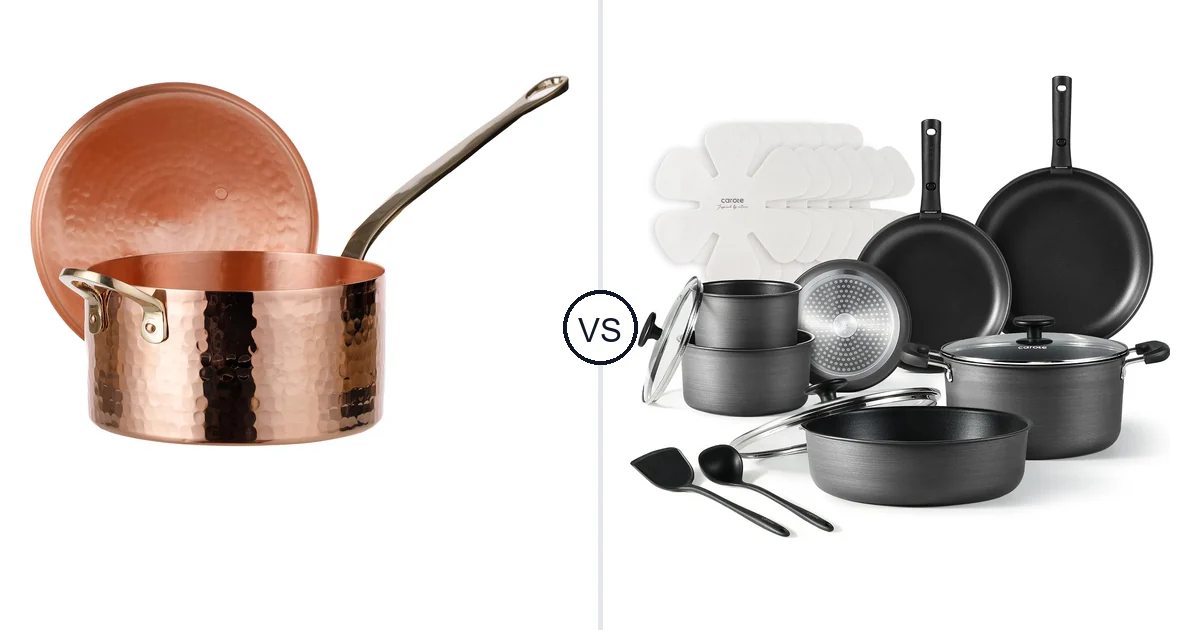
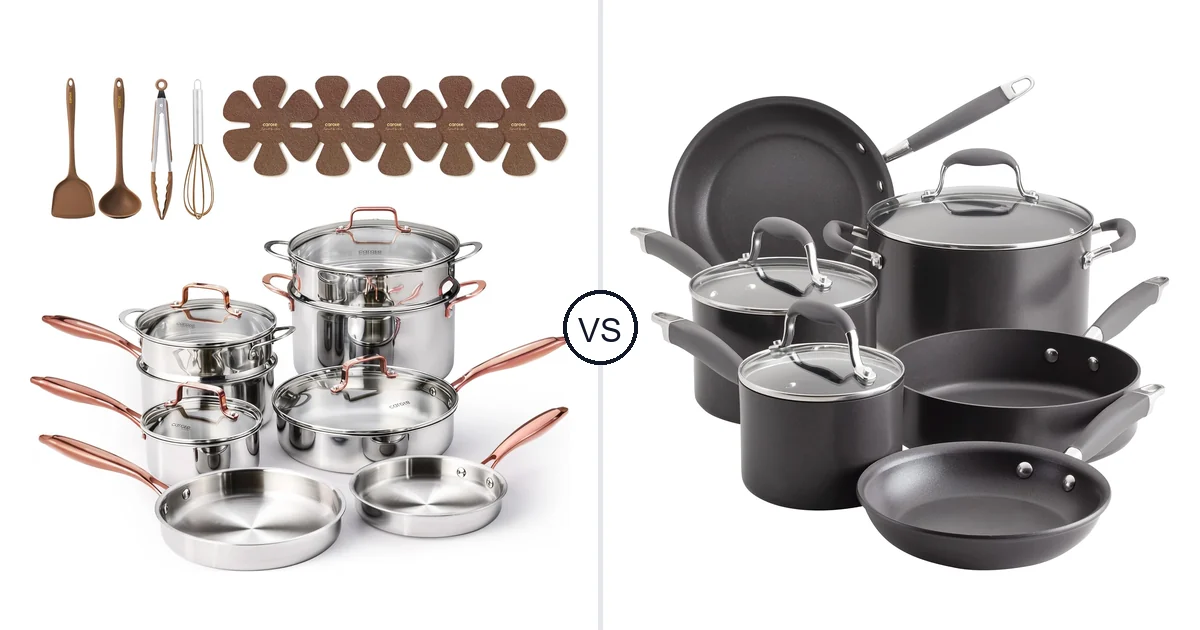
Selecting the right pan is crucial for pan-frying salmon. A non-stick skillet or a well-seasoned cast-iron pan is ideal. These pans provide even heat and prevent sticking. This ensures the salmon cooks evenly and gets a crispy skin.
| Pan Type | Benefits |
|---|---|
| Non-stick Skillet | Easy to clean, less oil needed |
| Cast-Iron Pan | Durable, retains heat well |
| Stainless Steel Pan | Non-reactive, versatile |
Additional Kitchen Utensils
Apart from the pan, a few other utensils will help. Use a spatula for flipping the salmon. Tongs can also be useful for turning the fish. A brush is handy for applying oil or marinade.
- Spatula: Must be heat-resistant.
- Tongs: Offers a firm grip.
- Brush: For even oil application.
- Timer: Ensures precise cooking.
- Thermometer: Checks doneness accurately.
With these tools, pan-frying salmon becomes simple and fun. They help you control cooking temperature and time. This is key for delicious results.
Preparing The Salmon For Pan Frying
Ready to cook a delicious salmon dish? Preparing the fish is key. Let’s dive into cleaning and seasoning tips that will make your pan-fried salmon unforgettable.
Cleaning And Filleting Tips
Begin with a fresh salmon. Ensure it’s properly cleaned for the best taste and texture.
- Descale the fish under cold running water.
- Pat the salmon dry with paper towels for a crispy skin.
- Use a sharp knife to fillet the salmon evenly.
- Remove all bones with tweezers for a smooth eating experience.
- Cut into uniform pieces to ensure even cooking.
Seasoning For Flavor Enhancement
Seasoning brings out the salmon’s natural flavors. Follow these steps for a tasty crust.
- Rub the fillets with oil for a non-stick surface.
- Choose sea salt and freshly ground pepper as basics.
- Add herbs like dill or parsley for a fresh twist.
- Consider a dash of lemon zest for a zingy finish.
- Let the seasoned salmon rest to absorb the flavors.
Mastering The Pan-frying Technique
Mastering the Pan-Frying Technique is key to cooking salmon. It’s not just about cooking fish. It’s an art. The right heat, oil, and timing make perfect, juicy salmon. Let’s dive into the details for a flawless pan-fried salmon experience.
Oil Vs Butter: Which To Choose
Choosing between oil and butter affects flavor and cooking. Oil is a high-heat friend. It won’t burn easily. For a crisp crust, use oils like canola, vegetable, or grapeseed. Butter adds rich flavor. It’s perfect for a golden, flavorful finish. Yet, it burns quicker. To get the best of both, start with oil. Add butter in the last minutes for taste.
Determining The Perfect Temperature
Temperature is crucial. Too hot, the salmon burns. Too cold, it gets greasy. Aim for medium-high heat. To test, sprinkle water on the pan. If it sizzles, it’s ready. A digital thermometer can help too. Look for 125-130°F (52-54°C) inside the fish. This means it’s cooked to perfection.
Remember these tips:
- Preheat your pan before adding salmon.
- Use a non-stick pan for easy flipping.
- Don’t crowd the pan. Salmon needs space.
- Let the fish cook undisturbed. Then flip once.
- Rest the salmon for a few minutes after cooking.
Cooking Time And Temperature
Mastering the cooking time and temperature is key to perfect pan-fried salmon. This section will guide you on how long to cook your salmon. Also, learn the signs of perfectly cooked salmon.
How Long To Cook Your Salmon
The time it takes to cook salmon depends on its thickness. Use these guidelines:
- 1-inch thickness: Cook for 4 minutes on each side.
- 1/2-inch thickness: Cook for 2-3 minutes on each side.
Always cook salmon on medium-high heat. This ensures a crispy outside and tender inside.
Signs Your Salmon Is Perfectly Cooked
Look for these signs to know your salmon is ready:
- Opaque color: Salmon changes from translucent to opaque when done.
- Flaky texture: Gently press the top. If it flakes, it’s ready.
- Internal temperature: Perfect salmon reaches 145°F. Use a
food thermometerto check.
Remember, salmon continues to cook off the heat. So, remove it just before it’s fully done.
Finishing Touches For Pan-fried Salmon
Mastering the art of pan-frying salmon brings its own rewards. Yet, the journey from skillet to plate involves crucial steps. These steps ensure your dish stands out, both in flavor and presentation. Let’s dive into the finishing touches that elevate your pan-fried salmon to the next level.
Resting The Salmon: A Crucial Step
Once your salmon leaves the pan, a vital step awaits – resting. This allows juices to redistribute, ensuring each bite is moist and flavorful. Follow these simple steps:
- Remove the salmon from the skillet.
- Place it on a warm plate.
- Cover loosely with foil.
- Rest for 3-5 minutes before serving.
Garnishing For Visual Appeal And Taste
Garnishes add color, texture, and flavor. They turn your dish from good to great. Consider these options:
- Lemon slices – Adds freshness and zing.
- Fresh herbs (dill, parsley) – Enhance flavor and aroma.
- Edible flowers – Offer a burst of color and subtle taste.
- Cracked black pepper – Provides a spicy kick.
Experiment with combinations that suit your taste. Remember, the key to a memorable dish lies in the details.
Serving Suggestions
Once you’ve mastered the art of pan frying salmon, the next step is to turn it into a meal that delights all your senses. The right sides and wine can transform your dish into a culinary experience. Let’s dive into the best pairings to complement your perfectly cooked salmon.
Pairing Sides With Salmon
Choosing sides for salmon is all about balance. You want to pick flavors and textures that will enhance, not overpower, the fish. Here are some top choices:
- Roasted Vegetables: A mix of carrots, zucchini, and bell peppers, adds color and nutrition.
- Quinoa Salad: Quinoa is light yet filling, with a nutty flavor that pairs well with salmon.
- Garlic Mashed Potatoes: Creamy and rich, they offer a comforting base for your fish.
- Steamed Asparagus: Its subtle bitterness is a great counterpoint to the salmon’s richness.
- Lemon Rice: Citrus notes bring out the best in salmon.
Wine Pairings For An Elevated Experience
The right wine can make your salmon dish truly shine. Here are some perfect matches:
| Type of Wine | Tasting Notes |
|---|---|
| Chardonnay | Buttery with hints of oak, complements rich salmon. |
| Sauvignon Blanc | Crisp and citrusy, cuts through the fat. |
| Pinot Noir | Light-bodied with berry notes, balances the flavors. |
| Riesling | Sweet and acidic, offers a refreshing contrast. |
Remember to serve your wines chilled to enhance the pairing experience.
Common Mistakes To Avoid
When pan-frying salmon, a few missteps can ruin a perfect fillet. Knowing what to avoid ensures a delicious result every time.
Overcooking The Fish
Salmon is best enjoyed when it’s moist and flaky. Overcooking leads to dry, tough meat. Use a timer to prevent this. Aim for 4-6 minutes per side, depending on thickness. Touch the fillet; it should yield slightly to pressure. A meat thermometer is your friend. Look for an internal temperature of 145°F for perfect doneness.
Avoiding Skin Sticking To The Pan
Salmon skin adds flavor and texture. Prevent sticking by using a non-stick pan or well-seasoned cast iron. Heat the pan before adding oil. Let it reach a medium-high temperature. Place the salmon skin-side down. Press gently for the first few seconds. It creates direct contact with heat, preventing sticking. Once the skin crisps, it releases easily.
- Heat pan before oil
- Add salmon skin-side down
- Press gently at the start
- Wait for skin to crisp
Creative Variations
Creative Variations take pan-fried salmon to the next level. Simple tweaks to herbs, spices, marinades, and glazes transform this dish. They add exciting flavors and aromas. Let’s dive into the world of salmon customization!
Herb And Spice Twists
Herbs and spices offer endless possibilities. They make each salmon fillet unique. A mix of dill, paprika, and garlic powder can create a classic taste. For a bolder twist, try cumin, coriander, and a pinch of cayenne pepper. Mix these ingredients in a small bowl. Then, rub them onto your salmon before frying.
- Dill, paprika, garlic: Classic flavor
- Cumin, coriander, cayenne: Bold kick
Marinades And Glazes
Marinades and glazes add deep flavors to salmon. They should be brushed on before cooking. A soy sauce, ginger, and honey glaze brings sweetness and tang. For a citrusy zing, mix orange juice, lemon zest, and a touch of brown sugar. These combinations ensure a caramelized, tasty crust.
| Ingredient | Flavor |
|---|---|
| Soy sauce, ginger, honey | Sweet and tangy |
| Orange juice, lemon zest, brown sugar | Citrus zing |
Storing And Reheating Leftovers
After savoring a delicious pan-fried salmon, you might have some leftovers. Storing and reheating your salmon correctly will keep it tasty and safe to eat. Follow these tips to enjoy your salmon again!
Proper Storage Techniques
- Cool it down. Let salmon reach room temperature before storing.
- Use airtight containers. Keep salmon fresh and avoid odors in your fridge.
- Wrap tightly. Use plastic wrap or aluminum foil for an extra seal.
- Keep it cold. Store salmon in the coldest part of your fridge.
Best Practices For Reheating
- Oven method. Preheat to 275°F. Place salmon on a baking sheet. Cover with foil. Heat for about 15 minutes.
- Stove method. Use low heat. Add salmon to a pan with a little water. Cover and cook for a few minutes.
- Microwave cautiously. Use a microwave-safe dish. Cover salmon. Heat on low power in short bursts, checking often.
Remember, salmon is best when reheated only once. Enjoy your meal as fresh as possible!
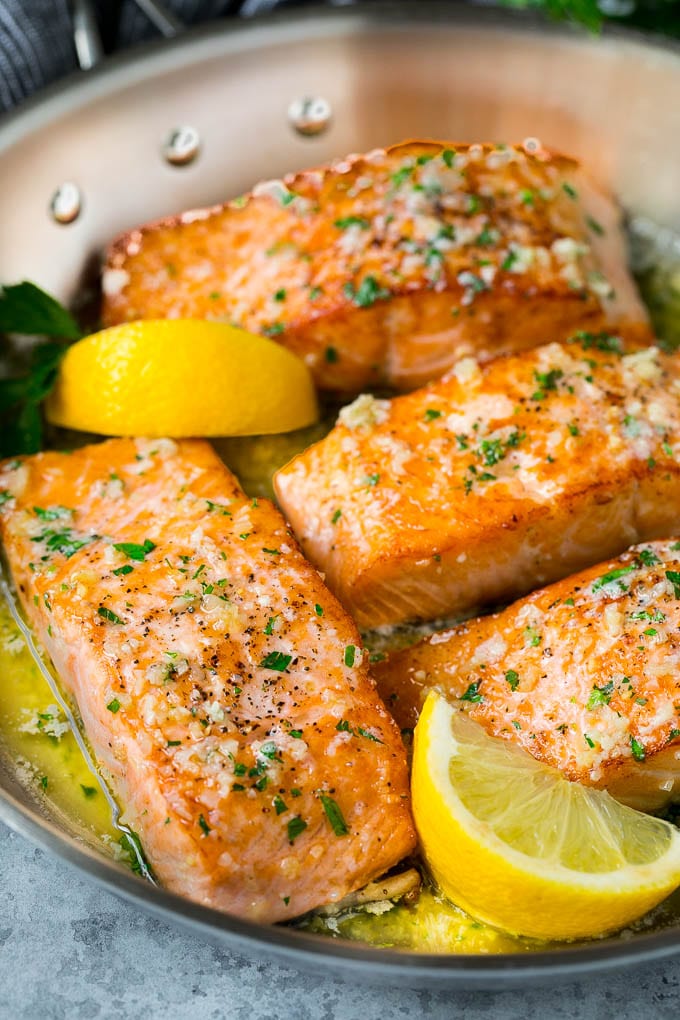
Credit: www.dinneratthezoo.com
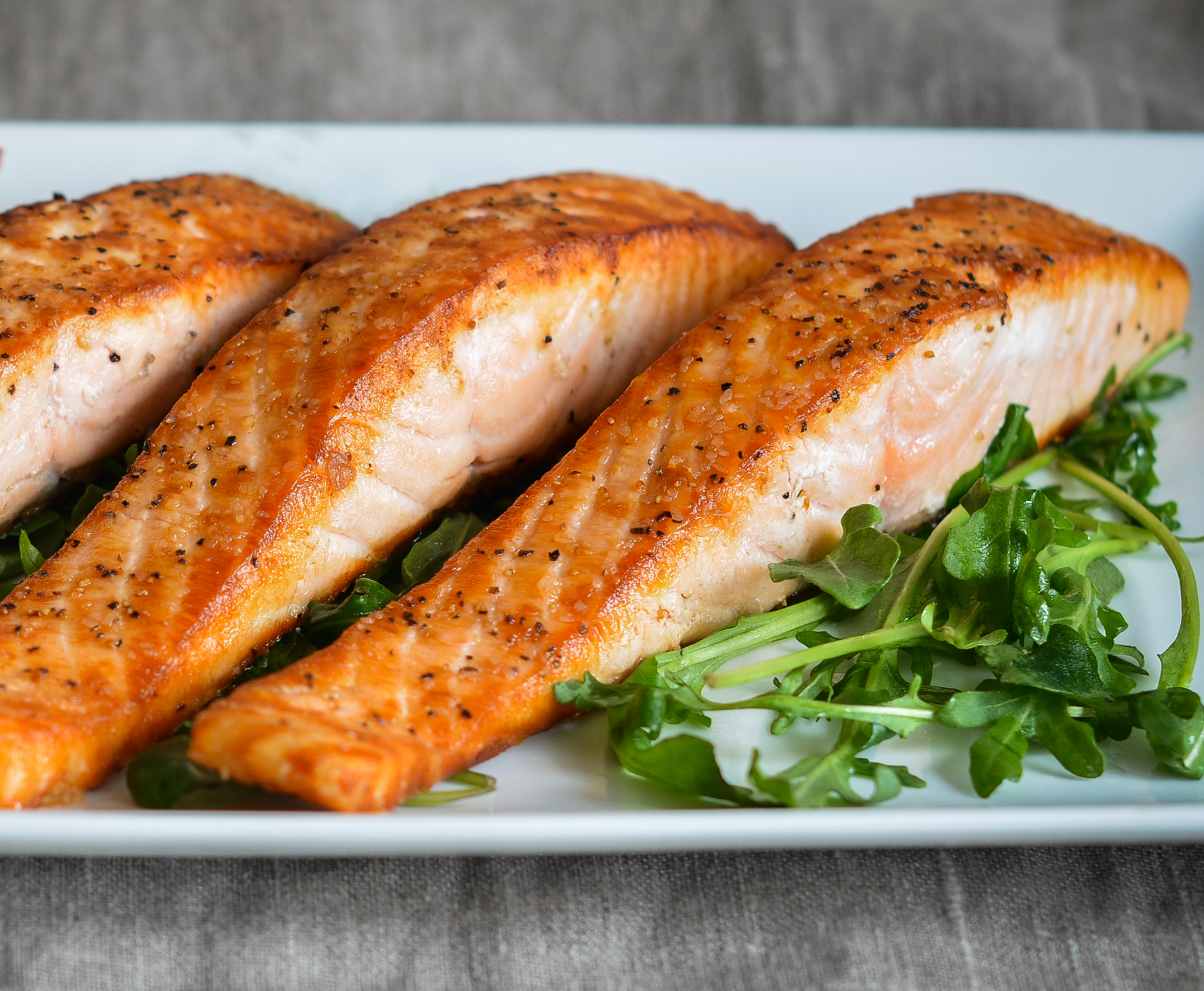
Credit: www.onceuponachef.com
Frequently Asked Questions
Is It Better To Cook Salmon With Butter Or Oil?
Cooking salmon with either butter or oil works well. Butter adds rich flavor, while oil is better for higher heat cooking and offers a lighter taste. Choose based on your flavor preference and cooking method.
Do You Pan Fry Salmon On High Or Low Heat?
Pan fry salmon on medium heat to ensure even cooking and prevent burning. Opt for a preheated skillet to achieve a crispy exterior.
Do You Pan Fry Salmon Skin Side Down First?
Yes, start pan frying salmon by placing it skin side down to achieve a crisp texture and to help it cook evenly.
Do You Need To Flip Salmon When Pan Frying?
Yes, flipping salmon once during pan-frying ensures even cooking and a golden crust on both sides.
Conclusion
Mastering the art of pan-frying salmon is a culinary triumph worth celebrating. Crispy skin, flaky flesh, and rich flavor await those who apply these simple yet effective techniques. Whether a seasoned chef or a kitchen novice, your path to a perfectly pan-fried salmon is now clear.
Happy cooking, and savor every succulent bite!

Leave a Reply