
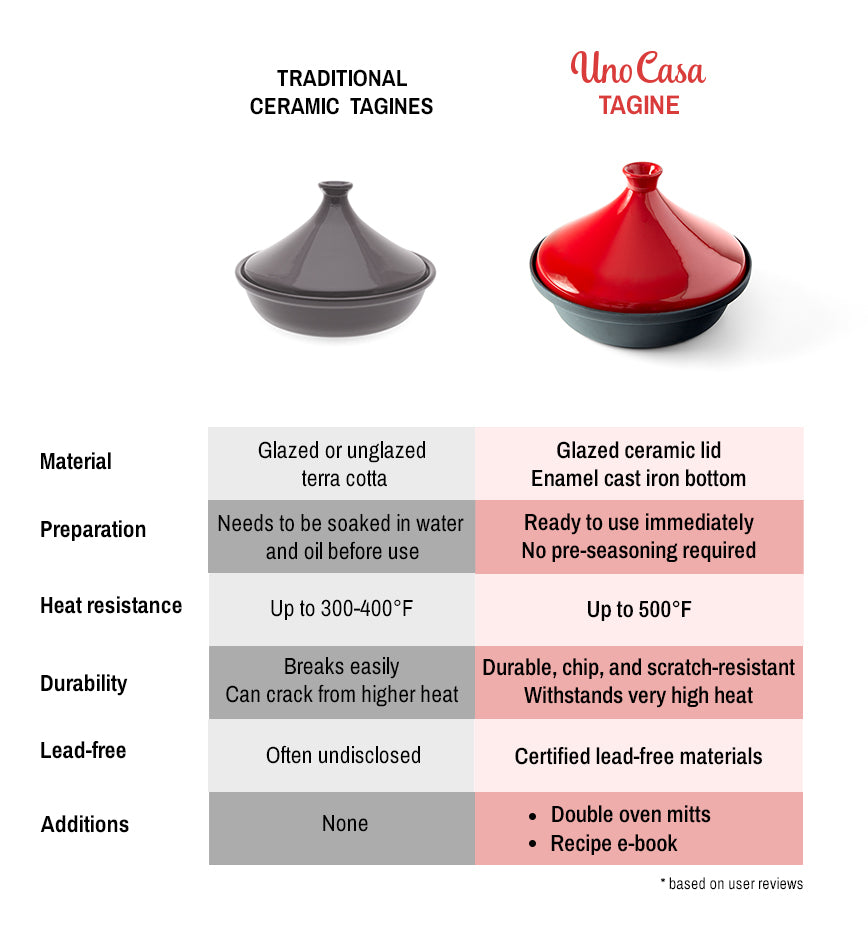
Tagine cookware offers excellent heat retention and unique cooking versatility. It enhances flavors and tenderizes ingredients perfectly.
Tagine Cookware Reviews:Tagine cookware, originating from North Africa, is famous for its distinctive cone-shaped lid and wide, shallow base. This design allows steam to circulate, ensuring moist and flavorful dishes. Made from clay or ceramic, tagines can be used on stovetops or in ovens, making them versatile for various recipes.
They are perfect for slow-cooking meats, vegetables, and stews, infusing them with rich flavors. Tagines are not only functional but also add an authentic touch to your kitchen. Whether you’re a seasoned chef or a home cook, tagine cookware can elevate your culinary experience.
Introduction To Tagine Cookware
Tagine cookware holds a special place in many kitchens. It’s unique, functional, and adds an exotic touch to your cooking. This post explores the magic of tagine cookware. Let’s dive into its origins and understand its charm.
What Is A Tagine?
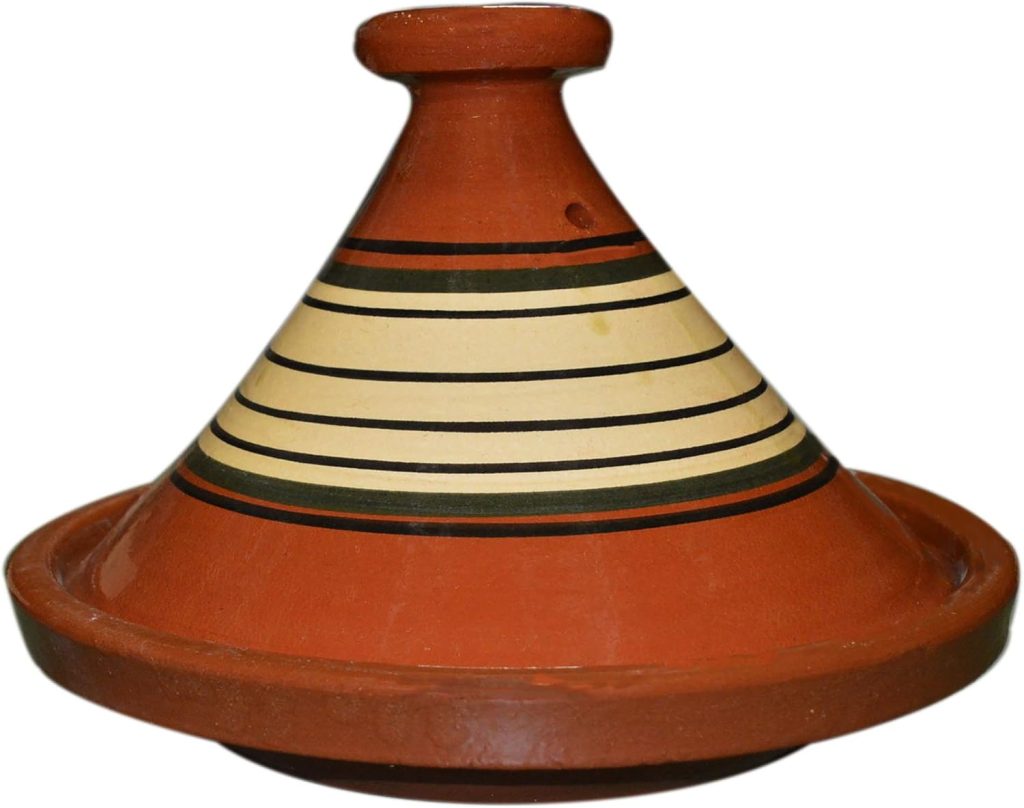
A tagine is a North African clay pot with a conical lid. The design helps steam circulate, keeping food moist and flavorful. It’s perfect for slow-cooked stews and braises.
- Material: Usually made from clay or ceramic.
- Shape: Features a wide, shallow base and a tall, conical lid.
- Cooking Style: Ideal for slow cooking at low temperatures.
History And Origin
The tagine has deep roots in Moroccan culture. It dates back to the Berber tribes of North Africa. The word “tagine” refers both to the cookware and the dish prepared in it.
Historically, tagines were used over open fires. Today, they can be used on stovetops and in ovens. Their use spread from Morocco to Algeria, Tunisia, and beyond.
| Region | Historical Use |
|---|---|
| Morocco | Traditional Berber tribes |
| Algeria | Influence from Moroccan cuisine |
| Tunisia | Adopted for local dishes |
Tagines symbolize communal and family cooking. They are often the centerpiece of gatherings. The slow cooking method marries flavors beautifully.
Benefits Of Using Tagine Cookware
Tagine cookware offers a unique way to prepare delicious meals. This traditional Moroccan pot brings a range of advantages to your kitchen. Here, we explore the key benefits of using tagine cookware.
Enhanced Flavor
Tagine cookware enhances the flavor of your dishes. The pot’s conical shape traps steam, which circulates inside. This process allows the ingredients to marinate in their juices. The slow cooking method brings out deeper flavors. Meals cooked in a tagine have a rich and intense taste.
Here are some key points on enhanced flavor:
- Steam circulation intensifies flavors
- Slow cooking method enhances taste
- Ingredients marinate in their own juices
Health Benefits
Cooking in a tagine offers multiple health benefits. The slow cooking method preserves nutrients. This method also requires less oil, making meals healthier. Tagine dishes often include a variety of vegetables and lean meats.
Below are the health benefits of using a tagine:
- Preserves nutrients through slow cooking
- Requires less oil for preparation
- Encourages the use of healthy ingredients
| Benefits | Description |
|---|---|
| Preserves Nutrients | Slow cooking retains vitamins and minerals. |
| Uses Less Oil | Less oil means fewer calories and fats. |
| Healthy Ingredients | Tagine recipes often include vegetables and lean meats. |
Materials And Design
Choosing the right tagine cookware involves understanding its materials and design. The material affects heat retention and cooking style. The design impacts usability and functionality. Let’s dive into the details.
Clay Vs. Ceramic
Tagines are commonly made from two materials: clay and ceramic. Each has unique benefits.
| Material | Advantages | Disadvantages |
|---|---|---|
| Clay |
|
|
| Ceramic |
|
|
Lid Shape And Function
The lid shape of a tagine is crucial for cooking. Traditional tagines have a conical lid. This shape helps with condensation. It ensures moisture drips back into the dish, keeping it juicy.
Some modern tagines have a dome-shaped lid. This design also helps with moisture retention. Both designs work well, but the conical lid is more traditional.
Consider the lid handle as well. A sturdy handle makes it easier to lift the lid. This is important during cooking and serving.
Top Tagine Brands
Choosing the right tagine can enhance your cooking experience. In this review, we will explore the top tagine brands. These brands are known for their quality, durability, and design.
Le Creuset
Le Creuset is a renowned brand in cookware. Their tagines are no exception.
- Material: Made from high-fired stoneware
- Design: Elegant and colorful designs
- Durability: Extremely durable and resistant to chipping
- Heat Distribution: Excellent heat retention and distribution
Le Creuset tagines come in various colors. They are perfect for both cooking and serving.
Emile Henry
Emile Henry is another top brand for tagine cookware. They are known for their ceramic products.
- Material: High-quality ceramic
- Design: Traditional Moroccan look
- Durability: Scratch-resistant and can handle high heat
- Versatility: Can be used on stove tops and ovens
The Emile Henry tagines have a unique design. They are ideal for slow-cooking stews and casseroles.
Tagine Size Guide
Choosing the right tagine size is crucial for your cooking needs. A tagine comes in various sizes, each serving different purposes. In this section, we will explore small and large tagines to help you make an informed decision.
Small Tagines
Small tagines are perfect for intimate meals or side dishes. They are typically less than 10 inches in diameter. Small tagines are ideal for serving 2-3 people. They are easy to store and heat up quickly.
| Size (inches) | Servings |
|---|---|
| 6 | 1-2 |
| 8 | 2-3 |
Large Tagines
Large tagines are great for family dinners or gatherings. These tagines are often 12 inches or more in diameter. Large tagines can serve 4-6 people. They provide ample space for more ingredients, offering richer flavors.
- 12 inches: Serves 4-5 people
- 14 inches: Serves 5-6 people
Understanding the size of your tagine helps you cook better meals. Whether you need a small tagine for a cozy dinner or a large one for a family feast, choosing the right size is key.
How To Season A Tagine
Seasoning a tagine is crucial for enhancing its durability. It also helps in improving the flavor of your dishes. Follow these steps to ensure your tagine is ready for use.
Preparation Steps
- Soak the tagine in water for at least 2 hours. This helps to strengthen the clay.
- Dry the tagine with a clean towel. Make sure there is no moisture left.
- Rub the inside of the tagine with olive oil. This helps to create a non-stick surface.
- Preheat your oven to 300°F (150°C). Place the tagine in the cold oven.
- Bake the tagine for 2 hours. This will seal the clay and make it more durable.
- Let the tagine cool down in the oven. This prevents cracks from sudden temperature changes.
Maintenance Tips
- Always hand-wash your tagine. Avoid using a dishwasher.
- Use mild soap and warm water for cleaning. Rinse thoroughly.
- Dry the tagine completely before storing. This prevents mold growth.
- Store the tagine in a dry place. Avoid damp environments.
- Re-season your tagine every few months. This keeps it in prime condition.
Follow these steps and tips to keep your tagine in excellent shape. Happy cooking!
Cooking Tips And Techniques
Tagine cookware offers unique cooking methods that enhance flavors. Learn essential tips and techniques to master the art of tagine cooking.
Slow Cooking
Tagine cookware is perfect for slow cooking. This method helps in tenderizing meats and infusing flavors. Here are some tips:
- Start with low heat to avoid cracking the tagine.
- Use a diffuser if you’re cooking on a gas stove.
- Allow the tagine to slowly come to temperature.
- Cook meats and vegetables together for rich flavors.
Aromatic Ingredients
Using aromatic ingredients is key to authentic tagine dishes. These ingredients add depth and complexity to your meal. Consider the following:
| Ingredient | Flavor Profile |
|---|---|
| Cinnamon | Warm and sweet |
| Saffron | Earthy and floral |
| Preserved Lemons | Tangy and salty |
| Garlic | Pungent and spicy |
Combine these ingredients for a balanced and flavorful dish:
- Layer meats and vegetables in the tagine.
- Add spices and herbs on top.
- Pour in a small amount of broth or water.
- Cover and let it simmer slowly.
These steps ensure your dish is aromatic and delicious.

Credit: moroccanzest.com
Customer Reviews And Ratings
Tagine cookware has gained popularity among home cooks and chefs. Customer reviews and ratings provide valuable insights. Let’s explore what users have to say.
Positive Feedback
Many users praise the authentic flavor tagine cookware delivers. They love the rich, deep flavors it brings out in dishes. Here are some highlights from the positive feedback:
- Ease of Use: Customers find tagine cookware easy to use.
- Design: The beautiful design adds charm to any kitchen.
- Versatility: Suitable for various recipes and cooking methods.
A customer noted, “The tagine’s slow-cooking makes meat tender and juicy.” Others appreciate its durability and heat distribution. They believe it enhances the cooking experience.
Common Complaints
While many love their tagine cookware, some users have had issues. Here are common complaints:
- Fragility: Some users find tagine cookware fragile.
- Weight: Others mention the cookware is heavy.
- Maintenance: Certain models require special care.
One user shared, “The tagine cracked after a few uses.” Another mentioned, “It’s heavy and hard to handle.” Despite these issues, many still appreciate the unique cooking experience tagine cookware offers.

Credit: moroccanzest.com
Frequently Asked Questions
What Is A Tagine Cookware?
A tagine cookware is a traditional North African pot. It’s designed for slow-cooking and has a conical lid.
How To Use A Tagine Cookware?
To use a tagine, layer ingredients inside and cook slowly. The conical lid traps steam, keeping food moist.
Can You Use A Tagine On A Stove?
Yes, you can use a tagine on a stove. Use a heat diffuser to prevent cracking.
What Materials Are Tagines Made From?
Tagines are commonly made from clay or ceramic. Some modern versions are also made from cast iron.
Conclusion
Tagine cookware offers a unique way to enhance your culinary skills. Its design ensures delicious, tender dishes every time. Investing in quality tagine cookware can transform your cooking experience. Explore various options and choose one that suits your needs. Enjoy the rich flavors and cultural heritage tagine cooking brings to your kitchen.

Leave a Reply