
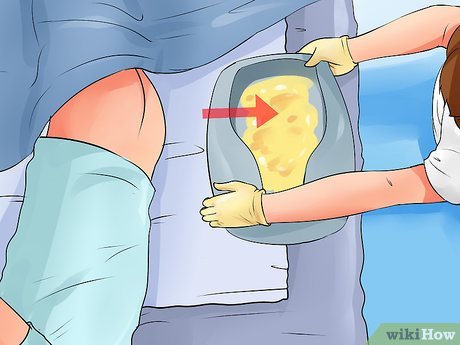
The best way to use a bedpan involves positioning it correctly and ensuring the patient’s comfort. Assistance from a caregiver is often necessary for a smooth process.
Best Way to Use Bed Pan:Bedpans are essential medical aids for individuals who cannot leave their beds due to illness, surgery, or limited mobility. Using a bedpan can be a delicate matter, both for the patient and the caregiver. The key is to handle the situation with dignity and care to maintain the patient’s comfort and hygiene.
This simple yet crucial piece of equipment allows patients to manage their bodily functions without compromising their safety or health. As a caregiver or patient, knowing the proper technique for bedpan usage is important to prevent spills, infections, or discomfort. With the right approach, a bedpan can significantly ease the challenges associated with immobility.
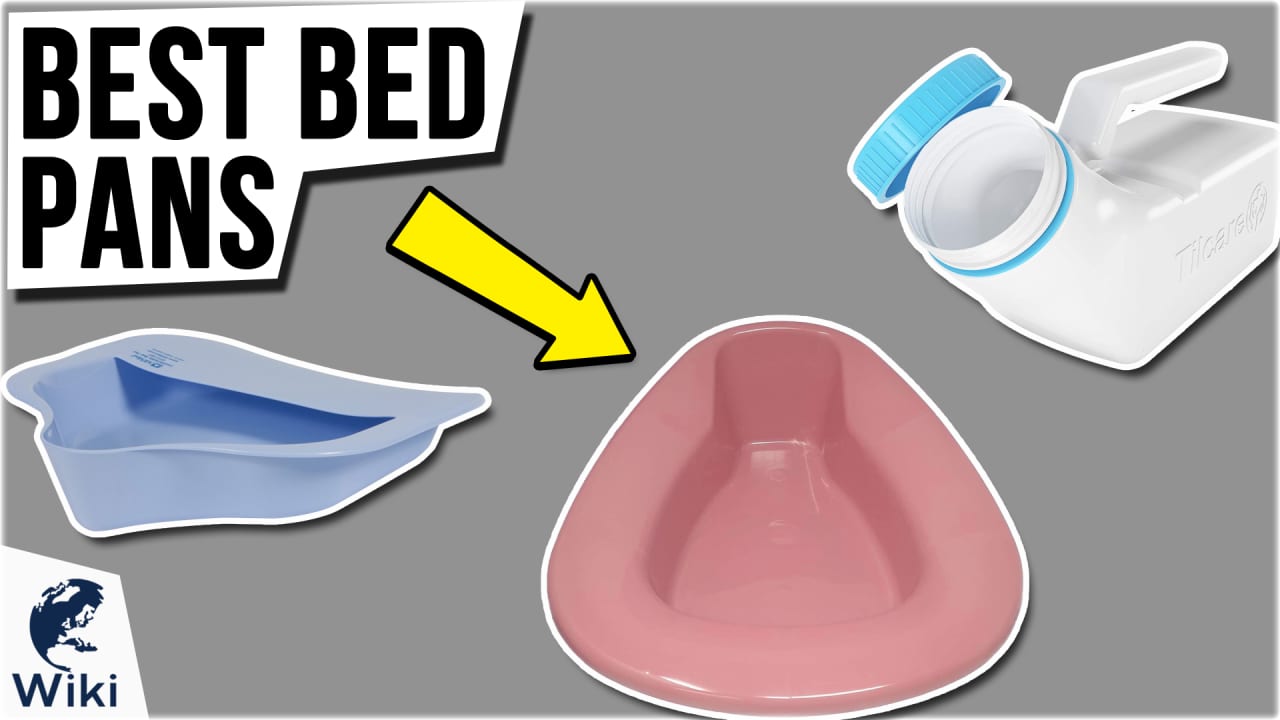
Credit: wiki.ezvid.com
Introduction To Bed Pan Usage
Introduction to Bed Pan Usage is crucial for many. It helps people who cannot leave their beds. This includes those sick, injured, or otherwise unable to move. A bed pan is a tool for them. It collects urine and feces while they remain in bed.
Essential Care Equipment
A bed pan is key for patient care. It ensures cleanliness and dignity. It’s made of metal or plastic. Easy to clean and use, it comes in various shapes for comfort.
- Metal: Durable but can be cold to the touch.
- Plastic: Lighter and can be warmer, more comfortable.
Importance For Bedridden Patients
For those who cannot get up, a bed pan is vital. It allows for basic hygiene. This reduces the risk of infections. It also helps in preserving the patient’s dignity.
| Benefit | Description |
|---|---|
| Hygiene | Keeps the patient clean and reduces infection risks. |
| Dignity | Allows patients to take care of personal needs privately. |
| Comfort | Designed to fit the body, reducing discomfort. |
Types Of Bed Pans
Understanding the different types of bed pans is key for proper use. Bed pans offer convenience and comfort for individuals who cannot leave their beds. Let’s explore the varieties available.
Standard Versus Fracture Bed Pans
Standard bed pans are commonly used and fit most patients. They have a classic, contoured shape for ease of use. Fracture bed pans are smaller and designed for those with mobility issues. They easily slide under the user, causing minimal discomfort.
- Standard Bed Pans: Ideal for individuals with limited mobility.
- Fracture Bed Pans: Best for users with severe mobility restrictions.
Materials And Designs
Bed pans are made from various materials. Each design serves a different comfort and hygiene level.
| Material | Pros | Cons |
|---|---|---|
| Stainless Steel | Durable, Easy to sanitize | Heavy, Cold to touch |
| Plastic | Lightweight, Warm to touch | Less durable than steel |
Choose a bed pan that suits your needs and comfort preferences.
Preparing For Bed Pan Use
Using a bed pan correctly is crucial for comfort and hygiene. This guide explains how to prepare for bed pan use.
Gathering Necessary Supplies
Before using a bed pan, gather all needed items first. This helps the process go smoothly.
- Bed pan: Choose the right size and type.
- Gloves: Wear gloves to keep things clean.
- Wipes: Have wipes for easy cleaning.
- Lubricant: Use if the bed pan sticks to skin.
- Towel: Place it under the bed pan to prevent spills.
- Waste bag: Dispose of contents safely.
Ensuring Privacy And Dignity
Privacy and dignity are important during bed pan use. Make sure the user feels comfortable.
- Close doors: Keep the area private.
- Use screens: Block view from others.
- Explain process: Let the user know each step.
- Work quickly: Limit exposure time.
- Be respectful: Show kindness and patience.
Positioning The Patient
Positioning the Patient is a crucial step in the safe and dignified use of a bedpan. It ensures comfort and minimizes the risk of injury. Proper technique is key for both the patient and the caregiver. Let’s explore the best practices for positioning someone on a bedpan.
Techniques For Safe Positioning
- Explain the process to the patient to ease anxiety.
- Wash hands and wear gloves for hygiene.
- Gather necessary items like the bedpan, tissues, and wipes before starting.
- Ensure privacy with curtains or doors closed.
- Assist the patient to a supine position with knees bent.
- Roll the patient gently to one side.
- Place the bedpan firmly against the buttocks.
- Help the patient roll back onto the bedpan.
- Check alignment to prevent spills.
- Support the patient until stable.
Preventing Discomfort And Injury
- Use pillows for back and head support.
- Adjust the bed height to reduce strain.
- Provide a handrail or support for the patient to hold onto.
- Place a pad under the bedpan to prevent skin damage.
- Monitor for pain and adjust as needed.
- Limit time on the bedpan to avoid pressure sores.
- Apply barrier cream if the patient is on the bedpan often.
- Encourage deep breathing to relax the patient.
- After use, assist the patient off the bedpan carefully.
- Clean the area and provide comfort measures.
Proper Placement Of Bed Pan
The Proper Placement of Bed Pan is key for comfort and hygiene. It helps patients who cannot leave the bed. Correct placement ensures dignity and reduces accidents. Let’s discuss the best methods.
Alignment For Effective Use
Good alignment is crucial for a bed pan’s effectiveness. Follow these steps:
- Position the patient on their back.
- Lift the patient’s hips gently.
- Slide the bed pan under the patient carefully.
- Ensure the pan aligns with the buttocks.
- Check for comfort and adjust if needed.
Securing The Bed Pan In Place
Securing the bed pan is vital to prevent spills. Use these tips:
- Ensure the pan is snug under the patient.
- Support the pan’s edge to avoid tilting.
- Ask the patient to remain still.
- Place a towel under the pan for stability.
- Stay close to assist as needed.
Maintaining Hygiene
Maintaining hygiene is key when using a bed pan. It keeps you and others safe. We will talk about how to stay clean and germ-free. Let’s dive into the best ways to do this.
Sanitization Protocols
Keeping the bed pan clean is very important. Here’s how:
- Wash the bed pan with soap and hot water after every use.
- Use a disinfectant to kill germs. Make sure it’s safe for the skin.
- Let it dry completely before using it again.
This stops germs from spreading. It keeps everyone healthy.
Use Of Disposable Gloves
Gloves protect your hands from germs. They keep everything clean. Here’s what you need to know:
- Put on new gloves before touching the bed pan.
- Throw away the gloves after use. Do not reuse them.
- Wash your hands well after removing the gloves.
This helps stop germs from moving from one place to another.
Aftercare For The Patient
After a patient uses a bed pan, good aftercare is key. This care helps keep the patient clean, comfortable, and free from sores. Let’s look at how to do this right.
Cleaning And Comfort Measures
First, we need to clean the patient. This means gently wiping the skin with a warm, damp cloth. Use mild soap if needed. Then, dry the area well with a soft towel. Cleanliness prevents infection and keeps the patient comfortable.
- Always wear gloves for hygiene.
- Use disposable wipes for convenience.
- Change bed linens if they get wet or dirty.
After cleaning, make sure the patient is comfortable. Adjust their position to prevent pressure on any one area. Use pillows for support.
Skin Care To Prevent Sores
Preventing sores is crucial. Start by checking the skin every day. Look for redness or signs of irritation. Apply a barrier cream to protect sensitive areas. Keep the skin dry and free from moisture. Change positions often to reduce pressure.
- Inspect skin daily for any changes.
- Use barrier creams to protect skin.
- Keep the skin dry and clean.
- Reposition the patient every 2 hours.
Remember, good skin care is a must. It keeps the patient healthy and comfortable.
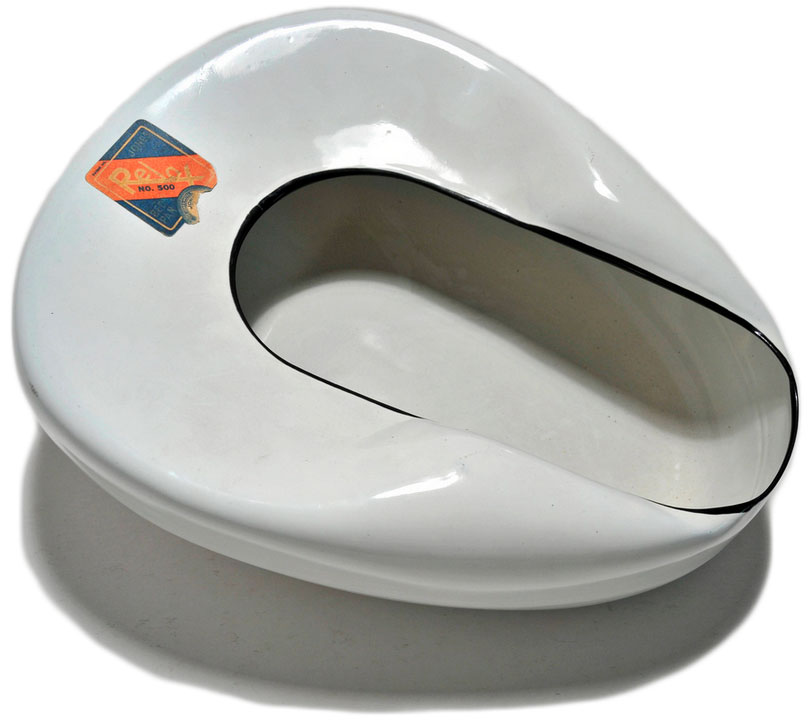
Credit: www.collectorsweekly.com
Disposal And Cleaning
Bed pan management is crucial for health and hygiene. Proper disposal and cleaning prevent infections. Learn the best methods here.
Procedures For Waste Disposal
Handling bed pan waste requires care. Follow these steps:
- Wear gloves to protect hands.
- Empty contents into the toilet.
- Flush the toilet to dispose of waste.
- Remove gloves and wash hands thoroughly.
Bed Pan Decontamination
After waste disposal, bed pan cleaning is next.
- First, rinse the bed pan with cold water.
- Scrub with a disinfectant cleaner.
- Use hot water for a final rinse.
- Dry the bed pan completely before use.
Remember: Always use gloves. Clean the bed pan after every use. This keeps everyone safe and healthy.
Tips For Caregivers
Caregivers play a vital role in assisting those who rely on bed pans. It’s a sensitive task. Proper technique ensures comfort and hygiene. This section provides essential tips for caregivers.
Communication During The Process
Clear communication is key. It eases anxiety for both parties. Here’s how to do it right:
- Explain each step before you begin.
- Ask about comfort levels regularly.
- Use simple, reassuring words.
Managing Frequent Usage
Some patients need the bed pan often. Stay organized and prepared. Follow these steps:
| Step | Action |
|---|---|
| 1 | Keep the bed pan within reach. |
| 2 | Clean it after every use. |
| 3 | Wear gloves for hygiene. |
Adapting To Patient Needs
Patients in care often need help with basic needs. Bed pans are vital for those who can’t use a toilet. Comfort and dignity matter most. Here’s how to adapt to each patient’s needs.
Customizing The Approach
Every patient is unique. Custom care is key. Here’s how to tailor your approach:
- Know the patient’s condition: Mobility and health dictate the method.
- Choose the right bed pan: Options vary from basic to specialized.
- Explain the process: Clear instructions ease anxiety.
- Ensure privacy: Use curtains or screens to provide comfort.
- Adjust positions: Find the best angle for each person.
Responding To Challenges
Challenges will arise. Respond with care and patience. Consider these tips:
- Stay patient: Take your time to avoid spills and discomfort.
- Be ready to adapt: Change tactics if one method fails.
- Keep equipment handy: Gloves and wipes should be within reach.
- Monitor for discomfort: Watch for signs of pain or distress.
- Seek feedback: Ask if the patient is comfortable.

Credit: www.wikihow.com
Frequently Asked Questions
Which Is The Best Way To Place A Resident On A Bedpan?
Ensure the resident is comfortable and has privacy. Explain the procedure to them. Wear gloves for hygiene. Help the resident onto their side, then place the bedpan against their buttocks. Gently roll the resident back onto the bedpan, making sure they’re stable and supported.
How Did People Use Bed Pans?
People used bed pans by sliding them under the user while in bed, allowing for waste elimination without getting up. After use, the pan was removed and cleaned for hygiene.
How Should A Standard Bedpan Be Positioned?
Place the standard bedpan under the patient with the wider end aligned with their buttocks. Ensure the patient is comfortably seated on the flat, broader surface.
What Is The Most Effective Way To Clean A Bedpan?
To effectively clean a bedpan, first empty and rinse it with cold water. Then, scrub with disinfectant, rinse again, and dry thoroughly.
Conclusion
Navigating the use of a bed pan can be simple with the right approach. Remember, comfort and hygiene are paramount. Embrace these tips for a dignified experience. Seek help if needed and maintain patience. Your well-being is worth that extra care.

Leave a Reply