
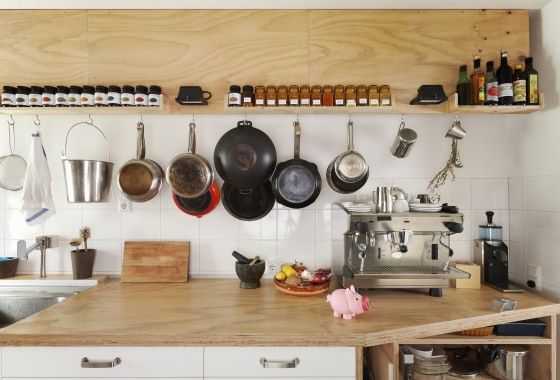
You should change your cookware every 5 years or when it shows signs of wear. Durability varies by material and usage.
How Often Should You Change Your Cookware:Choosing the right moment to replace your cookware is crucial for both food safety and culinary performance. High-quality pots, pans, and baking dishes are investments in your kitchen’s functionality and the healthfulness of the meals you prepare. Over time, even the best cookware can degrade, with nonstick surfaces wearing off, metals warping, and materials potentially leaching harmful substances into your food.
It’s essential to monitor your cookware’s condition, keeping an eye out for scratches, rust, and other damage that can affect cooking efficiency and hygiene. By staying vigilant, you can ensure that your cooking essentials are always in top shape, supporting your culinary ventures with reliable tools.
Introduction To Cookware Lifespan
Understanding the lifespan of cookware is crucial. It ensures food safety and cooking efficiency. Different materials and maintenance habits can affect how long your cookware lasts. This guide helps you understand when to replace your cookware.
Factors Influencing Cookware Durability
The durability of cookware depends on several factors:
- Material: Stainless steel lasts longer than non-stick surfaces.
- Usage: Frequent use wears cookware out faster.
- Care: Proper cleaning and storage extend lifespan.
- Quality: Higher quality pieces withstand more use.
Signs It’s Time For A Change
Look for these signs to know it’s time to replace your cookware:
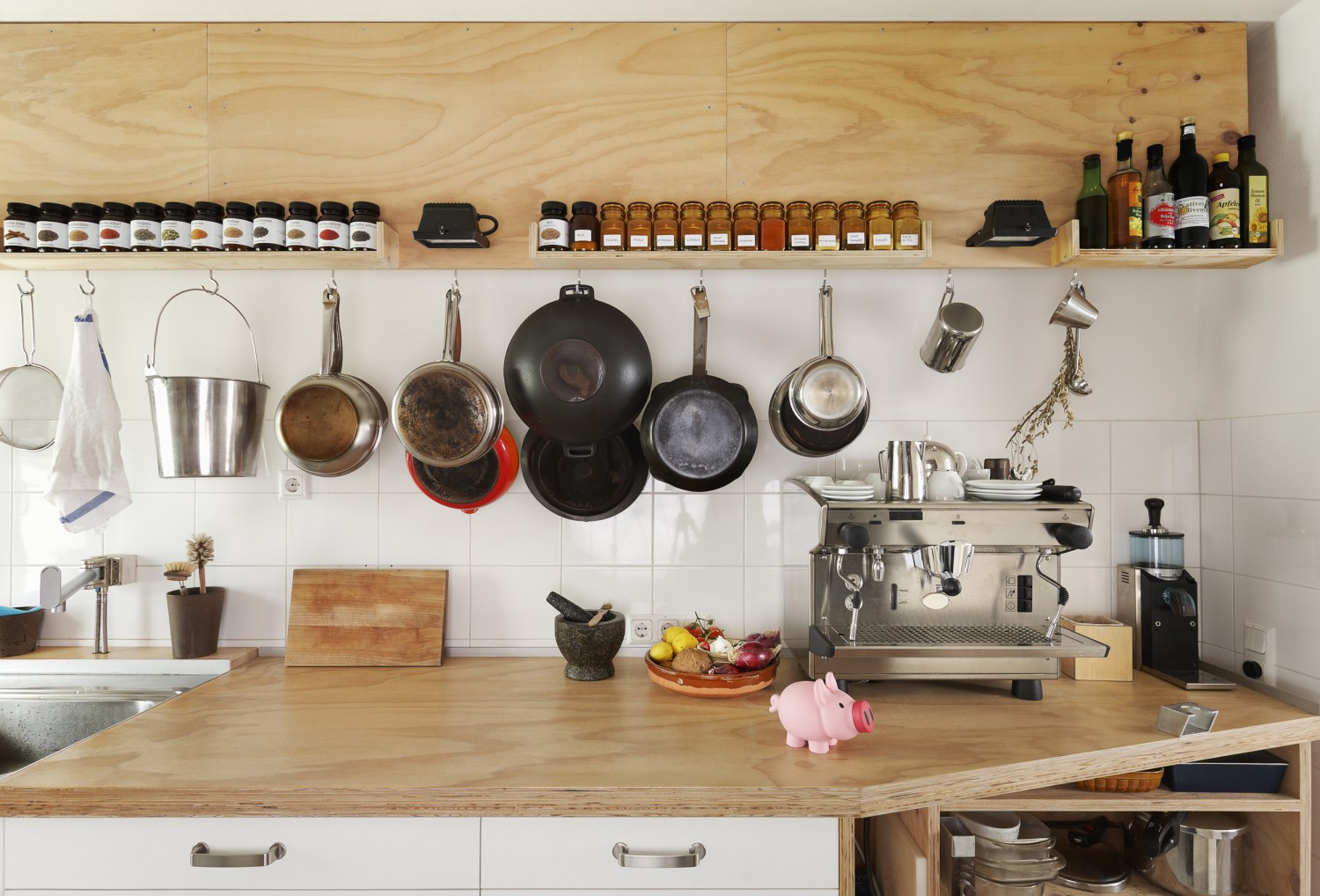
- Scratched Surfaces: They can release harmful chemicals.
- Warped Bottoms: Uneven cooking and reduced efficiency result.
- Loose Handles: They pose a safety risk.
- Discoloration: Indicates material breakdown and potential toxicity.
Credit: www.nbcnews.com
Material Matters: Cookware Types
When picking pots and pans, material is key. Each type has its own lifespan and care needs. Let’s explore popular cookware materials and when to replace them.
Nonstick Pans: A Closer Look
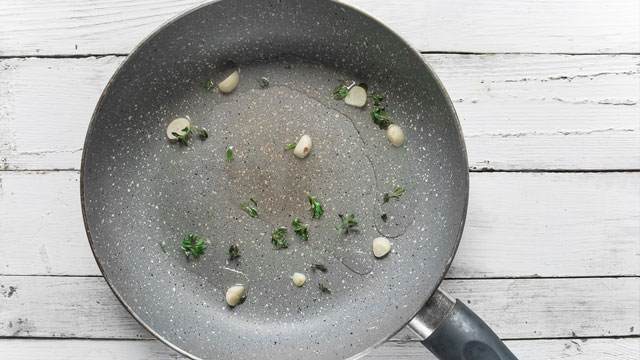
Nonstick pans make cooking and cleaning simple. But they don’t last forever. Look for these signs:
- Scratched surfaces
- Peeling coatings
- Loss of nonstick property
Typically, replace nonstick pans every three to five years.
Stainless Steel And Its Longevity
Stainless steel cookware is durable. It stands up to high heat and rough use. Signs to replace include:
- Warped bottoms
- Deep scratches
With proper care, stainless steel can last over a decade.
Cast Iron Classics: Enduring With Care
Cast iron skillets are tough. They get better with age. Keep an eye out for:
- Rust spots
- Cracks
Maintain seasoning for a lifetime of use.
Copper Cookware: Elegance And Maintenance
Copper pots are prized for quick heating. They need more care to shine. Watch for:
- Tarnishing
- Dents
With regular polishing and careful use, copper can also last for years.
Impact Of Usage Frequency
The Impact of Usage Frequency on cookware is significant. How often you cook can determine when to replace pots and pans. Heavy use leads to wear and tear. Light use means longer-lasting cookware. Let’s explore how daily and occasional cooking affect your cookware’s lifespan.
Daily Use Versus Occasional Cooking
Daily cooking can strain cookware. Heat, washing, and constant use affect durability. Non-stick surfaces might degrade faster. Stainless steel might discolor or dent. Occasional cooks see less wear. Their cookware often lasts longer. Yet, all cookware will need replacement eventually.
Balancing Variety And Wear
Having a variety of pots and pans can extend life. Rotate use to prevent excessive wear on any single item. Consider materials and cooking habits. Match cookware to the task for optimal performance and longer life.
| Cookware Type | Usage | Replacement Frequency |
|---|---|---|
| Non-stick | Daily | Every 1-2 years |
| Stainless Steel | Regular | Every 5 years |
| Cast Iron | Occasional | Decades with proper care |
- Inspect cookware regularly for signs of wear.
- Clean properly to maintain condition.
- Replace when performance drops or damage appears.
Remember, the right care and a balanced variety can make cookware last. Yet, usage dictates change. Look at your cooking habits to know when it’s time for new pots and pans.
Credit: www.yummy.ph
Care And Cleaning Practices
Care and Cleaning Practices ensure the longevity of your cookware. Proper maintenance not only extends the life of your pots and pans but also maintains their performance. Follow these guidelines to keep your cookware in top shape.
Proper Washing Techniques
Hand washing is key. Use warm soapy water and a soft sponge to clean cookware after each use. Avoid abrasive materials that can scratch surfaces. Dry cookware immediately to prevent water spots and rust.
- Non-stick pans require special care. Use only wooden or silicone utensils to prevent scratches.
- Cast iron should be cleaned with hot water and a stiff brush. Season regularly to protect the surface.
- Stainless steel can tolerate harsher sponges but avoid bleach which can corrode the material.
Storage Solutions To Prolong Life
Proper storage is vital. Stack pans with care to avoid scratches. Place a soft cloth or paper towel between each pan when stacking. Hang pans when possible to prevent damage.
Organize lids separately to keep them easily accessible and prevent clutter. Use a lid rack or organizer for this purpose.
| Cookware Type | Storage Tip |
|---|---|
| Non-stick | Store separately or use protectors. |
| Cast iron | Store in a dry place, oiled. |
| Stainless steel | Can stack without protectors. |
The Role Of Cooking Styles
Different cooking methods impact cookware longevity. High heat can wear pans out faster. Gentle cooking preserves them longer. Know your style and choose wisely.
High Heat And Its Effects
- High temperatures warp and damage pans.
- Non-stick coatings break down with intense heat.
- Stainless steel might discolor.
- Cast iron withstands heat but needs care.
Use medium heat to extend life for most cookware.
Gentle Cooking: Preserving Your Cookware
- Low temperatures prevent scratches and wear.
- Wooden or silicone tools reduce harm.
- Clean gently to maintain surface quality.
- Proper storage keeps cookware like new.
Match cookware to cooking style for best results.
When To Upgrade: Performance Over Time
Knowing when to upgrade your cookware is key to great cooking. Over time, pots and pans lose their performance. This can change how food cooks. Let’s explore signs it’s time for new cookware.
Assessing Heat Distribution And Retention
Even heat is crucial for good cooking. Old cookware often fails here. Check your pans by cooking pancakes. See if they brown evenly. Uneven browning means poor heat distribution. This suggests it’s time for an upgrade.
- Check for hot spots by cooking a single pancake.
- If the pancake cooks unevenly, consider new cookware.
Nonstick Surfaces: Scratch And Stick Evaluation
Nonstick pans make cooking and cleanup easy. But they wear out. Scratched surfaces mean it’s time for new ones. Here’s how to check:
- Look closely for scratches or peeling.
- Cook an egg without oil. If it sticks, your pan needs replacing.
Remember, good cookware makes cooking better and safer. Upgrade when you see these signs.
Environmental And Health Considerations
When thinking about changing your cookware, consider the planet and your health.
These aspects guide you to make better choices for yourself and nature.
Chemical Leaching Concerns
Over time, cookware can start to break down. This leads to harmful chemicals leaking into your food.
Non-stick pans often contain PTFE and PFOA. These are not good for you.
When these pans get too hot, they release toxins. These toxins can affect your health and the air.
Choose cookware that is safe and does not leak chemicals.
Sustainable Choices In Cookware
- Cast Iron: Lasts long and can be recycled.
- Stainless Steel: Durable and easy to recycle.
- Ceramic: A safer non-stick option without harmful chemicals.
- Glass: Does not leak chemicals and is fully recyclable.
Picking sustainable cookware reduces waste. It also protects your health.
Always look for options that are eco-friendly and long-lasting.
Making the right choice helps the planet and keeps you safe. Change your cookware wisely.
:max_bytes(150000):strip_icc()/Old-Nonstick-Pans-3ffdccb60f5b4b4a9802dd0247a8dc94.jpg)
Credit: www.allrecipes.com
Budgeting For Cookware Replacement
Wondering about cookware replacement? It’s key to budget wisely. Cookware doesn’t last forever. Knowing when to replace pots and pans is crucial. It helps avoid unexpected expenses.
Cost Versus Quality In Cookware
Not all cookware is equal. Price often reflects quality. Cheap pans may wear out faster. This means spending more over time. On the other hand, expensive sets can last years. They could save money long-term.
- Low-cost options: Good for short-term use.
- Mid-range cookware: Balance of cost and durability.
- Premium sets: Higher initial cost, better longevity.
Investing In Longevity: When To Splurge
Consider usage when choosing cookware. Heavy use demands better quality. This means choosing durable materials like stainless steel or cast iron. These can withstand daily wear and tear.
| Material | Use Case | Lifespan |
|---|---|---|
| Non-stick | Light cooking | 1-5 years |
| Stainless Steel | Daily use | 5-10+ years |
| Cast Iron | High-heat recipes | Decades |
Remember, investing more upfront in quality cookware pays off. It reduces the need for frequent replacements. Thus, it is smart to splurge wisely.
Conclusion: Personalizing Your Cookware Timeline
Finding the right time to replace cookware can be unique for everyone.
Kitchen habits and cookware quality play a big role.
Read on to tailor your cookware replacement plan.
Recognizing Individual Needs
Every kitchen is different.
A professional chef might switch out pans yearly.
A home cook might need changes less often.
Consider how often you cook and what you cook.
This will guide your replacement schedule.
Creating A Cookware Update Plan
- Inspect cookware regularly for wear and tear.
- Note changes in cooking performance.
- Mark dates of purchase for tracking.
Use these steps to stay ahead.
Keep your cookware at its best.
Enjoy safe, effective cooking all year round.
Frequently Asked Questions
How Often Should Cookware Be Replaced?
Replace cookware every 5 years or when damage, such as warping, scratches, or nonstick coating wear, is noticeable. Regular inspection ensures safety and performance.
When Should You Throw Away Pans?
Dispose of pans when they show signs of warping, non-stick coating peels or scratches, or if they have uneven surfaces causing uneven cooking.
How Often Should I Replace Non-stick Pans?
Replace non-stick pans every 5 years, or sooner if they show scratches, flaking, or a loss of non-stick properties.
How Do You Know When You Need New Pans?
You need new pans if they have warped bases, non-stick coating scratches, or if they heat unevenly and food sticks frequently.
Conclusion
Selecting the right time to update your cookware is essential for both culinary success and kitchen safety. Aim for a balance between practical usage and material longevity. Remember, refreshing your pots and pans isn’t just about aesthetics; it’s about maintaining the quality of your cooking and ensuring the health of those you feed.
Keep an eye on wear and tear, and let that guide your decision to invest in new cookware.

Leave a Reply