
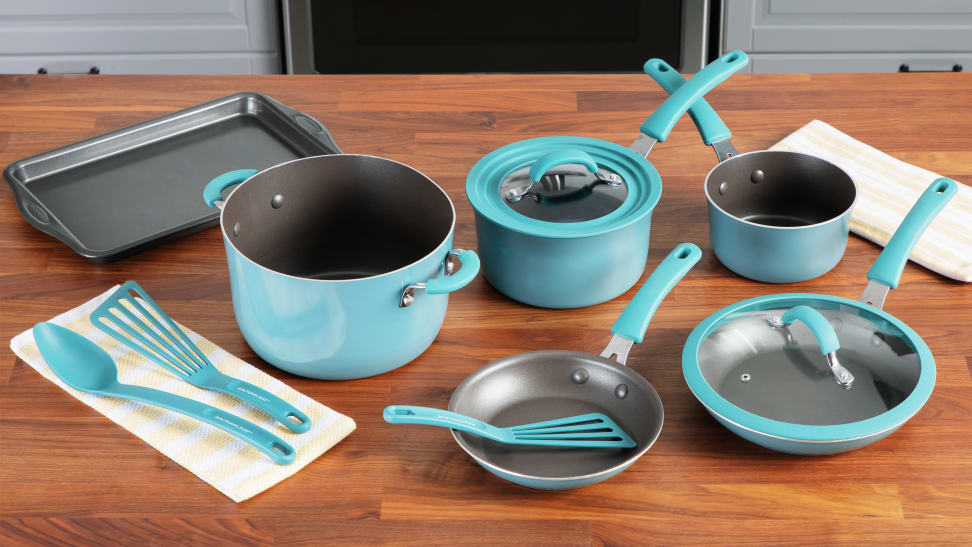
Cookware refers to any food preparation containers used on a stove or range cooktop. It encompasses a variety of pots, pans, and baking dishes essential for cooking.
What is the Meaning of the Word Cookware:Whether you’re an aspiring chef or a home cook, the right cookware can dramatically improve your cooking experience. Quality materials like stainless steel, cast iron, and non-stick coatings are common in cookware manufacturing, each offering unique benefits. Stainless steel is durable and resistant to corrosion, cast iron provides excellent heat retention, and non-stick surfaces allow for healthier cooking with less oil.
Selecting the appropriate cookware set is crucial, as it influences cooking efficiency, flavor, and the ease of cleaning after meal preparation. With countless options available, choosing cookware that fits your culinary needs and skill level is an investment in your kitchen’s functionality.
The Essence Of Cookware
The Essence of Cookware dives into the heart of cooking. It’s not just about pots and pans. It’s about creating memories, flavors, and experiences. Cookware is a chef’s best friend. It helps turn simple ingredients into delicious meals. Let’s explore the core functions and the various materials and types of cookware.
Core Functions
Cookware has many jobs in the kitchen. Each piece has a special role.
- Heating food evenly is key for good cooking.
- Preserving flavors makes meals delicious.
- Offering versatility allows for creativity in dishes.
Materials And Types
Different materials give cookware unique qualities. Here’s a quick guide:
| Material | Benefits |
|---|---|
| Stainless Steel | Durable, easy to clean, and versatile. |
| Cast Iron | Great for even heating and flavor enhancement. |
| Aluminum | Lightweight and heats up quickly. |
| Ceramic | Non-stick and free of chemicals. |
| Copper | Excellent thermal conductivity for precise cooking. |
Each type of cookware serves a purpose. Choosing the right one can make all the difference in your cooking.
Historical Journey Of Cooking Vessels
The story of cookware is as old as human civilization.
People have used cooking vessels for thousands of years.
Let’s explore the journey from ancient origins to modern kitchens.
Ancient Origins
Early humans discovered fire and needed containers.
They turned to nature for solutions.
Materials like stone and clay became the first cookware.
These vessels could hold food and withstand heat.
- Clay pots were shaped by hand and baked in the sun.
- Stone bowls were carved from large rocks.
- People also cooked in animal hides and hollowed wood.
Evolution Through Ages
As time passed, cookware evolved.
Each culture added its touch to the designs.
Metal use in cookware was a game-changer.
Metals like bronze, iron, and copper spread widely.
| Period | Material | Advancement |
|---|---|---|
| Bronze Age | Bronze | Durable pots and pans |
| Iron Age | Iron | Stronger, heavy-duty cookware |
| Later centuries | Aluminum, Stainless Steel | Lightweight, rust-resistant options |
In the Middle Ages, cast iron became popular.
It was perfect for long, slow cooking.
The Industrial Revolution brought mass production.
Cookware became affordable and varied.
Today, we have non-stick and high-tech materials.
These make cooking easier and more efficient.
Decoding Cookware Terminology
Understanding cookware terms is crucial. It helps you choose the right tools for your kitchen. Let’s unravel these terms together.
Key Terms
- Material: The substance used to make cookware.
- Non-stick: A surface that prevents food from sticking.
- Conductivity: How well cookware transfers heat.
- Durability: How long cookware lasts with regular use.
- Reactivity: How cookware reacts with different foods.
Industry Jargon
| Term | Definition |
|---|---|
| Anodized | A process that hardens aluminum cookware. |
| Clad | Layers of different metals bonded together. |
| Seasoning | Coating cast iron with oil for a natural non-stick surface. |
| Tempered | Glass made stronger through a heating process. |
| Induction-ready | Cookware that works with induction cooktops. |
Credit: www.aarp.org
Materials Matter In Cookware
When we talk about cookware, materials are key. They affect durability, heat distribution, and ease of use. From stainless steel to cast iron, each material offers different cooking advantages. Let’s dive into what each one brings to the kitchen.
Stainless Steel
Stainless steel cookware shines in kitchens worldwide. It’s prized for its rust resistance and non-reactive surface. This means it won’t change the taste of acidic foods. Stainless steel pots and pans also offer even heat distribution. They are ideal for searing and browning.
- Durable and long-lasting
- Easy to clean and maintain
- Often features multi-layer construction
Cast Iron
Cast iron cookware is the choice for heat retention. Once hot, it stays hot, making it perfect for frying and slow cooking. With proper seasoning, it offers a natural non-stick surface. Cast iron pieces can last for generations with proper care.
| Pros | Cons |
|---|---|
| Excellent heat retention | Heavy |
| Naturally non-stick when seasoned | Requires seasoning |
| Durable | Not dishwasher safe |
Non-stick Surfaces
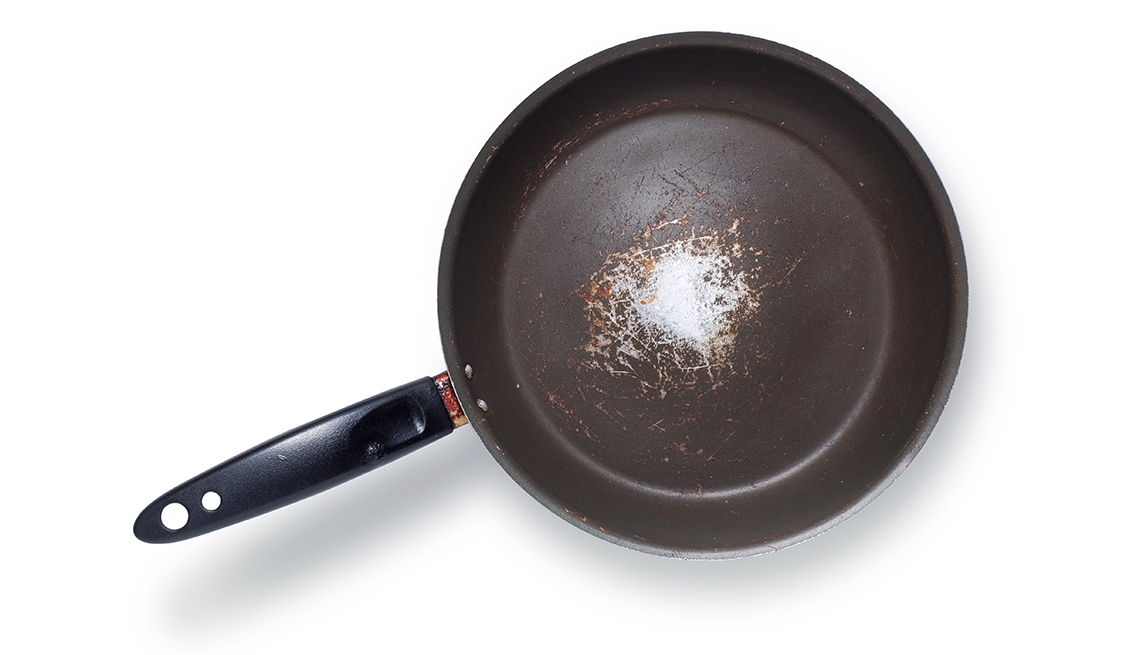
Non-stick pans are a must for low-fat cooking. They allow food to release easily. This makes them great for eggs and pancakes. Most non-stick cookware uses a coating like Teflon. These pans need gentle care to maintain their surface.
- Use wooden or silicone utensils
- Avoid high heat to protect the coating
- Hand wash for a longer life
The Anatomy Of Cookware
The Anatomy of Cookware delves into the essentials of kitchen tools. Understanding cookware enhances cooking efficiency. Each item serves a unique purpose. Let’s explore the various components that make up cookware collections.
From Pots To Pans
Kitchen pots and pans form the foundation of cookware. Each has a distinct role.
- Saucepans: Ideal for liquids and reheating food.
- Stockpots: Best for soups and broths.
- Skillets: Versatile for frying and sautéing.
Frying pans have sloped sides for easy food flipping. Sauté pans, with straight sides, prevent splashes.
Specialized Utensils
Beyond pots and pans, specialized utensils play key roles.
| Utensil | Use |
|---|---|
| Steamers | For healthy cooking |
| Griddles | For pancakes and grilling |
| Dutch Ovens | For stews and baking bread |
Each utensil enhances specific cooking tasks.
Cookware Performance Factors
When choosing cookware, performance factors matter a lot. These factors affect how well your cookware works. Let’s explore key factors: Heat Conductivity, Durability, and Maintenance.
Heat Conductivity
Heat conductivity means how fast cookware heats up. Cookware with good heat conductivity cooks food evenly. This saves time and energy.
- Copper heats up fast and evenly.
- Aluminum is lighter and heats up quickly too.
- Stainless steel is slower but provides steady heat.
Durability
Durability is about how long cookware lasts. Strong materials make cookware last longer. Here are some durable materials:
| Material | Feature |
|---|---|
| Stainless Steel | Resists rust and scratches. |
| Cast Iron | Very strong, lasts for years. |
| Anodized Aluminum | Hard and scratch-resistant. |
Maintenance
Maintenance is about keeping cookware clean and ready. Easy to clean cookware saves time. Here are some tips:
- Use warm, soapy water for cleaning.
- Dry cookware immediately to avoid water spots.
- Season cast iron to keep it non-stick and rust-free.
Remember, non-stick cookware needs soft sponges to avoid scratches.
Essential Cookware For Every Kitchen
Essential Cookware for Every Kitchen makes cooking fun and easy. Every home needs good pots and pans. They help you make tasty meals. Let’s look at the must-have pieces and how to build a collection.
Must-have Pieces
- Frying Pan: Great for eggs and pancakes.
- Saucepan: Perfect for soups and sauces.
- Stock Pot: Use this for boiling pasta and making broth.
- Cast Iron Skillet: Ideal for searing meat and baking.
- Baking Sheet: Necessary for cookies and roasting veggies.
Building A Versatile Collection
Start with the basics. Add special items as you learn new recipes. Think about materials too. Non-stick pans are easy to clean. Stainless steel lasts a long time. Cast iron heats evenly. Choose what fits your cooking style.
| Material | Benefits | Best For |
|---|---|---|
| Non-stick | Easy cleaning | Eggs, Pancakes |
| Stainless Steel | Durable | Everyday cooking |
| Cast Iron | Even heating | Meat, Baking |
Care And Maintenance Of Cookware
Care and Maintenance of Cookware ensure longevity and performance. Proper practices keep cookware in top shape. This section provides valuable tips on how to treat your kitchen allies right.
Cleaning Tips
Clean cookware maintains its functionality and appearance. Use the right cleaning agents. Soft sponges prevent scratches. For stainless steel, warm soapy water works best. Rinse thoroughly to avoid water spots. Dry immediately with a soft cloth.
- Non-stick pans: Avoid metal utensils. Use wood or silicone instead.
- Cast iron: Skip soap. Use coarse salt and a soft brush. Season after each use.
- Copper: Polish with lemon and salt. Rinse and dry well.
Storage Solutions
Proper storage prevents damage. Stack pans with care. Use pan protectors or towels between them. Hang pots and pans if possible. This avoids clutter and scratches. Keep lids separate or on hooks to save space.
| Type of Cookware | Storage Tip |
|---|---|
| Non-stick | Store separately or use protectors |
| Stainless Steel | Can stack with soft layers in between |
| Cast Iron | Keep in a dry place, avoid stacking |
Extending Lifespan
Extend cookware’s life with mindful use. Avoid high heat on non-stick surfaces. Use the right tools for each type. Don’t overheat empty pans. Cool pans before washing. This prevents warping and maintains structure.
- Match burner size to pan size.
- Gradually heat and cool your cookware.
- Regularly check for wear and tear.
Future Trends In Cookware Design
Exploring the essence of cookware, it’s the array of tools used for cooking. Emerging trends in cookware design promise innovative features, marrying functionality with aesthetic appeal.
As the heart of the home evolves, so does its tools. Cookware is no exception. Innovative materials and smarter designs are set to transform how we cook. The future of cookware brings exciting changes. Let’s explore these advancements.
Innovations On The Horizon
- Smart technology integration
- Space-saving solutions
- Multi-functionality features
- Enhanced heat distribution
Kitchens will see smart pots and pans. They will have temperature control. They will connect to apps. Space-saving cookware will be key. Look for pieces that stack neatly. Pans will serve multiple purposes. Heat will spread evenly for perfect cooking.
Eco-friendly Options
- Biodegradable materials
- Recycled metals
- Non-toxic coatings
- Renewable energy compatibility
Green is the new black in cookware. Brands will use biodegradable materials. Recycled metals will be popular. Safe, non-toxic coatings will become standard. Cookware will work with renewable energy. This includes solar and induction stovetops.

Credit: en.wikipedia.org
Credit: www.facebook.com
Frequently Asked Questions
What Is The Cookware Meaning?
Cookware refers to various types of pots, pans, and baking dishes used for cooking on a stove or in an oven.
What Is Considered Cookware?
Cookware includes pots, pans, and other cooking vessels used on a stove or in an oven for preparing food.
What Is The Best Type Of Cookware?
The best type of cookware depends on your cooking needs and preferences. Stainless steel offers durability and versatility, while non-stick provides easy cleanup. Cast iron is ideal for heat retention.
What Is The Meaning Of Cookare?
Cookware refers to any tools, pots, pans, or dishes used in cooking and preparing food on stovetops or ovens.
Conclusion
Understanding cookware is key to mastering culinary arts. It’s not just about pots and pans; it’s an exploration into materials, durability, and thermal conductivity. Choosing the right pieces can elevate your cooking and ensure delicious outcomes. So, remember the importance of quality cookware in your kitchen adventures.
Happy cooking!

Leave a Reply