
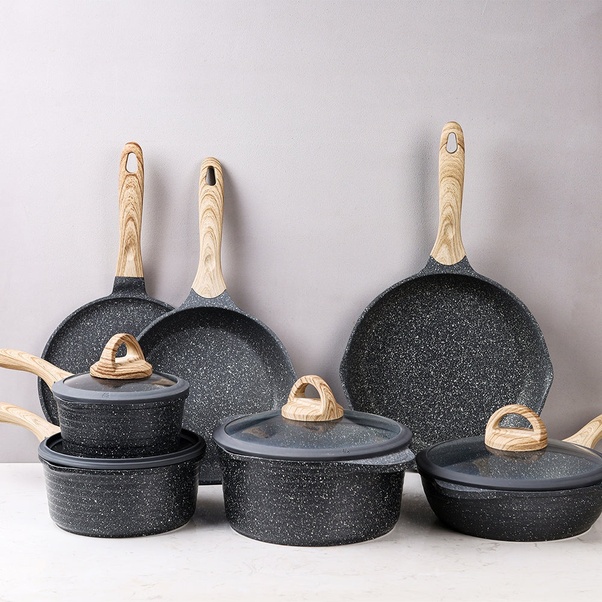
Ceramic cookware offers non-toxic, non-stick surfaces, while granite cookware is known for its durability and heat distribution. Choosing between ceramic or granite cookware depends on your cooking needs and health concerns.
Which is Better Ceramic Or Granite Cookware:As you prepare to equip your kitchen with the right tools, the debate between ceramic and granite cookware is one you might encounter. Both have their unique benefits that appeal to home chefs. Ceramic cookware is celebrated for its health-conscious non-stick properties, requiring less oil for cooking and easy cleanup.
Granite cookware, on the other hand, is praised for its robustness and exceptional heat conduction, ensuring an evenly cooked meal. Your decision may hinge on whether you prioritize ease of use or longevity in your cookware. Understanding these distinctions will guide you to the best choice for your culinary adventures. Selecting the right cookware can enhance your cooking experience, so it’s essential to consider the pros and cons of each material before making a purchase.
Introduction To Ceramic And Granite Cookware
Welcome to the world of cookware! People love cooking at home. They choose their pots and pans carefully. Ceramic and granite cookware are popular choices. Let’s explore these two types.
Popularity And Trends
Ceramic cookware is loved for its non-stick surface. It’s easy to clean. Many choose it for healthy cooking. Granite cookware, with its durability, is also a top choice. It handles high heat well. Both types are in demand. Yet, ceramic cookware leads in trends due to its colorful designs.
Key Qualities Of Cookware Materials
Choosing between ceramic and granite cookware? Consider these points:
- Heat Distribution: Ceramic heats evenly. Granite handles high heat.
- Non-Stick Quality: Ceramic is naturally non-stick. Granite requires seasoning.
- Durability: Granite lasts longer. Ceramic can chip if dropped.
- Maintenance: Ceramic is easy to clean. Granite needs careful handling.
Both materials have unique benefits. Your choice depends on your cooking needs.
Material Composition And Durability
When choosing cookware, material and durability are key. Ceramic and granite options each offer unique features. Let’s explore these to help you decide the best for your kitchen.
Ceramic Cookware Features
Ceramic cookware brings a blend of style and functionality. It is known for its non-stick surface and even heat distribution. The cookware is made from clay that is kiln-baked and often glazed with a ceramic coating. This makes it resistant to scratches and easy to clean.
- Non-toxic: Free from PTFE and PFOA.
- Lightweight: Easy to handle.
- Heat resistant: Withstands high temperatures.
Ceramic options are durable but can chip if dropped. Avoid using metal utensils to prolong life.
Granite Cookware Features
Granite cookware is a term that often refers to pots and pans with a stainless steel core and a glass coating that mimics granite. It is popular for its durability and resistance to warping.
- Sturdy: Resists chips and scratches.
- Safe: Often free from harmful chemicals.
- Efficient: Heats quickly and evenly.
Granite cookware can withstand rough use. However, it is heavier than ceramic.
Both materials are oven-safe and come in various designs. Your choice depends on preference for weight, care, and cooking style.
Heat Distribution And Cooking Performance
Let’s talk about cooking and heat. Good heat means better cooking. But which is best, ceramic or granite? Both have fans. This section dives into heat distribution and cooking performance. You’ll learn which cookware wins in the kitchen.
Ceramic Cookware In Action
Ceramic cookware heats up fast. It spreads heat evenly. This means no hot spots. Foods cook well and taste great. But it can’t handle high heat. Always use medium or low settings.
- Fast warming: Saves time in the kitchen.
- Even heat: Cooks your meals just right.
- Low to medium heat: Keeps your pans safe.
Granite Cookware In Action
Granite cookware likes it slow. It warms up slower than ceramic. But once hot, it stays hot. Great for meats and stews. It’s strong too. High heat won’t hurt it.
- Slow and steady: Perfect for cooking slowly.
- Heat stays: Keeps your food warm longer.
- High heat friendly: Tough and durable.
Now you know about heat and cooking. Ceramic gives quick, even heat. Granite goes slow but holds heat. Choose what works for your kitchen!
Safety And Health Considerations
Choosing cookware often involves safety and health factors. Ceramic and granite cookware have different features. We will explore their toxicity concerns. This helps you make an informed decision.
Toxicity Concerns In Ceramic
Ceramic cookware is popular for its non-stick surface. But, you must know what kind of ceramic you are using. Some ceramic coatings contain chemicals like PTFE or PFOA. These can release toxic fumes at high temperatures. Pure ceramic cookware is a safer bet.
Look for 100% pure ceramic options. They are free from harmful chemicals. This type of cookware is baked in a kiln. It makes it resistant to high heat and non-reactive.
- Check labels for lead or cadmium content.
- Pick products tested for safety.
- Avoid cookware labeled “ceramic-coated”.
Toxicity Concerns In Granite
Granite cookware is not actual granite. It’s a metal base covered with a glass-like enamel. It’s often considered safe. Yet, quality matters.
Low-quality granite coatings may contain harmful lead. Always choose high-quality granite cookware. Ensure it passes safety tests.
| Feature | Ceramic | Granite |
|---|---|---|
| Heat Resistance | Very High | High |
| Non-reactive | Yes (100% pure ceramic) | Yes |
| Chemical Free | Yes (100% pure ceramic) | Varies by quality |
Remember, the best choice is the one that ensures your food is safe to eat. Always research and choose wisely.
Ease Of Use And Maintenance
When selecting cookware, consider ease of use and maintenance. These factors can greatly influence your cooking experience. Ceramic and granite cookware each offer unique benefits in this regard. Let’s explore how simple they are to clean and care for.
Cleaning And Care For Ceramic
Ceramic cookware is known for its non-stick surface. This makes both cooking and cleaning effortless. For day-to-day care, a few simple steps should be followed:
- Wait for cooling – Always let pans cool before washing.
- Use gentle soap – A mild detergent preserves the coating.
- Soft sponge only – Avoid scratches with non-abrasive sponges.
- Rinse thoroughly – Ensure no soap residue remains.
- Dry completely – Prevent water spots with a soft cloth.
Maintenance is minimal, keeping your ceramic cookware in top shape with minimal effort.
Cleaning And Care For Granite
Granite cookware boasts durability and a natural non-stick quality. Here’s how to maintain its performance:
- Hand wash preferred – This extends the life of the cookware.
- Avoid harsh cleaners – Stick to gentle detergents.
- Use soft tools – To maintain the surface, no metal utensils.
- Dry promptly – Wipe down with a towel after washing.
- Season occasionally – Apply a light oil layer to sustain non-stick properties.
Granite cookware requires a bit more care but rewards you with lasting resilience.
Aesthetic Appeal And Design Variations
Aesthetic Appeal and Design Variations play a big role in choosing cookware. Both ceramic and granite options offer unique styles. These styles make your kitchen look great. Let’s dive into what makes each type special.
Ceramic Cookware Styles
Ceramic cookware comes in many bright colors. You can find it in red, blue, green, and more. This type of cookware often has a glossy finish. It makes your pots and pans shine. Some ceramic cookware has patterns. These patterns add a fun touch to your kitchen.
- Bright and bold colors that catch the eye
- Glossy finish for an extra shine
- Fun patterns that add personality
Granite Cookware Styles
Granite cookware looks strong and durable. It has a speckled design. This design comes from tiny pieces of granite. Granite cookware is mostly in natural tones. These tones include gray, black, and white. Some granite pots and pans have a matte finish. This gives them a modern look.
- Speckled design for a unique look
- Natural tones that match any kitchen
- Matte finish for a sleek, modern style
Both ceramic and granite cookware bring beauty to your kitchen. They come in different styles. This means you can choose what you like best. Whether you prefer bright colors or natural tones, there’s something for you.
Cost Comparison And Value For Money
Let’s dive into the Cost Comparison and Value for Money between ceramic and granite cookware. Choosing the right cookware affects your wallet and cooking experience.
Price Points Of Ceramic Cookware
Ceramic cookware is popular for many reasons. It’s non-stick and eco-friendly. But let’s talk money. Generally, ceramic sets range in price. You can find budget-friendly options and premium ones. Here’s a breakdown:
- Basic sets: Start around $30-$50.
- Mid-range sets: Cost about $60-$100.
- High-end sets: Can go up to $150-$300.
Ceramic offers great value for the price. It’s durable and cooks food evenly.
Price Points Of Granite Cookware
Granite cookware, known for its durability and heat distribution, has its own price range. Like ceramic, prices vary based on quality:
- Basic sets: Usually around $40-$70.
- Mid-level sets: Range from $80-$150.
- Premium sets: Can cost $160-$300+.
Granite cookware is a bit pricier. But it lasts longer and withstands high heat.
So, which is better value for money? It depends on your needs. Ceramic is more affordable and eco-friendly. Granite offers longevity and heat resistance. Both have their perks. Choose based on your cooking style and budget.
Credit: www.quora.com
User Reviews And Testimonials
When shopping for cookware, opinions matter. Let’s dive into what users say about ceramic and granite cookware.
What Users Say About Ceramic
- Easy to Clean: Many users rave about the non-stick surface. Food slides off, making cleanup a breeze.
- Healthy Cooking: Fans of ceramic mention its lack of harmful chemicals. They feel good about cooking for their families.
- Heat Distribution: Happy cooks note even heating. Meals cook perfectly across the surface.
- Style Points: Reviews often touch on ceramic’s modern look. These pieces shine on any stovetop.
What Users Say About Granite
- Durable: Granite gets praise for its toughness. Users say it withstands drops and knocks.
- Weight: Some find granite cookware heavy. Others see this as a sign of quality.
- Heat Retention: Cooks love how long granite stays hot. This keeps dishes warm at the table.
- Value: Many reviews highlight granite’s cost-effectiveness. It’s seen as a long-term investment.
Final Verdict On Ceramic Vs Granite Cookware
Choosing between ceramic and granite cookware is crucial for home chefs. Both options have unique benefits. Deciding which suits your kitchen can be challenging. This section will help you make an informed decision.
Pros And Cons Recap
Let’s quickly recap the advantages and disadvantages of each cookware type.
| Ceramic Cookware | Granite Cookware |
|---|---|
|
|
|
|
Choosing What’s Best For Your Kitchen
Consider your cooking style and kitchen needs when choosing cookware.
Ceramic is ideal for low to medium heat cooking. It’s perfect for those prioritizing ease of cleaning and a lightweight feel.
Granite suits high-heat recipes and is great for searing meat. It’s the choice for durability and versatility on all cooktops.
Match cookware to your most common recipes and cleaning preferences. Think about weight and ease of storage. Your perfect cookware should align with these factors.

Credit: www.reddit.com

Credit: m.youtube.com
Frequently Asked Questions
What Is Better Granite Or Ceramic?
Choosing between granite and ceramic depends on usage and preference. Granite offers durability and a unique look but is pricier. Ceramic is budget-friendly and comes in various designs but is less resilient.
What Are The Disadvantages Of Granite Cookware?
Granite cookware can be heavy, limiting maneuverability during cooking. It may also require careful handling to prevent chipping. The non-stick surface can degrade over time, especially if used at high heat or with metal utensils. Some granite coatings may contain potentially harmful chemicals.
What Is The Healthiest Cookware To Use?
The healthiest cookware options are stainless steel, cast iron, and glass. These materials do not leach chemicals into food and are durable for everyday use.
What Is The Disadvantage Of Ceramic Cookware?
The main disadvantage of ceramic cookware is its susceptibility to chipping and cracking, which can shorten its lifespan.
Conclusion
Deciding between ceramic and granite cookware depends on your cooking needs and preferences. Ceramic offers non-toxic, non-stick surfaces, while granite provides durability and even heating. Evaluate both options against your culinary habits for the ideal kitchen upgrade. Choose wisely for a rewarding cooking experience.

Leave a Reply