
Figuring out what size cookware set is best for beginners can feel a bit confusing. You want to start cooking but aren’t sure if you need a tiny pan or a giant pot. Many starter sets have too many pieces or not the right ones, making it hard to know where to begin.
This guide will make it simple for you. We will walk through the essentials so you can pick the perfect set with confidence and start making delicious meals right away.
Choosing Your Beginner Cookware Set
When you are just starting in the kitchen, selecting the right cookware can seem overwhelming. There are so many options, and it is hard to know which pieces will actually get used and which will just take up space. A good beginner set should have a few key items that can handle most everyday cooking tasks.
This section will help you understand the most important pieces to look for, ensuring you get a set that is both useful and affordable. We want to equip you with the knowledge to make a smart choice for your new cooking adventures.
Essential Pots and Pans for New Cooks
For someone new to cooking, focusing on versatility is key. You do not need a cabinet full of specialized gadgets. Instead, a few well-chosen pots and pans can cover a wide range of recipes.
Think about what you like to eat and what you plan to cook most often. This will guide you toward the most practical choices for your first set. Having the right tools makes cooking more enjoyable and less frustrating.
It’s about building a foundation that supports your learning process.
- Frying Pan or Skillet: This is probably the most used item. You will use it for frying eggs, sautéing vegetables, cooking chicken, and so much more. A good size is around 10 inches. It is large enough for family meals but not so big it is hard to handle or store. Look for one with a non-stick surface for easier cooking and cleanup, especially when you are learning. Many beginners find non-stick surfaces forgiving for delicate foods like fish or pancakes.
- Saucepan: A medium-sized saucepan, usually 2 to 3 quarts, is perfect for boiling water for pasta, making sauces, cooking rice, or heating up soup. Having a lid is important to help food cook faster and to prevent splatters. A saucepan with a long handle makes stirring and pouring easier and safer. It is a fundamental piece for many basic recipes.
- Stockpot or Dutch Oven: While not strictly required for every beginner, a larger pot is incredibly useful. A 5-quart stockpot or Dutch oven is great for making larger batches of soup, stew, chili, or cooking pasta for more than two people. It is also handy for boiling potatoes or corn on the cob. If you plan to cook for a family or often have leftovers, this larger vessel is a worthwhile addition.
Many starter sets bundle these items together. The trick is to find a set that offers these core pieces without a lot of extras you will never use. Sometimes, buying these items individually might be a better option if you find a set with too many small or redundant pans.
What Size Cookware Set is Best for Beginners
The question of what size cookware set is best for beginners often leads people to choose sets with 7 to 12 pieces. However, the actual number of pieces is less important than the types of pieces included. For a beginner, a set with 3 to 5 essential pieces is often ideal.
This avoids clutter and ensures you have functional tools right from the start. Too many pieces can be confusing, and you might end up paying for items you will never use. Focus on quality and utility over quantity.
Consider a set that includes:
- A 10-inch skillet
- A 2-3 quart saucepan with a lid
- A 5-quart stockpot or Dutch oven with a lid
Some sets might add a smaller 1-quart saucepan or a larger 12-inch skillet. These can be useful, but the core three are the most critical. If a set includes a lid for every pot and pan, that’s a bonus.
Lids help control heat and moisture, making cooking more efficient and less messy. Check if the lids fit snugly and are easy to handle. For beginners, ease of use and effective performance are paramount.
Materials and Construction of Cookware
The material your cookware is made from greatly affects how it cooks, how easy it is to clean, and how long it lasts. For beginners, understanding these differences can help you choose pots and pans that make cooking a more pleasant experience. Different materials heat up differently and require specific care.
This section will break down the most common cookware materials and what they mean for your kitchen.
Understanding Different Cookware Materials
When you are starting out, common materials you will encounter are stainless steel, nonstick, cast iron, and sometimes aluminum. Each has its pros and cons.
- Stainless Steel: This is a very popular choice for many kitchens. It is durable, does not react with acidic foods, and can go from stovetop to oven. It heats evenly, though some cheaper stainless steel pans might have hot spots. It is also dishwasher safe for most brands. Many people like it because it looks good and lasts a long time.
- Nonstick: Nonstick pans have a special coating that prevents food from sticking. This makes cooking and cleaning much easier, which is a big plus for beginners. However, nonstick coatings can scratch if you use metal utensils or put them in the dishwasher. They also tend to wear out over time and might need replacing every few years, depending on use and quality.
- Cast Iron: Cast iron cookware is incredibly durable and can last for generations. It heats up slowly but retains heat very well, making it excellent for searing meats. It needs to be seasoned and cared for properly to prevent rust. It is not typically dishwasher safe. For beginners, cast iron can have a steeper learning curve due to its unique care requirements and tendency to stick if not properly seasoned.
- Aluminum: Often found as a base or core in other cookware, aluminum is a good heat conductor. It heats up quickly and evenly. However, pure aluminum can react with acidic foods, changing their flavor. Many pans use anodized aluminum or have stainless steel or nonstick coatings to prevent this. It is lightweight and generally affordable.
For beginners, a combination of stainless steel and nonstick is often recommended. You can have a nonstick skillet for eggs and fish, and stainless steel saucepans and pots for everything else. This offers a balance of performance, durability, and ease of use.
Key Features to Look For
Beyond the material, the construction of the cookware matters. Look for pans with thick, even bases. This ensures heat distribution and prevents warping.
Handles should be comfortable to grip and securely attached. Riveted handles are generally more durable than welded ones. Lids should fit well and not rattle.
Some lids have steam vents, which can be helpful.
Cookware Set Components Explained
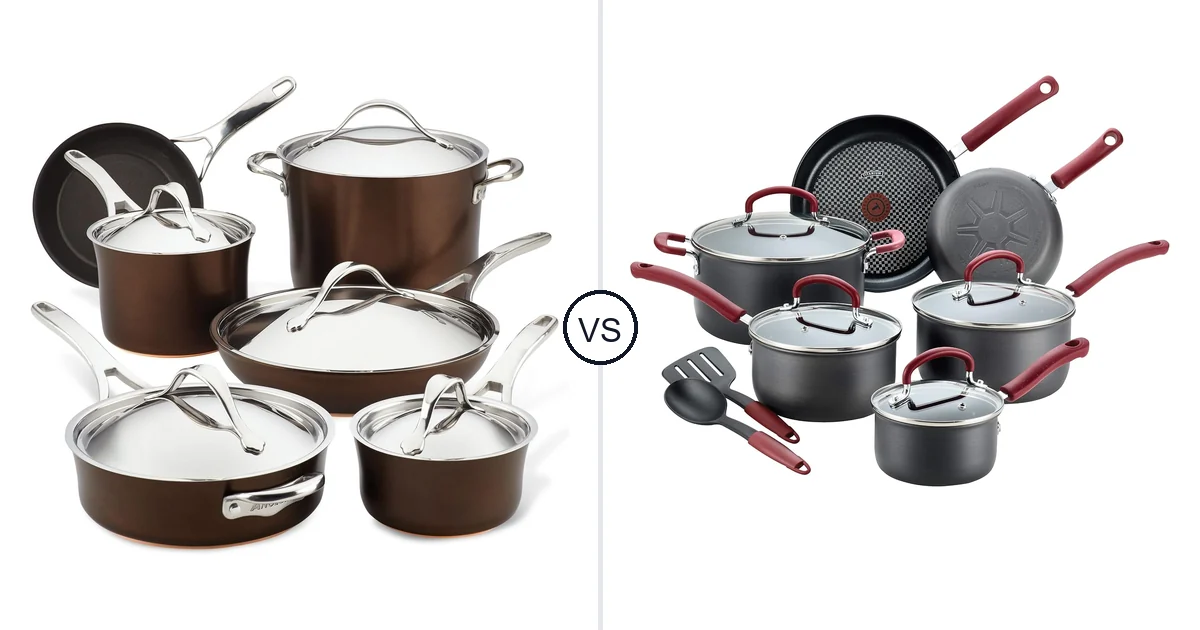
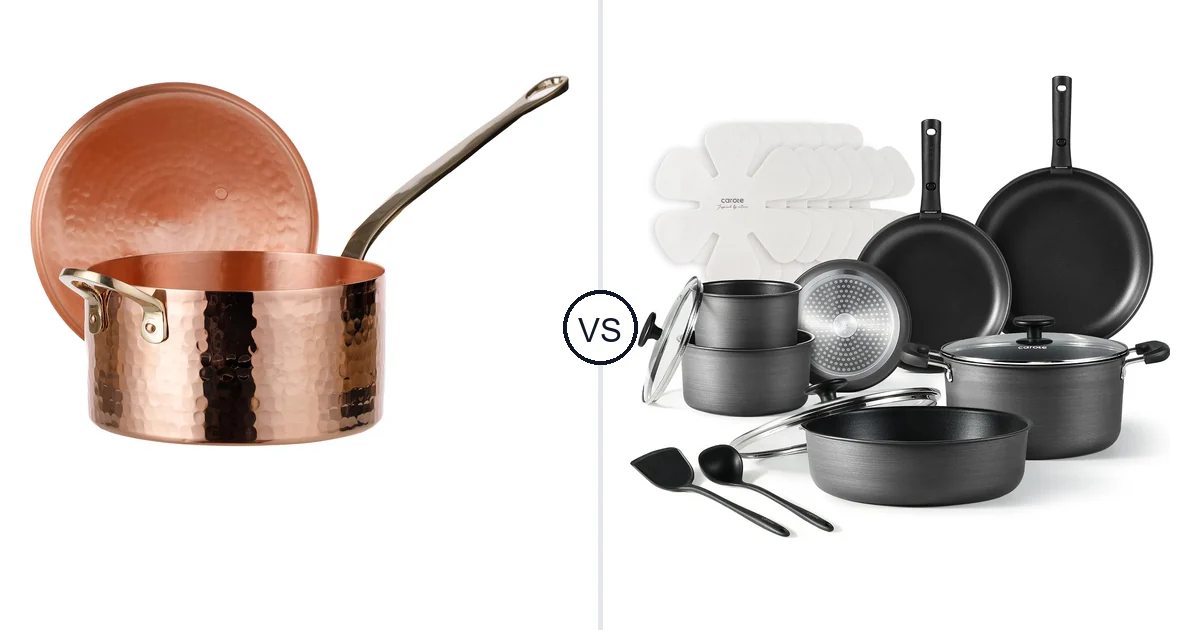
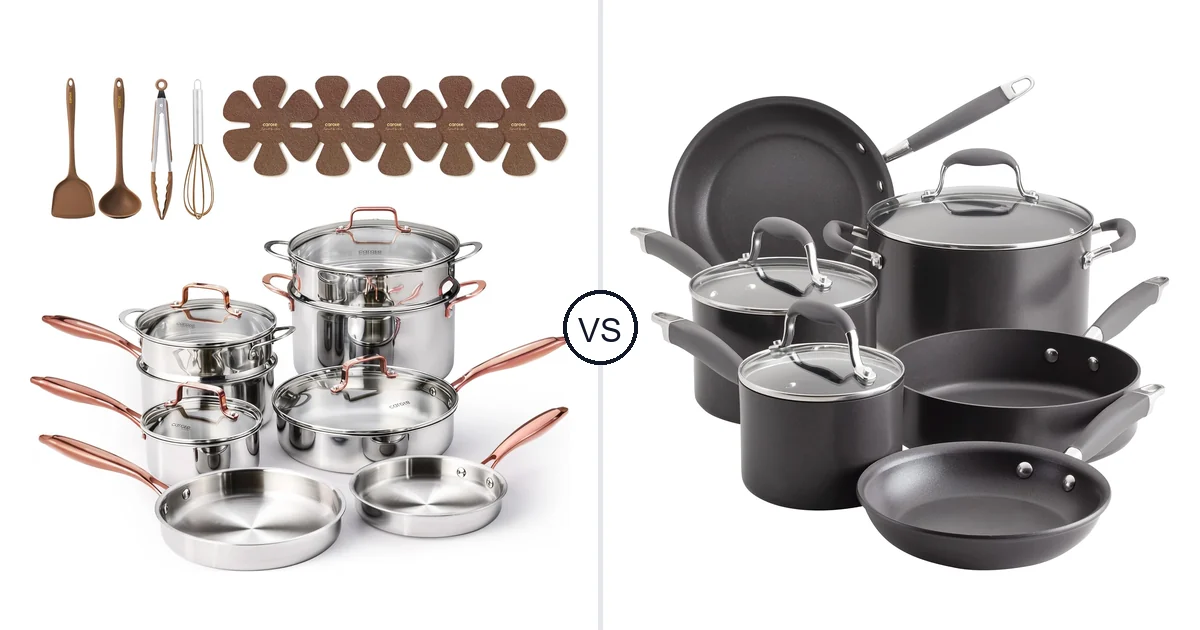
Beginner cookware sets are usually marketed by the number of pieces. A typical 7-piece set might include a 10-inch skillet, a 2-quart saucepan with lid, a 3-quart saucepan with lid, and a 5-quart Dutch oven with lid. An 11-piece set could add a smaller saucepan, a larger skillet, or additional lids.
The key is to check the specific items included and see if they match your cooking needs. Don’t be swayed by the piece count alone; focus on the utility of each item.
Consider this breakdown of common set pieces:
- Skillet/Frying Pan: Essential for frying, sautéing, searing. Size matters: 10-inch is a good all-rounder for beginners.
- Saucepan: For sauces, boiling liquids, cooking grains. Sizes 1-3 quart are most common and useful for beginners.
- Stockpot/Dutch Oven: For soups, stews, large batches. 5-quart is a versatile starting point.
- Sauté Pan: Similar to a skillet but with straighter, taller sides. Useful for stir-fries or reducing sauces.
- Griddle: A flat, wide pan for pancakes or quesadillas. Less essential for basic cooking.
A good beginner set prioritizes the skillet, saucepan, and stockpot. Additional pieces like a smaller saucepan or a larger skillet can be nice but are not always necessary at the start. If a set includes utensils, assess their quality.
Often, beginner sets include plastic or nylon utensils that are fine for nonstick but might not be the most durable.
Durability and Longevity
When you are starting out, you want cookware that will last. Cheaper sets might warp easily, develop hot spots, or have coatings that peel. Investing in a slightly better quality set can save you money in the long run.
Look for reviews that mention durability and how well the cookware holds up over time. For instance, a set with a thick aluminum core clad in stainless steel offers good heat distribution and strength.
Practical Tips for Using Beginner Cookware
Once you have your new cookware, using it correctly will make your cooking experience better and help your pots and pans last longer. Simple practices can prevent common problems and ensure your food cooks evenly. This section offers straightforward advice to get you started on the right foot.
Cooking Techniques for New Cooks
When you are new to cooking, some basic techniques will help you get the most out of your cookware. For example, using the right heat level is important. Too high heat can burn food or damage nonstick coatings.
Too low heat can lead to food sticking or cooking unevenly.
Here are a few tips:
- Preheating: Always preheat your pan before adding oil or food. This helps prevent sticking and ensures even cooking. For nonstick pans, medium heat is usually sufficient. For stainless steel, a light shimmer of oil indicates it’s ready.
- Using Fat: Even in nonstick pans, a little bit of oil or butter can improve flavor and help with browning. For stainless steel, fat is crucial to prevent sticking.
- Stirring and Flipping: Stirring occasionally helps food cook evenly and prevents burning. Use the right utensils – silicone or wood for nonstick, and metal is okay for stainless steel and cast iron.
- Controlling Heat: Learn to adjust your stove’s heat. Most recipes benefit from medium or medium-low heat for sustained cooking. High heat is best for quick searing or boiling.
These techniques are fundamental and apply to almost any dish you will prepare with your beginner set. Practicing them will build your confidence in the kitchen.
Common Pitfalls to Avoid
One common mistake beginners make is overcrowding the pan. When you put too much food in at once, it steams instead of sears, and it’s harder to cook evenly. This leads to soggy, unappetizing results.
It is better to cook in batches if necessary.
Another pitfall is using metal utensils on nonstick surfaces. This can scratch the coating, making it less effective and potentially releasing unwanted particles into your food. Always use wooden, silicone, or plastic tools with nonstick pans.
For stainless steel, metal utensils are fine, but avoid scraping aggressively to preserve the pan’s surface.
Forgetting to preheat your pan is also a common error. Adding food to a cold pan will almost always result in sticking, regardless of the material. Give your pan a few minutes on the stove over medium heat before adding any oil or ingredients.
Cleaning and Maintenance
Proper cleaning and maintenance are vital for the longevity of any cookware, especially for beginners. Taking a few extra steps after cooking will keep your pots and pans looking and performing their best.
- Nonstick Pans: Wash nonstick pans by hand with a soft sponge and mild dish soap. Avoid abrasive scrubbers or harsh detergents, as these can damage the nonstick coating. For stubborn residue, you can soak the pan in warm, soapy water for a short time. Never put nonstick cookware in the dishwasher, as the high heat and strong detergents can degrade the coating.
- Stainless Steel Pans: Most stainless steel pans are dishwasher safe, which is a huge convenience. However, hand washing can help maintain their shine and prevent water spots. If you notice discoloration or stubborn food bits, you can use a paste of baking soda and water to gently scrub the surface. For tough stains, a specialized stainless steel cleaner can be effective.
- Cast Iron Pans: Cast iron requires a different approach. After cooking, scrape out any food residue. Rinse with hot water and scrub gently with a stiff brush or scraper. Avoid soap if possible, as it can strip the seasoning. If you must use soap, use a minimal amount and re-season immediately. Always dry cast iron thoroughly and apply a thin layer of cooking oil before storing to prevent rust.
Allowing cookware to cool down before washing can also prevent damage. Sudden temperature changes, especially with certain materials, can cause warping or damage coatings. So, let your pans cool for a bit before heading to the sink.
Storage Tips for Your Cookware
How you store your cookware can prevent scratches and damage. If you have nesting pots and pans, use pan protectors or cloths between them to avoid scratching the interior surfaces, especially if they are nonstick. Avoid stacking heavy items on top of lighter pots or pans, as this can cause dents or warping.
Consider using drawer organizers or pot racks to keep your cookware accessible and protected. For cabinets, ensure you can easily slide pots and pans in and out without banging them against each other or the cabinet walls. Proper storage ensures your cookware stays in good condition, ready for your next culinary creation.
Sample Scenarios and Recommendations
To illustrate what size cookware set is best for beginners, let’s look at some common cooking situations and how specific pieces of cookware fit in. This will give you a clearer picture of why certain sizes and types are more useful than others.
Scenario 1 Cooking for One or Two
If you are cooking primarily for yourself or one other person, you will not need massive pots and pans. A 10-inch skillet is perfect for making a couple of eggs, a single chicken breast, or sautéing a single serving of vegetables. A 2-quart saucepan is ideal for cooking a small portion of rice, heating up a single can of soup, or making a quick sauce for one or two servings.
A 5-quart stockpot is still useful for making a larger batch of soup to have leftovers, but you might not use it as frequently as the smaller items.
For this scenario, a set with a 10-inch skillet, a 2-quart saucepan with a lid, and perhaps a slightly larger 6-quart stockpot would be very practical. Many sets will offer this combination, or you could even build this yourself by buying individual pieces. The key is to avoid very large items that will go unused and take up valuable storage space.
Scenario 2 Cooking for a Family
If you are cooking for a family of three or more, the demands on your cookware increase. You will likely need larger capacity items. A 10-inch skillet might still work for some dishes, but a 12-inch skillet could be more efficient for cooking larger portions of meat or multiple servings of vegetables.
For sauces and boiling water for pasta, a 3-quart or 4-quart saucepan would be more appropriate than a 2-quart. The 5-quart stockpot or Dutch oven becomes essential for making larger quantities of chili, stew, or pasta dishes. You might even consider a larger stockpot, around 8 quarts, if you frequently make very large batches.
In this case, a beginner set that includes a 10-inch and a 12-inch skillet, a 3-quart saucepan with lid, and a 6-quart Dutch oven or stockpot with lid would be a great start. If the set includes additional pieces like a smaller saucepan or a lidded sauté pan, that adds to the versatility without being excessive.
Recommended Starter Set Composition
Based on these scenarios, a highly recommended starter set composition for beginners would look something like this:
- One 10-inch nonstick skillet for easy cooking of eggs, fish, and delicate items.
- One 2-3 quart saucepan with a lid, suitable for sauces, boiling water, and cooking grains for 1-2 people.
- One 5-6 quart stockpot or Dutch oven with a lid for soups, stews, pasta, and larger batches.
This core set of 3 to 4 essential pieces covers the vast majority of common cooking tasks. If a set includes more pieces, evaluate them based on how often you imagine using them. For instance, a second, slightly larger saucepan or a lidded sauté pan can add value.
However, avoid sets that include numerous tiny saucepans or highly specialized pans you are unlikely to use initially.
Value for Money
When looking at what size cookware set is best for beginners, consider the cost versus the number of pieces. Often, sets with more pieces have lower quality per piece. It is better to have fewer, high-quality pieces than many low-quality ones.
For example, a well-made 5-piece set with excellent construction can be far more valuable than a 12-piece set where several items are poorly made and will quickly need replacing. Look for sets that offer good warranties and positive customer reviews regarding durability.
Frequently Asked Questions
Question: What is the most important piece of cookware for a beginner?
Answer: The most important piece of cookware for a beginner is typically a good quality 10-inch skillet or frying pan. It is incredibly versatile and can be used for a wide variety of cooking tasks, from frying eggs to searing meats and sautéing vegetables.
Question: Should I buy a set or individual pieces as a beginner?
Answer: For most beginners, a curated set with a few essential pieces is often more cost-effective and less overwhelming than buying individual items. However, if you find a set with many pieces you don’t need, buying a few key items separately might be better.
Question: How many pieces should a beginner cookware set have?
Answer: A good beginner cookware set typically needs 3 to 5 essential pieces. This includes a skillet, a saucepan, and a stockpot or Dutch oven. More pieces aren’t always better; focus on the utility of what’s included.
Question: Are nonstick pans good for beginners?
Answer: Yes, nonstick pans are generally excellent for beginners because they make cooking and cleanup much easier, reducing the frustration of food sticking.
Question: What is the difference between a saucepan and a stockpot?
Answer: A saucepan is smaller, usually with one long handle, and is used for sauces, boiling water, or cooking small batches of grains. A stockpot is larger, often with two loop handles, and is designed for making large volumes of soup, stew, or boiling large items like pasta.
Final Thoughts
Selecting the right cookware set is about choosing functional pieces that fit your needs. For beginners, focusing on a few key items like a skillet, saucepan, and stockpot makes cooking easier and more enjoyable. Prioritize quality and versatility over quantity to build a solid foundation for your culinary adventures.

Leave a Reply