
Finding the right pots and pans can feel a bit tricky when you’re just starting out, especially if you’re cooking for a smaller group. You want things that work well, don’t cost a fortune, and won’t take up all your kitchen space. It’s easy to get overwhelmed by all the choices out there.
But don’t worry, we’re here to make it super simple for you. We’ll walk through exactly what to look for to find the best affordable cookware sets for small families.
Choosing Cookware For Small Families
When you’re shopping for cookware, especially when you’re feeding just a few people, the focus often shifts from huge family-sized pots to pieces that are versatile and don’t clutter your cabinets. For small families, the size of the pots and pans matters a lot. You don’t need a giant stockpot for just two servings.
Instead, think about smaller saucepans, a medium-sized skillet, and maybe a Dutch oven that’s not too heavy. The materials are also important, as they affect how food cooks and how easy cleanup is. Many people find nonstick surfaces helpful for everyday cooking because food slides right off, making cooking and cleaning much quicker.
But for searing or getting a nice crust on meat, stainless steel or cast iron can be better. It’s all about finding a good balance for your cooking style and what you make most often.
Material Matters For Everyday Cooking
The stuff your pots and pans are made of really changes how you cook. Different materials heat up differently and work with different kinds of stoves. Some are super light, while others are really heavy.
Think about what you cook most. If you love making quick meals like scrambled eggs or sautéed veggies, a nonstick pan is your friend. It prevents food from sticking, which makes cooking easier and cleanup a breeze.
Nonstick coatings are usually made from materials like PTFE, which is a type of plastic. It’s important to use these pans gently, avoiding high heat and metal utensils, so the coating lasts longer. On the other hand, if you want to get a really good sear on your steak or bake something in the oven, stainless steel or cast iron might be better choices.
They handle high heat well and can last for ages if you take care of them.
-
Nonstick Cookware
Nonstick pans have a special coating that stops food from sticking. This is super helpful for delicate foods like fish and eggs, or when you’re trying to make pancakes without them tearing. Because food doesn’t stick, cleaning up is usually very easy – a quick wash with soap and water often does the trick.
However, you need to be careful not to scratch the surface. Using wooden or silicone utensils instead of metal ones will help your nonstick pans last longer. Also, avoid using them on very high heat, as this can damage the coating over time.
They are great for everyday cooking and beginners because they make cooking less stressful.
-
Stainless Steel Cookware
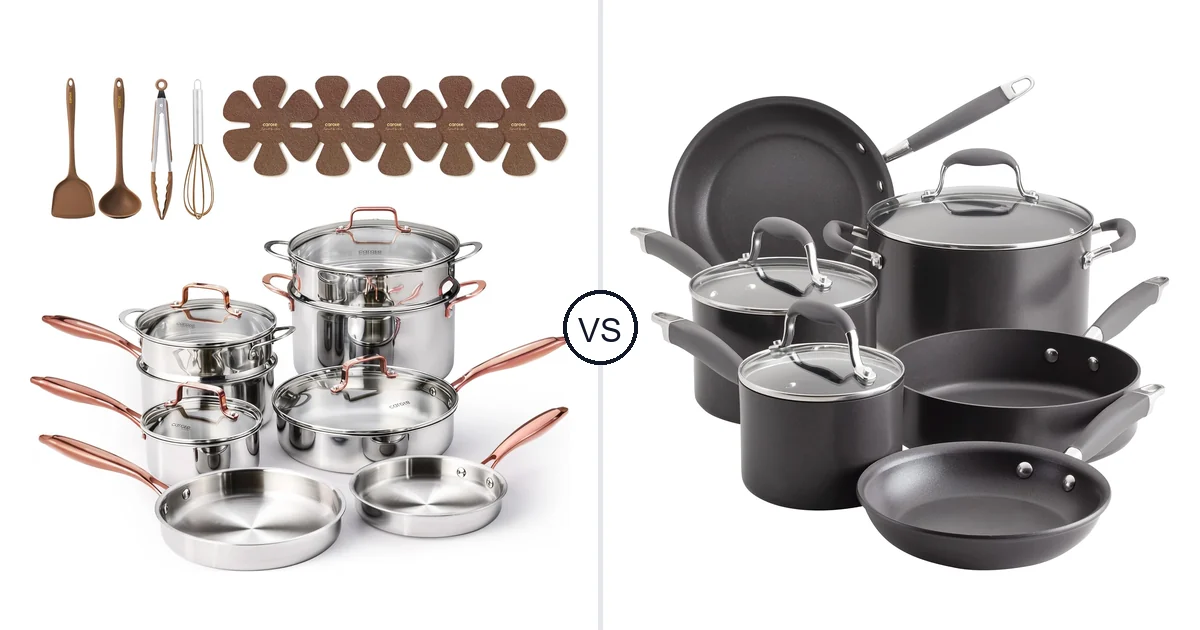
Stainless steel is a popular choice because it’s durable and doesn’t react with food, meaning it won’t change the taste of what you’re cooking. It heats up pretty evenly, especially if it has a layer of aluminum or copper in the base. This makes it good for a variety of cooking tasks, from simmering sauces to frying.
Stainless steel pans can also go into the oven, which is handy for finishing dishes. While they don’t have the nonstick ease of a coated pan, they are built to last and can handle high heat. You can use metal utensils with them, and they are generally dishwasher safe, though hand washing can help keep them looking their best for longer.
-
Cast Iron Cookware
Cast iron pots and pans are known for their incredible durability and heat retention. Once they get hot, they stay hot, which is perfect for searing meats and getting that beautiful brown crust. They can also go from the stovetop to the oven, making them very versatile for dishes like cornbread or roasted chicken.
Cast iron needs a bit of special care, though. It needs to be seasoned, which means oiling it and heating it up to create a natural nonstick surface. You also shouldn’t use soap on it too often, and you need to dry it completely after washing to prevent rust.
While they are heavy, they can last a lifetime.
Understanding Cookware Sizes
For small families, the size of your cookware is a big deal. You don’t want a giant 12-inch skillet if you’re usually only cooking for two or three people. Smaller pots and pans are easier to handle, store, and clean.
A good starting point for a small family might be a 10-inch skillet, a 2-quart saucepan, and maybe a 4-quart soup pot. These sizes are usually perfect for making meals like pasta for two, simmering a sauce, or frying a couple of eggs. If you often cook larger batches to have leftovers, you might consider a slightly bigger skillet or an 8-quart stockpot, but for everyday cooking, smaller is often better.
It prevents food from getting lost in a huge pan, which can lead to uneven cooking.
-
Skillets
A skillet, often called a frying pan, is a kitchen workhorse. For a small family, a 10-inch skillet is usually a great size. It’s big enough to cook a few chicken breasts, sauté vegetables, or fry up breakfast for everyone.
If you have a bit more space or tend to cook for three or four people regularly, a 12-inch skillet can also be a good option. However, a pan that’s too large can make it hard to cook smaller amounts of food evenly, and it takes up more storage space. Look for a skillet with sloped sides if you plan on flipping food easily, like pancakes or omelets.
A flat bottom ensures good contact with the heat source for even cooking.
-
Saucepans
Saucepans are perfect for heating liquids, making sauces, boiling water for pasta, or cooking rice. For small families, a 2-quart saucepan is often ideal. It’s large enough to make a good portion of rice or a sauce for a few people without being too bulky.
If you frequently cook grains or make larger batches of soup or stew, you might consider a 3-quart or even a 4-quart saucepan. Having a lid for your saucepan is really important because it helps food cook faster and prevents splattering, keeping your stovetop cleaner.
-
Stockpots and Dutch Ovens
Stockpots and Dutch ovens are great for making soups, stews, or boiling larger items like corn on the cob. For a small family, you might not need a huge 10-quart stockpot. A 5-quart or 6-quart Dutch oven or stockpot is often a better fit.
This size is still large enough to make a decent batch of chili or soup that can provide leftovers, but it’s not so big that it takes up all your storage space or is too heavy to lift. Dutch ovens, especially those made of enameled cast iron, are fantastic because they can go from the stovetop to the oven, offering great versatility for braising or baking.
Budget-Friendly Cookware Options
It’s absolutely possible to get good quality cookware without spending a lot of money. Many brands offer sets that are designed for everyday use and are much easier on the wallet. When you’re looking for affordable options, pay attention to the materials and construction.
Even less expensive sets can be made well if they use sturdy materials and have good handles. Think about what features are most important to you. Do you need a lot of different pieces, or just a few essential ones?
Sometimes, buying individual pieces that are on sale can be more cost-effective than a whole set, especially if you only need a few key items. We’ll explore some great brands and tips for finding deals.
Key Features To Look For In Affordable Sets
When you’re on a budget, you still want cookware that performs well and lasts. Look for sets with sturdy handles that are securely attached. Loose handles can be a safety hazard and a sign of lower quality.
The base of the pan is also important; it should be flat and thick enough to heat evenly without warping. For nonstick sets, check reviews to see how durable the coating is. For stainless steel, a layered construction (like aluminum or copper sandwiched between steel) usually means better heat distribution, even in budget-friendly options.
Avoid sets with thin, flimsy bottoms or handles that feel wobbly. Even a few key features can make a big difference in how enjoyable your cooking experience is.
-
Handle Construction
The handles on your cookware are crucial for comfort and safety. For affordable sets, look for handles that are riveted on, rather than just spot-welded or screwed in. Rivets are much stronger and less likely to come loose over time.
They should also feel comfortable to grip, even when the pan is full and heavy. Some handles are made of metal, which can get hot, while others have silicone grips for better insulation and comfort. For smaller families and everyday use, a comfortable and secure handle makes lifting and maneuvering pots and pans much easier and safer.
-
Even Heat Distribution
Even heat distribution is vital for preventing hot spots where food can burn while other parts of the pan are still cooking. In more expensive cookware, this is often achieved through thick bases or layered metals like aluminum or copper. Even in affordable sets, you can often find this.
Look for descriptions mentioning “clad” construction (layers of metal) or a “heavy-gauge” base. If a pan has a thin, flimsy bottom, it will likely heat unevenly, leading to frustrating cooking results. A well-distributed heat means your food cooks uniformly, making your meals more enjoyable.
-
Durability and Longevity
When you buy affordable cookware, you still want it to last a reasonable amount of time. Read reviews to see what other buyers say about how well the cookware holds up. For nonstick pans, look for comments on how long the coating lasts.
For stainless steel, check if it tends to scratch easily or if the handles stay secure. Some budget brands have surprisingly good durability. Investing a little extra in a set that is known to be well-made can save you money in the long run by not having to replace it as often.
The best affordable sets offer a good balance of price and how long they will serve you in the kitchen.
Popular Affordable Brands and Retailers
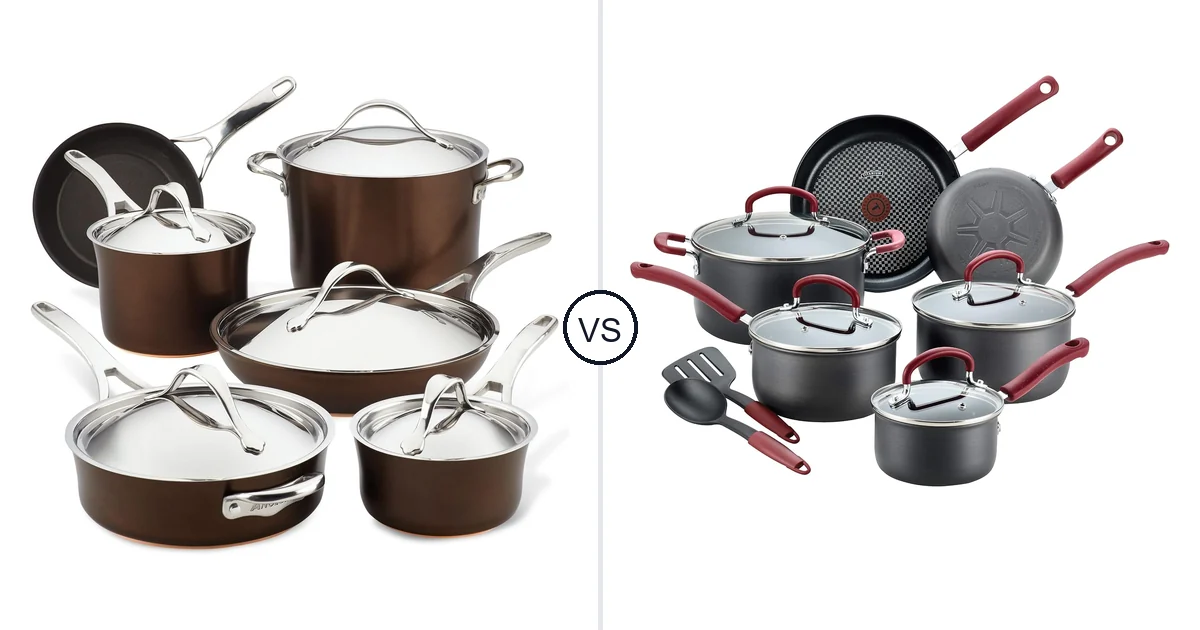
There are several brands that consistently offer good value cookware for smaller kitchens. Brands like T-fal, Farberware, and Rachael Ray often have lines that are both affordable and functional. These brands are widely available at major retailers like Amazon, Walmart, Target, and department stores.
You can often find excellent deals during holiday sales or by looking for open-box items or floor models. Don’t discount store brands either; many big box stores have their own cookware lines that offer surprisingly good quality for the price. The key is to compare prices and read reviews for specific sets.
-
T-fal
T-fal is a very popular brand known for its affordable nonstick cookware. They often feature a “Thermo-Spot” indicator on their pans, which turns red when the pan is at the right temperature for cooking. This is a helpful feature for beginners.
T-fal sets are widely available and come in various configurations, often including a mix of skillets and saucepans suitable for small families. Their nonstick coatings are generally well-regarded for their durability in this price range. They also offer dishwasher-safe options, making cleanup even easier.
-
Farberware
Farberware has been around for a long time and offers a range of cookware, including many affordable options. They have lines made from stainless steel, nonstick, and even some cast iron pieces. Farberware cookware is often praised for its solid construction for the price point, with features like comfortable handles and reasonably good heat distribution.
Many of their sets are designed for everyday use and are dishwasher safe. They provide reliable performance for home cooks who don’t need professional-grade equipment.
-
Rachael Ray
Rachael Ray’s cookware collections often focus on bright colors and modern designs, but they also offer practical, affordable sets. You can find nonstick and hard-anodized aluminum options that are designed for ease of use and cleaning. Many of her sets include a good variety of essential pieces, and they are often oven-safe up to a certain temperature, adding to their versatility.
While stylish, they also deliver on functionality for everyday cooking needs for small families.
Tips for Finding Great Deals
Shopping for cookware on a budget doesn’t mean you have to settle for low quality. Smart shopping can lead to fantastic finds. One of the best ways is to keep an eye out for sales.
Major holidays like Black Friday, Cyber Monday, and even seasonal sales at department stores often bring deep discounts on cookware sets. Online retailers like Amazon and Wayfair also frequently have lightning deals or special promotions. Don’t overlook discount stores or outlet malls, as they can sometimes have brand-name cookware at significantly reduced prices.
Reading customer reviews is also a key strategy; even on sale items, you can learn about their performance and durability.
Here’s a quick look at how sale prices can add up:
| Original Price | Sale Discount | Sale Price |
|---|---|---|
| $100 | 20% off | $80 |
| $150 | 30% off | $105 |
| $200 | 25% off | $150 |
As you can see, even a moderate discount can save you a significant amount of money, making higher-quality cookware more accessible for small families.
Essential Cookware Pieces For Small Kitchens
When you have a smaller kitchen, storage space is often at a premium. That’s why choosing essential pieces that can do multiple jobs is smart. Instead of buying a massive set with dozens of items, focus on the core pieces that you’ll use most often.
This not only saves space but also saves money. A few well-chosen pots and pans can handle most everyday cooking tasks for a small family. We’ll break down which pieces are most important and how to pick them so they fit perfectly into your cooking routine and your kitchen.
The Must-Have Cookware Trio
For most small families, a few key pieces of cookware will cover the majority of your cooking needs. Think about versatility and frequency of use. A good nonstick skillet is almost essential for quick breakfasts and simple sautés.
A medium-sized saucepan is perfect for heating up sauces, cooking grains, or boiling eggs. Finally, a smaller Dutch oven or a medium stockpot can handle soups, stews, or even cooking pasta for a few people. Having these three items means you can prepare a wide variety of meals without needing a huge collection of pots and pans that will just clutter your cabinets.
-
The Versatile Skillet
A 10-inch nonstick skillet is probably the most used piece of cookware in many kitchens, especially for small families. It’s the perfect size for cooking eggs, pancakes, or quesadillas for two to three people. You can also use it to quickly sauté vegetables or pan-fry small pieces of chicken or fish.
Because it’s nonstick, cleanup is incredibly easy, which is a huge plus for busy families. Look for one with a comfortable, sturdy handle and a flat bottom for even heating. If you often cook for four, you might lean towards a 12-inch size, but the 10-inch is a fantastic all-rounder for smaller households.
-
The Reliable Saucepan
A 2-quart or 3-quart saucepan is your go-to for anything involving liquids or smaller cooking tasks. This size is ideal for cooking rice or quinoa for a few servings, heating up canned soup, making a simple pasta sauce, or boiling eggs. A saucepan with a lid is a must, as it helps food cook more quickly and efficiently, and it keeps splatters contained.
The smaller size makes it easy to handle and store. It’s a fundamental piece for preparing side dishes or smaller components of a meal.
-
The Small Pot for Soups and Stews
For larger dishes like soups, stews, or boiling pasta, a 5-quart or 6-quart Dutch oven or stockpot is a great choice for a small family. This size allows you to make enough for a meal with leftovers without being excessively large. Dutch ovens, especially those made from enameled cast iron, are incredibly versatile.
They can be used on the stovetop for simmering and then transferred to the oven for braising or baking. This one pot can handle a wide range of recipes, making it a valuable addition to a compact kitchen.
Building A Set Piece By Piece
Instead of buying a large, pre-made set that might contain items you’ll never use, consider building your own collection of essential cookware. Start with the three core pieces we discussed: a good skillet, a saucepan, and a smaller Dutch oven or stockpot. As you cook more and discover what recipes you enjoy, you can add other pieces as needed.
Perhaps you find yourself wanting a larger pot for making chili, or maybe a smaller, shallower pan for searing steaks. Buying items individually allows you to choose exactly what you need and often find better deals on those specific pieces.
Here’s how building your own set can work:
-
Purchase a 10-inch nonstick skillet. This is great for everyday cooking.
-
Add a 2-quart saucepan with a lid. This is perfect for sauces and grains.
-
Invest in a 5-quart Dutch oven. This handles soups, stews, and pasta.
-
After a few months, assess your cooking. If you often bake bread, consider a cast iron skillet. If you make a lot of sauces, a second, smaller saucepan might be useful.
-
Continue adding pieces only as your cooking habits and needs evolve.
This approach ensures you only own cookware you actively use, saving money and kitchen space.
Storage Solutions For Small Kitchens
Even with a few essential pieces, storing cookware in a small kitchen can be a challenge. Look for ways to maximize vertical space. Pot racks, whether mounted on the wall or hanging from the ceiling, can free up cabinet space.
Drawer organizers can help keep lids tidy and prevent them from clattering around. If you have cabinet space, consider using shelf risers to create more layers for stacking pans or lids. Nesting cookware sets, where pots and pans stack inside each other, are also excellent for saving space.
Some people even use magnetic strips to hang metal utensils or small pans on the backsplash, keeping them accessible and out of the way.
Maintaining Your Cookware For Longevity
Taking good care of your cookware, even the affordable kind, will make it last much longer and perform better. Simple cleaning habits and careful use can prevent damage and keep your pots and pans looking good. It’s not difficult to maintain your cookware; it just requires a little bit of attention after each use.
We will cover the best ways to clean different types of cookware and how to store them properly to ensure they serve you well for many meals to come.
Proper Cleaning Techniques
The way you clean your cookware depends on the material it’s made from. For nonstick pans, it’s best to wash them by hand with a soft sponge and mild dish soap. Avoid abrasive scrubbers or harsh chemicals, which can damage the nonstick coating.
For stainless steel, you can usually use a bit more scrubbing power, and they are often dishwasher safe. However, hand washing with a non-abrasive cleaner can help maintain their shine. Cast iron requires special care; never use soap unless it’s a specific cast iron cleaner, and always dry it thoroughly immediately after washing to prevent rust.
For all types of cookware, letting them cool down before washing can prevent warping.
Consider these cleaning tips:
-
Nonstick Pans
Always use soft sponges or cloths. Never use steel wool or abrasive scrubbers. Wash with warm, soapy water and rinse thoroughly.
For stubborn stuck-on food, try soaking the pan in warm water for a bit before washing. Avoid using cooking sprays if possible, as they can build up on the surface over time and reduce the nonstick effectiveness. If you must use spray, clean the pan thoroughly afterward.
-
Stainless Steel Pans
These are generally very durable. You can use most dish soaps and non-abrasive scrubbers. For tougher stains or discoloration, a paste of baking soda and water can work wonders.
Many are dishwasher safe, but hand washing with a soft cloth or sponge will keep them looking newer for longer. If you notice discoloration from hard water, a little vinegar can often help restore their shine.
-
Cast Iron Pans
After cooking, wipe out excess food with a paper towel. If needed, rinse with hot water and use a stiff brush or scraper to remove stuck-on bits. Avoid soap unless absolutely necessary.
After washing, dry immediately and thoroughly with a towel, then heat on the stovetop for a few minutes to ensure all moisture is gone. Apply a very thin layer of cooking oil to the surface to maintain the seasoning and prevent rust.
Safe Storage Practices
Proper storage is as important as cleaning for extending the life of your cookware. When stacking pots and pans, use pan protectors or soft cloths between them. This prevents scratching, especially for nonstick surfaces.
If you stack skillets, nesting them inside each other is efficient. For lids, consider storing them separately in a lid rack or organizer to prevent them from scratching the inside of the pots. Avoid storing heavy items on top of delicate cookware, as this can cause damage.
Some people prefer to hang their cookware on pot racks, which not only saves cabinet space but also prevents scratching and damage from stacking.
Avoiding Common Cookware Mistakes
There are a few common mistakes that can shorten the life of your cookware. One is using metal utensils on nonstick surfaces, which scratches the coating. Another is overheating nonstick pans, which can degrade the nonstick properties.
For stainless steel, letting it soak for too long with certain foods can cause discoloration. With cast iron, failing to dry it completely after washing is a sure way to invite rust. Also, avoid using oven cleaner on any type of cookware, as it’s too harsh and can cause irreparable damage.
Paying attention to the manufacturer’s instructions for your specific cookware will help you avoid these pitfalls.
Here are common mistakes to steer clear of:
-
Using metal utensils on nonstick coatings.
-
Exposing nonstick pans to very high heat for extended periods.
-
Submerging hot cast iron in cold water, which can cause it to crack.
-
Not drying cast iron pans completely after washing, leading to rust.
-
Putting cookware with wooden or plastic handles in the dishwasher, unless specified as safe.
Frequently Asked Questions
Question: What is the best type of cookware for small families on a budget?
Answer: For small families on a budget, nonstick cookware sets are often the best choice. They are generally affordable, easy to use, and simple to clean, making them ideal for everyday cooking without a lot of fuss.
Question: How many pieces should a cookware set for a small family have?
Answer: A cookware set for a small family doesn’t need to be large. Aim for 5-7 pieces, focusing on essentials like a skillet, a saucepan, and a small stockpot or Dutch oven. Too many pieces can lead to clutter and wasted money.
Question: Is it worth buying a complete set or individual pieces for small families?
Answer: For small families, building a collection piece by piece can be more cost-effective and practical. This way, you only buy what you truly need and use, avoiding unnecessary items that take up space.
Question: Can I find good quality cookware without spending a lot of money?
Answer: Yes, absolutely. Many brands offer durable and functional cookware at affordable prices. Look for well-constructed pieces with good reviews, even from lesser-known or store brands.
Question: What are the most important features in affordable cookware for small families?
Answer: Key features to look for include sturdy, comfortable handles, even heat distribution, and durable nonstick coatings (if applicable). Ease of cleaning and storage should also be a priority.
Summary
Finding the best affordable cookware sets for small families is achievable by focusing on versatile pieces, durable materials, and smart shopping. Prioritize essential items like skillets and saucepans. Building your collection gradually ensures you get what you need without overspending or cluttering your kitchen.
Simple care and cleaning will keep your chosen cookware performing well for years.

Leave a Reply