
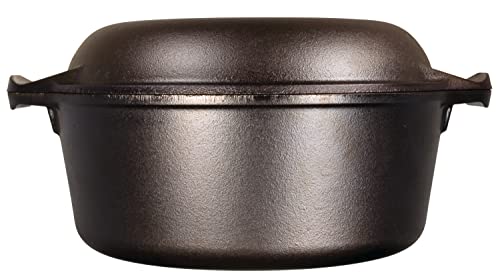
Both shine: raw cast iron for sear and heat, enameled for easy care and gentle cooking.
I often stand at my stove wondering whether to reach for cast iron or enameled cast iron. Both solve the same kitchen problems: even heat, long cooking, and durability. Cast iron vs enameled cast iron is the core choice. I’ve used both for years. I’ll share real tests, simple pros and cons, and stories so you can pick the best tool for your needs.
Is cast iron Good?
Yes — for many cooks, cast iron is a clear yes. It is for anyone who wants raw heat, thick pans, and a lifetime tool. I use bare cast iron when I want a hard sear on steaks, a crust on cornbread, or to cook directly over a campfire. It rewards care with nonstick power. It needs seasoning and some fuss, but it also forgives and lasts decades.
Once, I forgot a skillet on medium heat for a long time and only lost a bit of seasoning. I scrubbed, re-oiled, and the pan bounced back. Another time, I baked sourdough in my cast iron dutch oven on a hot grill. The crust came out blistered and deep brown. These small wins make cast iron a true kitchen workhorse for me.
Lodge 5 Quart Cast Iron Double Dutch Oven – Pre-Seasoned – Lid Converts to 10.25″ Skillet – PFAS-Free – Made in USA – Dual Handles – Oven, Grill, Campfire & Stovetop Safe – Durable & Non-Toxic

What Makes It Stand Out / Key Features
- Excellent heat retention and very high oven/grill temp tolerance
- Develops natural nonstick surface through seasoning
- Works on stovetop, oven, grill, and campfire
- Extremely durable; can last generations
- Often more affordable than enameled options
What I Like
- Deep sear and crust formation on meats and bread
- Even heat that keeps temperature steady
- Simple, no-frills design that I can fix at home
- Light chemical-free cooking when well-seasoned
- Great for frying, baking, and outdoor cooking
What Could Be Better
- Needs regular seasoning and oil care
- Prone to rust if left wet or cleaned incorrectly
- Reactive to acidic foods unless well-seasoned
My Recommendation
Choose raw cast iron if you want max heat, a budget option, and don’t mind a bit of maintenance.
| Best For | Why |
|---|---|
| High-heat searing | Retains and holds intense heat |
| Outdoor/camp cooking | Handles open flame and rough use |
| Budget buyers | Lower cost and long life |
Is enameled cast iron Good?
It depends — enameled cast iron is great for many cooks. It keeps the heat benefits of cast iron while cutting down on care. I reach for enameled cast iron when I cook tomato sauce, stews, or when I want less scrub time. Enameled surfaces don’t need seasoning and they resist acid. I’ve found them ideal for slow braises and for serving right at the table.
I once used my enameled dutch oven for a week of family meals: soups, lamb stew, and bread. I rarely worried about scraping or flavors lingering. The bright enamel made it pretty on the table. It chips if dropped, and it costs more, but the ease of use often wins for weeknight cooks or anyone who dislikes the upkeep of raw cast iron.
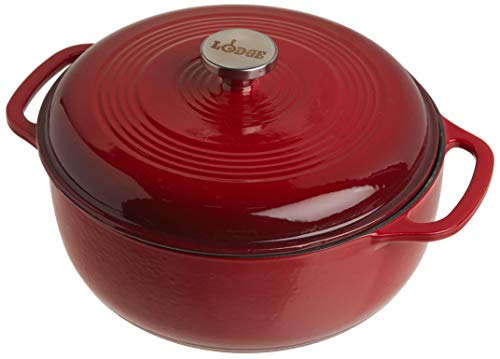
Lodge Essential Enamel Cast Iron Dutch Oven – Perfect for Bread Baking, Braising, Marinating & Slow Cooking – Features Moisture-Sealing Lid & Dual Handles – Kitchen Essentials – 6 Quarts – Island Spice Red
What Makes It Stand Out / Key Features
- Porcelain enamel coating for easy cleaning
- Non-reactive with acidic foods like tomatoes
- Retains cast iron heat, with gentler surface
- Often available in many colors for serving
- Requires no seasoning; ready out of the box
What I Like
- No seasoning fuss — I wash it like regular pots
- Looks good on the table for serving
- Great for long, wet cooks and sauces
- Handles acid without flavor loss
- Easy start for cooks who don’t want maintenance
What Could Be Better
- Heavier and more costly than raw cast iron
- Enamel can chip if dropped or hit
- Extreme thermal shock can damage the enamel
My Recommendation
Pick enameled cast iron if you want low care, no seasoning, and a pretty pot for table service.
| Best For | Why |
|---|---|
| Slow braises & sauces | Non-reactive surface and even heat |
| Everyday home cooks | Easy cleaning and low maintenance |
| Entertaining | Looks nice on the table |
cast iron vs enameled cast iron: Side-by-Side Test”
I tested both in my kitchen. I cooked steaks, sauces, bread, and soups. Below are focused comparisons from my trials. This cast iron vs enameled cast iron test aims to show clear strengths for each.
Cooking Functions: Which One Does More?
A look at common cooking tasks and which pan handles them best.
| Task | Cast Iron | Enameled Cast Iron |
|---|---|---|
| High-heat searing | Excellent | Good but enamel limits extreme heat |
| Braising & stewing | Good | Excellent |
| Baking bread | Excellent (crisper crust) | Good (even bake) |
| Cooking acidic sauces | Not ideal | Ideal |
Cast Iron – 9/10 | Enameled Cast Iron – 8/10
“Edge: Cast iron for sears; enameled for slow, saucy dishes.”
Maintenance & Care: Which Is Easier?
How much time and skill each needs to stay in shape.
| Care Task | Cast Iron | Enameled Cast Iron |
|---|---|---|
| Cleaning after use | Scrub, dry, oil | Wash with soap, dry |
| Seasoning needs | Regular | None |
| Rust risk | High if wet | Low |
| Repairability | Can re-season & fix | Hard to repair chips |
Cast Iron – 6/10 | Enameled Cast Iron – 9/10
“Edge: enameled for easy care and low risk of rust.”
Durability & Longevity
Which will last through years of use.
| Durability Factor | Cast Iron | Enameled Cast Iron |
|---|---|---|
| Resistance to wear | Very high | High, but enamel can chip |
| Impact resistance | Good | Lower (chipping) |
| Life span | Decades with care | Decades if handled gently |
| Refinishing | Yes (re-season) | No (must replace) |
Cast Iron – 9/10 | Enameled Cast Iron – 7/10
“Edge: raw cast iron for sheer longevity and repairability.”
Heat Performance & Control
Which heats faster and keeps temp steady.
| Heat Trait | Cast Iron | Enameled Cast Iron |
|---|---|---|
| Heat retention | Excellent | Excellent |
| Heat-up speed | Slow | Slow |
| High-temp stability | Very high | Good, but enamel limits extremes |
| Suitable for grill | Yes | Yes, with care |
Cast Iron – 9/10 | Enameled Cast Iron – 8/10
“Edge: cast iron for top-end heat and grill work.”
Versatility & Use Cases
Which one fits more kitchen tasks.
| Use Case | Cast Iron | Enameled Cast Iron |
|---|---|---|
| Frying | Perfect | Good |
| Roasting | Great | Great |
| Simmering soups | Good | Excellent |
| Serving at table | Functional | Attractive |
Cast Iron – 8/10 | Enameled Cast Iron – 9/10
“Edge: enameled cast iron for everyday and serve-ready use.”
Value for Money
Cost versus benefit over time.
| Value Metric | Cast Iron | Enameled Cast Iron |
|---|---|---|
| Initial price | Lower | Higher |
| Long-term cost | Low (repairable) | Moderate (replace if chipped) |
| Resale/hand-me-down value | High | Good |
| Overall ROI | Excellent | Very good |
Cast Iron – 9/10 | Enameled Cast Iron – 7/10
“Edge: cast iron for raw value and long-term return.”
Final Verdict: Which Should You Buy?
Cast iron wins when you need raw heat, strong crusts, and a tool you can re-season and repair. It is perfect for searing, outdoor use, and cooks who like hands-on care. Enameled cast iron wins for ease, low maintenance, and cooking acidic dishes. It is great for weeknights, slow braises, and serving the pot at the table. Choose based on your cooking style: high-heat and repairable vs easy-care and elegant.
FAQs Of cast iron vs enameled cast iron
What is the main difference between cast iron vs enameled cast iron?
Enameled cast iron has a porcelain layer. Cast iron is bare metal that needs seasoning. The enamel makes cleaning and acids easy. Cast iron gives better sear and is repairable.
Can I use metal utensils on enameled cast iron?
You can, but it raises the risk of chipping. I use wooden or silicone tools to protect the enamel. For raw cast iron, metal is fine.
Which is better for acidic foods, cast iron vs enameled cast iron?
Enameled cast iron is better. Acid can strip flavor and seasoning from raw cast iron. Use enameled pots for tomato sauces and wine-based stews.
Do both types last a long time?
Yes. Cast iron can last generations if cared for. Enameled cast iron also lasts long but can chip if dropped. Both are durable with proper use.
Which is easier to maintain, cast iron vs enameled cast iron?
Enameled cast iron is easier. No seasoning. Simple soap and water usually work. Raw cast iron needs drying and oiling after use.

Leave a Reply