
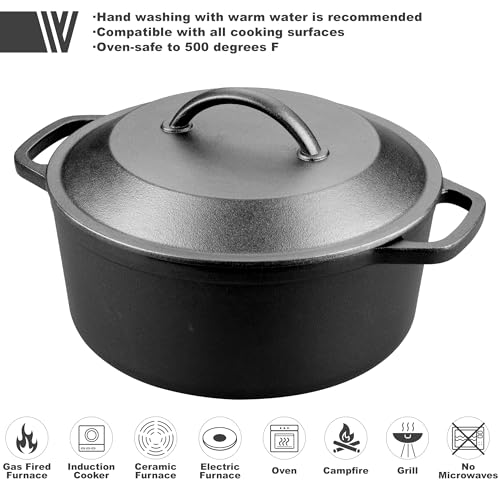
Both work well—cast iron wins heat and sear, nonstick wins ease and low-fat cooking.
I remember deciding between a cast iron vs nonstick pan when I first left home. One night I wanted the perfect sear on a steak; the next morning I wanted eggs that slid out clean. The cast iron vs nonstick pan dilemma is real: one gives rugged heat and flavor; the other gives convenience and low-fat cooking. I’ve cooked with both for years and tested them back-to-back. I’ll walk you through practical pros, cons, and which fits your kitchen.
Is cast iron Good?
Yes — for many cooks, cast iron is a clear winner. It is great for high-heat searing, oven braising, and dishes that benefit from steady, even heat. If you like rustic flavor, a pan that holds temperature, and a tool that can last decades, cast iron is for you. It takes time to learn seasoning and care, but once you do, the results often beat nonstick for browning and depth of flavor.
I still recall a rainy evening when I used my cast iron to braise short ribs. The pan held a steady low simmer in the oven and gave the meat a crust I couldn’t get with a nonstick. Another time, I used the same pan to bake cornbread; the crust was crisp and perfectly browned. Those small wins make me reach for cast iron when I want robust results.
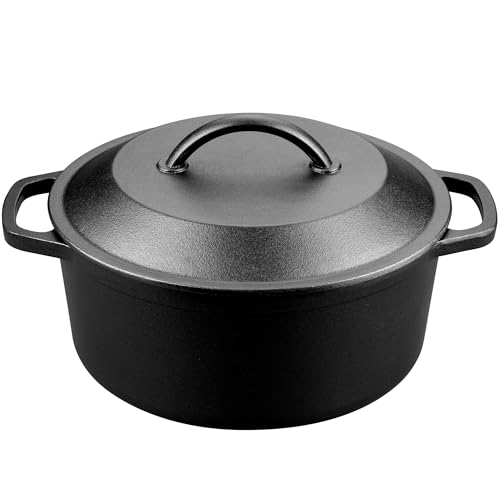
What Makes It Stand Out / Key Features
- Excellent heat retention for searing and braising.
- Develops a natural nonstick layer with seasoning.
- Oven-safe and often induction-compatible.
- Extremely durable—lasts decades with care.
- Adds depth of flavor and better crust on proteins.
What I Like
- It holds heat like a brick oven—great for steaks.
- My cornbread gets a golden, crunchy edge every time.
- It moves from stovetop to oven without fuss.
- Simple to repair: a reseasoning fixes many issues.
- Feels solid and dependable in my hands.
What Could Be Better
- Heavy—lifting and storing can be a chore.
- Requires seasoning and care to stay nonstick.
- Not ideal for low-fat, sticky foods like delicate eggs (until well seasoned).
My Recommendation
Choose cast iron if you want durability, top searing, and oven-to-table versatility. Great value for long-term cooks.
| Best For | Why |
|---|---|
| Searing steaks | Holds high heat and creates a deep crust |
| Oven braises | Even heat and safe at high oven temperatures |
| Long-term investment | Can last generations with proper care |
Is nonstick pan Good?
It depends — nonstick pans are excellent for quick, low-oil cooking and easy cleanup. If your priorities are eggs that don’t stick, healthy cooking with little oil, and a lightweight pan that’s simple to handle, a nonstick pan suits you well. They are not as durable as cast iron and can lose their coating over time, but modern hard-anodized nonstick pans hold up better than older models.
I use a nonstick pan almost every morning for scrambled eggs. It takes seconds to heat, and the eggs slide out every time. On busy weeknights, I sauté vegetables in the nonstick to avoid extra oil and to speed cleanup. When I need a fast, no-fuss pan, the nonstick is my go-to—especially for delicate foods that would fall apart in cast iron.
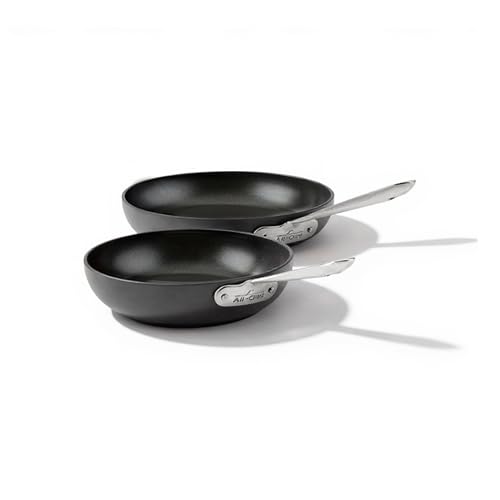
What Makes It Stand Out / Key Features
- Low-friction cooking surface for eggs and pancakes.
- Often lighter and easier to handle than cast iron.
- Quick heating and fast cleanup.
- Modern coatings resist scratching better than older nonstick.
- Some are oven-safe to moderate temperatures (check specs).
What I Like
- Eggs and fish never stick—clean up is quick.
- It’s light; I can flip with one hand easily.
- Good for low-oil cooking and calorie control.
- Heats fast, saving time on busy days.
- Great for beginners who want predictable results.
What Could Be Better
- Coating can wear over time and may need replacement.
- Not ideal for very high-heat searing.
- Some models are not induction compatible.
My Recommendation
Choose a nonstick pan if you prioritize convenience, light weight, and easy cleanup. Good daily kitchen workhorse for simple meals.
| Best For | Why |
|---|---|
| Cooking eggs and pancakes | Low-stick surface makes flipping simple |
| Quick weeknight meals | Heats fast and cleans easily |
| Lightweight handling | Easy to lift and maneuver |
cast iron vs nonstick pan: Side-by-Side Test”
I ran simple, repeated tests to see how cast iron vs nonstick pan compare in real tasks I do daily. Below are focused categories and my hands-on ratings based on use, cleanup, and results.
Cooking Functions: Which One Does More?
Which pan handles more cooking jobs well?
| Function | Cast Iron | Nonstick Pan |
|---|---|---|
| High-heat searing | Excellent | Poor |
| Oven braising | Excellent | Variable (depends on temp) |
| Delicate foods (eggs) | Okay (needs seasoning) | Excellent |
| One-pan meals | Excellent | Good |
Cast iron – 9/10 | Nonstick pan – 7/10
“Cast iron wins for heavy-duty and oven work; nonstick wins for delicate, low-fat cooking.”
Heat & Speed: Which Heats Faster and Cooks Better?
How quickly they heat and how they distribute heat.
| Metric | Cast Iron | Nonstick Pan |
|---|---|---|
| Time to reach cooking temp | Slow | Fast |
| Heat retention | Excellent | Poor |
| Evenness on stovetop | Very good (once hot) | Good |
| Best for searing | Yes | No |
Cast iron – 9/10 | Nonstick pan – 8/10
“Nonstick heats quickly; cast iron cooks more evenly once it’s hot.”
Ease of Use & Maintenance
Which pan fits daily life and cleaning routines?
| Task | Cast Iron | Nonstick Pan |
|---|---|---|
| Daily cleanup | Needs care (no soap, dry fully) | Quick wipe or wash |
| Storage | Heavy, needs space | Light, stackable |
| Longevity with use | Very long | Moderate |
| Maintenance time | Medium (seasoning) | Low |
Cast iron – 7/10 | Nonstick pan – 9/10
“Nonstick is easier daily; cast iron rewards care with long life.”
Health & Safety
Food safety and cooking health considerations.
| Concern | Cast Iron | Nonstick Pan |
|---|---|---|
| Toxin risk at high heat | Low | Possible if overheated |
| Iron leaching | Minor (can add dietary iron) | None |
| Need for oil | Often more | Less |
| Safe temperature range | Very high | Moderate |
Cast iron – 9/10 | Nonstick pan – 7/10
“Cast iron is forgiving; nonstick needs care at high heat.”
Versatility & Value for Money
Which pan gives more uses and value long term?
| Aspect | Cast Iron | Nonstick Pan |
|---|---|---|
| Multi-use (stovetop to oven) | Excellent | Good (limited temp) |
| Initial cost vs lifespan | Often low cost, long life | Moderate cost, shorter life |
| Resale/hand-me-down value | High | Low |
| Best for varied recipes | Yes | Some recipes only |
Cast iron – 9/10 | Nonstick pan – 8/10
“Cast iron offers long-term value; nonstick offers short-term convenience.”
Final Verdict: Which Should You Buy?
Cast iron is best if you want durability, high-heat performance, and a pan that improves with time. It’s my pick for searing, oven work, and long-term value. Choose cast iron if you cook heavy meals and enjoy hands-on care.
Nonstick pans are best if you want ease, quick cleanup, and low-oil cooking. They’re my daily pick for eggs, pancakes, and fast weeknight meals. If you value convenience and light handling, choose nonstick.
FAQs Of cast iron vs nonstick pan
Which is better for everyday cooking: cast iron vs nonstick pan?
For everyday quick meals, nonstick wins for speed and cleanup. For everything else—searing, oven use, and longevity—cast iron is better.
Does cast iron add flavor compared to a nonstick pan?
Yes. Cast iron builds a seasoned surface that can deepen flavors and improve browning. Nonstick stays neutral.
Are nonstick pans unsafe at high heat compared to cast iron?
Nonstick coatings can degrade at very high heat. Cast iron tolerates high heat safely. Avoid overheating nonstick pans.
Which is easier to clean: cast iron vs nonstick pan?
Nonstick is easier to clean and needs minimal oil. Cast iron can require scrubbing and reseasoning but is still manageable.
Can one replace the other in the kitchen?
They can overlap, but they don’t fully replace each other. I keep both: cast iron for heavy work, nonstick for quick, delicate tasks.

Leave a Reply