
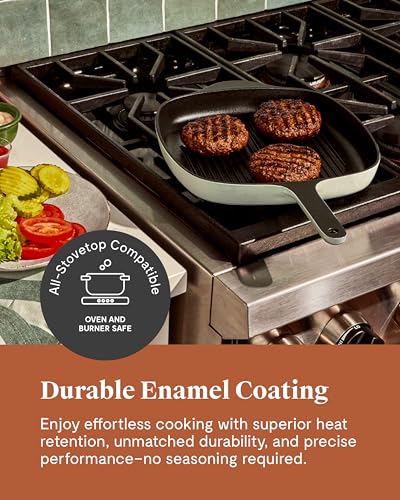
Both shine: cast iron holds heat while stainless steel gives fast, precise sears and easy cleanup.
I was staring at a grocery-store aisle, torn between a cast iron vs stainless steel skillet, wondering which one would actually see daily use. I’ve cooked on both for years—roasting chicken, making pancakes, searing steaks—and I’ll share what worked, what didn’t, and who should pick which. I tested both in my small home kitchen to help you choose the right skillet for your life and cooking style.
Is Cast Iron Skillet Good?
Yes — for many home cooks, a cast iron skillet is a clear winner. It keeps heat like a little oven, makes great crusts, and lasts decades. If you want a pan that can go from stovetop to oven and improve with age, cast iron is for you. It’s especially good if you like slow, steady cooking or high-heat sears that hold temperature well.
I remember preheating a cast iron skillet for a thick ribeye. The first sizzle told the story: deep crust in minutes and even browning. Another time, I used the same pan to bake a skillet cornbread. The edges were caramelized and the center stayed tender—little about cooking felt more satisfying. These are simple wins I saw repeatedly when testing cast iron vs stainless steel skillet side-by-side.

What Makes It Stand Out / Key Features
- Excellent heat retention for steady, even cooking.
- Works on stovetop and in the oven—great for one-pan meals.
- Builds natural nonstick seasoning with use.
- Very durable—can last generations if cared for.
- Affordable and simple construction.
What I Like
- Creates superior crusts on meat and sears evenly.
- Retains heat so oven-finish recipes succeed every time.
- Improves with use—seasoning becomes a real benefit.
- Simple to fix minor scratches; can be re-seasoned.
- Feels sturdy and reliable in hand—no flexing or warping.
What Could Be Better
- Heavy and awkward to handle when full.
- Requires maintenance: drying, oiling, and careful cleaning.
- Reactive with acidic foods unless well-seasoned or enameled.
My Recommendation
Choose cast iron if you value heat retention, durability, and one-pan meals. Great value and long life.
| Best For | Why |
|---|---|
| Searing Steaks | Holds high heat for even crusts. |
| Oven-to-Table Dishes | Safe in oven and excellent at finishing. |
| Budget Buyers | Affordable and lasts decades with care. |
Is Stainless Steel Skillet Good?
It depends—stainless steel shines if you want speed, low fuss, and easy cleanup. Stainless steel pans heat fast and respond to changes in temperature. They won’t build seasoning, but they do let you cook acidic sauces without worry and often clean in the dishwasher.
I use stainless steel when I need nimble control. For quick pan sauces, deglazing after a sear, or frying vegetables with high heat, stainless steel wins. I once cooked scallops in a stainless steel skillet and loved the quick, controlled sear and easy cleanup afterward. In side-by-side tests of cast iron vs stainless steel skillet, stainless steel often felt lighter and faster to manage, especially on busy weeknights.

What Makes It Stand Out / Key Features
- Fast, even heating with tri-ply construction.
- Non-reactive with acidic foods and sauces.
- Often dishwasher-safe for easier cleanup.
- Lighter weight—easier to handle and flip.
- Bright, polished look for presentation and serving.
What I Like
- Quick to heat and quick to cool—great for precise cooking.
- Easy to deglaze for pan sauces that taste clean.
- Low maintenance—no seasoning required.
- Works well for delicate proteins like fish and scallops.
- Usually lighter, so I use it for weekday meals more.
What Could Be Better
- Food can stick if heat and oil aren’t managed.
- Less heat retention—may struggle with very high, sustained sears.
- Can show discoloration or water spots over time.
My Recommendation
Pick stainless steel if you want quick control, easy cleaning, and clean pan sauces. Good for everyday cooking and acidic dishes.
| Best For | Why |
|---|---|
| Quick Weeknight Meals | Heats fast and cleans easily. |
| Pan Sauces | Deglazes cleanly and resists acids. |
| Delicate Proteins | Gives controlled sears with less sticking when used well. |
cast iron vs stainless steel skillet: Side-by-Side Test
I ran them through real tasks: searing, simmering, oven finishing, cleanup, and daily handling. Below are clear, practical comparisons from my tests of cast iron vs stainless steel skillet.
Cooking Functions: Which One Does More?
Which pan handles the widest range of cooking styles?
| Function | Cast Iron | Stainless Steel |
|---|---|---|
| High-heat searing | Excellent | Very good |
| Oven finishing | Perfect | Good (lighter, but oven-safe) |
| Delicate foods (fish, eggs) | Okay with extra care | Better control |
| Sauces and deglazing | Good | Excellent |
Cast Iron – 9/10 | Stainless Steel – 8/10
“Cast iron wins for heavy-duty and oven work; stainless steel shines for delicate, quick tasks.”
Heat Retention & Distribution
Which holds and spreads heat best?
| Metric | Cast Iron | Stainless Steel |
|---|---|---|
| Heat retention | Excellent | Fair |
| Evenness across surface | Very even once hot | Very even with tri-ply base |
| Warmth after removing from heat | Stays hot long | Cools quickly |
| Best for long cooks | Yes | No |
Cast Iron – 10/10 | Stainless Steel – 8/10
“Cast iron keeps heat like a slow cooker; stainless steel responds fast but cools quickly.”
Ease of Use & Maintenance
Which pan fits into a busy life more easily?
| Task | Cast Iron | Stainless Steel |
|---|---|---|
| Cleaning | Needs care and re-oiling | Usually dishwasher-safe |
| Storage | Heavy, needs dry storage | Light, stackable |
| Initial skill to use | Moderate (seasoning and heat) | Low to moderate |
| Daily convenience | Less convenient | More convenient |
Cast Iron – 7/10 | Stainless Steel – 9/10
“Stainless steel wins for day-to-day ease; cast iron asks more care but rewards over time.”
Durability & Longevity
Which pan will last a lifetime?
| Factor | Cast Iron | Stainless Steel |
|---|---|---|
| Resistance to warping | Excellent | Good (depends on quality) |
| Repairability | Can be re-seasoned and resurfaced | Harder to repair if warps/dents |
| Typical lifespan | Decades to generations | Years to decades |
| Rust/Corrosion concerns | Yes, if not maintained | No, stainless resists rust |
Cast Iron – 10/10 | Stainless Steel – 9/10
“Both last long, but cast iron ages into better performance; stainless resists rust and stays shiny.”
Value for Money
Which gives the most cooking power per dollar?
| Aspect | Cast Iron | Stainless Steel |
|---|---|---|
| Upfront cost | Low to moderate | Moderate to high (tri-ply) |
| Long-term value | Very high | High |
| Replacement frequency | Rare | Occasional |
| Overall ROI | Excellent | Good |
Cast Iron – 9/10 | Stainless Steel – 8/10
“Cast iron often wins on value: low cost and long life; stainless steel pays off for ease and speed.”
Final Verdict: Which Should You Buy?
Cast iron excels for heat retention, oven-to-stovetop use, and long-term value. If you like thick steaks, braises, and one-pan baking, pick cast iron. I use mine when I want depth and durability.
Stainless steel shines for quick weekday cooking, delicate proteins, and easy cleanup. If you want low maintenance, fast heat, and clean deglazing for sauces, go stainless steel. In short: pick based on how you cook and how much care you’ll give the pan.
FAQs Of cast iron vs stainless steel skillet
Which pan is better for searing steaks?
Both do well. Cast iron holds heat longer and builds a deeper crust. Stainless steel gives quick, controlled sears. For the deepest crust, cast iron wins.
Can I use acid (tomato, wine) in cast iron?
Use care. Acid can strip seasoning in plain cast iron. Enameled cast iron or stainless steel is safer for long acidic sauces.
Which is easier to clean?
Stainless steel is generally easier—many are dishwasher-safe. Cast iron needs hand-washing, drying, and oiling to prevent rust.
Do either of these go in the oven?
Yes. Both typically go in the oven. Cast iron is best for high-heat oven use; check stainless handles and lids for oven safety.
Which is better value long term?
Cast iron is often better value long term due to longevity and improving seasoning. Stainless steel gives convenience and speed, which also has value.

Leave a Reply